
Flowers
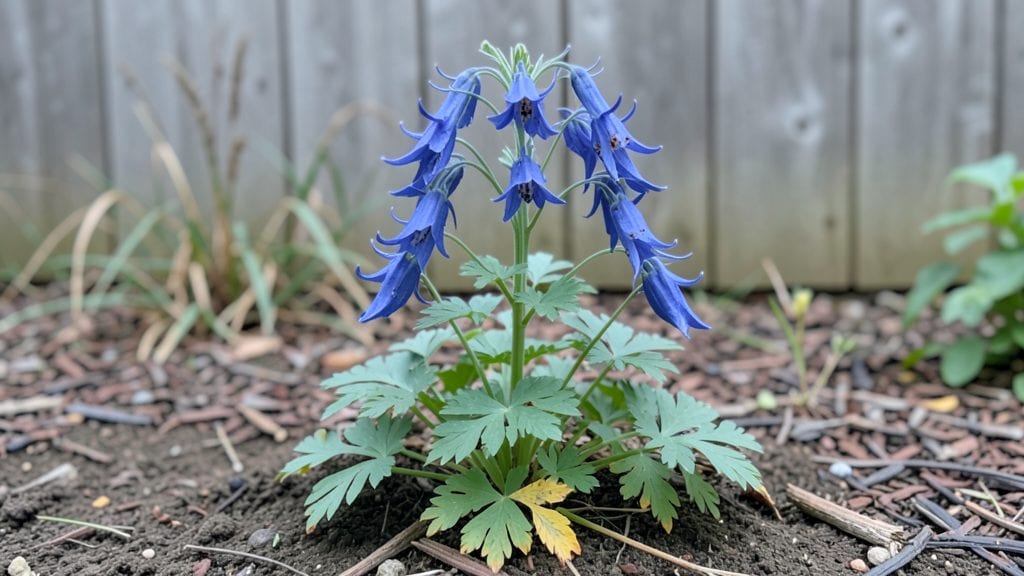
The Pacific Northwest's frost-resistant blue columbine flowers bring a touch of wild elegance to gardens. 🌿 Their nodding blooms and airy foliage create a dreamy, natural look that hummingbirds adore.
This isn't just a pretty face—it's a hardy perennial that thrives where others falter, returning year after year with minimal fuss.
Perfect for cottage gardens, wildflower meadows, or woodland edges, blue columbine pairs beautifully with hostas, astilbes, and ferns for a lush, layered effect. Plant them along borders or in drifts for a soft blue haze that brightens shady spots.
Their unique shape adds vertical interest, while their late-spring to summer blooming keeps the garden lively.
You'll love how these delicate flowers attract pollinators while requiring almost no maintenance. The seed pods add seasonal interest, and their deep roots help stabilize soil. Whether you're going for a romantic cottage vibe or a modern naturalistic garden, blue columbine delivers effortless beauty with a wild, natural charm.
For best results, pair them with moisture-loving companions like lungwort or bleeding heart, or let them mingle freely in a wildflower meadow. Their frost tolerance means you can plant them early, and their self-seeding habit ensures they'll naturalize beautifully over time.
📚 In This Guide
- What you need
- Instructions
- Tips and common mistakes
- Wrapping up and next steps
What you need
- ● Blue columbine seeds or seedlings: Choose Aquilegia formosa (western blue columbine) for native varieties. Buy 5–10 seeds (or 3–5 seedlings) for a small patch.
- ● Well-draining soil: A mix of 50% native soil, 30% compost, and 20% perlite or coarse sand (pH 6.0–7.5).
- ● Sunlight access: Partial shade to full sun (3–6 hours of morning sun, especially in hotter climates).
- ● Watering can or hose: With a gentle spray nozzle for seedlings.
- ● Garden gloves: To protect hands while handling soil or seeds.
- ● Trowel or hand fork: For planting seeds or seedlings (1–2 inches deep).
- ● Mulch (straw or wood chips): 1–2 inches to retain moisture and suppress weeds.
- ● Fertilizer (low-phosphorus): Balanced 10-10-10 or compost tea, applied once in early spring.
- ○ Stakes or cages: For tall varieties (optional, but helpful in windy PNW areas).
- ● Pruners: For deadheading spent blooms or shaping plants.
- ● A frost-hardy zone: Blue columbine thrives in USDA Zones 3–9—perfect for the PNW!
- ● Patience: Seeds may take 2–3 weeks to germinate (or up to 6 weeks in cold soil).
- ● Hummingbird-friendly location: Plant near windows or feeders to attract pollinators! 🐦➡️
How to grow blue columbine flowers in the Pacific Northwest
This hardy perennial thrives in our region's cool, moist climate—here's how to grow it successfully.
🌱 Step 1: Choose the Right Planting Location
Blue columbine (Aquilegia formosa) thrives in partial shade to full sun with 4-6 hours of morning sunlight—critical for preventing leaf scorch. In the Pacific Northwest, I always plant mine along the north or east side of a structure where they get gentle morning rays and afternoon shade from our frequent drizzle. The key is well-draining soil—columbine hates soggy roots, so avoid low-lying areas where water pools after heavy rain.
Test your soil by squeezing a handful—if it stays clumped when dry, amend with 2-3 inches of compost or sand before planting. I dig a hole twice as wide as the root ball to encourage outward growth, which gives the plant stability against our windy coastal breezes. Space plants 12-18 inches apart to allow for their delicate, nodding blooms to sway without crowding.
💧 Step 2: Plant and Establish for First-Year Growth
Dig your hole and gently loosen the root ball of your columbine if it's been in a container for more than a week. Place it so the top of the root ball sits level with the surrounding soil—burying too deep suffocates the plant, while planting too high leaves roots exposed. Backfill with native soil mixed with 1 part compost to give it a nutrient boost without overwhelming it.
Water deeply immediately after planting to settle the soil and eliminate air pockets. Then, keep the area consistently moist but not soggy for the first 4-6 weeks—you'll know it's right when the soil feels like a damp sponge. Mulch with 2 inches of shredded bark to retain moisture and suppress weeds, but leave a 1-inch gap around the stem to prevent rot. In our climate, the first year is all about root establishment, so resist the urge to fertilize—columbine prefers lean soil.
☀️ Step 3: Maintain Through the Growing Season
Once established, blue columbine is remarkably low-maintenance. Water 1-2 times per week during dry spells, but check the soil first—top 2 inches should feel dry before watering again. Overwatering in our damp climate leads to fungal issues, so I always water early in the day to allow foliage to dry before evening dew sets in.
Deadhead spent blooms in late spring to early summer to encourage a second flush of flowers, but leave some seed pods for hummingbirds—they adore the nectar-rich blooms. I also fertilize lightly in early spring with a balanced 10-10-10 fertilizer (about 1 tablespoon per plant) to support new growth, but skip fertilizer after mid-summer to prevent tender new shoots before winter.
✂️ Step 4: Prepare for Winter and Encourage Perennial Growth
Blue columbine is frost-hardy down to 0°F, but our Pacific Northwest winters can be wet and gray. Cut back dead foliage in late winter (around February) to make room for fresh growth, but leave any healthy, dormant stems—they provide structure and protect new shoots from wind.
In early spring, as new growth emerges, add a 1-inch layer of compost around the base to replenish nutrients. This is also the time to divide clumps if they've outgrown their space—simply dig up the plant, separate the roots, and replant sections. I've found that dividing every 3-4 years keeps columbine blooming vigorously and prevents overcrowding. The plant's naturalizing habit means it often self-seeds, so thin seedlings in spring to maintain your desired spacing.
Tips & tricks for perfect blue columbine growth in the Pacific Northwest
These pro tips will help you coax the most vibrant blooms from your blue columbine—especially in our tricky PNW climate.
Location is Everything: That 4-6 hours of morning sunlight in Step 1 is non-negotiable for preventing leaf scorch. I've found the best spots get morning sun but afternoon shade from our frequent drizzle. If your yard has limited sun, consider planting near a north-facing window or under deciduous trees that provide summer shade. The key is avoiding that harsh afternoon sun that can burn delicate foliage.
Soil Science Matters: When testing your soil in Step 1, look for that "damp sponge" consistency mentioned. If it feels more like wet clay, mix in 2-3 inches of coarse sand to improve drainage—columbine roots will thank you. I've had the most success with a mix of native soil, compost, and sand (about 60/30/10 ratio) that mimics the well-draining conditions of their native woodland edges.
Watering Wisdom: The first 4-6 weeks after planting are critical for root establishment. I use a simple test: stick your finger about 2 inches into the soil. If it feels dry, water until moisture reaches that depth. Our Pacific Northwest summers can be deceptive—what seems like enough rain often isn't penetrating deeply enough. A soaker hose set to run for 20 minutes twice weekly works wonders for consistent moisture without overwatering.
Winter Prep Secret: That February deadheading in Step 4 is your chance to assess plant health. Before cutting back, examine the stems—if you see any green shoots peeking through, leave them! These indicate the plant's hardiness and will give you a head start on spring growth. I've found that leaving 2-3 inches of stem stubble provides just enough protection against our wet winters while still allowing new growth to emerge early.
Pro Tips for Blue Columbine Flowers
- These pro tips will help you coax the most vibrant blooms from your blue columbine—especially in our tricky PNW climate.
- Location is Everything: That 4-6 hours of morning sunlight in Step 1 is non-negotiable for preventing leaf scorch.
- Soil Science Matters: When testing your soil in Step 1, look for that "damp sponge" consistency mentioned.
Frequently asked questions
Got questions about growing or caring for blue columbine flowers? You’re not alone! Here are answers to the most common queries from gardeners in the Pacific Northwest and beyond.
When is the best time to plant blue columbine flowers?
Plant them in early spring (March–April) or fall (September–October) for the best results. Columbines thrive in cool weather and can even handle light frost. If starting from seeds, sow them outdoors in late fall—they’ll self-stratify naturally over winter!
Are blue columbine flowers toxic to hummingbirds or pets?
Great news! These flowers are non-toxic to hummingbirds, bees, and pets like cats and dogs. In fact, they’re a hummingbird magnet! Just avoid ingesting large amounts of foliage, as some plants can cause mild stomach upset if consumed in excess.
How do I protect blue columbine flowers from heavy rain or wind?
Columbines are tough but benefit from light support in windy areas. Stake taller stems gently with bamboo stakes or use a small mesh cage for extra protection. Ensure well-draining soil to prevent root rot from soggy conditions—these plants hate "wet feet."
What can I do if my blue columbine flowers aren’t blooming?
Several factors might be at play:
- Too much shade? Move to partial sun (4–6 hours/day).
- Over-fertilizing? Columbines prefer lean soil—skip heavy fertilizer.
- Deadheading? Remove spent blooms to encourage more flowers.
- Age? Young plants may need 1–2 years to mature.
If the issue persists, check for pests like aphids or fungal spots on leaves.
Are there drought-tolerant alternatives to blue columbine flowers?
Yes! If you’re looking for drought-resistant perennials with similar charm, try:
- Penstemon (beardtongue)
- Lavender (drought-loving and fragrant)
- Yarrow (tough, pollinator-friendly)
- Catmint (long-blooming and deer-resistant)
These thrive in the PNW’s dry spells while still attracting hummingbirds!
Wrapping up and next steps
Blue columbine flowers are more than just a stunning addition to your garden—they’re a hardy, hummingbird-loving superstar for the Pacific Northwest! 🌿 With their frost-resistant charm and vibrant blooms, they bring color, life, and pollinator joy year after year.
Whether you're a seasoned gardener or just starting out, these flowers prove that beauty and resilience go hand in hand.
Ready to invite more blue columbine magic into your space? Start small—plant a few this season or share tips with fellow gardeners! Your yard (and local hummingbirds) will thank you. 🐦⬛✨