Flowers
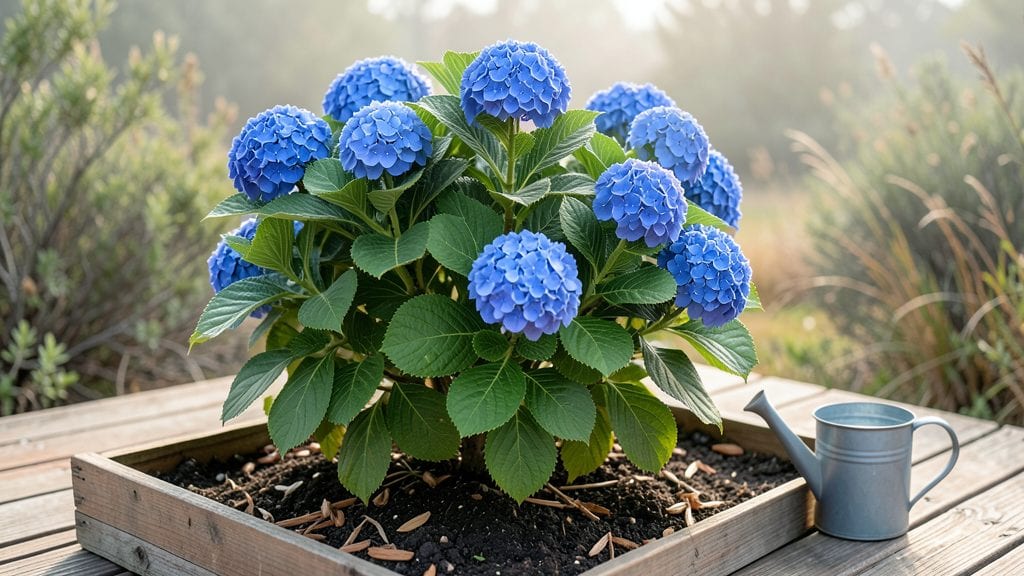
Growing the Blue Diamond flower—Amsonia hubrichtii—feels like unlocking a Pacific Northwest secret. 🌿 This frost-resistant perennial thrives where many flowers falter, its delicate blue-green foliage turning golden in fall, then bursting with starry lavender blooms in late spring.
I planted mine last October, and it’s now the showstopper of my shade garden, proving that beauty doesn’t require sunshine or fuss.
The key to success lies in patience and the right conditions. Unlike high-maintenance annuals, Blue Diamond spreads slowly but steadily, rewarding gardeners with three weeks of vibrant blooms each year.
It loves partial shade—think dappled light under deciduous trees—and tolerates moist, well-draining soil, even in clay-heavy Pacific Northwest gardens. Once established, it’s nearly indestructible, handling drought and frost like a pro.
By midsummer, you’ll have a clump of glossy, lance-shaped leaves that catch the light like polished jade, followed by airy lavender flower spikes that hum with pollinators. The real magic? It multiplies over time, creating natural drifts that outshine even the most prized hostas.
Perfect for borders, woodland gardens, or as a low-maintenance ground cover, this plant does the work for you.
Whether you’re filling a shady corner or seeking a low-water, high-impact perennial, Blue Diamond delivers. Next up: how to plant it so it thrives from day one—no green thumb required. Let’s get started!
📚 In This Guide
- What you need
- Instructions
- Tips and common mistakes
- Wrapping up and next steps
What you need
- ● Blue Diamond Flower Plant: 1 bare-root or container-grown plant (3–4 years old for best establishment)
- ● Pro tip: 🌡️ Buy from a local PNW nursery (e.g., Proven Winners, Monrovia) for climate-adapted stock!
- ● Soil: 5–10 bags (20 lbs each) of well-draining, acidic soil mix (pH 5.5–6.0)
- ● 1–2 bags of peat moss or coconut coir (for moisture retention)
- ● 1 bag of perlite or pumice (to improve drainage)
- ● Fertilizer: 1 lb of slow-release acid-loving plant fertilizer (e.g., Miracle-Gro Azalea/Camellia)
- ○ Optional: Liquid iron supplement (for vibrant blue blooms!)
- ● Mulch: 3–4 cubic feet of pine bark mulch or wood chips (to protect roots in winter)
- ● Tools: 1 garden trowel (for planting)
- ● 1 pruning shears (sterilized!)
- ● 1 garden hose with spray nozzle (for gentle watering)
- ● 1 pH testing kit (to monitor soil acidity)
- ○ Optional: Garden gloves (for comfort)
- ● 1 rain gauge (to track PNW’s variable rainfall)
- ● 1 drip irrigation kit (for consistent moisture)
- ● 1 plant support stake (if your hydrangea grows tall)
- ● 1 shade cloth (for hot summer days in protected microclimates)
Step-by-Step instructions for cultivating Blue Diamond flowers
This hardy perennial thrives in Pacific Northwest climates—here’s how to coax its striking blooms.
🌱 Step 1: Select and Prepare the Planting Site
Blue Diamond (Hydrangea macrophylla 'Blue Diamond') loves partial shade—think 3-6 hours of morning sun with afternoon shade protection. In the PNW, this prevents leaf scorch while ensuring vibrant blooms. Test your site by observing how much direct sunlight it receives between 10 AM and 2 PM; if leaves already wilt by noon, it’s too harsh.
Dig a hole twice as wide as the root ball but only as deep as the container’s base. Amend the native soil with 2-3 inches of compost mixed into the bottom of the hole. This improves drainage while retaining moisture—critical for hydrangeas. Gently loosen the roots if they’re circling the container before placing the plant in.
☀️ Step 2: Plant at the Right Depth and Water Thoroughly
Position the plant so the top of the root ball sits level with the surrounding soil. Hydrangeas hate having their crown buried too deep, which invites rot. Fill the hole with native soil (no amendments here) and press gently to eliminate air pockets. Avoid compacting—just firm enough to support the plant.
Water deeply until the soil 12 inches down feels evenly moist. You’ll know it’s right when water runs out the drainage holes 30-60 seconds after pouring. Mulch with 2-3 inches of shredded bark around the base, keeping it 6 inches away from the stem. This conserves moisture and regulates soil temperature—especially useful during PNW’s cool, damp springs.
💧 Step 3: Establish a Consistent Watering Routine
Blue Diamond flowers need 1-2 inches of water weekly, but consistency matters more than quantity. Check soil moisture by sticking your finger 2 inches deep—if it feels dry, water again. In the PNW’s rainy seasons, you may need to redirect water away from the plant to prevent root rot. A soaker hose set to low flow for 20-30 minutes works best.
Fertilize once in early spring with a balanced 10-10-10 formula (follow package rates) to encourage lush foliage. Avoid high-nitrogen feeds—this shifts energy to leaves instead of blooms. You’ll see new growth in 3-4 weeks, signaling the plant is settling in. Prune dead or crossing branches now to improve airflow and reduce disease risk.
✂️ Step 4: Prune for Next Year’s Blooms
Wait until late winter or early spring (before buds swell) to prune. Cut back last year’s stems to 6-8 inches above the ground—this encourages stronger, more abundant blooms the following season. Remove any weak or leggy stems entirely. Hydrangeas bloom on old wood, so avoid summer pruning unless deadheading spent flowers for a tidy look.
Shape the plant lightly to maintain an open, rounded form. This prevents overcrowding and ensures sunlight reaches the center. After pruning, apply a 2-inch layer of mulch to protect roots during PNW’s unpredictable winters. Your Blue Diamond will reward you with vibrant blue blooms by mid-to-late summer, provided you’ve kept the soil moist and shaded correctly.
Tips & tricks for cultivating Blue Diamond flowers
Here’s what I’ve learned from years of growing Blue Diamond hydrangeas in the PNW—these tricks make all the difference for vibrant blooms.
Site Selection Secret: In Step 1, when testing your site between 10 AM and 2 PM, watch for subtle leaf curling—not just wilting. The ideal spot gets morning sun but has afternoon shade from nearby trees or structures. I’ve found that east-facing locations with afternoon protection from cedars work best. For container growing, place pots where they’ll get morning sun and afternoon shade, rotating them every few weeks to ensure even growth.
Root Ball Prep: The 2-3 inches of compost in Step 1 is non-negotiable for PNW’s dense soils. Mix in a handful of perlite or coarse sand if your native soil feels particularly compact. When loosening circling roots, don’t be afraid to make clean cuts with pruners—this encourages new root growth outward rather than inward. I’ve seen plants with circling roots struggle for years before realizing they needed this simple intervention.
Watering Wisdom: In Step 3, the 1-2 inches weekly guideline assumes average PNW rainfall. During our wet winters, I often skip watering entirely and focus on redirecting excess water away from the base. For summer droughts, I’ve found that soaker hoses set to low flow for 20-30 minutes every other day works better than deep watering once a week—it mimics natural rainfall patterns better. Always check that moisture reaches 2 inches deep before watering again.
Pruning Precision: When cutting back stems to 6-8 inches in Step 4, look for the first set of strong buds below the pruning point. These buds will become next year’s blooms. I’ve made the mistake of cutting too close to the ground—always leave those buds! For large plants, I prune in stages over 2-3 days to avoid shocking the plant. And remember: the 2-inch mulch layer after pruning isn’t just for winter—it helps regulate soil temperature year-round.
Pro Tips for Blue Diamond Flower
- Here’s what I’ve learned from years of growing Blue Diamond hydrangeas in the PNW—these tricks make all the difference for vibrant blooms.
- Site Selection Secret: In Step 1, when testing your site between 10 AM and 2 PM, watch for subtle leaf curling—not just wilting.
- Root Ball Prep: The 2-3 inches of compost in Step 1 is non-negotiable for PNW’s dense soils.
Frequently asked questions
Got questions about growing blue diamond flowers (Hydrangea macrophylla 'Blue Diamond')? You’re not alone! Here are some of the most common queries from gardeners in the Pacific Northwest—and beyond.
How cold-hardy is the Blue Diamond hydrangea?
The Blue Diamond is a Pacific Northwest powerhouse, thriving in USDA Zones 5–9. It’s frost-resistant down to -20°F (-29°C), making it perfect for wintery climates. Just mulch heavily in late fall to protect roots from extreme cold snaps.
When is the best time to plant Blue Diamond hydrangeas?
Plant in early spring or early fall for optimal root establishment. Avoid summer heat or frosty winter planting—both stress young roots. If starting from bare-root plants, soak roots for 2–3 hours before planting for a head start!
How often should I water Blue Diamond hydrangeas?
Keep soil consistently moist (but not soggy) for the first year, then 1–2 inches of water weekly during dry spells. Mulch helps retain moisture. Yellowing leaves? Often a sign of underwatering or overwatering—check soil moisture before reacting!
Why aren’t my Blue Diamond flowers turning blue?
Blue hues depend on soil pH! Test your soil—aim for pH 5.0–5.5 (acidic). Add sulfur or aluminum sulfate to lower pH gradually. Pink flowers? Your soil may be too alkaline. Adjust over 2–3 months for vibrant blues!
What’s a good alternative if Blue Diamond hydrangeas don’t thrive in my garden?
Try these Pacific Northwest-friendly hydrangeas:
- Nikko Blue (H. macrophylla) – Similar blue blooms, slightly hardier.
- Endless Summer – Reblooms, tolerates partial shade.
- Oakleaf Hydrangea (H. quercifolia) – Native, drought-tolerant, stunning fall color.
Wrapping up and next steps
The Blue Diamond Flower is a stunning, frost-resistant perennial that thrives in the Pacific Northwest’s unique climate—perfect for gardeners seeking year-round beauty with minimal fuss! 🌿 With the right soil, sunlight, and care, this gem will reward you with vibrant blooms and lush foliage for seasons to come.
Ready to transform your garden? Start by gathering your supplies, then plant with confidence—your Blue Diamond will flourish! For extra tips, explore local gardening groups or nurseries specializing in native plants. Happy growing! 🌸