
Flowers
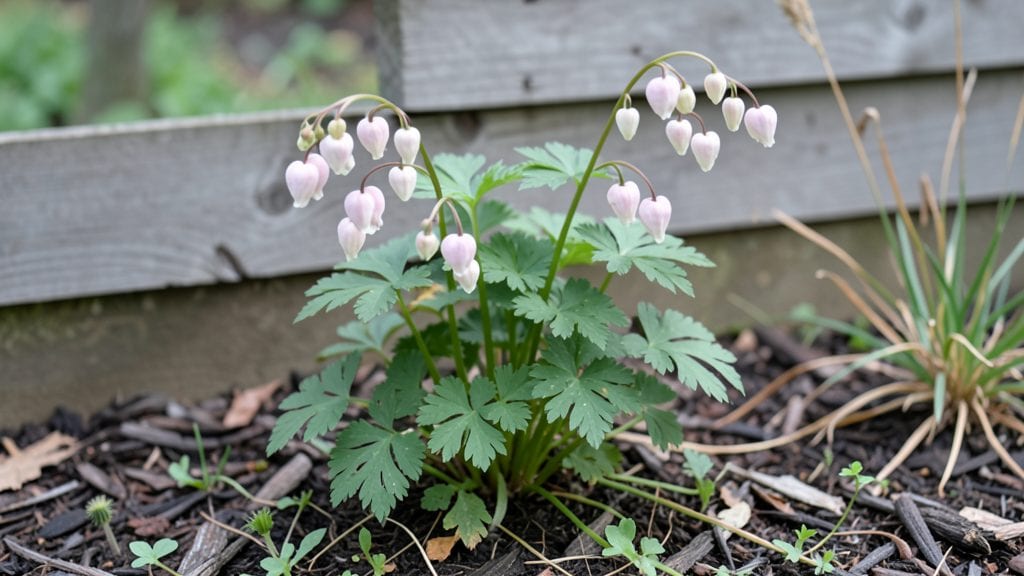
My first glimpse of broken heart flowers in a Pacific Northwest garden made me fall in love with their delicate, fern-like foliage and heart-shaped blooms that sway like tiny dancers in the breeze. These fragrant perennials thrive where many flowers struggle, turning shady corners into living art.
The secret lies in mimicking their native woodland conditions—moist, rich soil and dappled sunlight that keeps their leaves lush and their blooms abundant.
You’ll need well-draining soil mixed with compost, a spot with morning sun and afternoon shade, and patience—these plants reward long-term care with five years of stunning displays if given the right conditions. They’re fuss-free once established, but their first year demands consistent moisture to help roots spread.
The payoff? Clusters of pink or white blooms that perfume the air in early spring, long before most gardens wake up.
Pruning is simple: snip back faded blooms in late spring to encourage a second flush, and trim leggy foliage in fall to keep the plant tidy. Avoid the common mistake of planting them in full sun—their leaves scorch easily.
Instead, pair them with ferns, hostas, or hellebores for a dramatic shade garden that feels like a secret woodland retreat.
Whether you’re a beginner or a seasoned gardener, broken heart flowers bring effortless elegance to Pacific Northwest gardens. Their resilience and fragrance make them a standout perennial—one that turns overlooked spaces into fragrant, living tapestries. Ready to add some magic to your garden?
📚 In This Guide
- What you need
- Instructions
- Tips and common mistakes
- Wrapping up and next steps
What you need
- ● Broken Heart Flower Seeds or Plants: Choose high-quality seeds (or nursery-grown plants) for best results. If starting from seed, opt for fresh seeds (collected within 1-2 years) for higher germination rates.
- ● Well-Draining Soil: A mix of 50% garden soil, 30% compost, and 20% perlite or coarse sand (to prevent root rot). Aim for a pH of 6.0–7.5.
- ● Sunlight Spot: Partial shade (3–6 hours of morning sun or dappled light). Avoid harsh afternoon rays in hotter regions.
- ● Watering Can or Hose: With a gentle spray nozzle for moisture control.
- ● Mulch: 2–3 inches of organic mulch (e.g., shredded bark or wood chips) to retain moisture and suppress weeds.
- ● Pruners: Sharp, bypass pruners for trimming spent foliage or leggy stems.
- ● Garden Gloves: Protect your hands from thorns (if growing near roses) or soil debris.
- ● Transplant Trowel: For moving seedlings or dividing mature plants.
- ● Fertilizer: Balanced, slow-release granular fertilizer (10-10-10) or compost tea for a nutrient boost (apply in early spring).
- ○ Staking (Optional): Lightweight bamboo stakes or pebbles to support tall stems if needed (especially in windy areas).
- ● Shade Cloth (For Seedlings): 30–50% shade cloth if starting seeds indoors or in hot microclimates.
Step-by-Step guide to cultivating broken heart flowers
Transform your Pacific Northwest garden into a fragrant haven with this striking perennial's bold charm.
Select the Perfect Planting Site
Broken heart flowers (Dicentra spectabilis) thrive in partial shade, where they receive 3-5 hours of morning sun and afternoon shade. In the Pacific Northwest's cooler climate, this protects their delicate foliage from afternoon heat while ensuring enough light for vibrant blooms. Choose a location with well-draining soil—these plants despise soggy roots, which can lead to root rot. If your soil is heavy clay, amend it with 2-3 inches of organic compost before planting to improve drainage and fertility.
Look for spots with humus-rich soil—broken heart flowers reward gardeners who provide nutrient-dense conditions. A slightly acidic to neutral pH (6.0-7.0) is ideal, but they're adaptable. Test your soil before planting; if it's too alkaline, work in sulfur or peat moss to adjust the pH. Mulch the area with 2-3 inches of wood chips or shredded bark to retain moisture and suppress weeds while keeping roots cool.
Prepare and Plant the Tubers
Broken heart flowers grow from tubers, not seeds, so purchase healthy, firm tubers from a reputable nursery. Plant them in early spring, about 2-3 weeks before your last frost date, or in early fall for a slower start but earlier blooms the following year. Dig a hole 3-4 inches deep—deeper planting can delay blooming as the tuber works harder to reach the surface. Space tubers 12-18 inches apart to allow foliage to spread without crowding.
Place the tuber in the hole with the narrow end facing upward—this is where the stems will emerge. Cover it with soil and water gently but thoroughly to settle the soil around the tuber. Avoid overwatering immediately after planting, as soggy soil can cause rot. Instead, keep the soil evenly moist (like a wrung-out sponge) until new growth appears, which typically takes 3-4 weeks. You'll know it's working when delicate, fern-like leaves push through the soil.
Provide Consistent Care for Lush Growth
Once established, broken heart flowers are low-maintenance but appreciate regular watering during their first growing season. Water deeply once a week, providing 1 inch of water total, to encourage deep root growth. In the Pacific Northwest's rainy climate, you may need to adjust for overly wet conditions—ensure containers or raised beds have drainage, and avoid planting in low-lying areas where water pools. Reduce watering in late summer to allow foliage to yellow naturally, signaling dormancy.
Fertilize lightly in early spring with a balanced, slow-release fertilizer (10-10-10) to support new growth. Avoid high-nitrogen fertilizers, which promote lush foliage at the expense of blooms. Instead, focus on phosphorus and potassium to encourage strong roots and vibrant flowers. Deadhead spent blooms by snipping the flower stalks at the base once they fade—this redirects energy to next year's blooms and prevents seed production, which can weaken the plant.
Divide and Propagate Every 3-4 Years
Broken heart flowers multiply over time, and their tubers benefit from division every 3-4 years to maintain vigor. The best time to divide is in early spring or fall, when the plant is dormant or just beginning to grow. Dig up the clump carefully, using a fork to loosen the soil, and separate the tubers into smaller sections, ensuring each has at least one healthy growth point. Replant the divisions immediately in prepared soil, following the same depth and spacing guidelines.
This is also the time to refresh the planting area—add 1-2 inches of compost to the soil before replanting to replenish nutrients. Division prevents overcrowding, which can lead to smaller blooms and weaker stems. If you notice your plants producing fewer flowers or the foliage looking sparse, division is likely needed. Propagate extra tubers to share with fellow gardeners or plant in new areas of your garden for a dramatic, fragrant display.
Protect and Enjoy Year-Round Beauty
Broken heart flowers are deciduous perennials, meaning they go dormant in late summer or fall. Once foliage yellows and dies back, leave the stems in place—they provide winter interest and protect the tubers from freezing temperatures. In late winter or early spring, just before new growth appears, trim back the dead foliage to tidy the garden bed. The tubers are hardy to USDA Zone 3, making them well-suited for the Pacific Northwest's cold winters.
Watch for slugs and snails, which are drawn to the tender new growth. If you notice chewed leaves or holes in the foliage, set out beer traps or diatomaceous earth to deter pests without harming the plants. With proper care, broken heart flowers will reward you with months of fragrant blooms from late spring to early summer, followed by attractive seed pods that add texture to the garden. Their heart-shaped flowers and lacy foliage make them a standout perennial for shade gardens, cottage-style plantings, or as a focal point near patios and walkways.
Tips & tricks for perfect broken heart flowers cultivation
These proven strategies will help you coax the most vibrant blooms and lush foliage from your broken heart flowers—even in the Pacific Northwest's challenging climate.
Soil Preparation Secret: The 2-3 inches of organic compost mentioned in Step 1 is non-negotiable for heavy clay soils, but don't stop there. I recommend adding a handful of worm castings to the planting hole—this boosts microbial activity that helps tubers establish faster. The worms also create tiny air pockets that improve drainage, which is critical since broken heart flowers despise soggy conditions. Think of it as giving your tubers a head start in nutrient-rich soil that mimics their natural woodland habitat.
Planting Timing Strategy: While the instructions mention planting 2-3 weeks before your last frost date in spring, I've found that adding a layer of straw mulch (2-3 inches) at planting time can extend that window by about a week. This protects newly planted tubers from late-season frosts while maintaining consistent soil temperatures. For fall planting, aim for 6-8 weeks before your first frost—this gives tubers time to establish roots before winter dormancy begins.
Watering Wisdom: The "evenly moist" soil guideline in Step 2 is perfect, but here's how to translate that to real-world conditions: Stick your finger about 2 inches into the soil. If it feels dry, water until moisture reaches 4 inches deep. In the Pacific Northwest's rainy climate, you'll likely need to adjust for container gardens or raised beds—these dry out faster and may require daily watering during the first growing season. A moisture meter is worth the investment for this delicate perennial.
Division Technique: When it comes time to divide every 3-4 years (Step 4), I recommend using a clean, sharp knife to separate tubers rather than pulling them apart by hand. This minimizes damage to the delicate growth points. After division, soak the tubers in a fungicide solution for 10 minutes before replanting—this prevents the common fungal issues that can plague freshly divided plants. The extra 1-2 inches of compost at replanting time helps offset any stress from the division process.
Pro Tips for Broken Heart Flowers
- These proven strategies will help you coax the most vibrant blooms and lush foliage from your broken heart flowers—even in the Pacific Northwest's challenging climate.
- Soil Preparation Secret: The 2-3 inches of organic compost mentioned in Step 1 is non-negotiable for heavy clay soils, but don't stop there.
- This protects newly planted tubers from late-season frosts while maintaining consistent soil temperatures.
Frequently asked questions
Got questions about growing broken heart flowers (Dicentra spectabilis)? Here are some of the most common ones—plus expert tips to help you succeed!
1. How long does it take for broken heart flowers to bloom after planting?
Broken heart flowers typically take 2–3 years to establish and bloom from seed. If you plant bare-root divisions or nursery-grown plants, you may see flowers in the first spring. Patience is key—these perennials reward long-term care with stunning heart-shaped blooms!
2. Can broken heart flowers grow in full sun?
Nope! These shade-loving beauties thrive in partial to full shade (2–6 hours of sunlight daily). In the Pacific Northwest’s damp climate, they’ll do best under tall trees or along north-facing walls. Too much sun? Their leaves may scorch, and blooms could fade faster.
3. Why aren’t my broken heart flowers blooming?
Common culprits include:
- Too much sun – Move to a shadier spot.
- Over-fertilizing – These plants prefer poor soil; skip high-nitrogen feeds.
- Young plants – First blooms may take 2–3 years from seed.
- Dormant after blooming – They rest post-flowering; prune faded stems but avoid cutting back foliage until late summer.
4. Are there alternatives to broken heart flowers for similar shade-loving blooms?
Try these Pacific Northwest-friendly perennials for fragrant, shade-tolerant color:
- Bleeding heart (Dicentra formosa) – Native cousin with delicate pink blooms.
- Astilbe – Feathery plumes in pink, white, or red.
- Hosta – Bold foliage + occasional blooms (great for texture).
- Lungwort (Pulmonaria) – Early spring blooms with spotted leaves.
5. Are broken heart flowers toxic to pets?
Yes! All parts of Dicentra spectabilis contain isoquinoline alkaloids, which can cause drooling, vomiting, or lethargy in pets if ingested. Keep them in pet-free zones or opt for non-toxic alternatives like columbine (Aquilegia) if animals roam your yard.
Wrapping up and next steps
Broken heart flowers aren’t just stunning—they’re resilient, fragrant, and perfect for adding drama to your Pacific Northwest garden. 🌿 Whether you’re a seasoned gardener or just starting, their low-maintenance charm makes them a must-have. With the right care, you’ll enjoy their bold blooms and sweet scent for years to come.
Ready to dive in? Start by gathering your supplies, then plant with confidence—your garden (and heart) will thank you! For extra inspiration, browse local nurseries or join gardening groups to share your progress. Happy growing! 🌸