
Flowers
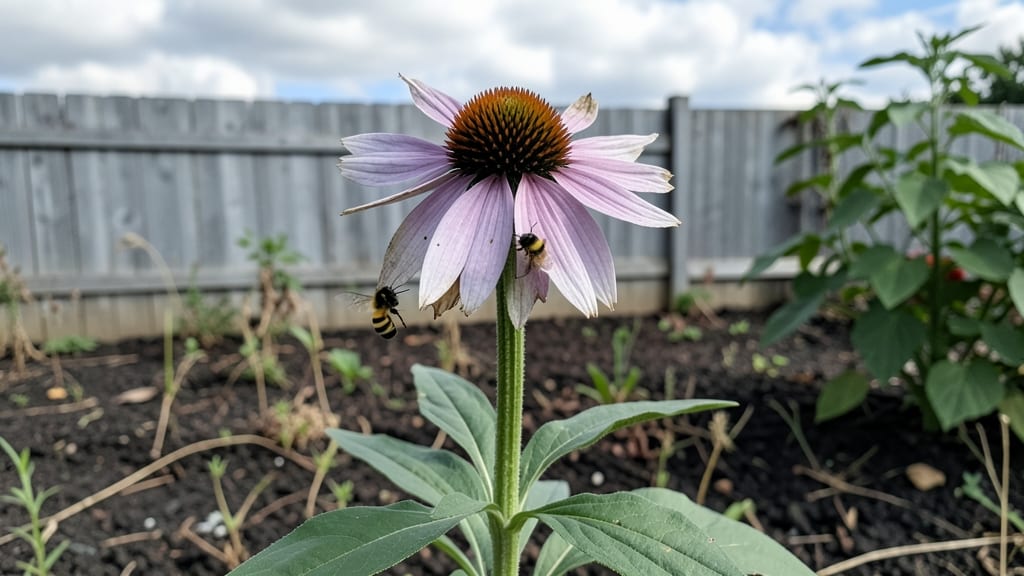
There's nothing quite like watching bumble bees buzz between sun-kissed blooms in your Pacific Northwest garden. 🌸 These fuzzy pollinators don't just add life—they make your yard a hummingbird magnet too, as they carry pollen between flowers with their distinctive, heavy-winged flight.
The right plants turn your space into a thriving ecosystem where every visit supports both bees and birds.
Native species like Pacific Coast iris and sword fern provide the perfect foundation, while seasonal bloomers such as red columbine and salal keep the action going from spring through fall. The key is layering plants of different heights and bloom times, so bees always have access to fresh nectar.
I learned this the hard way when my first attempt left gaps in early spring—now my garden stays buzzing all season long.
What you end up with is a garden that hums with activity, where every flower serves a purpose. The bees get their favorite nectar sources, hummingbirds find plentiful insects, and you enjoy a showstopping display that neighbors will envy.
Plus, the pollination boost means your other plants thrive like never before—more fruit on your berry bushes, bigger blooms on your roses, and stronger growth overall.
This approach works equally well in small urban yards or larger rural plots, adapting to any sunny spot in the Pacific Northwest. The best part? Once established, these plants require minimal care while delivering maximum impact for both wildlife and your garden's beauty.
📚 In This Guide
- What you need
- Instructions
- Tips and common mistakes
- Wrapping up and next steps
What you need
- ● Native flowering plants: Choose 3–5 varieties like Penstemon, Lupinus, Symphyotrichum, or Ceanothus (1–3 plants per type, depending on garden size). Opt for native species—they’re bumble bee magnets!
- ● Well-draining soil: A 5-gallon bucket of compost or peat moss (mix 1 part compost to 2 parts native soil).
- ● Organic fertilizer: A 10–20 lb bag of slow-release, bee-safe fertilizer (look for low-phosphorus options).
- ● Watering can or hose: With a gentle spray nozzle (bumble bees love hydrated flowers!).
- ● Garden trowel or shovel (for planting).
- ● Pruning shears (to trim dead blooms and encourage regrowth).
- ● Mulch (2–3 bags of wood chips or straw to retain moisture).
- ○ Optional: A bee bath (a shallow dish with pebbles and water) or native milkweed (for extra pollinator appeal!).
- ● Sunlight: 6+ hours of direct sun daily (Pacific Northwest gardens often need south-facing spots!).
- ● Water access: A drip irrigation system or consistent watering schedule (drought-tolerant plants still need moisture when young!).
- ● Patience: Bumble bees may take 1–2 weeks to discover your new blooms—stay consistent!
How to create a bumble bee flower haven in the Pacific Northwest
Turn your garden into a buzzing paradise that attracts bumble bees and hummingbirds with these easy, sun-loving plant pairings.
🌱 Step 1: Choose Native Sun-Loving Flowers
Select Pacific Northwest native perennials that thrive in full sun and bloom from early spring to late summer. My go-to choices are Oregon sunshine (Eschscholzia californica), beardtongue (Penstemon spp.), and yarrow (Achillea millefolium)—all drought-tolerant once established. These flowers provide continuous nectar, which keeps bees and hummingbirds visiting all season.
Plant in clusters of 3-5 plants per variety to create visual impact and attract more pollinators. Space them 12-18 inches apart to allow airflow and prevent disease. I always mix heights—tall yarrow in the back, mid-height beardtongue in the middle, and low-growing Oregon sunshine in the front—for a layered, bee-friendly display.
☀️ Step 2: Prepare the Soil in Full Sun
Test your soil first—Pacific Northwest gardens often have dense, clay-heavy soil that drains poorly. Amend with 2-3 inches of compost mixed into the top 6 inches of soil. This improves drainage while retaining moisture. For sandy soil, add 1 part peat moss to every 2 parts native soil to boost water retention.
Choose a south-facing location with at least 6 hours of direct sun daily. Bumble bees and hummingbirds prefer open, sunny spots where they can easily access flowers. If your site gets afternoon shade, opt for beardtongue or huckleberry (Vaccinium parvifolium)—they tolerate partial shade better than other sun-lovers.
💧 Step 3: Plant and Water Deeply
Dig holes twice as wide as the root ball but only as deep—planting too deep suffocates roots. Gently remove plants from containers and tease apart tangled roots. Place each plant in its hole, then backfill with native soil, pressing lightly to eliminate air pockets. Water deeply until moisture reaches 6 inches down—this encourages roots to grow downward.
After planting, mulch with 2-3 inches of wood chips or straw, keeping it 2 inches away from stems to prevent rot. Mulch conserves moisture and keeps roots cool in our hot summers. Water every 2-3 days until new growth appears—you’ll know it’s enough when soil feels damp but not soggy at a 2-inch depth.
✂️ Step 4: Maintain for Continuous Blooms
Deadhead spent blooms weekly to encourage more flowers. For beardtongue, simply snip off faded stems just above the next set of leaves. Oregon sunshine self-seeds aggressively—thin seedlings to 6 inches apart in early spring to prevent overcrowding. Yarrow spreads via rhizomes, so divide clumps every 3-4 years to keep them vigorous.
Fertilize lightly in early spring with a balanced, organic fertilizer (10-10-10). Too much nitrogen produces leafy growth at the expense of flowers. In late summer, reduce watering to once a week to signal plants to prepare for dormancy. Bumble bees love late-season blooms, so leave some seed heads standing for winter interest.
🪴 Step 5: Protect and Preserve the Habitat
Avoid pesticides—even "bee-safe" sprays can harm beneficial insects. If aphids appear, blast them off with a strong stream of water or introduce ladybugs as natural predators. Leave some leaf litter and bare soil patches for ground-nesting bees, which are essential pollinators for your garden.
By mid-summer, your garden will buzz with activity. Watch for hummingbirds darting between flowers and bumble bees carrying pollen on their fuzzy legs. These plants thrive with minimal care once established, making them perfect for low-maintenance, high-reward gardening in the Pacific Northwest.
Tips & tricks for perfect Pacific Northwest bumble bee gardens
Creating a thriving bumble bee haven takes more than just planting flowers—it's about setting up the perfect conditions for these vital pollinators to thrive.
Plant Diversity is Key: While Oregon sunshine, beardtongue, and yarrow are my top picks, don't stop there! Add native grasses like Pacific reedgrass and wildflowers such as checkermallow (Sidalcea oregana) to provide even more nectar sources. Bumble bees need variety throughout the growing season, so include early bloomers like salal (Gaultheria shallon) and late-season favorites like beach strawberry (Fragaria chiloensis). The more diversity, the more bees your garden will attract.
Location Matters More Than You Think: That 6 hours of direct sun requirement is non-negotiable for these sun-loving plants. If your yard has partial shade, create a dedicated sun patch using raised beds or containers. South-facing slopes naturally get more sun—consider planting your bee garden there if possible. I've seen dramatic differences in bloom production when plants get their full sun requirements!
Watering Wisdom: The 2-3 days watering schedule works for established plants, but new transplants need more frequent attention. Check soil moisture at 2-inch depth daily during the first week after planting—it should feel consistently damp but not soggy. In our Pacific Northwest summers, morning watering is best to prevent fungal diseases from evening moisture. A drip irrigation system set on a timer can save you time and ensure consistent moisture.
Seasonal Layering: Think vertically and seasonally! Plant early spring bloomers like salal in front, summer favorites like beardtongue in the middle, and late-season bloomers like yarrow in back. This creates a continuous food source for bees from March through October. I also add winter interest plants like Oregon grape holly for year-round structure—bees appreciate the early spring blooms before summer flowers take over.
Pro Tips for Bumble Bee Flower
- Creating a thriving bumble bee haven takes more than just planting flowers—it's about setting up the perfect conditions for these vital pollinators to thrive.
- Plant Diversity is Key: While Oregon sunshine, beardtongue, and yarrow are my top picks, don't stop there!
- Location Matters More Than You Think: That 6 hours of direct sun requirement is non-negotiable for these sun-loving plants.
Frequently asked questions
What flowers attract bumble bees the most in the PNW?
Bumble bees love native PNW blooms like lupine, penstemon, and salal. Other top picks: bee balm, lavender, and honeysuckle. Avoid double-flowered varieties—they often lack pollen!
When is the best time to plant bumble bee-friendly flowers?
For spring bloomers (like lupine), plant in early fall or late winter. Summer favorites (like bee balm) go in spring after the last frost. Bumble bees thrive with year-round blooms, so stagger plantings for continuous nectar!
How do I keep bumble bees from stinging while gardening?
Bumble bees are gentle giants—they rarely sting unless provoked. To stay safe: avoid swatting, wear light colors (they see dark as threats), and move slowly. If you’re allergic, wear gloves or check for nests before pruning!
Can I grow bumble bee flowers in containers?
Compact varieties
like dwarf penstemon or miniature lavender thrive in pots. Use well-draining soil and place containers in sunny spots. Just ensure pots are at least 12 inches deep for root growth.
What should I do if bumble bees aren’t visiting my flowers?
Check these fixes: Are flowers open and accessible? (Some hybrids block bees!) Is there enough water nearby? Bumble bees need shallow dishes with pebbles for safe drinking. Finally, reduce pesticides—even "bee-safe" ones can harm them.
Wrapping up and next steps
From their vibrant blooms to their role in supporting local ecosystems, bumble bee flowers in the Pacific Northwest are a true gift to nature—and to gardeners! 🌸 These sun-loving plants not only attract hummingbirds and bees but also bring life, color, and joy to any outdoor space.
Whether you’re a seasoned gardener or just starting, planting these beauties is a rewarding way to connect with the natural world.
Ready to take the next step? Start small: pick one or two bumble bee-friendly flowers, gather your supplies, and watch your garden transform into a buzzing paradise! 🐝🌿 Your pollinators—and your heart—will thank you.