
Light Requirements
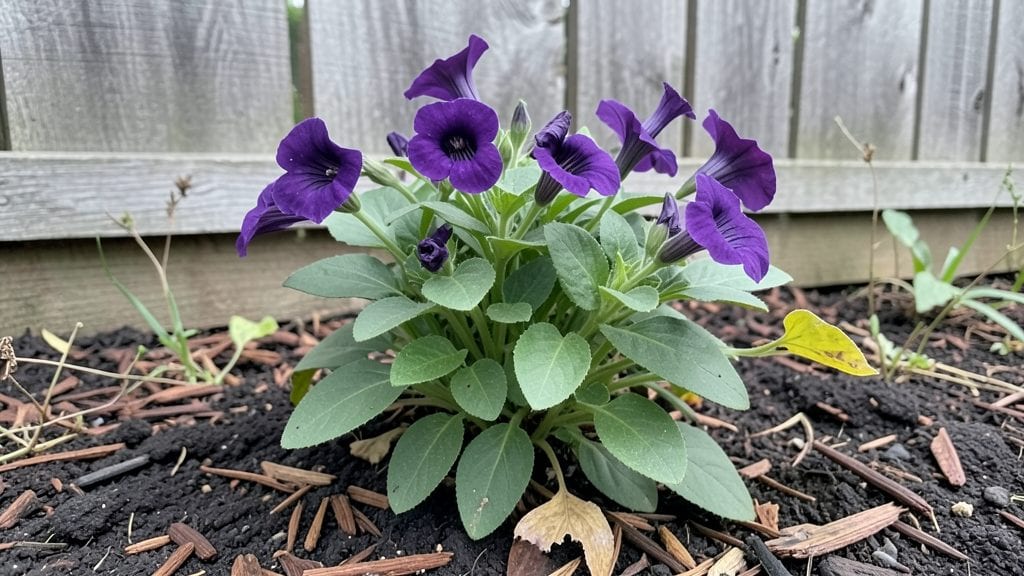
Shade-loving summer flowers bring vibrant life to spots where sun struggles. 🌿 The secret is choosing plants that thrive in dappled light or deep shade—like impatiens with their glossy leaves and nonstop blooms or hostas with their bold foliage patterns.
These aren't just survivors; they're showstoppers that transform dark corners into lush, colorful retreats.
Most need moderate to low light and consistently moist soil, but not soggy. Impatiens and ferns love humidity, while hostas and astilbes tolerate drier shade. Pair them with heucheras for texture or coleus for pops of color—each brings something unique to the mix.
The key is balancing height, texture, and bloom time for year-round interest.
You'll end up with a garden that feels alive all summer—rich greens, jewel-toned blooms, and foliage that shimmers in the filtered light. Even tricky spots like north-facing yards or under trees become focal points.
These plants don't just survive shade; they thrive in it, proving that sun isn't the only ingredient for a stunning garden.
Works for borders, containers, or woodland-style plantings. The combinations are endless once you start mixing textures and colors. Let's bring that shade garden to life with confidence—no sun required.
📚 In This Guide
- What you need
- Instructions
- Tips and common mistakes
- Wrapping up and next steps
What you need
- ● Shade-tolerant flower seeds or plants: Impatiens (10-20 plants or 50+ seeds)
- ● Fuchsias (5-10 plants or 20+ seeds)
- ● Begonias (8-12 plants or 30+ seeds)
- ● Coleus (6-8 plants or 25+ seeds)
- ● Heuchera (5-7 plants)
- ● Astilbe (3-5 plants)
- ● Well-draining potting soil: 2-3 bags (10-15 cubic feet total) for containers or garden beds.
- ● Containers or garden bed: Containers: 5-10 hanging baskets (10-12" diameter) or 3-5 large pots (12"+ diameter) with drainage holes.
- ● Garden beds: Partial to full shade area (4’x4’ minimum for a small garden).
- ● Organic fertilizer: Balanced (10-10-10) or slow-release (14-14-14) for planting, plus a liquid feed (like fish emulsion) for mid-summer.
- ● Watering can or hose with a gentle spray nozzle: 1-2 gallons capacity for consistent moisture.
- ○ Mulch (optional but recommended): 1-2 bags of shredded bark or pine needles to retain moisture.
- ● Gardening gloves (1 pair) for protection.
- ● Trowel or small shovel for planting in garden beds.
- ● Pruning shears (1 pair) for trimming dead or overgrown foliage.
- ○ pH testing kit (optional): To ensure soil pH is between 5.5-6.5 (ideal for most shade plants).
- ○ Sun/shade meter (optional): To confirm your space gets 2-6 hours of filtered light daily.
- ● 🌡️ Test soil moisture before watering—shade plants prefer consistently moist (not soggy!) soil.
- ● ✨ Group plants by water needs: Impatiens and fuchsias love humidity; coleus and heuchera tolerate drier conditions.
- ● 🎯 Rotate containers occasionally to ensure even light exposure.
Step-by-Step guide for planting a stunning shade garden
Here's how I create vibrant summer shade displays that never disappoint—using the right plants and proper placement.
🌱 Step 1: Select the Perfect Shade-Loving Flower Varieties
Choose plants that thrive in partial to full shade (2-6 hours of filtered light daily). My go-to shade performers include impatiens (for cascading color), begonias (for glossy foliage and blooms), coleus (for striking foliage), fuchsias (for elegant pendulous flowers), and astilbes (for feathery plumes). These varieties handle low light beautifully while delivering bold summer colors.
For deep shade (under trees or north-facing walls), focus on heucheras (for their stunning foliage) and hostas (for lush, textured leaves). In partial shade (morning sun with afternoon shade), hydrangeas and foxgloves shine. I always mix heights—tall astilbes in back, mid-height impatiens in the middle, and trailing coleus at the front—for a layered, dimensional look.
🪴 Step 2: Prepare the Soil and Planting Sites
Shade gardens need rich, well-draining soil with plenty of organic matter. Amend your existing soil with 2-3 inches of compost and a handful of slow-release fertilizer (like 10-10-10) per planting hole. Shade plants often struggle in compacted or clay-heavy soil, so I always loosen the soil to a depth of 12 inches with a garden fork before planting.
Dig holes twice as wide as the root ball but only as deep as the container. This encourages roots to spread outward instead of settling too deeply. If planting in containers, use a lightweight potting mix blended with perlite for extra drainage. Water the soil deeply before planting to help roots establish contact with moisture immediately.
☀️ Step 3: Arrange Plants for Maximum Impact and Light Balance
Place taller plants at the back or center of the bed, with shorter varieties in front. I group plants by light needs—full-shade lovers (like heucheras) get the darkest spots, while partial-shade varieties (like hydrangeas) go where they’ll catch a few hours of morning sun. Watch for dappled light patterns—some spots may get more sun than others, so adjust accordingly.
Space plants based on their mature size: impatiens need 6-12 inches apart, while astilbes should have 18-24 inches between them. Overcrowding leads to poor airflow and fungal issues. After planting, water deeply to eliminate air pockets and help roots settle. Mulch with 2-3 inches of shredded bark to retain moisture and suppress weeds—critical in shade gardens where grass struggles to grow.
💧 Step 4: Water and Maintain for Continuous Blooms
Shade plants often have shallower root systems, so they dry out faster than sun-loving varieties. Water deeply 2-3 times per week (or daily in extreme heat) until the top 2 inches of soil feel moist. Avoid overhead watering in the evening—this encourages fungal diseases like powdery mildew. Instead, use a soaker hose or water at the base early in the morning.
Fertilize every 4-6 weeks with a balanced liquid fertilizer (like fish emulsion) to keep blooms vibrant. Deadhead spent flowers on impatiens, begonias, and fuchsias to encourage more blooms. In late summer, reduce watering slightly to harden off plants for fall. If leaves yellow or plants look leggy, they’re likely getting too much indirect light—move them deeper into shade.
✂️ Step 5: Prune and Refresh for Next Season
In early fall, cut back annuals (like impatiens and begonias) to the ground and compost them. For perennials (like hostas and heucheras), trim back dead foliage but leave dormant stems intact—they protect crowns over winter. Divide overcrowded perennials every 3-4 years in early spring to rejuvenate growth.
Add a fresh layer of mulch (2-3 inches) in late fall to insulate roots during winter. I also mark planting locations with stakes or garden flags so I don’t accidentally disturb roots when prepping the bed in spring. With proper care, your shade garden will return year after year with bold, reliable color—no sun required.
Tips & tricks for perfect shade-loving summer flower displays
Creating a thriving shade garden takes more than just planting flowers—it's about understanding their unique needs and maximizing their potential in low-light conditions.
Light Mapping is Key: Before planting, observe your shade patterns throughout the day. North-facing areas receive the least light, while east-facing spots get morning sun. I always test light exposure for 2-6 hours using a simple white board—place it in different spots for a week to track sunlight patterns. This helps me place sun-sensitive impatiens in slightly brighter areas and heucheras in deeper shade.
Soil Science Matters: The 12-inch deep soil preparation in Step 2 isn't just about loosening—it's about creating an oxygen-rich environment. I mix in 2-3 inches of compost and a handful of 10-10-10 fertilizer per hole because shade plants can't photosynthesize as efficiently. For clay-heavy soils, add sand or perlite to improve drainage, which is critical since these plants can't handle soggy roots.
Strategic Layering: When arranging your plants, think vertically as much as horizontally. The 18-24 inch spacing for astilbes in the back creates a natural framework, while 6-12 inch spacing for impatiens in front prevents overcrowding. I always plant coleus at the edges where they can spill over containers or garden borders, adding movement without competing for light.
Watering Wisdom: The 2-3 times weekly watering guideline is just a starting point—adjust based on your soil type. I test moisture by sticking my finger 2 inches deep into the soil. Sandy soils dry faster and need more frequent watering, while clay soils stay moist longer. Early morning watering prevents fungal issues, and using a soaker hose delivers water directly to roots where it's needed most.
Pro Tips for Shade Loving Summer Flowers
- Creating a thriving shade garden takes more than just planting flowers—it's about understanding their unique needs and maximizing their potential in low-light conditions.
- Light Mapping is Key: Before planting, observe your shade patterns throughout the day.
- Soil Science Matters: The 12-inch deep soil preparation in Step 2 isn't just about loosening—it's about creating an oxygen-rich environment.
Frequently asked questions
Got questions about shade-loving summer flowers?
You’re not alone! Here are answers to the most common queries to help you grow a vibrant, sun-free garden with confidence.
What are the best shade-tolerant flowers for hot summer months?
Top picks include impatiens (for bright bursts of color), coleus (for bold foliage), begonias (for delicate blooms), and fuchsias (for cascading charm). Heuchera and hostas add texture with minimal sunlight. Pair them with astilbe for feathery plumes!
How long does it take for shade flowers to bloom after planting?
Most shade-loving annuals (like impatiens or begonias) bloom in 4–6 weeks with proper care. Perennials (e.g., hostas or astilbe) may take 2–3 years to reach full flowering potential. Patience pays off—consistent moisture and rich soil speed up the process!
Do shade flowers need less water than sun-loving plants?
Not necessarily! Shade gardens can stay moist longer, but they still need regular watering—especially in summer heat. Water deeply 2–3 times per week (or daily in extreme heat) to prevent wilting. Mulch helps retain moisture and keeps roots cool.
Can I grow shade flowers in containers? Which ones work best?
Containers are perfect for shade lovers. Try bromeliads (for tropical flair), calatheas (for patterned leaves), or trailing lobelias (for hanging baskets). Use well-draining soil and ensure pots have drainage holes to avoid root rot.
What pests or diseases should I watch for in shade gardens?
Shady spots attract slugs (they love tender foliage!) and fungal issues (like powdery mildew) due to humidity. Use copper barriers or beer traps for slugs, and space plants for airflow to reduce disease. Avoid overhead watering to keep leaves dry.
What can I plant if my shade is very deep (e.g., under trees)?
For low-light conditions, opt for ferns (like maidenhair fern), heuchera (for colorful leaves), or Japanese painted ferns. Even some bulbs (like lycoris) thrive in dappled shade. Test your light levels—morning sun + afternoon shade is ideal for most flowers!
Wrapping up and next steps
Transforming your shady spots into vibrant summer havens is easier—and more rewarding—than you think! 🌿 With the right shade-loving flowers, you can enjoy bold colors, lush textures, and effortless beauty without direct sunlight.
Whether you’re a seasoned gardener or just starting out, these plants prove that shade doesn’t mean sacrificing style.
Ready to dive in? Start small—pick one or two favorites from your list, gather your supplies, and get planting! Before you know it, your garden will be buzzing with life (and maybe even a few friendly pollinators). Happy gardening! 🌸