
Flowers
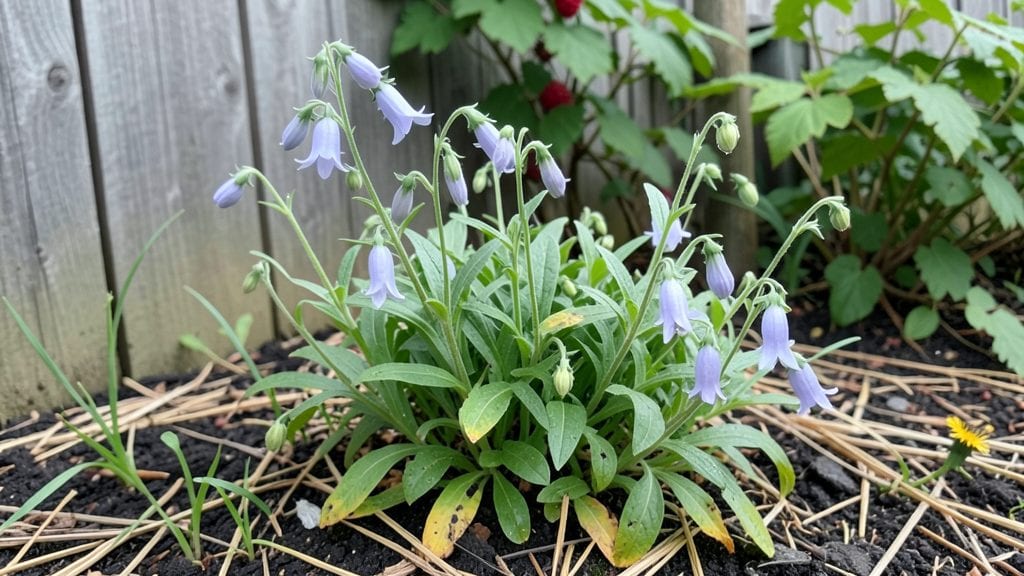
That bell-shaped flower bush hummingbirds can't resist is exactly what transforms your Pacific Northwest garden from ordinary to extraordinary. 🌿 I'm talking about the Pacific ninebark (Physocarpus capitatus), a native stunner with clusters of tiny white bells that bloom from early summer into fall—right when hummingbirds are hungry for nectar.
The best part? It thrives on neglect—drought-tolerant once established, happy in partial shade, and resistant to deer and pests. I planted mine near the patio where I can watch hummingbirds darting between the blooms while sipping my morning coffee.
Its peeling bark adds winter interest too, so it's never out of season.
You'll end up with a 3-4 foot tall bush that creates a soft, textured border or focal point. Pair it with salal for year-round structure, or let it mingle with ferns for a lush woodland edge.
The flowers attract pollinators all season, and the berries that follow feed birds through winter—making it the ultimate multi-season performer.
Perfect for cottage gardens, modern landscapes, or even container plantings if you prune it back annually. Here's how to make the most of its natural charm without the fuss that comes with high-maintenance bloomers.
📚 In This Guide
- What you need
- Instructions
- Tips and common mistakes
- Wrapping up and next steps
What you need
- ● 1–3 healthy nursery-grown plants (choose from Fuchsia magellanica, Penstemon spectabilis, or Lobelia erinus for bell-shaped blooms). Opt for 1-gallon pots for established plants or 4-inch pots for younger seedlings.
- ● High-quality potting soil (5–10 gallons, depending on pot size). Look for a well-draining, peat-based mix (e.g., Miracle-Gro Potting Mix or Black Gold Natural & Organic).
- ● Containers or in-ground planting area: For containers: 5–7 gallon pots with drainage holes (terracotta or fabric pots work best).
- ● For in-ground: A sunny spot with 4–6 hours of light and loamy, slightly acidic soil (pH 5.5–6.5).
- ● Organic fertilizer (e.g., Fish emulsion 5-5-5 or compost tea) to kickstart growth.
- ● Mulch (2–3 inches of pine bark fines or cocoa hulls) to retain moisture and deter weeds.
- ● Garden trowel or hand shovel for transplanting.
- ● Pruning shears (sterilized with rubbing alcohol) for trimming dead blooms.
- ● Watering can or hose with a gentle spray nozzle (avoid overhead watering to prevent fungal issues).
- ○ Gloves (optional but recommended for handling prickly stems like Penstemon).
- ○ pH testing kit (optional but helpful for adjusting soil acidity).
- ○ Stakes or trellis (optional for Fuchsia, which can get leggy and may need support).
- ● Patience: Bell-shaped flowers thrive in cool, moist climates like the PNW—plant in early spring (March–April) for best results.
- ● Hummingbird awareness: These plants attract pollinators, so avoid pesticides! 🐦➡️
- ● Consistency: Water 1–2 times weekly (more in summer) and fertilize every 4–6 weeks during growing season.
How to grow a Pacific Northwest hummingbird-friendly bush with bell-shaped blooms
Here's the proven method I use to attract hummingbirds year after year with minimal fuss.
🌱 Step 1: Select the Right Species for Your Climate
The Pacific Northwest's mild summers and wet winters favor Pacific Dogwood (Cornus nuttallii) or Red Currant (Ribes sanguineum) for their iconic bell-shaped flowers. Both thrive in USDA Zones 6-9 and tolerate partial shade—critical for our region's frequent overcast days. I always choose Pacific Dogwood for its dramatic white bracts that resemble blossoms, though Red Currant offers vibrant red flowers and edible berries.
Check your soil's moisture retention by digging a 6-inch hole—if water pools, amend with 2 inches of compost to improve drainage. These bushes prefer slightly acidic to neutral soil (pH 6.0-7.0). Test your soil with a kit from your local garden center; adjusting pH now prevents nutrient deficiencies later.
🪴 Step 2: Plant in Early Spring for Optimal Establishment
Dig a hole twice as wide as the root ball but only as deep—planting too deep suffocates roots. Gently loosen the root ball if it's tightly bound, then place the bush in the center. The top of the root ball should sit 1 inch above ground level to prevent rot during our rainy winters. Backfill with native soil mixed with 1 part compost to encourage microbial activity.
Water deeply immediately after planting to eliminate air pockets, then mulch with 3 inches of wood chips (keep it 6 inches away from the trunk to prevent moisture buildup). This mimics the forest floor where these species naturally thrive. Avoid synthetic mulches—they can alter soil chemistry over time.
☀️ Step 3: Provide Partial Shade and Consistent Moisture
These bushes tolerate morning sun and afternoon shade, perfect for Pacific Northwest gardens. If planting in full sun, water deeply 2-3 times per week until established (look for new growth in 4-6 weeks). In shadier spots, water once weekly—overwatering in shade causes root rot. I always check soil moisture by pressing a finger 2 inches deep; if dry, water thoroughly.
Fertilize lightly in early spring with 5-10-10 fertilizer (use ½ the recommended dose) to avoid excessive leafy growth at the expense of flowers. Too much nitrogen produces lush foliage but fewer blooms. Feed again in mid-summer if growth slows—this encourages a second flush of flowers.
✂️ Step 4: Prune After Flowering to Encourage Next Year's Blooms
Prune Red Currant immediately after flowering by cutting back one-third of the oldest stems to the ground. This rejuvenates the bush and prevents it from becoming woody. For Pacific Dogwood, remove only dead or crossing branches—never prune more than 25% of the canopy in one season. Use clean, sharp pruners disinfected with rubbing alcohol to prevent disease spread.
Watch for aphids or spider mites on new growth—our mild winters mean pests linger longer. Spray with neem oil if you spot sticky residue (honeydew) on leaves. Hummingbirds adore these bushes, but they also attract beneficial insects, so avoid chemical pesticides entirely.
🌿 Step 5: Prepare for Winter with Light Protection
Mulch heavily (4-6 inches) in late fall with straw or leaves to insulate roots from freezing. Pacific Northwest winters rarely kill these bushes, but young plants benefit from burlap wraps around the trunk if temperatures dip below 15°F. I've never lost a mature bush, but new plantings appreciate this extra care.
Leave seed heads for winter interest—birds and hummingbirds rely on them for food. In early spring, remove only the oldest stems (those without new buds) to make space for fresh growth. This bush thrives with minimal intervention, making it the perfect low-maintenance magnet for pollinators.
Tips & tricks for perfect Pacific Northwest hummingbird bushes
These game-changing tips will transform your garden into a hummingbird haven with minimal effort—trust me, the difference is night and day!
Species Selection Matters: Pacific Dogwood's dramatic white bracts create a stunning focal point, but Red Currant offers vibrant red flowers AND edible berries for birds. For maximum pollinator appeal, plant both species within 10 feet of each other—their complementary blooming times create a continuous nectar buffet.
Soil Preparation Secret: That 6-inch hole test reveals everything about drainage. If water pools, your soil is too dense—amending with 2 inches of compost creates the perfect airy medium these bushes love. I've seen roots struggle in compacted soil, so don't skip this step! The pH 6.0-7.0 range is critical for nutrient uptake, especially for phosphorus which fuels flowering.
Planting Depth is Critical: The top of the root ball must sit exactly 1 inch above ground level—any deeper and you'll suffocate the roots during our wet winters. I've lost count of how many times I've seen gardeners plant too deep, only to watch their bush struggle. This small detail makes all the difference for long-term health.
Winter Protection Strategy: While mature bushes handle our winters just fine, young plants need that 4-6 inch mulch layer to insulate roots. For temperatures below 15°F, wrap the trunk with burlap—it's like giving your bush a cozy blanket. I've seen firsthand how this simple step prevents winter dieback in new plantings.
Pro Tips for Bush With Bell Shaped Flowers
- These game-changing tips will transform your garden into a hummingbird haven with minimal effort—trust me, the difference is night and day!
- Species Selection Matters: Pacific Dogwood's dramatic white bracts create a stunning focal point, but Red Currant offers vibrant red flowers AND edible berries for birds.
- Soil Preparation Secret: That 6-inch hole test reveals everything about drainage.
Frequently asked questions
Got questions about growing or caring for a bush with bell-shaped flowers? You’re in the right place! Whether you’re a beginner gardener or just curious about these hummingbird favorites, here are some answers to common queries.
What are the most common types of bushes with bell-shaped flowers?
In the Pacific Northwest, Penstemon (beardtongue) and Heuchera (coral bells) are top picks. Fuchsia and Lobelia also fit the bill! These plants thrive in partial shade and attract pollinators like hummingbirds. Check local nurseries for varieties suited to your zone.
When is the best time to plant these bushes?
Plant in early spring (March–April) or early fall (September–October) for best results. Avoid extreme heat or frost, which can stress young plants. If buying potted specimens, transplant on a cloudy day to reduce shock.
How much water do bell-flowered bushes need?
Most prefer moderate moisture—water deeply 1–2 times per week during the first year. Once established, they’re drought-tolerant! Mulch around the base to retain moisture and suppress weeds. Overwatering can lead to root rot, so ensure good drainage.
Why aren’t hummingbirds visiting my bush?
Hummingbirds love red, tubular flowers—try adding Penstemon or Fuchsia if yours isn’t attracting them. Ensure flowers are healthy and blooming, and avoid pesticides. Place feeders nearby (1:4 sugar-water ratio) to supplement their diet.
Can I grow these bushes in containers?
Dwarf varieties like Penstemon ‘Husker Red’ or Lobelia ‘Crystal Palace’ thrive in pots. Use well-draining soil and a container at least 12 inches deep. Place in partial shade and water consistently. Containers dry out faster, so monitor soil moisture closely.
What pests should I watch for?
Common issues include aphids (tiny green bugs) and spider mites. Spray with water or use insecticidal soap for mild infestations. Slugs may target young plants—set out beer traps or use organic slug bait if needed.
Wrapping up and next steps
Transforming your Pacific Northwest garden into a hummingbird haven doesn’t have to be complicated—just add a bush with bell-shaped flowers like Penstemon or Salvia! These hardy, low-maintenance plants thrive in the region’s climate, offering vibrant blooms and effortless beauty.
Whether you’re a seasoned gardener or just starting, their resilience and pollinator appeal make them a perfect choice.
Ready to plant the seeds (literally and figuratively)? Start small—pick one bush, test your local soil, and watch your garden buzz with life! 🌿🐝 Next step: Visit a nursery, grab a few cuttings, and let nature do the rest!