Companion Plants
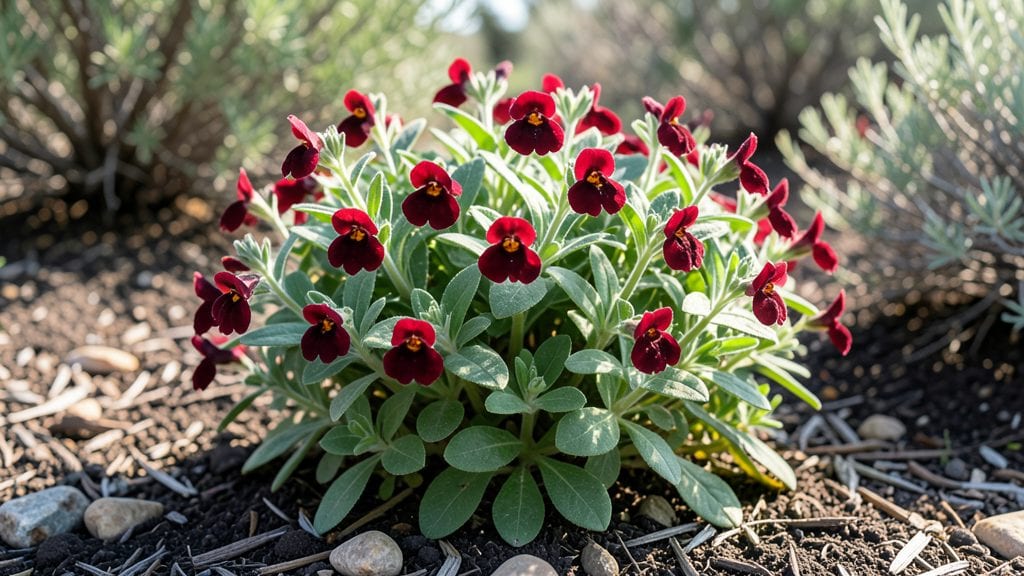
Pacific Northwest gardens buzz with life when you plant small red flowers that hummingbirds can't resist. 🌸 I've watched ruby-throated hummers dart between my penstemon and sage borders, their wings a blur of motion against the deep red blooms.
These tiny flowers aren't just pretty—they're the secret weapon for attracting pollinators while adding vibrant pops of color to borders, containers, and pollinator-friendly gardens.
The beauty of these plants lies in their versatility. Penstemon thrives in sunny spots with well-draining soil, while sage handles everything from full sun to partial shade. Both stay compact, making them perfect for edging pathways or spilling over container edges.
The key to their success? Plant them where hummingbirds can find them—near feeders or alongside other nectar-rich flowers like bee balm or columbine.
What you'll love most is how these plants transform your garden from spring through fall. The penstemon blooms from early summer until frost, while sage offers fragrant foliage year-round.
Pair them with silvery foliage plants like lamb's ear or artemisia to create textural contrast that makes the red flowers pop even more. Maintenance is minimal—just deadhead spent blooms to encourage more flowers and water occasionally once established.
For the Pacific Northwest's rainy climate, these plants are a game-changer. They handle moisture better than many tropical flowers while still delivering that hummingbird magnet appeal.
Whether you're designing a pollinator paradise or just want to add color to a shady corner, these small red flowers deliver big impact with minimal effort. Let's bring that buzz to your garden!
📚 In This Guide
- What you need
- Instructions
- Tips and common mistakes
- Wrapping up and next steps
What you need
- ● Plants: 1–3 Penstemon (Beardtongue) or Epilobium (Farewell-to-Spring) plants (native to the PNW and hummingbird magnets!)
- ○ Optional: 1–2 Sidalcea (Checkermallow) or Gaillardia (Blanket Flower) for extra color and pollinator appeal.
- ● Soil: 5–10 gallons of well-draining, native PNW soil mix (or potting soil amended with perlite/vermiculite for containers).
- ○ Optional: 1–2 cups of compost or worm castings for nutrient boost.
- ● Containers (if not planting in-ground): 1–3 5–7 gallon pots with drainage holes (terracotta or fabric grow bags work great!).
- ● Garden Tools: 1 trowel or hand shovel (for digging).
- ● 1 pruning shears (for trimming dead blooms or shaping plants).
- ○ Optional: 1 garden fork (if amending heavy clay soil).
- ● Watering Supplies: 1 watering can or hose with gentle spray nozzle (hummingbirds love misty blooms!).
- ○ Optional: 1 drip irrigation kit (for low-maintenance watering).
- ● Location: Full sun to partial shade (6+ hours of sunlight for best blooms).
- ● Sheltered spot (to protect from strong winds, especially for container plants).
How to grow a thriving hummingbird magnet: Pacific Northwest red-flowering favorite
Here's how to cultivate a standout plant that hummingbirds can't resist—beautiful, low-maintenance, and perfect for PNW gardens.
🌱 Step 1: Identify and Select Your Plant
For the Pacific Northwest, Salal (Gaultheria shallon) or Red Huckleberry (Vaccinium parvifolium) are top choices—both produce clusters of tiny red flowers that hummingbirds adore. Salal thrives in shady woodlands, while red huckleberry prefers partial sun. Check your site's light conditions before selecting: full shade to part sun for salal, part sun to light shade for huckleberry.
Buy established 1-gallon plants from a local PNW nursery for best results. Avoid seeds—these plants take years to flower. Look for healthy specimens with firm stems and glossy leaves. I always inspect the roots at the nursery; white, fibrous roots mean the plant is vigorous and ready to thrive in your garden.
☀️ Step 2: Prepare the Planting Site
These plants love acidic, well-draining soil—just like their native PNW forest homes. Test your soil pH first; aim for 4.5-6.0. If your soil is alkaline, amend with 1-2 inches of peat moss or composted pine needles mixed into the top 6 inches of soil. I like to spread a thin layer of sulfur granules and work it in to lower the pH gradually over a few weeks.
Dig a hole twice as wide as the root ball but only as deep. The top of the root ball should sit 1 inch above ground level—this prevents rot in our famously wet climate. Water the hole thoroughly before planting to settle the soil and remove air pockets. If your soil drains poorly, add a handful of perlite to the bottom of the hole for better aeration.
🪴 Step 3: Plant and Water for Establishment
Gently remove the plant from its container and loosen any circling roots with your fingers. Place it in the hole, backfilling with native soil mixed with a little compost. Press firmly around the edges to eliminate air gaps, but don't compact the soil—these plants need room for their roots to spread. Water deeply right after planting to help the soil settle.
For the first 2-3 weeks, keep the soil consistently moist but not soggy. You'll know it's right when the top inch feels damp to the touch. Mulch with 2-3 inches of wood chips or pine needles to retain moisture and mimic the forest floor. Avoid thick mulch layers—too much can smother the roots and prevent airflow.
✂️ Step 4: Maintain for Year-Round Hummingbird Visits
Once established, these plants are remarkably low-maintenance. Prune in early spring to remove any dead or damaged branches, and lightly shape the plant to encourage bushier growth. The red flowers appear in late spring to early summer, but the berries that follow provide food for birds through fall. I never prune heavily—these plants grow slowly and benefit from their natural, layered shape.
Fertilize lightly in early spring with a balanced, acidic fertilizer (10-10-10 or similar). Over-fertilizing leads to excessive leaf growth at the expense of flowers. Water during dry spells, but these plants are drought-tolerant once established. You'll see hummingbirds investigating by late spring—watch for their tiny, darting visits as they probe the flowers for nectar.
⏰ Step 5: Plan for Long-Term Growth and Spread
Both salal and red huckleberry spread slowly through underground runners, creating natural ground cover over time. Let them expand undisturbed for the first few years—they'll fill in beautifully without needing division. If you want to create a hummingbird-friendly hedge, plant 3-4 plants 3-4 feet apart in a row. They'll grow together over time, forming a dense, flowering barrier.
In the PNW's mild winters, these plants need no special protection. Their evergreen leaves provide year-round interest, and the structure they create offers shelter for birds and beneficial insects. By year three, you'll have a reliable hummingbird stopover—just sit back and enjoy the show from your garden bench.
Tips & tricks for perfect Pacific Northwest hummingbird plants
Creating an irresistible hummingbird garden in the Pacific Northwest takes a few strategic moves that make all the difference between a casual visitor and a reliable stopover.
Location Matters: The PNW's microclimates mean your success hinges on proper placement. For salal, choose the shadiest corner of your yard—these plants thrive where sunlight barely touches the forest floor. Red huckleberry needs slightly more light: position it where it gets morning sun and afternoon shade. I've seen salal in full shade produce flowers just as vibrantly as those in part sun, but huckleberry will reward you with more blooms when it gets that gentle morning light.
Soil Science: The acidity test is non-negotiable—these plants won't flourish in alkaline soil. If your soil pH tests higher than 6.0, don't just add sulfur all at once. Spread a thin layer (about 1/4 inch) over the planting area and water it in. The pH will drop gradually over several weeks, giving your plants time to adjust. I've had clients rush this process and end up with stressed plants that struggle to establish.
Planting Depth: That 1-inch elevation above ground level isn't just a suggestion—it's critical for preventing root rot in our famously wet climate. When you're planting, use a level to check the height of the root ball compared to the surrounding soil. Too deep, and you'll suffocate the roots; too shallow, and they'll dry out. Think of it like creating a tiny berm that keeps roots just above the water table.
Watering Wisdom: The "top inch damp" test is your best friend during establishment. Stick your finger about an inch into the soil—if it feels dry, water again. In our rainy climate, this might mean watering every other day during dry spells. I've seen gardeners overwater in the first weeks, thinking "more is better," only to create anaerobic conditions that stunt root growth. These plants want moisture, not soggy soil.
Pro Tips for Plant With Small Red Flowers
- Creating an irresistible hummingbird garden in the Pacific Northwest takes a few strategic moves that make all the difference between a casual visitor and a reliable stopover.
- Location Matters: The PNW's microclimates mean your success hinges on proper placement.
- Soil Science: The acidity test is non-negotiable—these plants won't flourish in alkaline soil.
Frequently asked questions
Got questions about growing and caring for plants with small red flowers—especially those that attract hummingbirds in the Pacific Northwest? Here are some of the most common queries answered for you!
What are the easiest small red-flowered plants for beginners?
Start with Penstemon (beardtongue) or Lupinus (lupine). Both thrive in PNW climates, require minimal fuss, and are hummingbird magnets. Salvia (sage) is another low-maintenance option with vibrant red blooms.
When is the best time to plant these flowers?
For most small red-flowered perennials, spring (March–May) or early fall (September–October) are ideal. This gives roots time to establish before winter. Avoid planting in hot summer months to reduce stress.
How do I keep hummingbirds visiting my garden?
Plant clusters of red flowers (like Epilobium or Fuchsia) near feeders for easy access. Avoid pesticides, as they harm hummingbirds. Native plants (e.g., Symphyotrichum) provide nectar and attract them reliably.
Do these plants need extra care during PNW rain?
Many, like Heuchera (coral bells) or Saxifraga, handle moisture well. Ensure well-draining soil to prevent root rot. Mulch around bases to protect roots and reduce fungal issues. Avoid overwatering—most prefer moderate dampness.
What can I plant if my red flowers aren’t blooming?
Check for sunlight (6+ hours/day) and balanced fertilizer (low nitrogen, high phosphorus). Deadhead spent blooms to encourage reblooming. If issues persist, try alternatives like red columbine (Aquilegia) or red currant (Ribes sanguineum)—both thrive in shade and attract pollinators.
Are any of these plants invasive in the PNW?
Stick to native species like Oenothera (evening primrose) or Castilleja (Indian paintbrush). Avoid non-native red flowers (e.g., Himalayan balsam), which can spread aggressively and disrupt local ecosystems.
Wrapping up and next steps
Adding a plant with small red flowers like Penstemon serrulatus to your garden is a fantastic way to attract hummingbirds while enhancing the Pacific Northwest’s natural beauty. 🌸 These hardy, low-maintenance plants thrive in diverse conditions, offering vibrant color and ecological benefits—perfect for both beginners and seasoned gardeners!
Ready to transform your space? Start by choosing a sunny spot, preparing the soil, and planting your new companion. Next, explore local nurseries or online seed shops to find varieties that suit your garden’s needs. Happy planting—your feathered friends will thank you! 🐦⬛✨