Flowers
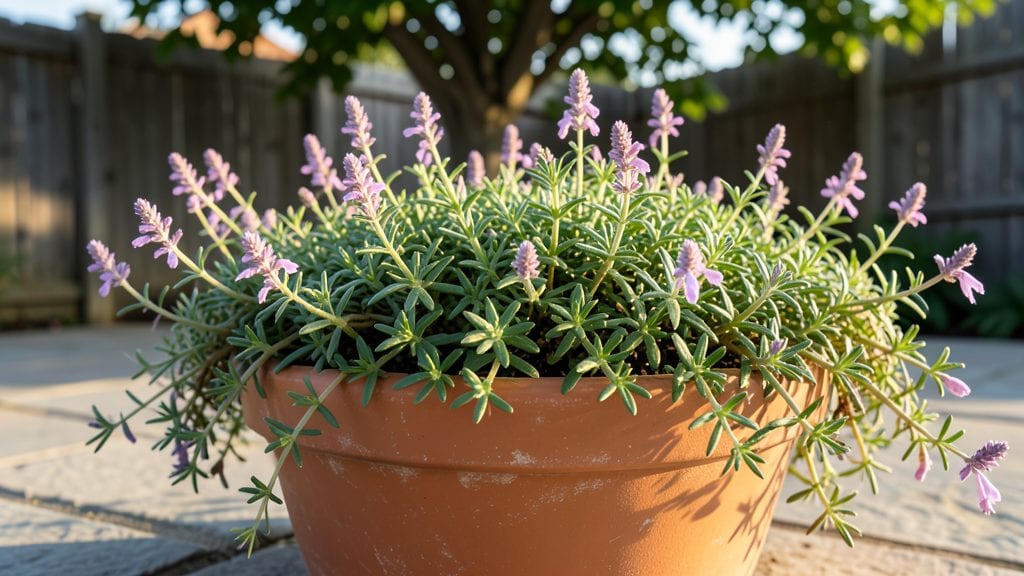
Transforming your Pacific Northwest garden into a buzzing pollinator paradise starts with wildflower ground cover—it’s the secret weapon for effortless beauty and ecological impact. 🌸 I’ve seen how these hardy plants turn dull patches into vibrant tapestries while requiring almost no upkeep, and they’re perfect for slopes, borders, or shady spots under trees.
The best part? You’ll attract bees, butterflies, and hummingbirds without lifting a finger after planting. Native species like checker mallow and yarrow thrive in our damp climate, spreading quickly to outcompete weeds while adding color from spring through fall. Plus, they’re drought-tolerant once established, making them ideal for busy gardeners.
Imagine stepping outside to find your garden alive with movement—wings fluttering, bees collecting nectar, and flowers swaying in the breeze. These ground covers create a lush, living carpet that stays green even when lawns brown out, all while improving soil health and reducing erosion.
Whether you’re working with a sunny meadow or a shady woodland edge, wildflower ground cover adapts beautifully. Let’s get you started with the right species and placement tips for your specific space—your garden’s new superpower awaits!
📚 In This Guide
- What you need
- Instructions
- Tips and common mistakes
- Wrapping up and next steps
What you need
- ● Wildflower seed mix: Choose a Pacific Northwest-specific blend (e.g., 1–2 lbs per 100 sq. ft.). Look for native species like Lupinus, Camassia, or Achillea.
- ● Soil: Well-draining, slightly sandy loam (amend heavy clay with compost or perlite to improve aeration).
- ○ Water source: Hose with a gentle spray nozzle or a drip irrigation system (optional but helpful).
- ● Garden rake: For leveling soil and breaking up clumps.
- ○ Broadcast spreader: (Optional) For even seed distribution—great for larger areas.
- ● Garden gloves: To keep hands clean and protect from prickly stems.
- ● Mulch (straw or wood chips): Light layer (¼ inch) to retain moisture and suppress weeds.
- ● Seedling trays: For starting seeds indoors (if planting in early spring).
- ● Organic fertilizer: Low-nitrogen blend (e.g., fish emulsion) to boost early growth.
- ● Bird netting: Temporary protection for newly sown seeds (if squirrels or birds are a concern).
- ● Wildflower companion plants: Low-growing perennials like Sedum or Heuchera to fill gaps.
Step-by-step instructions for creating a Pacific Northwest wildflower ground cover
Transform your yard into a buzzing pollinator haven with these easy, nature-inspired steps.
🌱 Step 1: Choose the Right Wildflower Mix for Your Site
Select a Pacific Northwest-specific wildflower blend that matches your sunlight conditions—full sun for lupine, penstemon, and yarrow, or partial shade for sword fern, salal, and woodland phlox. I always check the seed packet for native species since they require less water and thrive without fertilizers. For a 4-foot by 4-foot area, you'll need about 1 pound of seed mix—less than you think because wildflowers self-seed over time.
Here's the thing—avoid mixes with annuals like cosmos or zinnias. They'll bloom beautifully but won't establish a lasting ground cover. Instead, focus on perennial wildflowers like checker mallow, Oregon sunshine, and Pacific coast iris that spread naturally and return yearly. These plants also have deep roots that prevent erosion, which is a bonus in the PNW's rainy climate.
🪴 Step 2: Prepare the Soil for Optimal Germination
Clear the area of weeds and debris, then loosen the top 6 inches of soil with a broadfork or garden fork. Wildflowers hate compacted soil, so break up any clay layers by digging in compost—about 2 inches mixed into the topsoil. I like to add a thin layer of sand if my soil feels heavy, since the PNW often has dense, waterlogged clay.
Level the ground with a rake, creating a smooth surface for even seed distribution. Skip the tilling—it disrupts beneficial soil organisms and can bring weed seeds to the surface. If your soil tests acidic (common in the PNW), sprinkle wood ash lightly to raise the pH slightly—wildflowers prefer a pH between 6.0 and 7.0. Water the area thoroughly 24 hours before planting to settle the soil and create the perfect seedbed.
💧 Step 3: Sow Seeds at the Correct Depth and Spacing
Scatter the seeds evenly by hand—wildflowers need space to establish, so avoid overcrowding. For most PNW wildflower mixes, seeds should be no deeper than ¼ inch, since they need light to germinate. I like to mix the seeds with sand first to ensure even distribution, then sprinkle lightly over the prepared area. Press them into the soil gently with a board or your hands to ensure good seed-to-soil contact.
Cover the seeds with a thin layer of straw mulch (about ¼ inch) to protect them from wind and birds. Water lightly but consistently using a fine mist—never a strong stream, or you'll wash seeds away. Keep the soil moist but not soggy for the first 2-3 weeks, which is critical for germination. You'll see tiny sprouts within 7-14 days, depending on your microclimate and rainfall.
☀️ Step 4: Maintain Moisture and Light Conditions
After germination, reduce watering to once a week unless you experience a dry spell. Wildflowers in the PNW are adapted to moderate rainfall, so overwatering can cause rot. Let the soil dry slightly between waterings—top inch dry to the touch is your guide. Avoid wetting the foliage when you water, as this encourages fungal diseases like powdery mildew.
Once seedlings reach 2-3 inches tall, thin them to 6-12 inches apart, depending on the species. This ensures strong, healthy plants that won't compete for resources. I always snip the extra seedlings with scissors at soil level rather than pulling them, which disturbs the roots of the remaining plants. Mulch again with straw or wood chips to suppress weeds and retain moisture—2-3 inches is ideal.
✂️ Step 5: Encourage Spread and Long-Term Establishment
By the second year, your wildflower ground cover should start spreading naturally. Let the plants go to seed in the fall, then lightly rake or leave the seed heads to scatter naturally in early spring. This self-seeding process fills in gaps and creates a thicker, more resilient cover over time. If you notice bare spots, simply scatter a handful of seeds in those areas and water gently.
In the PNW, wildflowers thrive with minimal intervention—no fertilizers, no heavy pruning. Cut back dead foliage in early spring before new growth appears, and divide clumps every 3-4 years to keep them vigorous. Your ground cover will eventually suppress weeds naturally, reducing maintenance even further. Within 2-3 years, you'll have a low-maintenance, pollinator-friendly landscape that requires almost no effort to sustain.
Tips & tricks for perfect wildflower ground cover
Creating a thriving wildflower ground cover in the Pacific Northwest takes patience and attention to detail—but these pro tips will help you avoid common pitfalls and maximize your success.
Seed Selection Tip: When choosing your wildflower mix, look for blends that include at least 30% native grasses like Pacific coast iris or checker mallow. These tough perennials provide structure and prevent erosion while annuals like lupine and penstemon add seasonal color. I always verify the seed packet lists "self-seeding" varieties—this ensures your ground cover will naturally thicken over time without extra effort. The 1 pound of seed mix for a 4x4 area might seem sparse, but remember these tiny seeds multiply dramatically once established.
Soil Preparation Strategy: The 24-hour pre-watering before planting is non-negotiable—it helps settle the soil and creates ideal conditions for germination. For clay-heavy PNW soils, I recommend adding 1 part sand to 3 parts compost when loosening the top 6 inches. This improves drainage while maintaining moisture retention. Skip the tilling! It disrupts the soil's natural microbial communities that help seeds establish. Instead, use a broadfork to break up compaction gently.
Germination Success Secret: Those first 2-3 weeks of consistent moisture are critical for germination. I use a fine mist setting on my hose to keep seeds moist without disturbing them, aiming for soil that feels like a damp sponge. Place a small wooden board over the seeded area to prevent birds from snacking on your seeds—it's a simple but effective trick. If you notice condensation forming on the mulch, reduce watering slightly to avoid fungal issues. The ¼-inch depth is perfect because wildflower seeds need light to germinate, but they also need to stay in contact with the soil.
Long-Term Maintenance Hack: Once your wildflowers are established, let nature do most of the work. The 2-3 inch mulch layer you apply after thinning will suppress weeds naturally while retaining moisture. In the PNW's rainy climate, you'll rarely need to water after the initial establishment period—just let the natural rainfall do the work. I mark my calendar for early spring deadheading (removing spent blooms) to encourage continuous flowering throughout the season. This simple step prevents the plants from putting energy into seed production and extends your blooming window by several weeks.
Pro Tips for Wild Flower Ground Cover
- Creating a thriving wildflower ground cover in the Pacific Northwest takes patience and attention to detail—but these pro tips will help you avoid common pitfalls and maximize your success.
- Seed Selection Tip: When choosing your wildflower mix, look for blends that include at least 30% native grasses like Pacific coast iris or checker mallow.
- Soil Preparation Strategy: The 24-hour pre-watering before planting is non-negotiable—it helps settle the soil and creates ideal conditions for germination.
Frequently asked questions
Got questions about transforming your Pacific Northwest yard into a buzzing wildflower ground cover paradise? Here are some of the most common ones—and their answers!
What’s the best time to plant wildflower ground cover in the PNW?
The ideal window is late summer to early fall (August–September). This gives seeds time to establish roots before winter, while avoiding competition with spring-blooming weeds. For spring planting, aim for March–April—just don’t let the soil dry out!
Do wildflower ground covers need irrigation after planting?
Yes! Water daily for the first 2 weeks to keep soil moist (about 1 inch per week). After that, reduce to 2–3 times per week until roots take hold (3–4 weeks). Once established, wildflowers are drought-tolerant—but young plants need TLC. Pro tip: Use a soaker hose to avoid disturbing seedlings.
Will wildflower ground cover attract pests like bees or wasps?
Absolutely—but that’s a good thing! Native wildflowers support pollinators (bees, butterflies) and beneficial predators (ladybugs, lacewings) that reduce pests like aphids. Wasps? Most are harmless and help control garden pests. If stings are a concern, plant away from high-traffic areas and avoid species like yarrow or clover if sensitive.
Can I mix wildflower seeds with grass seed for a “lazy gardener” approach?
Not ideal! Grass outcompetes wildflowers for sunlight and nutrients. Instead, plant wildflowers in dedicated patches (e.g., slopes, borders) or use low-growing alternatives like creeping thyme or clover. For a hybrid look, try native grass mixes (e.g., Fescue) that blend with wildflowers—but expect slower establishment.
Why isn’t my wildflower ground cover growing? Troubleshooting tips.
| Issue | Likely Cause | Fix |
|---|---|---|
| No germination | Seeds too deep, dry soil, or old seeds | Lightly rake soil to expose seeds, water gently, and store seeds in a cool, dry place for future use. |
| Weeds taking over | Competition for sunlight/nutrients | Hand-pull weeds early or use mulch (straw, pine needles) to suppress them. |
| Sparse blooms | Over-fertilizing or poor soil | Test soil pH (PNW wildflowers prefer 6.0–7.0) and avoid synthetic fertilizers. |
Pro tip:
If birds eat seeds, try pre-germinated seed tapes or plant in less visible spots!
Wrapping up and next steps
Transforming your Pacific Northwest garden into a buzzing, low-maintenance paradise with wildflower ground cover is easier—and more rewarding—than you think! 🌸 These resilient plants not only reduce weeds and erosion but also support local pollinators while demanding minimal effort.
Whether you're a seasoned gardener or just starting out, every small step—like choosing the right seeds or preparing your soil—brings you closer to a vibrant, thriving landscape.
Ready to take the next step? Start small! Pick one sunny patch, gather your materials, and plant a few native wildflower seeds this weekend. Watch as your garden becomes a haven for bees, butterflies, and birds—all while you enjoy the beauty of nature’s hard work. Happy planting! 🌿✨