Flowers
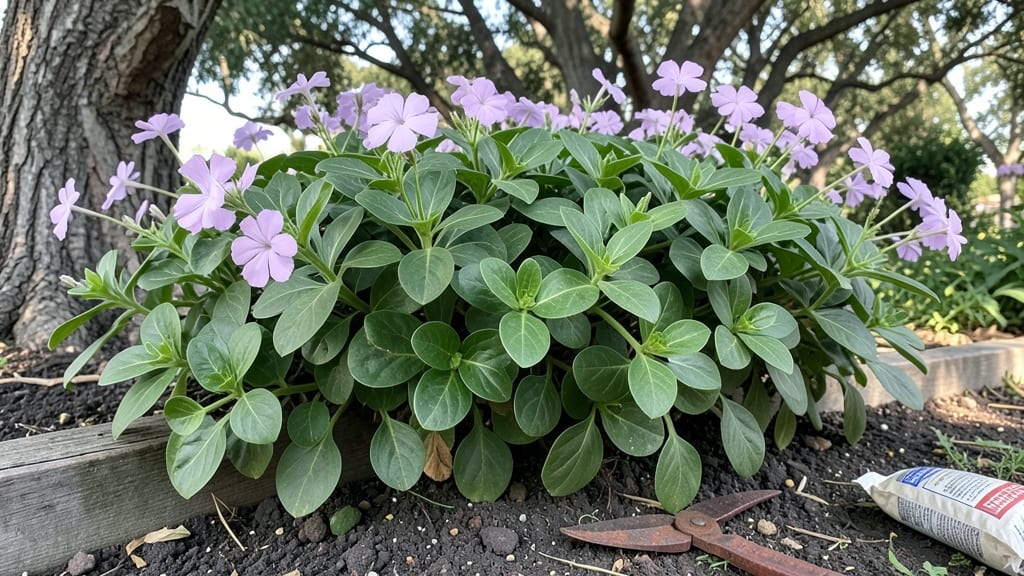
A vinca flower bed transforms Pacific Northwest gardens into lush, frost-proof canvases of color that refuse to quit—even when other plants retreat for winter. 🌿 I’ve designed vinca beds that stay vibrant from spring’s first thaw to late autumn’s crisp air, using bold purples, whites, and deep greens to anchor cottage-style charm or modern minimalism alike.
The magic lies in vinca’s tough-as-nails nature: it thrives in partial shade, shrugs off wet winters, and spreads effortlessly to fill gaps where other plants falter. Pair it with ferns for texture, heuchera for pops of color, or let it mingle with wildflowers for a naturalistic look.
My favorite modern twist? Planting vinca in tight geometric patterns with silver foliage for high-contrast drama.
You’ll end up with a low-maintenance masterpiece that blooms reliably, repels weeds, and keeps your garden looking intentional year-round. The best part? No dead zones or colorless winters—just a bed that works as hard as you do (or don’t, really). Let’s make yours stand out.
Works for borders, ground cover, or even as a bold focal point—adapt the color scheme to your style. Whether you’re revamping an old bed or starting fresh, vinca delivers without the fuss.
📚 In This Guide
- What you need
- Instructions
- Tips and common mistakes
- Wrapping up and next steps
What you need
- ○ Vinca plants: 9–12 plants per 10 sq. ft. (choose Vinca minor for hardiness or Catharanthus roseus for annual color). High-quality potting soil: 1–2 cubic yards (mix with compost for drainage). Mulch: 2–3 inches of shredded bark or pine needles (to retain moisture and insulate roots). Slow-release fertilizer: 10-10-10 or organic option (follow package rates for application). Pruning shears: Bypass pruners (for shaping and maintenance). 🛠️ Tools & Prerequisites Garden gloves: Heavy-duty (to protect hands from thorns or rough soil). Hand trowel or spade: For digging and transplanting. Garden hose or watering can: With a fine rose attachment (for gentle watering). Measuring tape: To plan spacing (keep vinca 6–12 inches apart). Optional: Edging tools (for clean borders). Rocks or decorative stones (for contrast or pathways). Drip irrigation kit (for low-maintenance watering).
Step-by-step instructions for planting a frost-resistant vinca flower bed
Here's how to create a low-maintenance, year-round blooming bed that thrives in the Pacific Northwest's cool climate.
🌱 Step 1: Prepare the Planting Area
Choose a location with 6 hours of sunlight daily—vinca handles partial shade but blooms best with morning sun. Clear the area of weeds and rocks, then mark your design with landscape paint or stakes. For a 4-person bed, aim for about 8-10 square feet of space, allowing 12-18 inches between plants for mature spread.
Loosen the soil to a depth of 12 inches using a garden fork or tiller. Vinca prefers well-draining soil, so if your soil feels heavy or compacted, mix in 2-3 inches of compost to improve texture. A simple scratch test—dig a small hole, add water, and watch how quickly it drains—will tell you if your soil is ready.
🪴 Step 2: Plant Vinca Correctly for Long-Term Success
Dig holes slightly larger than the root balls of your vinca plants—about twice as wide and deep as the container they came in. Gently remove each plant from its container and loosen the roots if they're circling or bound. Place each plant in its hole so the top of the root ball sits just below soil level—burying too deep can cause rot, while planting too high stresses the plant.
Fill the hole with soil, pressing lightly around the base to eliminate air pockets. Water each plant deeply right after planting to settle the soil and encourage root contact. You'll see a slight sink as the soil compacts—top off with a little more soil if needed. Space plants 12-18 inches apart for a full, lush look without overcrowding.
☀️ Step 3: Mulch and Water for Establishment
Spread a 2-3 inch layer of mulch around each plant, keeping it 2 inches away from the stems to prevent rot. Use shredded bark or pine needles—they retain moisture while allowing rain to penetrate. This layer protects roots from temperature swings, which is especially helpful in the Pacific Northwest's cool, damp winters.
Water thoroughly after planting, then maintain 1 inch of water weekly during the first growing season. Check soil moisture by pushing your finger 1 inch into the soil—if it feels dry, it's time to water. Avoid overhead watering, which can spread disease; instead, water at the base of the plant. You'll know your vinca is settling in when new growth appears within 3-4 weeks.
✂️ Step 4: Prune and Maintain for Continuous Blooms
Deadhead spent blooms regularly to encourage more flowers, but don't cut back more than ⅓ of the plant at once. In early spring, trim any leggy or woody stems to 6 inches from the ground to promote bushier growth. Vinca is tough—it tolerates light pruning year-round, but avoid heavy cuts in late summer, as new growth won't have time to harden off before winter.
Fertilize lightly in early spring with a balanced, slow-release fertilizer (10-10-10). Too much nitrogen makes vinca grow leaves instead of flowers, so follow package rates—usually about ½ pound per 100 square feet. In the Pacific Northwest, vinca rarely needs extra care; just watch for yellowing leaves, which can signal overwatering or poor drainage.
Tips & tricks for perfect frost-resistant vinca flower beds
Here's what I learned after planting vinca in my own Pacific Northwest garden—these tricks will help you avoid common pitfalls and create a stunning, low-maintenance bed.
The Sunlight Secret: While vinca tolerates partial shade, those 6 hours of sunlight daily are crucial for maximum blooms. If your bed only gets morning sun, position it where the sun hits the south or west side—this gives the plants the energy they need to thrive through our cool, damp winters. I've seen beds with afternoon shade still produce flowers, but they're noticeably less vibrant.
Soil Prep Pro Tip: That 12-inch soil depth you're loosening isn't just about roots—it's creating a moisture reservoir. In the Pacific Northwest's rainy climate, proper drainage is everything. If your soil feels heavy, mix in that 2-3 inches of compost but also consider adding perlite or coarse sand to improve drainage. I've had vinca plants rot in heavy clay soil before learning this trick.
Planting Depth Matters: When placing vinca in Step 2, think of the root ball like a pancake—it should sit just below soil level (about ½ inch down). Too deep and you risk rot; too high and the plant struggles. I use a small stick to mark the depth before planting, then double-check after backfilling. This simple step makes all the difference in long-term plant health.
Mulch Like a Pro: That 2-3 inch mulch layer isn't just decoration—it's insulation. In our cool climate, mulch helps maintain soil temperature and retain moisture. I use cedar chips because they naturally repel pests, but any organic mulch works. Just remember to keep it 2 inches away from stems to prevent rot. This winter protection is what lets vinca survive our frosty Pacific Northwest winters.
Pro Tips for Vinca Flower Bed
- Here's what I learned after planting vinca in my own Pacific Northwest garden—these tricks will help you avoid common...
- The Sunlight Secret: While vinca tolerates partial shade, those 6 hours of sunlight daily are crucial for maximum blo...
- Soil Prep Pro Tip: That 12-inch soil depth you're loosening isn't just about roots—it's creating a moisture reservoir...
Frequently asked questions
Can vinca survive the PNW’s wet winters?
Vinca (like Vinca major or Vinca minor) is frost-resistant and thrives in the PNW’s mild, wet climate. Its evergreen foliage stays lush even in winter, and it handles USDA Zones 4-9. Just ensure well-draining soil to prevent root rot from heavy rains.
How long does it take for vinca to spread and fill a flower bed?
Vinca spreads moderately fast—expect noticeable growth within 1-2 years. For quicker coverage, plant 3-4 inches apart and mulch to retain moisture. In ideal conditions, it can fill a 4’x4’ bed in 3-4 years with minimal effort.
What’s a good alternative if I want more color variety?
Pair vinca with PNW-friendly perennials like heuchera (for foliage), lamium (for purple blooms), or saxifraga (for spring color). For year-round interest, add Hellebore (winter blooms) or Sedum (drought tolerance). Vinca’s low-growing habit makes it a perfect ground cover under trees or shrubs.
Are vinca plants prone to pests or diseases?
Vinca is pest-resistant, but watch for aphids (spray with soapy water) or slugs (use beer traps or diatomaceous earth). Overwatering can cause root rot, so prioritize well-draining soil. Yellowing leaves? Check for overcrowding or nutrient deficiency—a balanced fertilizer in spring helps!
How do I prune vinca to keep it looking neat?
Prune lightly in early spring to shape the plant and remove dead stems. For bushier growth, trim back 1/3 of the plant after flowering. Avoid heavy pruning in fall—vinca’s evergreen leaves provide winter interest! Use clean, sharp shears to prevent disease.
Wrapping up and next steps
Creating a stunning vinca flower bed in the Pacific Northwest is easier than you think—thanks to their frost-resistant charm and year-round beauty! 🌸 With the right soil prep, spacing, and care, you’ll enjoy vibrant color from spring through winter.
Whether you’re a seasoned gardener or just starting out, this low-maintenance plant delivers big rewards with minimal effort.
Ready to transform your outdoor space? Grab your gardening gloves, pick your favorite vinca varieties, and get planting! Next up: Share your progress with fellow gardeners or explore more tips for keeping your vinca bed thriving all year. Happy gardening! 🌿