
Flowers
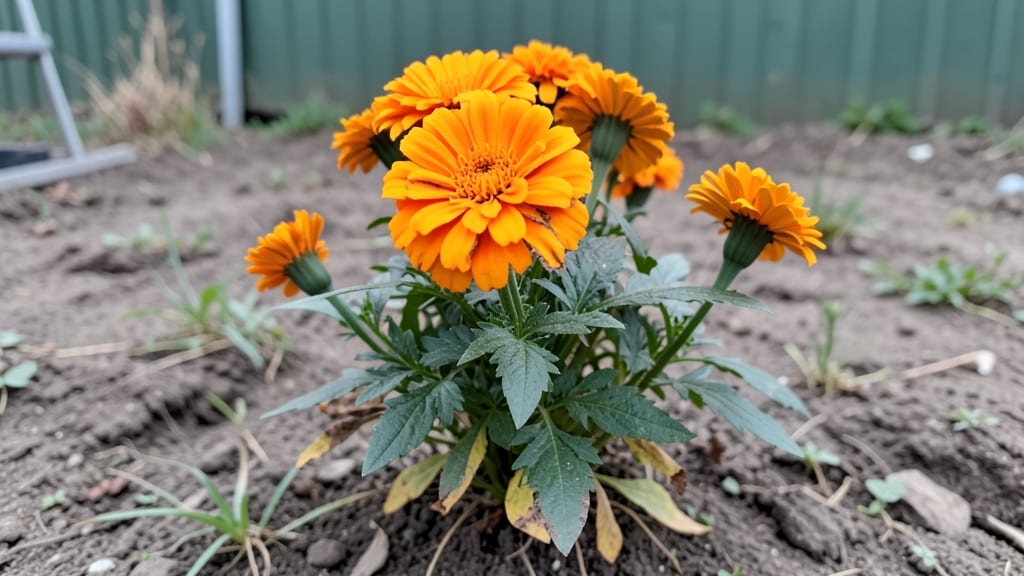
Growing the vibrant calendula orange flower from seed is like unlocking a sunburst in your garden—bright, cheerful, and impossible to resist. 🌻 I’ve grown them for years, and once you try the deadheading trick, you’ll never stop harvesting those golden-orange petals.
The secret isn’t complicated: it’s all about timing, sunlight, and a little patience to keep the blooms coming.
Calendulas thrive in full sun and well-draining soil, making them perfect for garden beds, containers, or even windowsills. They’re hardy enough to handle light frosts and will self-seed if you let them, giving you free plants next year.
Water consistently but avoid soggy soil—they’ll reward you with nonstop blooms from spring through fall, and sometimes even into winter in mild climates.
Once you get the hang of deadheading (snipping spent blooms to encourage new ones), you’ll have a never-ending supply of vibrant petals for salads, teas, or homemade calendula-infused oil.
The flowers stay fresh when dried too, so you can enjoy their sunny charm all year. Ready to grow your own? Let’s get started.
Whether you’re planting seeds directly in the ground or starting them indoors, calendulas are foolproof for beginners. They deter pests naturally and attract pollinators, making them a must-have for any garden. Plus, their edible petals add a pop of color and flavor to dishes—talk about a multi-purpose plant!
📚 In This Guide
- What you need
- Instructions
- Tips and common mistakes
- Wrapping up and next steps
What you need
- ● Calendula seeds – Choose Calendula officinalis (orange variety) or heirloom seeds for vibrant blooms. Quantity: 10-20 seeds (or a small packet for multiple plants).
- ● Well-draining potting mix – A blend of cactus/succulent mix (60%) and permeable compost (40%) works best. Quantity: 2-3 gallons per pot.
- ● Containers or garden bed – For pots: 6-8" diameter (1 plant per pot) or 12" for clusters.
- ● For garden beds: Full sun (6+ hours/day) with loose, fertile soil.
- ● Slow-release fertilizer – Look for a balanced 10-10-10 or organic option like fish emulsion. Quantity: 1 tbsp per plant.
- ● Watering can with a fine rose nozzle – Calendula hates soggy roots!
- ● Pruning shears – For deadheading spent blooms (critical for year-round flowers!).
- ○ Gloves – Protects hands from prickly stems (optional but helpful!).
- ● Mulch (straw or shredded bark) – Retains moisture and deters weeds. Quantity: 1-2 inches.
- ● Grow lights (LED, full-spectrum) – If growing indoors (12+ hours/day).
- ○ Compost tea or liquid seaweed – Boosts soil health (optional but recommended).
Step-by-step instructions for growing calendula orange flowers
Here’s how to cultivate vibrant orange calendula blooms that keep flowering all season long.
🌱 Step 1: Prepare the Soil and Plant Seeds
Calendula thrives in well-draining soil with a slightly acidic to neutral pH. Mix 2 parts potting soil with 1 part perlite or coarse sand to improve aeration—this prevents root rot, which is calendula’s biggest enemy. Fill your containers or garden beds to within 1 inch of the rim, leaving room for watering.
Scatter seeds ¼ inch deep, spacing them 12 inches apart if planting directly in the ground or 6 inches apart in containers. Water gently but thoroughly until the soil feels evenly moist—you should see moisture reach 2 inches down when checked with your finger. Don’t overwater; soggy soil discourages germination.
☀️ Step 2: Provide Light and Maintain Moisture
Calendula needs 6-8 hours of direct sunlight daily for strong blooms. Place seedlings in a south-facing window or under grow lights if indoors. If growing outdoors, choose a spot with morning sun and afternoon shade in hot climates to prevent wilting.
Water when the top inch of soil feels dry, typically 2-3 times per week in warm weather. Use a drip irrigation system or watering can with a fine rose to avoid disturbing seedlings. Yellowing leaves? That’s a sign of overwatering—calendula prefers slightly dry conditions between waterings.
✂️ Step 3: Deadhead and Encourage Continuous Blooms
The secret to year-round blooms is deadheading. As soon as flowers fade, pinch off the spent blooms with your fingers or clean pruners—this redirects energy to new flower production. I like to do this in the morning when flowers are still firm, making the task easier.
Trim back leggy stems to encourage bushier growth, but never cut more than ⅓ of the plant at once. Fertilize lightly every 4-6 weeks with a balanced organic fertilizer (like 10-10-10) to support vibrant blooms. Avoid heavy feeding—calendula prefers lean soil to prevent excess foliage over flowers.
🌿 Step 4: Harvest and Extend the Season
Harvest blooms in the morning after dew dries for the brightest color. Cut stems at a 45-degree angle just above a leaf node to encourage regrowth. Bundle stems with rubber bands and hang upside down in a dark, dry place for 2-3 days to dry—perfect for potpourri or homemade salves.
For fall and winter blooms, sow a second batch of seeds 8-10 weeks before your first frost. Calendula is cold-hardy to USDA Zone 8, but in colder regions, grow it as an annual. Mulch plants with 2 inches of straw in late fall to protect roots from freezing temperatures.
Tips & tricks for perfect calendula orange flower cultivation
A few simple strategies will help you coax vibrant, continuous blooms from your calendula plants all season long.
Soil Mix Matters: The 2:1 ratio of potting soil to perlite or sand is crucial for preventing root rot—the number one killer of calendula. I've learned the hard way that skipping this step leads to yellowing leaves and stunted growth. For containers, add a layer of small pebbles at the bottom to create extra drainage.
Light Strategy for Long Blooms: Those critical 6-8 hours of sunlight need to be consistent. If you're growing indoors, position your plants within 12 inches of a south-facing window or use grow lights on a timer for 12-14 hours daily. I've found that supplementing with artificial light in winter extends the blooming season dramatically.
Deadheading Technique: When you deadhead in the morning, you're not just removing spent blooms—you're signaling the plant to redirect its energy. I like to use clean fingernails instead of pruners for small flowers, as it gives me more control. The key is consistency: check your plants every morning and evening during peak bloom periods.
Season Extension Hack: For that second planting 8-10 weeks before frost, I recommend using biodegradable pots. You can plant them directly in the ground, which eliminates transplant shock and gives your fall blooms a head start. Just be sure to harden off seedlings for a week before planting outdoors.
Pro Tips for Calendula Orange Flower
- A few simple strategies will help you coax vibrant, continuous blooms from your calendula plants all season long.
- Soil Mix Matters: The 2:1 ratio of potting soil to perlite or sand is crucial for preventing root rot—the number one killer of calendula.
- Light Strategy for Long Blooms: Those critical 6-8 hours of sunlight need to be consistent.
Frequently asked questions
Got questions about growing calendula orange flower? You’re not alone! Here are some of the most common queries—plus quick, practical answers to help you nurture vibrant blooms year-round.
How often should I water calendula orange flowers?
Calendula thrives with moderate moisture—about 1 inch of water per week, either from rainfall or irrigation. Overwatering can drown roots, while underwatering causes wilting. Check soil moisture by sticking your finger 1-2 inches deep; water when dry. Mulch helps retain moisture and keeps roots cool.
When is the best time to plant calendula orange flowers?
For spring planting, sow seeds 2-3 weeks before your last frost date (typically March–April in most climates). Calendula is heat-tolerant, so you can also plant in late summer (August–September) for fall blooms. Direct sowing works best—calendula hates transplant shock!
Why aren’t my calendula flowers blooming? Troubleshooting tips!
If your orange calendula is producing mostly leaves, it’s likely due to:
- Lack of sunlight: Needs full sun (6+ hours/day)—move to a sunnier spot.
- Over-fertilizing: Too much nitrogen = leafy growth, not flowers. Use a low-nitrogen, balanced fertilizer or compost.
- No deadheading: Pinch off spent blooms to encourage continuous flowering.
- Cool temperatures: Calendula blooms best in warm weather (70–80°F).
Can I grow calendula orange flowers in containers?
Calendula is a fantastic container plant. Use pots at least 6–8 inches deep with drainage holes. A 5-gallon container can hold 3–4 plants. Mix in well-draining potting soil with compost, and place in full sun. Containers dry out faster, so monitor watering closely!
What’s a good alternative if calendula doesn’t thrive in my climate?
If your zone is too cold or humid for calendula, try these similar, low-maintenance flowers:
- Marigolds (drought-tolerant, pest-repellent)
- Zinnias (bright blooms, easy to deadhead)
- Nasturtiums (edible, fast-growing)
- Sunflowers (for bold, cheerful color)
All thrive in full sun and add year-round interest with the right variety!
Wrapping up and next steps
Growing calendula orange flowers is a rewarding journey that brings vibrant color and natural beauty to your garden—all year round! 🌼 With the right soil, sunlight, and a little deadheading magic, you’ll enjoy lush, continuous blooms that attract pollinators and lift your spirits.
Start small, experiment with companion plants, and soon, your garden will be a calendula paradise.
Ready to dive in? Pick a sunny spot, grab your seeds, and begin your growing adventure today! Whether you’re a seasoned gardener or just starting, every bloom is a step toward a brighter, greener space. Happy planting! 🌱