Flowers
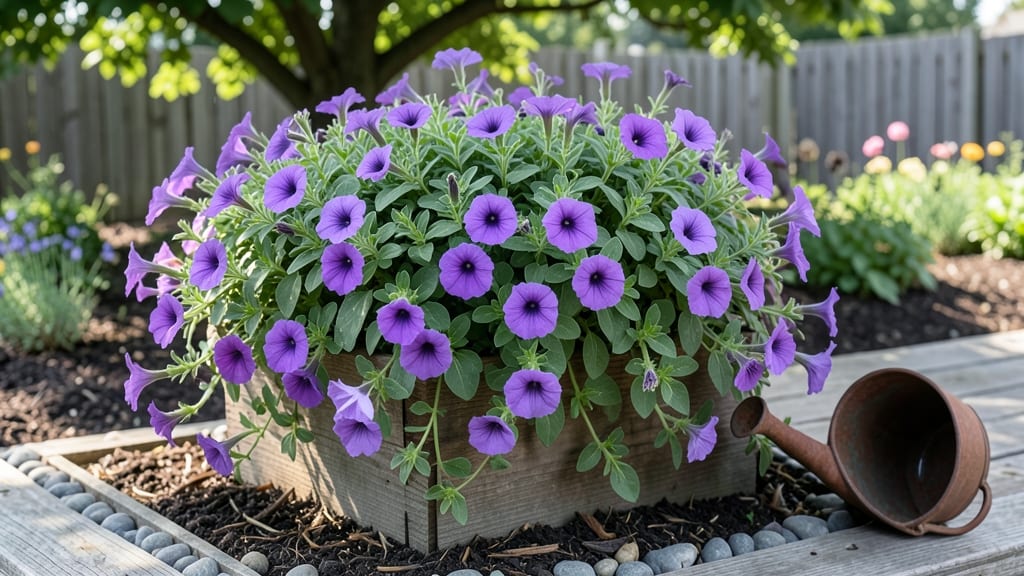
Small purple annual flowers transform any garden into a hummingbird haven with their vibrant, fragrant blooms that last all season. 🌿 I remember my first cottage garden where these delicate purple stars drew hummingbirds within days—it felt like magic.
The secret lies in pairing them with the right companions and placing them where their colors pop against greenery or other hues.
Think petunias spilling over containers, lobelias tucked into borders, or pansies scattered through rock gardens. These flowers thrive in full sun to partial shade, bloom from spring until frost, and pair beautifully with silver foliage plants or deep green shrubs.
A 5-gallon container of trailing petunias can create a cascading purple waterfall, while lobelias in hanging baskets add vertical interest.
Your garden will buzz with activity as hummingbirds hover over the blooms, while their sweet fragrance lingers in the evening air. The key is keeping them well-watered and deadheading spent flowers—this simple care routine extends their bloom time by weeks.
Mix heights and textures for a layered look that feels intentional yet effortless.
Work them into cottage-style borders, pollinator gardens, or even as edging along pathways. In containers, they create instant color pops on patios or balconies. The possibilities are endless once you start experimenting with these purple powerhouses—your garden will never look the same again.
📚 In This Guide
- What you need
- Instructions
- Tips and common mistakes
- Wrapping up and next steps
What you need
- ● Seeds: Annual purple flowers like Lobelia erinus (50+ seeds), Petunia (hybrid varieties, 100+ seeds), or Salvia microphylla (20+ seeds).
- ○ Optional: Pre-sprouted seedlings (check local nurseries for varieties like Cleome or Fuchsia).
- ● Growing Medium: Well-draining potting mix (5+ gallons) or garden soil amended with compost (at least 20% by volume).
- ○ Optional: Perlite or vermiculite (1 part per 4 parts soil) for extra aeration.
- ● Containers or Garden Space: Containers: 6+ inch pots (1 per plant) or hanging baskets (for trailing varieties like lobelia).
- ● Garden beds: Full sun to partial shade (6+ hours of sunlight daily).
- ● Hand trowel or small garden fork.
- ● Watering can or hose with a gentle spray nozzle.
- ● Fertilizer: Balanced liquid fertilizer (10-10-10 or 20-20-20, diluted to half-strength).
- ○ Optional: Hummingbird feeders (for extra attraction—place near flowers!).
- ● Mulch (straw or shredded bark) to retain moisture.
- ● Pruning shears (for deadheading spent blooms).
How to grow annual purple flowers that attract hummingbirds
Here's the foolproof way to create a vibrant, fragrant garden that hummingbirds can't resist.
🌱 Step 1: Choose the Right Purple Annuals for Your Climate
For hummingbird-friendly blooms, I always reach for cleome (spider flower), lobelia, or salvia—all thrive in full sun and produce clusters of tiny purple flowers. Check your USDA hardiness zone to match plants with your last frost date. Most annuals need to be planted 2-4 weeks after frost when soil warms to 60°F.
Start seeds indoors 6-8 weeks before transplanting if your growing season is short. I use biodegradable pots so I can plant directly without disturbing roots. For faster results, buy young plants from a nursery—just look for ones with healthy stems and no yellow leaves.
☀️ Step 2: Plant in Full Sun with Well-Draining Soil
Hummingbirds love bright, open spaces, so choose a spot that gets 6+ hours of direct sun daily. Amend your garden soil with compost to improve drainage—these flowers hate soggy roots. Dig a hole twice as wide as the plant's root ball but no deeper, then gently tease the roots apart before placing.
Space plants 10-12 inches apart for good airflow, which prevents fungal diseases. Water immediately after planting to settle the soil and remove any air pockets around the roots. You'll know it's right when the soil surface looks slightly damp but not glistening.
💧 Step 3: Water Deeply and Consistently
Keep the soil evenly moist but never waterlogged—these annuals need 1 inch of water weekly, more during heatwaves. Water at the base in the morning so leaves dry quickly, reducing mildew risk. I use a soaker hose to deliver water slowly and avoid disturbing the soil.
Once established, most purple annuals are drought-tolerant, but they flower best with consistent moisture. Watch for wilting—if leaves droop by midday, it's time to water. Mulch with 2 inches of shredded bark to retain moisture and keep roots cool.
✂️ Step 4: Deadhead and Fertilize for Long-Lasting Blooms
Pinch off spent flowers regularly to encourage more blooms—this is called deadheading. I do this every 2-3 days during peak bloom season. Use clean fingers or small pruners to snip just above a set of leaves. The plant will redirect energy to producing fresh flowers instead of seed pods.
Feed with a balanced liquid fertilizer (10-10-10) every 4-6 weeks to keep blooms vibrant. Too much fertilizer can reduce flowering, so follow package instructions carefully. Hummingbirds prefer nectar-rich flowers, so avoid heavy nitrogen—it promotes leafy growth over blooms.
🪴 Step 5: Extend the Season with Simple Care
To keep your purple annuals blooming until frost, remove any yellowing leaves and trim back leggy growth. Cut stems back by one-third to encourage bushier plants. I also add a layer of mulch in late summer to protect roots from temperature swings.
If your first frost is early, consider overwintering tender annuals like salvia by bringing pots indoors to a sunny window. Most others will self-seed, giving you a head start next spring. Watch for aphids—spray with water if you see them, or use neem oil for stubborn infestations.
Tips & tricks for perfect hummingbird-friendly purple annuals
Creating a hummingbird haven with these vibrant purple blooms is easier than you think—here are the secrets to keeping them thriving all season.
Soil Temperature Matters: The 60°F soil temperature mentioned in Step 1 is your magic number for successful planting. Use a soil thermometer to check—cold soil can stunt root growth. If your spring is chilly, consider using black plastic mulch a few days before planting to warm the soil faster. This is especially important for cleome and lobelia, which are sensitive to cold roots.
Deadheading Technique: When you're deadheading every 2-3 days in Step 4, focus on removing only the spent flowers—not the entire stem. Leave at least one set of leaves below the flower cluster so the plant can continue producing. I carry a small pair of pruners in my pocket during peak bloom season to make this quick and easy while I'm out watering.
Fertilizer Timing: The 4-6 week fertilizer schedule in Step 4 works perfectly, but here's the trick: apply your liquid fertilizer in the morning when the plants are dry. This prevents fertilizer burn, which can scorch leaves and stress your plants. Always water thoroughly after applying to help distribute nutrients evenly through the soil.
Pest Prevention: For those pesky aphids mentioned in Step 5, I've found that planting nasturtiums nearby acts as a natural deterrent. The strong scent confuses aphids and keeps them away from your purple annuals. You can also introduce ladybugs—they're natural aphid predators and will happily set up shop in your garden.
Pro Tips for Annual Small Purple Flowers
- Creating a hummingbird haven with these vibrant purple blooms is easier than you think—here are the secrets to keeping them thriving all season.
- Soil Temperature Matters: The 60°F soil temperature mentioned in Step 1 is your magic number for successful planting.
- Deadheading Technique: When you're deadheading every 2-3 days in Step 4, focus on removing only the spent flowers—not the entire stem.
Frequently asked questions
Got questions about those dazzling annual small purple flowers? You’re not alone!
Whether you’re a beginner gardener or a seasoned pro, these answers will help you grow a hummingbird-friendly bloomscape with ease.
When is the best time to plant annual small purple flowers for continuous blooms?
For most varieties like Lobelia, Petunia, or Salvia, plant seeds indoors 6–8 weeks before your last frost date or purchase transplants in early spring. If you live in warm climates, you can also plant in fall for winter blooms. Pro tip: Deadhead spent flowers regularly to encourage nonstop blooming!
Why aren’t hummingbirds visiting my small purple flowers?
Hummingbirds love tubular-shaped blooms, so ensure your flowers (like Fuchsia or Cleome) have long, narrow petals. Avoid pesticides, as they can repel pollinators. Place feeders nearby with a 1:4 sugar-water ratio (no dye!) to attract them faster. Bonus: Plant near other nectar-rich flowers for a buffet effect!
Can I grow these flowers in containers or small gardens?
Many annual purple flowers thrive in containers, like Petunias or Bacopa. Use well-draining soil and a pot at least 6–8 inches deep. For small spaces, opt for trailing varieties (e.g., Nasturtium) or dwarf types. Just ensure they get 4–6 hours of sunlight daily. Container hack: Mix in slow-release fertilizer for easier care!
How do I keep my small purple flowers blooming all season long?
Consistent watering (1 inch per week) and regular deadheading (removing faded blooms) are key. Feed with a balanced fertilizer every 4–6 weeks, and mulch to retain moisture. If blooms slow in heat, provide afternoon shade. Remember: Overcrowding reduces airflow—space plants 6–12 inches apart to prevent disease!
What are some low-maintenance alternatives to traditional small purple flowers?
If you want fragrant, hummingbird-friendly blooms with less fuss, try Lantana (drought-tolerant), Zinnia (self-cleaning), or Verbena (heat-resistant). These thrive in similar conditions but require minimal deadheading. Win-win: They’re also deer-resistant!
Wrapping up and next steps
From their hummingbird-attracting charm to their fragrant, long-lasting blooms, annual small purple flowers are a gardener’s dream! 🌸 Whether you’re drawn to their vibrant colors, low-maintenance care, or pollinator-friendly benefits, these beauties bring effortless joy to any space. Ready to transform your garden?
🌱 Your Next Step:
Start small—try a few varieties in pots or borders, then expand as you see what thrives. Grab seeds, pick a sunny spot, and let nature do the rest! Happy planting!