
Flowers
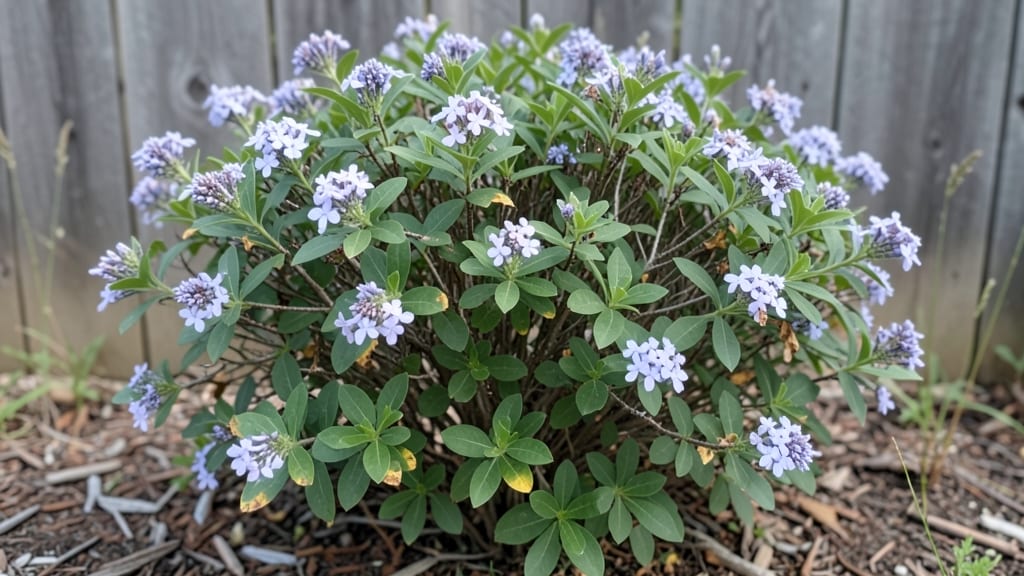
The California lilac flower thrives where others struggle—drought, poor soil, even occasional frost. I’ve grown these tough little shrubs for years, and they’ve never let me down, especially in my Pacific Northwest garden where winters test even the hardiest plants.
Their deep blue blooms and intoxicating fragrance make them worth every bit of effort, even if you’re new to gardening.
Here’s the thing—California lilacs don’t need fancy soil or constant watering. They love well-draining, slightly alkaline soil and full sun, but they’ll tolerate partial shade if you’re in a hotter climate. Water them deeply once a week after the first year, and they’ll reward you with blooms for years.
Pruning is simple: just shape them in late winter or early spring before new growth starts.
You’ll end up with a shrub that’s both beautiful and low-maintenance, attracting bees and hummingbirds while adding year-round interest to your garden. The best part? Once established, they’re nearly indestructible—drought-resistant, pest-resistant, and frost-tolerant enough for zones 7 through 10.
Even in my zone 8 garden, they bounce back after winter with minimal care.
If you’ve ever struggled with finicky perennials, this is your chance to grow something that actually thrives. Whether you’re in the Pacific Northwest or another dry climate, California lilacs are the perfect addition for a garden that’s as resilient as it is stunning. Let’s get them planted!
📚 In This Guide
- What you need
- Instructions
- Tips and common mistakes
- Wrapping up and next steps
What you need
- ● California lilac plants: 1–3 nursery-grown shrubs (mature size varies by variety; check tags for spacing needs—typically 3–6 feet apart).
- ● OR seeds (if starting from scratch; requires stratification—see tips below!).
- ● Well-draining soil: Amend heavy clay soil with 3–5 inches of compost or coarse sand (California lilacs hate soggy roots!).
- ● Organic mulch: 2–3 inches of wood chips or gravel (to retain moisture and suppress weeds).
- ● Slow-release fertilizer: 10-10-10 or a low-phosphorus option (e.g., 8-3-9) for acidic-loving varieties.
- ● Garden trowel or spade (for digging holes).
- ● Pruning shears (sterilized with rubbing alcohol).
- ● Garden hose or watering can (with a soaker hose attachment for deep watering).
- ● Gloves (to protect hands from thorns on some varieties).
- ○ Optional but helpful: Soil pH test kit (ideal range: 5.0–6.5; adjust with sulfur if needed).
- ● Drip irrigation system (for drought-prone areas).
- ● Stakes and twine (if supporting young or leggy plants).
- ● Sunlight: Full sun (6+ hours daily) for optimal blooms.
- ● Climate: Hardy in USDA Zones 7–10 (Pacific Northwest’s mild winters are perfect!).
- ● Watering: Deep watering 1–2 times per week (more in summer; less in winter).
- ● Pruning knowledge: Learn to prune in late winter/early spring to encourage bushier growth.
How to grow California lilac flowers in Pacific Northwest gardens
This fragrant, drought-tolerant beauty thrives in PNW climates with minimal fuss.
Choose the Right Location and Planting Time
California lilacs (Ceanothus) love full sun to partial shade, with at least 6 hours of direct sunlight daily. In the Pacific Northwest, plant in early spring (March-April) or early fall (September-October) to avoid summer heat stress. The PNW's mild winters mean no special frost protection is needed—these plants handle 10-15°F without issue.
Test your soil's drainage first. California lilacs despise soggy roots, so if your soil stays wet for more than 24 hours after rain, amend with 3-4 inches of gravel or coarse sand mixed into the top 12 inches of soil. You'll know the spot is right when the soil feels gritty and water drains within an hour.
Prepare the Soil and Plant Correctly
California lilacs thrive in well-draining, slightly acidic to neutral soil (pH 6.0-7.5). Mix 2 parts native soil with 1 part compost and 1 part coarse sand or perlite to improve drainage. Dig a hole twice as wide as the root ball but only as deep—planting too deep suffocates the roots.
Gently loosen the roots if they're circling in the container, then place the plant so the top of the root ball sits level with the surrounding soil. Backfill with your amended mix, tamping lightly to remove air pockets. Water deeply until moisture reaches 6 inches down—this helps roots establish quickly in the loose soil.
Water Deeply and Mulch for Retention
Water once a week for the first month, soaking to 8-12 inches deep each time. After that, reduce to every 2-3 weeks unless you're in a heatwave. California lilacs are drought-tolerant once established, but young plants need consistent moisture. You'll know it's enough when water runs out the drainage holes without pooling.
Apply 2-3 inches of organic mulch (like wood chips or bark) around the base, keeping it 3 inches away from the trunk. This conserves moisture, regulates soil temperature, and prevents weeds. Refresh the mulch annually—it breaks down faster in PNW's humid climate.
Prune for Shape and Health
Prune immediately after flowering (late spring to early summer) to shape the plant and encourage next year's blooms. Remove dead, crossing, or weak branches first, then trim back any leggy growth by one-third. Use clean, sharp pruners to avoid tearing the bark—California lilacs bleed sap if cut improperly.
Never prune in fall or winter, as new growth won't harden off before cold snaps. If your plant gets too large, you can renew it entirely by cutting back one-third of the oldest stems at ground level. This rejuvenates the plant and often produces more vigorous blooms the following year.
Fertilize Lightly and Monitor for Pests
California lilacs are light feeders—too much fertilizer leads to leafy growth at the expense of flowers. In early spring, apply a balanced, slow-release fertilizer (10-10-10) at half the recommended rate. Water thoroughly after applying to prevent root burn. Skip fertilizer in drought years—stressed plants bloom less, but they recover quickly once rain returns.
Watch for aphids or spider mites, which occasionally attack stressed plants. Spray with neem oil or a soapy water solution (1 tsp mild dish soap per quart of water) if you see sticky residue on leaves or fine webbing. Healthy plants rarely have pest issues, so focus on proper watering and drainage first.
Tips & tricks for perfect California lilac growth
Here's what I've learned after growing these resilient beauties for years in the PNW.
Location is Everything: In Step 1, pay special attention to that 6 hours of sunlight requirement. While they tolerate partial shade, full sun produces the most vibrant blooms. I've noticed the best spots are near south-facing walls where they get morning sun and afternoon shade during summer heatwaves. Also, avoid low-lying areas where cold air settles—those 10-15°F winters are no problem, but prolonged frost pockets can stress young plants.
Soil Test First: Before amending soil in Step 2, grab a simple soil test kit from your garden center. The pH 6.0-7.5 range is crucial—too acidic and you'll get poor blooming. If your soil tests high, mix in dolomitic lime according to package instructions. For drainage, I've found that adding coarse sand works better than gravel because it doesn't compact over time like small pebbles do.
Watering Wisdom: That once a week for the first month guideline in Step 3 is perfect, but here's the trick: water deeply in the morning so leaves dry quickly and prevent fungal issues. For established plants, the every 2-3 weeks schedule works well in our rainy climate, but if you're in a hotter microclimate, check soil moisture by sticking your finger 2 inches down—if it's dry, water again. The "water runs out drainage holes" test is foolproof for determining when to stop.
Pruning Pro Tip: When pruning in Step 4, make your cuts just above a leaf bud or side branch. This encourages new growth in the right direction. I've found that using sterilized pruners (wipe with rubbing alcohol between cuts) prevents spreading any potential diseases between branches. And that one-third trim for rejuvenation? It's amazing how much more vigorous the plant becomes after this drastic haircut—just time it right after flowering.
Pro Tips for California Lilac Flower
- Here's what I've learned after growing these resilient beauties for years in the PNW.
- Location is Everything: In Step 1, pay special attention to that 6 hours of sunlight requirement.
- Soil Test First: Before amending soil in Step 2, grab a simple soil test kit from your garden center.
Frequently asked questions
Got questions about growing California lilac flowers? You’re not alone! Here are answers to the most common queries to help you cultivate these fragrant, frost-resistant beauties with confidence.
When is the best time to plant California lilac?
Plant your Ceanothus in early spring or fall when soil temperatures are mild (50–70°F). Avoid summer heatwaves, which can stress young roots. Bare-root plants can be planted in late winter as long as the ground isn’t frozen.
How cold-hardy is California lilac?
Most varieties thrive in USDA Zones 7–10, with some (like Ceanothus ‘Concha’) tolerating brief dips to 10°F. Mulch heavily in winter to protect roots. Pro tip: Choose dwarf varieties for colder microclimates—they’re less vulnerable to frost damage.
How often should I water California lilac?
Water deeply but infrequently—about once a week in the first year to establish roots. Mature plants are drought-tolerant but appreciate 1–2 inches of water monthly during dry spells. Warning: Overwatering causes root rot, so ensure well-draining soil.
What’s a good alternative if my soil is too acidic?
California lilac prefers slightly alkaline to neutral soil (pH 6.0–7.5). If your soil is acidic (
Why aren’t my California lilac flowers blooming?
Blooms may skip a year if the plant is stressed, over-fertilized, or too young (they often bloom at 2–3 years old). Prune after flowering to encourage new growth, and avoid heavy nitrogen fertilizer—it promotes leaves over blooms. Try this: Prune 1/3 of old wood in late winter to stimulate fresh flowers.
Wrapping up and next steps
The California lilac flower is a stunning, low-maintenance perennial that brings fragrant beauty and resilience to Pacific Northwest gardens. With its frost-hardy nature and minimal care needs, it’s the perfect choice for both beginners and seasoned gardeners looking to add Ceanothus charm to their landscapes.
Whether you’re drawn to its vibrant blooms or its ability to thrive in diverse conditions, this plant is a true gem for any outdoor space!
Ready to plant your own California lilac? Start by gathering your supplies, choosing the right location, and following the steps outlined above. With a little patience and care, you’ll soon be rewarded with a fragrant, frost-resistant centerpiece that blooms year after year. Happy gardening! 🌸🌿