
Flowers
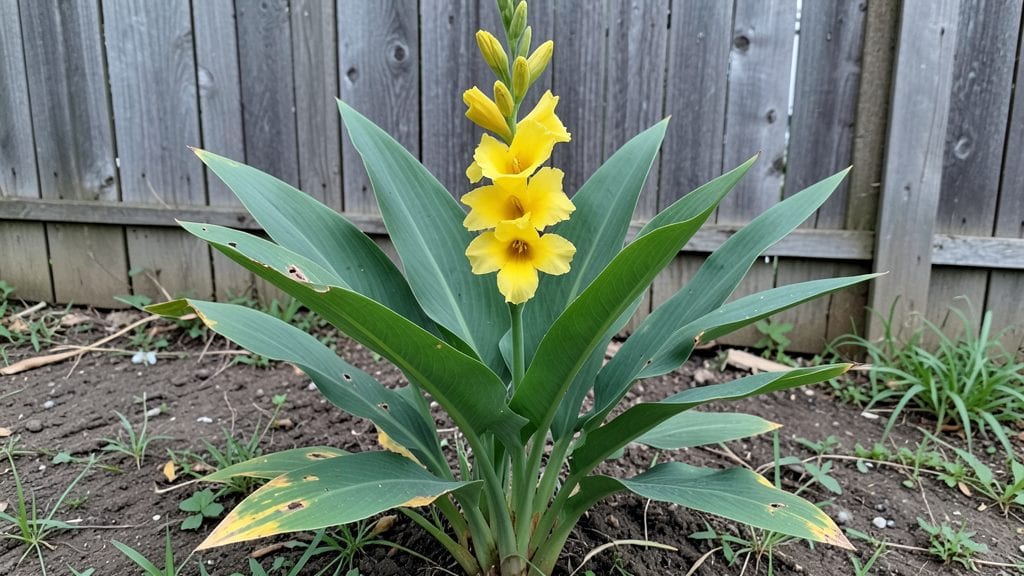
There’s nothing quite like the bold canna yellow flower lighting up a summer garden—especially when they thrive in Pacific Northwest heat. 🌿 I’ve grown them for years, and the secret to their vibrant blooms lies in matching their tropical roots. to our mild but damp summers.
The key isn't just the right soil or sunlight—it's understanding how they balance heat and moisture differently than other perennials.
These plants demand rich, well-draining soil (think compost mixed with peat moss) and at least 6 hours of direct sun daily, though they tolerate afternoon shade in hotter zones. Water consistently—never let them dry out completely—but avoid soggy roots.
With the right care, you'll see those striking yellow blooms appear by mid-summer, lasting through fall's first frost. The foliage alone adds drama, but the flowers? Pure showstoppers.
📚 In This Guide
- What you need
- Instructions
- Tips and common mistakes
- Wrapping up and next steps
What you need
- ● Canna Lily Tubers: 3–5 tubers (choose Canna ‘Striped’ or Canna ‘Yellow King Humbert’ for vibrant yellow blooms).
- ● Well-draining potting mix: 1–2 bags (50 lbs each) of a blend with perlite or compost (e.g., Miracle-Gro Potting Mix).
- ○ Garden soil (optional for in-ground planting): Amend with compost (1 part compost to 3 parts soil) for fertility.
- ● Large containers or garden bed: For containers: 5–7 gallon pots with drainage holes (1 pot per tuber).
- ● For in-ground: Full sun spot (6+ hours/day) with loose, moist soil.
- ● Organic fertilizer: Balanced 10-10-10 or slow-release granules (e.g., Osmocote).
- ● Mulch: Straw or shredded bark (2–3 inches) to retain moisture.
- ● Garden trowel or transplant spade.
- ● Watering can or hose with a gentle spray nozzle.
- ○ Gloves (optional, but helpful for handling tubers).
- ● Pruners (for trimming dead foliage later in the season).
- ○ Optional but helpful: Soil pH tester (ideal pH: 6.0–7.0).
- ● Drip irrigation system (for consistent moisture).
- ● Stakes or cages (if stems grow tall and need support).
- ● Timing: Plant tubers after the last frost (late spring in the PNW, ~May–June).
- ● Climate: Canna lilies thrive in USDA Zones 8–11 but can be grown as annuals in cooler PNW zones with protection.
- ● Water needs: Keep soil consistently moist (not soggy) during the growing season.
- ● Sunlight: Full sun (6+ hours/day) for optimal blooms.
Step-by-step instructions for growing canna lilies in your Pacific Northwest garden
Here's how to coax those dramatic yellow blooms into your space—even when summer heat arrives.
🌱 Step 1: Select and Prepare the Right Tubers
Start with healthy, firm canna tubers—avoid any that feel soft or show mold. I like to soak them for 12 hours in lukewarm water before planting. This jumpstarts root growth and helps them establish faster in our cooler Pacific Northwest springs. Look for tubers with multiple eyes (those little dimples where shoots emerge)—each eye can grow into a new plant.
Once soaked, let them dry slightly for 30 minutes so they don’t rot when planted. I always handle them gently; canna tubers bruise easily, and damaged spots invite disease. If you’re planting in late May or early June (after our last frost), you’ll have plenty of time for strong roots before summer heat arrives.
☀️ Step 2: Choose the Perfect Sun and Soil Spot
Cannas love full sun—at least 6 hours daily—but in the Pacific Northwest, afternoon shade helps prevent leaf scorch. I plant mine where they get morning sun and afternoon shade from nearby trees or structures. The soil should be rich, well-draining, and slightly acidic to neutral (pH 6.0-7.0). Amend heavy clay soil with 2-3 inches of compost to improve drainage.
Dig a hole twice as wide as the tuber but only 2-3 inches deep. Cannas hate being buried too deep—they’ll rot before they sprout. Place the tuber with the eyes facing upward (they’ll grow toward the light naturally). If you’re unsure which side is up, plant it sideways—it’ll still grow, just a little slower.
💧 Step 3: Water Deeply and Mulch to Retain Moisture
After planting, water deeply until the soil is 2-3 inches damp—but not soggy. Cannas prefer consistent moisture, especially in our dry Pacific Northwest summers. I water mine every 2-3 days during heatwaves, checking the soil with my finger. If the top 1 inch feels dry, it’s time to water again.
Spread 2-3 inches of mulch (like shredded bark or straw) around the base to lock in moisture and keep roots cool. Mulch also suppresses weeds, which compete for nutrients. Avoid piling mulch directly against the stems—leave a 2-inch gap to prevent rot. Once your cannas reach 12-18 inches tall, they’ll handle our summer heat like champions.
✂️ Step 4: Fertilize and Support for Bold Blooms
Feed your cannas every 4-6 weeks with a balanced, water-soluble fertilizer (like 10-10-10) once they’re actively growing. I mix it at half-strength to avoid burning the roots. Yellow canna lilies respond well to phosphorus—this is the nutrient that boosts those dramatic blooms. Stop fertilizing in late summer to let the plants focus on storing energy for next year.
As your cannas grow, they’ll need support—especially in windy Pacific Northwest summers. I stake mine with bamboo stakes or use tomato cages for extra stability. Tall varieties can reach 5-6 feet, so secure them before they topple. Deadhead spent blooms to encourage more flowers and keep the plant looking tidy.
⏰ Step 5: Overwinter Tubers for Next Year
When frost threatens (usually October in the PNW), cut the stems back to 2 inches above the soil. Dig up the tubers before hard frost hits—they won’t survive freezing. Shake off excess soil and let them dry for 1-2 days in a shady spot. Store them in a cool, dark place (like a garage) with slightly damp peat moss in a paper bag.
Check them monthly—if they shrivel or rot, discard them. Healthy tubers will sprout new eyes by spring. I label mine with the variety and year so I don’t forget which is which. With proper care, your yellow cannas will return year after year, bringing bold color to your garden.
Tips & tricks for perfect canna lily yellow flower growth
Here's what I've learned after years of growing these stunning yellow bloomers in our Pacific Northwest climate—tricks that'll help your cannas thrive even when summer heat arrives.
Soaking Secret: The 12-hour soak in lukewarm water is your secret weapon for jumpstarting root growth, especially in our cooler springs. I use a bucket of water with a splash of hydrogen peroxide (1 tablespoon per gallon) to prevent bacterial growth during this critical step. After soaking, I always pat the tubers completely dry with a paper towel before planting—they'll establish roots much faster this way.
Planting Depth Matters: Remember that 2-3 inch depth? Don't bury them deeper than this—cannas rot easily when planted too deep. I like to use a small shovel to create a shallow trench rather than a deep hole, then place the tuber with eyes facing up. If you're unsure which side is up, plant sideways—they'll still grow, just a little slower. The key is keeping those eyes exposed to light so they can sprout properly.
Watering Wisdom: Those 2-3 inches of damp soil are crucial, but don't drown them! I test moisture by sticking my finger about an inch deep—if it feels dry, that's your watering cue. In our Pacific Northwest summers, I water every 2-3 days during heatwaves, but always in the morning so leaves have time to dry before evening. This prevents fungal diseases that can ruin your plants before they even bloom.
Fertilizer Timing: The 4-6 week feeding schedule is perfect, but here's my pro tip: I always fertilize right after a deep watering. This prevents fertilizer burn while ensuring the nutrients get absorbed properly. When you stop fertilizing in late summer, I recommend adding a final dose of phosphorus-rich fertilizer (like bone meal) to boost next year's blooms. The phosphorus in that last feeding is what gives cannas their dramatic, show-stopping flowers.
Pro Tips for Canna Yellow Flower
- Here's what I've learned after years of growing these stunning yellow bloomers in our Pacific Northwest climate—tricks that'll help your cannas thrive even when summer heat arrives.
- Soaking Secret: The 12-hour soak in lukewarm water is your secret weapon for jumpstarting root growth, especially in our cooler springs.
- Planting Depth Matters: Remember that 2-3 inch depth?
Frequently asked questions
Got questions about growing canna yellow flowers in your Pacific Northwest garden? You’re not alone! Here are some of the most common queries—plus quick answers to help you cultivate these showstoppers with confidence.
How do I know if my canna lily is getting enough sun?
Canna lilies thrive in full sun to partial shade (6+ hours of sunlight daily). In the PNW’s hotter summers, they appreciate afternoon shade to prevent leaf scorch. Watch for drooping or pale leaves—a sign they need more light—or yellowing stems, which may mean too much heat. Adjust placement gradually to avoid shock!
When should I plant canna lilies for yellow blooms in the PNW?
For the Pacific Northwest’s mild climate, plant canna tubers in spring after the last frost (late April–May) or late summer (August) for fall blooms. In warmer microclimates (like Portland), you can even try container planting to extend the season. Pro tip: Soak tubers in water for 24 hours before planting to kickstart growth!
How often should I water canna lilies in summer heat?
Canna lilies love moisture but hate soggy roots. Water deeply 2–3 times per week during dry spells, aiming for 1–2 inches of water per week. In containers, check soil moisture daily—wilting leaves mean it’s time to hydrate! Mulch around the base to retain moisture and keep roots cool. Bonus: Yellow flowers bloom best with consistent watering.
Why aren’t my canna lily leaves turning yellow? (Or are they too yellow?)
Healthy canna leaves are deep green. Yellowing can mean overwatering (check for mushy stems) or nutrient deficiency (feed with balanced fertilizer every 4–6 weeks). Brown edges? Likely underwatering or salt buildup from tap water. Pest check: Spider mites or aphids can also stress plants—spray with neem oil if needed.
Can I grow canna lilies in containers, or do they need a garden bed?
Canna lilies thrive in containers—just choose pots at least 12 inches deep and wide with drainage holes. Use a well-draining potting mix (add perlite or sand for PNW’s heavy soils). In containers, they’ll need more frequent watering and may need staking as they grow taller. Container tip: Move pots to sunnier spots in summer for extra blooms!
Do canna lilies survive PNW winters, or should I dig them up?
Canna tubers are not frost-hardy. In zones 8–10 (like coastal PNW), they may survive mild winters with heavy mulch. For colder inland areas (zones 7 and below), dig up tubers after the first frost, trim foliage, and store them in dry peat moss or vermiculite in a cool, dark place until spring. Pro move: Label your tubers to avoid mix-ups!
Wrapping up and next steps
The canna lily’s vibrant yellow blooms are more than just a stunning addition to your Pacific Northwest garden—they’re a resilient, low-maintenance star that thrives in heat and humidity.
With the right soil, sunlight, and a little TLC, you’ll enjoy bold foliage and show-stopping flowers year after year. Why not take the next step? Grab your gardening gloves, pick a sunny spot, and let these tropical beauties transform your outdoor space into a lush, sun-drenched paradise! 🌿✨
- Pro Tip: Share your progress with fellow gardeners—inspiration spreads!
- Ready to Plant? Check out our gardening toolkit guide for extra tips.