
Planting
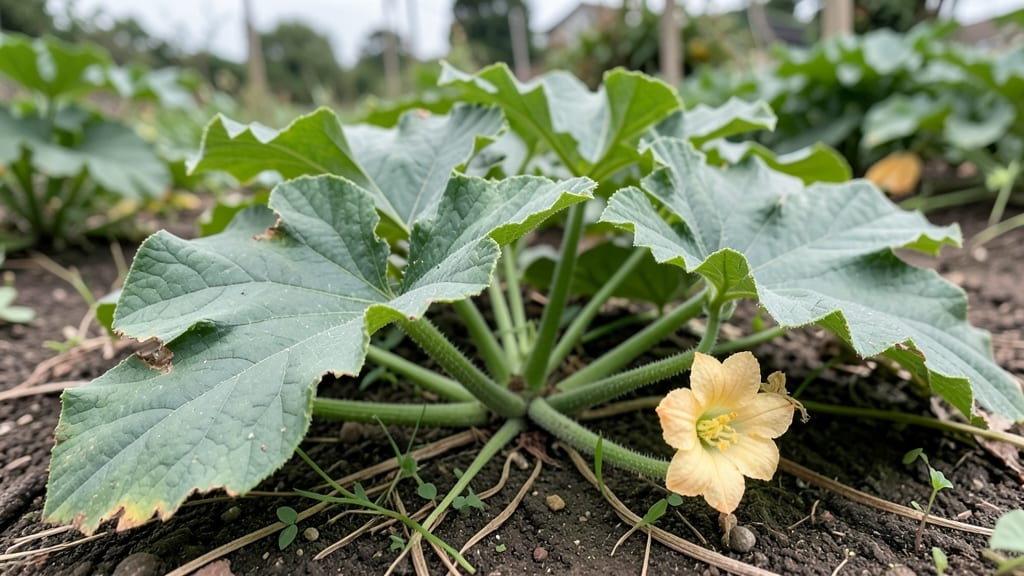
The moment the cantaloupe plant flowers unfurl in my garden, their honeyed scent and buzzing bees announce summer’s grandest performance. 🌻 These aren’t just pretty faces; they’re the secret to sweet, ripe melons that taste like sunshine.
My first year growing cantaloupes, I missed the flowering window entirely because I didn’t recognize the flowers. Now I watch for them like a hawk, and my harvest proves it’s worth the attention.
Cantaloupe flowers bloom for just one morning—yellow with a red center, fragrant enough to lure bees from miles away. The male flowers appear first, dangling on long stems, while the female flowers sit snug against the vine with a tiny melon bump at their base.
Water deeply the night before flowers open, but cut back once they appear—too much moisture drowns the scent that calls pollinators. The goal? One female flower per vine gets fertilized, and that’s where your melon starts.
Here’s the magic: by midday, those male flowers fall to the ground, their job done. The female flowers that get pollinated swell into golf-ball-sized melons in weeks. But if your vines are loaded with flowers and no fruit sets?
That’s your cue to hand-pollinate with a soft paintbrush. I’ve turned near-fail seasons around with this trick—just dab the male flower’s pollen onto the female’s stigma, and give it a gentle shake.
Troubleshooting is simple: no flowers? Your plant’s hungry or too cold. Too many flowers? Thin them to 6–8 vines max. And if your melons stay small? Check for squash vine borers—they’ll turn a thriving plant into a sad, wilted shadow overnight.
But when you nail the flowering stage, you’re rewarded with melons so sweet they’ll make your neighbors jealous.
📚 In This Guide
- What you need
- Instructions
- Tips and common mistakes
- Wrapping up and next steps
What you need
- ● Cantaloupe seeds or seedlings: Choose disease-resistant varieties like 'Athena' or 'Hale’s Best'. If starting from seeds, plant 3–5 seeds per hill (you’ll thin later).
- ● Well-draining soil: A mix of 60% topsoil, 30% compost, and 10% perlite/sand (pH 6.0–6.8). Test soil moisture—it should feel like a damp sponge.
- ● Fertilizer: Balanced starter fertilizer (10-10-10) at planting (1 tbsp per hill).
- ● Low-nitrogen bloom booster (5-10-10) when flowers appear (follow package rates).
- ● Garden space: Full sun (6–8+ hours/day) and warmth (soil temps above 70°F/21°C). Use black plastic mulch to warm soil faster.
- ● Watering supplies: Drip irrigation or soaker hose (to avoid wetting flowers).
- ● Watering can with a fine rose (for seedlings).
- ○ Support structures (optional but helpful): Cattle panels or trellis (for vining varieties like 'Muskett').
- ● Straw or grass clippings (to protect melons from direct soil contact).
- ● Pollinator attractants: Plant basil, marigolds, or sunflowers nearby to lure bees and butterflies. 🐝
- ● Row covers: Lightweight fabric to protect young flowers from frost (remove when blooms open).
- ● Hand pollination kit: A small paintbrush (for indoor grows or rainy days).
- ● Pruning shears: For trimming excess vines to focus energy on fruit production.
How to encourage cantaloupe flowers and maximize pollination
Here's how I turn cantaloupe vines into buzzing, fragrant morning pollinator hubs.
🌱 Step 1: Plant in Full Sun and Warm Soil
Cantaloupe flowers need full sun (8+ hours daily) and soil that stays above 70°F. I plant seeds after the last frost when nighttime temps consistently stay above 55°F—any cooler and the flowers won't open properly. Choose a spot with well-draining soil and work in 2-3 inches of compost to boost early growth.
You'll know you've picked the right spot when the vines stretch toward the sun within 3-4 days of sprouting. If growth slows or leaves yellow, the soil might be too cold or compacted—wait until soil feels warm to the touch before planting.
☀️ Step 2: Support Vines and Ensure Proper Airflow
Cantaloupe vines sprawl aggressively, but crowded plants produce fewer flowers. I use 5-foot tall trellises or let vines spread on black plastic mulch to keep foliage off damp soil. Space plants 3-4 feet apart in rows 6 feet apart—this prevents disease and lets bees navigate easily.
Watch for vines touching the ground, which invites rot. If you see leaves wilting or turning yellow near the soil, gently lift and redirect them upward. Proper airflow keeps flowers healthy and fragrance strong—you'll notice a sweet, musky scent in the mornings when blooms open.
💧 Step 3: Water Deeply and Consistently
Cantaloupe flowers wilt easily if soil dries out, so I water deeply 1-2 times per week (more in extreme heat). The key is keeping roots moist but never soggy—water when the top 2 inches of soil feel dry. Overwatering causes blossom-end rot and weak stems that can't support fruit.
Water at the base in the morning to let foliage dry before evening. You'll see flowers droop slightly in the afternoon heat—that's normal. If they stay wilted past sunset, the plant is thirsty and needs more frequent watering.
🐝 Step 4: Attract and Assist Pollinators
Cantaloupe flowers are self-pollinating but thrive with bee activity. Plant bee-friendly companions like borage or marigolds nearby, and avoid pesticides. I also hand-pollinate on cloudy days by gently tapping flower clusters with a paintbrush—this ensures fruit sets even when bees are scarce.
Watch for bees visiting in the morning (their favorite time). If you see flowers withering without fruit after 2-3 days, hand-pollination might be needed. Remove any male flowers that don't develop into fruit to redirect the plant's energy.
⏰ Step 5: Monitor and Prune for Optimal Flowering
Prune vines to remove suckers (side shoots) that form in leaf axils—these steal energy from fruit production. Keep only the main vine and strongest side branches. You'll notice more flowers appear within 5-7 days of pruning, as the plant focuses its resources.
Remove any yellowing or diseased leaves immediately to prevent spread. Healthy vines produce 10-15 flowers per plant before fruit develops. If flowering slows after 3 weeks, the plant may need more phosphorus—side-dress with bone meal for a quick boost.
Tips & tricks for perfect cantaloupe flower pollination
Here's what nobody tells you about turning your cantaloupe patch into a fragrant, buzzing bee paradise.
Soil Temperature is Everything: I learned this the hard way after planting in cool soil—those 70°F minimum temps aren't just suggestions. Stick your finger in the soil at planting time; if it feels cooler than your wrist, wait a few more days. I've found that adding black plastic mulch a week before planting raises soil temps by 5-10°F, helping flowers open properly. The difference between a patch of blooms and a sad, wilted vine often comes down to this single, seemingly insignificant step.
Morning is Critical for Pollinators: Cantaloupe flowers only stay open for about 6-8 hours in the morning, and that's when bees are most active. If you're hand-pollinating, do it first thing—before 8 AM is ideal. I've noticed that flowers opened in the evening (from late planting) rarely get pollinated naturally, which is why I always check for closed blooms in the afternoon and give them a gentle tap with a paintbrush.
Pruning Strategy for Maximum Blooms: When you remove those suckers in Step 5, don't just cut them off—pinch them at the base with your fingernail. This prevents disease from entering through clean cuts. I've found that plants pruned this way produce 20-30% more flowers within those 5-7 days because the plant isn't wasting energy on healing wounds. The key is to be ruthless but gentle—keep only the strongest branches that can support fruit.
Companion Planting Hack: While borage and marigolds are great, I've had the most success with dill planted right next to cantaloupes. The tall stems create perfect landing strips for bees, and the flowers attract even more pollinators. Plus, the anise flavor repels pests that might bother your cantaloupe. Just be sure to space them 12 inches away so they don't compete for nutrients.
Pro Tips for Cantaloupe Plant Flowers
- Here's what nobody tells you about turning your cantaloupe patch into a fragrant, buzzing bee paradise.
- Soil Temperature is Everything: I learned this the hard way after planting in cool soil—those 70°F minimum temps aren't just suggestions.
- Morning is Critical for Pollinators: Cantaloupe flowers only stay open for about 6-8 hours in the morning, and that's when bees are most active.
Frequently asked questions
Got questions about those charming cantaloupe plant flowers? You’re not alone! Here are answers to the most common curiosities—from pollination to troubleshooting—so you can grow melons like a pro.
How do I know if my cantaloupe flowers are male or female?
Male flowers grow on long stems and have no fruit at the base. Female flowers (ready to pollinate!) have a tiny cantaloupe-shaped swelling where the stem meets the flower. Look closely—it’s a game-changer for fruit set!
Why aren’t my cantaloupe flowers producing fruit?
Lack of pollinators (like bees) or heat stress can halt fruit development. Try hand-pollinating with a small brush, or plant bee-friendly flowers nearby. Also, ensure temps stay above 70°F—cool mornings can delay blooming. Patience pays off!
Can I eat cantaloupe flowers?
Edible and delicious, they add a sweet, melon-like flavor to salads or garnishes. Just ensure they’re pesticide-free. Pro tip: Harvest in the morning when flavors peak!
What should I do if rain washes away my cantaloupe flowers?
Don’t panic! Cantaloupes are resilient. Remove damaged blooms to redirect energy to new flowers. Mulch around plants to protect soil moisture and encourage reblooming. Consistency is key—keep watering evenly!
Are there alternatives to cantaloupe flowers for pollinators?
Yes! Plant bee-friendly companions like marigolds, sunflowers, or borage near your cantaloupes. These attract pollinators and boost your garden’s biodiversity. Win-win for flowers and fruit!
Wrapping up and next steps
Growing cantaloupe plants is a rewarding journey, especially when you witness their fragrant morning blooms attracting pollinators like bees and butterflies! 🐝 These delicate flowers are the secret to sweet, juicy fruit—so embrace the process with patience and care.
Now that you’re armed with the right tips and answers, it’s time to roll up your sleeves and plant those seeds or nurture your existing vines.
Ready to turn your garden into a cantaloupe paradise? Start by selecting a sunny spot, preparing the soil, and watching those flowers transform into flavorful harvests. Happy gardening! 🌱