
Flowers
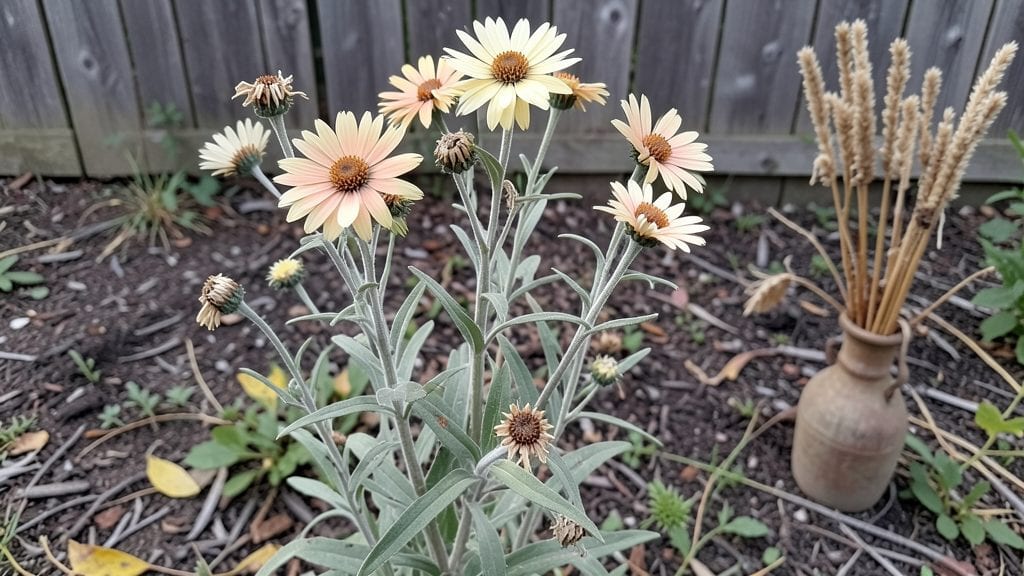
Straw flowers (Helichrysum) stay vibrant for months—even after cutting—because they’re built to last. 🌿 The secret lies in their drought tolerance and sun-loving nature, but they still need a few key care tricks to keep blooming like clockwork.
I’ve grown these tough little plants for years, and they’ve never once let me down, even when I forget to water them.
They thrive in full sun (at least 6 hours daily) and well-draining soil, making them perfect for rocky slopes or containers where other flowers would struggle. Watering is simple: let the soil dry completely between drinks—overwatering is their only real enemy.
Prune spent blooms to encourage more flowers, and watch them multiply like wildfire in the right conditions.
What makes them special is their year-round interest. Deadhead faded blooms in spring and summer, and they’ll reward you with fresh flowers until frost. In winter, their papery textures add structure to arrangements that stay fresh for weeks—no preservatives needed.
Even the most neglected straw flowers find a way to shine.
Whether you’re growing them for bouquets, borders, or just their effortless charm, straw flowers prove that low-maintenance doesn’t mean low-impact. Let’s get them thriving in your garden—or your vase—without the fuss.
📚 In This Guide
- What you need
- Instructions
- Tips and common mistakes
- Wrapping up and next steps
What you need
- ● Straw flowers: Choose from dried wheat, oats, rice, or other straw varieties—pick what matches your aesthetic! 🌾
- ● Floral preservative: A small bottle (4–8 oz) of commercial floral food or a DIY mix (sugar + bleach + water in a 1:2:3 ratio).
- ● Clean vase or container: Glass, ceramic, or even a mason jar (ensure it’s spotless!).
- ● Scissors or floral shears: Sharp tools to trim stems cleanly (avoid dull scissors!).
- ● Water: Distilled or tap water (if using tap, let it sit out for 24 hours to remove chlorine).
- ● Floral foam: If your vase lacks drainage, a small block (3x3x2 inches) keeps stems hydrated.
- ● Decorative pebbles or moss: Adds a rustic touch to the base of your arrangement. 🌿
- ● Wire or floral tape: For securing stems or adding structure to loose stems.
- ● Antibacterial spray: A light mist to keep stems fresh longer.
- ● Artificial greenery: Eucalyptus or faux leaves to enhance your bouquet.
Step-by-Step guide to keeping straw flowers fresh for months
Straw flowers need minimal care but reward you with arrangements that last—here’s how to preserve their beauty.
🌱 Step 1: Choose the Right Location for Storage
Straw flowers thrive in dry, well-ventilated spaces away from direct sunlight or humidity. I keep my dried stems in a paper bag or breathable cloth pouch (like a cotton muslin sack) to prevent moisture buildup, which can cause mold or discoloration. A cool, dark closet or shelf works best—avoid basements or attics where temperatures fluctuate wildly.
If you’ve just brought them home, let the stems air out for 24 hours before storing. This prevents trapped moisture from shortening their lifespan. You’ll know the environment is right when the stems feel dry to the touch and the air circulates freely around them.
☀️ Step 2: Handle Arrangements with Care
When arranging straw flowers, never use floral preservatives—they’re unnecessary and can leave residue. Instead, trim stems at a 45-degree angle with clean scissors to maximize water absorption if you’re placing them in a vase. For dry arrangements, simply tuck stems into a foam block or chicken wire frame and secure with floral wire.
Here’s the thing—straw flowers are delicate when dry. Avoid crushing stems or bending them sharply, as they can snap. If you’re creating a long-lasting bouquet, interleave stems with dried grasses or eucalyptus to add volume without overcrowding. Watch for stems that feel brittle; these are ready for display.
💧 Step 3: Refresh and Rotate for Longevity
Every 4-6 weeks, gently brush off dust from stems and leaves with a soft-bristle brush or compressed air. This keeps colors vibrant and prevents mold. If your arrangement starts looking dull, place it in a dry, shaded spot for 24 hours to reset its appearance—straw flowers often perk up after a break from light.
Rotate arrangements quarter-turn weekly to ensure even light exposure. You’ll notice one side fading faster if left stationary. For vased arrangements, change the water every 7-10 days even if it looks clear—stagnant water introduces bacteria that can degrade stems over time.
✂️ Step 4: Troubleshoot Common Issues
If stems develop white powdery spots, isolate the arrangement immediately—this is mold, and straw flowers can’t recover once infected. Remove affected stems and store the rest in a new, dry container. Real talk: mold is rare if you keep humidity low, but it happens when stems touch damp surfaces.
For discoloration or fading, avoid direct sunlight. Straw flowers bleach under UV rays, so place them in indirect light or behind glass (like in a shadow box). If a stem snaps, don’t panic—simply trim it back to a healthy section. The key is prevention: handle stems gently and store them properly from the start.
🪴 Step 5: Preserve for Years with Proper Packaging
To extend their life beyond a season, wrap individual stems in acid-free tissue paper and store them in a sealed cardboard box with silica gel packets (available at craft stores). This absorbs moisture and keeps stems crisp for years. Label the box with the date—straw flowers stored this way can last 5-10 years without losing structure.
For gift-giving, bundle stems with a small sachet of dried lavender to repel pests naturally. The lavender also adds a subtle fragrance that complements the arrangement. When gifting, include a note: “Handle with care—these will last for months!”
Tips & tricks for perfect straw flower arrangements
A few simple strategies will help your straw flowers stay vibrant and beautiful for months—here's what I've learned after years of working with them.
Storage Environment: The 24-hour air-out period in Step 1 is crucial, but don't stop there. Place a small silica gel packet in your storage container to absorb any lingering moisture. I've found that adding a wooden bead or two to the storage bag helps regulate humidity naturally—straw flowers respond well to this subtle touch.
Handling Technique: When arranging, work on a clean, dry surface to prevent any accidental moisture transfer. I like to use a glass cutting board because it's non-porous and easy to wipe clean between projects. For stubborn stems that won't stay in place, a tiny dab of floral adhesive (not glue) works wonders—just a whisper on the wire will hold them securely without damaging the stems.
Refresh Routine: The 4-6 week refresh schedule is perfect, but here's a pro tip: if your arrangements are in a high-traffic area where they get handled often, reduce this to every 3-4 weeks. I've noticed that arrangements in bedrooms or offices (where they're less frequently touched) can stretch to the full 6 weeks without losing their crispness.
Long-Term Preservation: For that 5-10 year storage promise in Step 5, I recommend adding a small pouch of cedar chips to your cardboard box. The natural oils in cedar act as a mild preservative and help deter pests. Just place the cedar chips in a small muslin bag before sealing the box—this keeps them contained while still providing protection.
Pro Tips for Care Of Straw Flowers
- A few simple strategies will help your straw flowers stay vibrant and beautiful for months—here's what I've learned after years of working with them.
- Storage Environment: The 24-hour air-out period in Step 1 is crucial, but don't stop there.
- Handling Technique: When arranging, work on a clean, dry surface to prevent any accidental moisture transfer.
Frequently asked questions
Got questions about keeping your straw flowers fresh and fabulous? You’re in the right place! Here are answers to the most common queries—because nobody wants their dream arrangement wilting before its time.
How long do straw flowers last compared to real flowers?
Straw flowers can easily outlast fresh blooms—often for 6 months to 2 years with proper care! Unlike real flowers (which wilt in days), they’re made to endure humidity, sunlight, and even rain. Perfect for weddings, centerpieces, or long-term decor that won’t break the bank.
Can straw flowers get wet or be placed outside?
Yes! Straw flowers are water-resistant and thrive outdoors, but avoid soaking them for extended periods. A light mist or rain won’t harm them, but direct, prolonged exposure to moisture (like sitting in a puddle) can weaken the stems over time. For extra longevity, store them in a dry, shaded spot when not in use.
How do I keep bugs away from my straw flowers?
Straw flowers rarely attract pests, but if you spot critters, try these tricks:
- Spray with water to dislodge them (like a mini shower!).
- Store them in a mesh bag or sealed container to deter insects.
- Freeze them for 24 hours (if heavily infested)—bugs won’t survive!
Can I dye or paint straw flowers to change their color?
Use acrylic paint or fabric dye for vibrant, long-lasting color changes. Seal the paint with a clear varnish to prevent chipping. For a natural look, try coffee or tea staining—just let them dry completely before arranging. Just avoid soaking them in dye, as it can weaken the fibers.
Do straw flowers need special care in extreme heat or cold?
Straw flowers are hardy, but extreme temps can dry them out. In heat, keep them in cool, shaded areas when possible. In cold climates, store them indoors or wrap them in bubble wrap to prevent brittleness. Avoid sudden temperature swings—they’re tough but not indestructible!
What’s the best way to store straw flowers long-term?
Store them in a cool, dry place (like a closet or drawer) with a silica gel packet to absorb moisture. Avoid plastic bags—breathability is key! For extra protection, wrap them in tissue paper or place them in a cardboard box. Rotate arrangements seasonally to keep them looking fresh.
Wrapping up and next steps
Caring for straw flowers is simpler than you think—and the rewards are worth it! With just a little attention to dusting, moisture control, and occasional styling, your arrangements will stay vibrant and fresh for months.
Whether you’re a DIY enthusiast or a flower lover, these low-maintenance blooms are the perfect way to add lasting beauty to any space.
Ready to keep the magic alive? Grab your straw flowers and get creative—try a new arrangement, gift a bouquet, or even experiment with upcycling old blooms. Your future self (and your home) will thank you! 🌸✨