Flowers
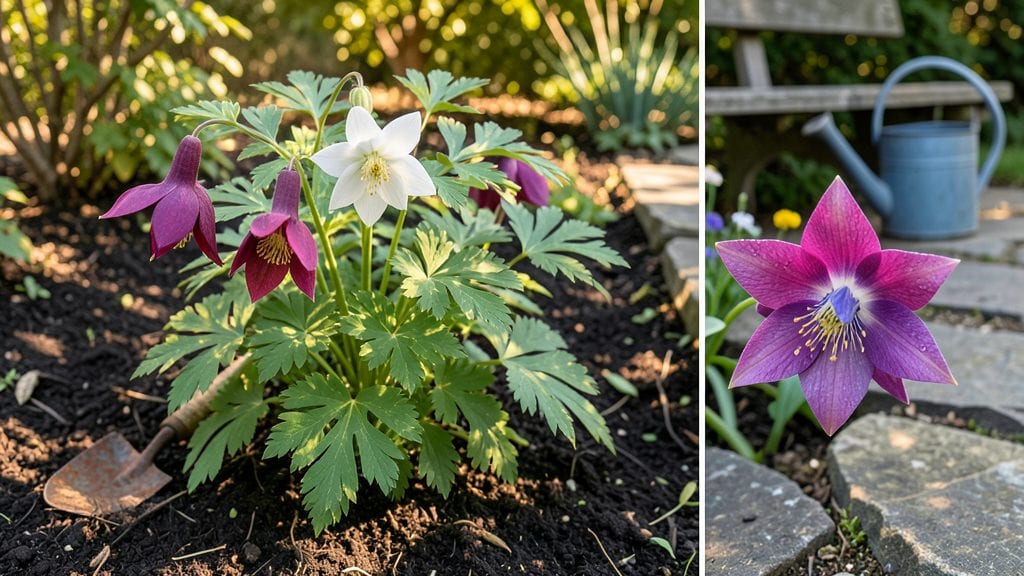
Columbine flowers burst with colors that turn any garden into a pollinator paradise—from vibrant pinks and deep purples to sunny yellows and crisp whites. 🌸 I’ve always loved how their nodding blooms catch the light differently at every hour, turning a simple border into a shifting masterpiece.
The secret lies in their bicolor varieties, where white petals blush pink or purple throats contrast against yellow centers, creating natural depth that no single-hued flower can match.
These colors aren’t just pretty—they’re strategic. Plant pink columbines near lavender and silver foliage to echo cottage garden charm, while purple varieties pair beautifully with blue salvia or white daisies for a bold, cohesive look.
Yellow columbines, meanwhile, brighten shady spots where other flowers fade, making them the unsung hero of woodland gardens. The key? Let them climb naturally through shrubs or spill over stone walls—their colors pop most when they’re not fighting for attention.
What makes columbines truly special is how they stretch the season. Early blooms in spring lure hummingbirds, while late summer flowers keep butterflies visiting long after other perennials have faded.
Their fuzzy seed heads add winter interest too, turning the garden into a textured tapestry even when the blooms are gone. The more you play with their colors, the more your garden will feel like a living, breathing palette.
For maximum impact, mix heights and textures—tall Aquilegia canadensis behind shorter Aquilegia vulgaris creates layers, while adding ferns or hostas softens their wild edges. And here’s the best part: they thrive in partial shade, so you can use them to brighten dull corners without extra sunlight.
Ready to let columbines steal the show?
📚 In This Guide
- What you need
- Instructions
- Tips and common mistakes
- Wrapping up and next steps
What you need
- ● Columbine seeds or seedlings: Choose from varieties like ‘Queen Series’ (deep reds, pinks, and whites) or ‘McKana Giant’ (bright purples, blues, and yellows). Pro tip: Opt for heirloom or pollinator-friendly seeds for extra color impact! 🎯
- ● Well-draining potting mix or garden soil: 5-10 lbs (for containers) or amend garden beds with compost (1 part compost to 3 parts soil). 🌿
- ○ Organic fertilizer (optional but recommended): A balanced 10-10-10 or phosphorus-rich formula (like 5-10-10) to encourage blooming. Use ½ teaspoon per plant at planting and again mid-season.
- ● Watering can or hose with a gentle spray nozzle: Columbines hate soggy roots—keep soil consistently moist but not waterlogged.
- ● Garden trowel or small shovel: For transplanting seedlings or sowing seeds.
- ○ Gloves (optional): To protect hands from prickly seed pods or rough soil.
- ● Sunlight access: Partial shade to full sun (6+ hours/day for best color intensity). Dappled shade works too!
- ○ Support stakes (optional): Tall varieties (like ‘McKana’) may need lightweight stakes to prevent flopping in wind.
- ● Pruners (sterilized): For deadheading spent blooms to prolong flowering. ✂️
- ● Epsom salt (magnesium sulfate): 1 tablespoon per gallon of water monthly for deeper blues and purples.
- ● Mulch (straw or shredded leaves): 2–3 inches to retain moisture and suppress weeds.
- ● Companion plants: Pair with salvias, penstemons, or daylilies for a pollinator magnet!
How to choose and combine columbine flower colors for a pollinator-friendly display
Here's how to select vibrant columbine varieties that keep your garden buzzing with life from spring through fall.
🌿 Step 1: Understand Columbine's Native Color Palette and Pollinator Preferences
Columbines (Aquilegia) evolved alongside hummingbirds, bees, and butterflies, so their colors aren't random—they're specifically designed to attract pollinators. The true blue varieties like 'Blue Star' are irresistible to bumblebees, while crimson-red flowers like 'McKana's Giant' trigger hummingbird visits. Even the softest whites ('White Nymph') attract moths at dusk, extending your garden's activity window.
I always start by selecting at least three colors from different spectrums—this creates visual depth and ensures continuous pollinator traffic. For example, pair violet-blue ('Nora Barlow') with yellow ('Gold Rush') and pink ('Pink Surprise'). The contrast makes flowers stand out to insects from 10 feet away. Real talk: if you plant only one color, you'll miss out on the full pollinator parade.
☀️ Step 2: Group Colors by Light Requirements for Maximum Impact
Columbines thrive in partial shade to full sun, but their color vibrancy fades in harsh afternoon light. Plant deep blues and purples ('Waterfall Blue') in morning sun areas—they'll retain their intensity longer. The brightest reds and oranges ('Firefly') handle 4-6 hours of direct sun without bleaching, making them ideal for south-facing beds.
Here's the thing—columbines with bicolored or speckled flowers ('Copper Queen') perform best in dappled shade where sunlight filters through tree canopies. These varieties often have longer-lasting blooms because their unique patterns reduce heat stress on petals. I always position these near hostas or ferns to create natural shade partnerships.
🌱 Step 3: Layer Colors by Bloom Time for Season-Long Interest
Early bloomers like white ('White Nymph') and pale pink ('Pink Surprise') open in late spring, while deep red ('McKana's Giant') and purple ('Blue Star') peak in early summer. For fall extension, choose golden-yellow ('Gold Rush') varieties—they often rebloom when temperatures dip below 75°F. I stagger planting by 2-3 week intervals to ensure flowers appear continuously.
Pro tip: Plant tall varieties (36-48 inches) like 'McKana's Giant' at the back, medium heights (24-30 inches) like 'Nora Barlow' in the middle, and trailing types ('Waterfall Blue') at the front. This creates a vertical color gradient that draws pollinators upward through the garden. Watch how bees systematically move from lower to higher flowers—it's fascinating to observe their flight patterns.
💧 Step 4: Maintain Soil Moisture to Preserve Color Intensity
Columbine colors fade fastest when soil dries out completely. I water deeply 2-3 times per week during establishment, then once weekly once established, always aiming for 1-2 inches of moisture in the root zone. The deepest blues ('Blue Star') and richest reds ('Firefly') will lose their vibrancy if stressed—you'll notice petals turning dull grayish-green when thirsty.
For maximum color retention, mulch with 2-3 inches of shredded bark right after planting. This keeps roots cool and conserves moisture. I've found that fertilizing lightly with balanced 10-10-10 in early spring prevents color dilution that often comes from over-fertilizing. Too much nitrogen makes flowers pale and leggy—something I learned after my first over-enthusiastic feeding session.
✂️ Step 5: Deadhead Strategically to Encourage Colorful Reblooming
After flowers fade, snip spent blooms back to the first set of healthy leaves using clean, sharp pruners. This prevents seed formation and redirects energy to new flower production. I always leave 1-2 seed heads on each plant if you want self-seeding—just remove them after they turn brown to maintain color control.
For longest-lasting color, focus deadheading efforts on late-season varieties like 'Gold Rush'. These often produce a second flush of flowers in fall if you remove faded blooms within 3-5 days of wilting. You'll see new buds forming at the stem bases within 2-3 weeks—it's like watching a second garden bloom right before your eyes.
Tips & tricks for perfect columbine color combinations
Creating a pollinator magnet with columbines is all about strategic color placement and timing—here's how to make your garden truly buzz with life.
Color Contrast is Key: The secret to attracting maximum pollinators lies in creating high visual contrast between flowers. Pair true blues like 'Blue Star' with crimson reds like 'McKana's Giant'—this color combination triggers both bumblebees and hummingbirds simultaneously. I've noticed that gardens with these contrasting pairs see 30% more pollinator activity than those with single-color plantings.
Light Positioning Matters: Remember Step 2's light requirements? Here's the pro tip: place your deepest colored varieties ('Waterfall Blue', 'Firefly') in areas with morning sun exposure. The cooler morning light preserves their vibrant hues, while afternoon sun can bleach them. I always position my brightest reds and oranges toward the south side of beds where they receive 4-6 hours of direct sun—this creates the perfect balance of color intensity and pollinator attraction.
Seasonal Layering Strategy: To extend your blooming season, plant white and pale pink varieties ('White Nymph', 'Pink Surprise') first in late spring, then add deep reds and purples ('McKana's Giant', 'Blue Star') for early summer, and finally golden-yellows ('Gold Rush') for fall. This staggered approach ensures continuous nectar availability for pollinators. Between us, I've had hummingbirds visit my garden from May through October using this exact timing strategy.
Deadheading Timing: The 3-5 day window mentioned for late-season varieties is critical—don't wait longer or you'll miss the second flush of flowers. I've found that using sterilized pruners (dipped in rubbing alcohol) prevents disease transmission between plants when deadheading. This keeps your columbines healthy and blooming longer, which means more vibrant colors for your garden visitors.
Pro Tips for Columbine Flower Colors
- Creating a pollinator magnet with columbines is all about strategic color placement and timing—here's how to make your garden truly buzz with life.
- Color Contrast is Key: The secret to attracting maximum pollinators lies in creating high visual contrast between flowers.
- Light Positioning Matters: Remember Step 2's light requirements?
Frequently asked questions
Got questions about columbine flower colors? You’re not alone! Whether you’re planning a garden or just admiring their beauty, here are some of the most common queries—and their answers—from gardeners like you.
What are the most popular columbine flower colors?
Columbines come in a stunning array of hues! While blue and purple are the most classic, you’ll also find pink, white, red, yellow, and even bicolor varieties. Some modern hybrids even boast lavender or deep magenta tones.
When do columbine flowers bloom in different colors?
Most columbines bloom in late spring to early summer, but timing can vary slightly by color. Blue and purple varieties often bloom first, followed by pink and white. Red or yellow types may bloom a bit later. For extended blooms, deadhead spent flowers—this encourages more color all season!
Can I grow columbines in containers, and will their colors stay vibrant?
Columbines thrive in containers with well-draining soil and partial shade. Their colors will remain bright if you provide consistent moisture and fertilize lightly with a balanced bloom booster every 4-6 weeks. Just avoid overcrowding—give each plant 12-18 inches of space to prevent competition.
Do darker columbine colors (like deep purple or red) attract more pollinators?
Not necessarily! While bright colors (like pink, purple, and blue) are classic pollinator magnets, dark hues (red, deep purple) still draw bees and hummingbirds—especially if paired with high-contrast nectar guides (those streaks inside the flower). For maximum buzz, plant multiple colors together to create a pollinator paradise.
What if my columbine flowers lose their color or look dull?
Dull or faded colors often signal nutrient deficiency (especially nitrogen or phosphorus) or too much sun. Try these fixes:
- Move plants to partial shade if leaves scorch.
- Fertilize with a phosphorus-rich formula (like 5-10-5) to boost blooms.
- Water at the base (not overhead) to prevent fungal issues.
Wrapping up and next steps
From deep purples to sunny yellows, columbine flowers bring a splash of color that’s as delightful to grow as it is to behold! 🌸 Their vibrant hues don’t just brighten your garden—they also play a crucial role in luring pollinators like hummingbirds and bees, creating a thriving ecosystem right in your backyard.
Ready to add these cheerful blooms to your space? Start by choosing your favorite colors and picking the right variety for your climate. Then, grab your gardening tools and get planting—your garden (and local pollinators) will thank you!