
Flowers
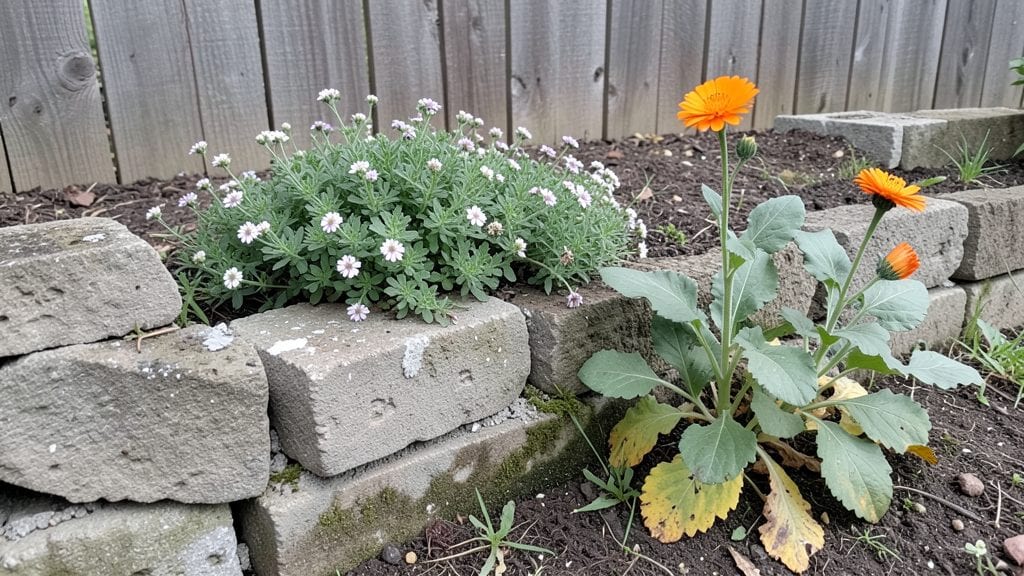
A concrete block flower wall transforms blank walls into a lush, zero-dig vertical garden that steals the show every season. I built mine after struggling with limited space and poor soil—now it’s the most productive (and photogenic) part of my yard.
The blocks create pockets for plants to thrive without breaking your back or your budget.
You’ll need basic cinder blocks, a level, landscape fabric, and a handful of plants that love trailing or cascading. Succulents, ferns, and annuals like petunias or lobelia fit perfectly, while trailing roses or ivy add drama.
The best part? No digging, no heavy lifting, and no need for a green thumb—just stack, fill, and watch it grow.
By summer, your wall will be a riot of color and texture, with vines spilling over edges and blooms drawing hummingbirds. In cooler months, swap out tender plants for hardy options like pansies or ornamental kale.
A simple drip irrigation system keeps maintenance effortless, so you spend more time admiring than watering.
Perfect for urban patios, small yards, or even apartment balconies—this project proves you don’t need acres to grow a garden that turns heads. Ready to turn your wall into a living masterpiece? Let’s get started!
📚 In This Guide
- What you need
- Instructions
- Tips and common mistakes
- Wrapping up and next steps
What you need
- ● Concrete blocks: 20–50 blocks (depending on wall size; standard 8" x 8" x 16" blocks work best).
- ● Concrete adhesive or mortar: 5–10 lbs (for securing blocks).
- ● Drainage fabric: 1 roll (to prevent soil erosion).
- ● Potting soil or lightweight garden mix: 2–4 cubic feet (moisture-retentive but well-draining).
- ● Flowering plants: Succulents, ferns, or petunias (choose drought-tolerant varieties for low-maintenance walls).
- ○ Optional: Landscape fabric, gravel (for drainage), or decorative stones (for a polished look).
- ● Tape measure and level (for precision).
- ● Masonry drill bits (if pre-drilling holes for plants).
- ● Trowel or notched trowel (for spreading adhesive).
- ● Safety gloves and goggles (for handling concrete).
- ○ Optional: Wheelbarrow (for mixing soil), spray bottle (to keep plants hydrated during assembly).
- ● A flat, sturdy wall (brick, wood, or concrete—avoid drywall).
- ● Access to water and electricity (for mixing mortar, if needed).
- ● Weather-friendly conditions (avoid extreme heat or rain during assembly).
- ● Basic masonry skills (or patience to learn—this is a beginner-friendly project!).
Step-by-Step instructions for building a concrete block flower wall
Here's how to create a striking vertical garden that adds color and texture without breaking ground.
Plan and Measure Your Wall Layout
Start by sketching your wall design on paper, keeping in mind the 4-foot height and 3-foot width per block. A 4-block wall will create a 12-foot-long display perfect for small patios or entryways. Mark the location with stakes and string to visualize the space before building.
Check for level by using a 4-foot board and a leveling tool. Adjust the ground surface if needed to ensure your blocks will sit flat. This prevents uneven gaps that will collect water and attract pests later. I always double-check by running a level along the top edge of the first row before adding blocks.
Assemble the Concrete Blocks
Lay the first row of blocks on a 2-inch layer of landscape fabric to prevent weeds from growing between the blocks. Use a rubber mallet to tap blocks into place if needed, but avoid excessive force that could crack the concrete. Leave a ½-inch gap between blocks for drainage and root growth.
Build upward in a staggered pattern, offsetting each row by half a block. This creates a more stable structure and allows plants to spill over the edges naturally. For a 4-foot height, you'll need three rows of blocks. I like to use a level on every third block to ensure the wall stays perfectly vertical.
Prepare the Planting Holes
Drill 4-inch diameter holes through the blocks using a masonry bit, spacing them 6 inches apart horizontally and vertically. The holes should be deep enough to accommodate the root balls of your chosen plants. For a 4-block wall, you'll need about 24 holes total.
Fill the bottom of each hole with 2 inches of potting mix mixed with 1 tablespoon of slow-release fertilizer. This gives roots an immediate nutrient boost. Tap the mix lightly to settle it before adding plants. I always water the mix gently before planting to help it compact evenly.
Plant and Secure Your Flowers
Choose plants with trailing habits like fuchsias, petunias, or lobelia for a lush, cascading look. Gently remove plants from their nursery pots and place them in the holes, pressing the soil around the roots to eliminate air pockets. For a 4-block wall, you'll need about 24 plants total.
Use plastic plant ties or soft garden twine to secure trailing plants to the front of the blocks. This prevents them from blowing in the wind and ensures even growth. Water thoroughly after planting to help the soil settle and roots establish. I always check the soil moisture daily for the first week to encourage strong root growth.
Maintain and Enjoy Your Wall Garden
Water your wall garden in the morning to reduce evaporation and prevent fungal diseases. Aim for 1 inch of water per week, adjusting for rainfall. Use a watering can with a long spout to reach all planting holes evenly. Fertilize every 4-6 weeks with a balanced liquid fertilizer to keep your plants blooming.
Deadhead spent blooms regularly to encourage continuous flowering. Prune leggy stems in early spring to maintain a compact shape. This wall garden will thrive with minimal care, providing vibrant color and texture all season long. I love how it transforms an empty corner into a living work of art.
Tips & tricks for perfect concrete block flower wall construction
A few simple tricks will help you build a sturdy, beautiful wall that lasts for years and thrives with vibrant plants.
Leveling is Everything: In Step 1, when you check for level using your 4-foot board, don't just check once. After placing the first row of blocks, run your level along the top edge again before proceeding. I've seen walls start perfectly level only to develop a lean because the first row wasn't perfectly straight. This small extra check prevents costly mistakes later.
Block Stability Matters: For Step 2, when building upward, I recommend using a small amount of concrete adhesive between the blocks instead of just relying on the staggered pattern. This creates an even more stable structure, especially important if you're building in a windy location. Apply a thin bead along the bottom edge of each block before placing it - it takes just seconds but makes a huge difference.
Plant Selection Strategy: In Step 4, when choosing your 24 plants, consider pairing plants with different light requirements in the same wall. Place sun-loving plants like petunias on the south-facing side and shade-tolerant plants like impatiens on the north-facing side. This way, every section of your wall gets the most from your plant choices, even if your space has varying sunlight conditions.
Maintenance Made Easy: For Step 5, create a simple watering schedule by grouping your plants by water needs. For example, place all your succulents together in one section and your thirsty fuchsias in another. This way, when you water your 1 inch per week, you can focus on specific sections rather than trying to meet everyone's needs at once. I like to use a spray nozzle on my watering can for even distribution through all those 4-inch holes.
Pro Tips for Concrete Block Flower Wall
- A few simple tricks will help you build a sturdy, beautiful wall that lasts for years and thrives with vibrant plants.
- Leveling is Everything: In Step 1, when you check for level using your 4-foot board, don't just check once.
- Block Stability Matters: For Step 2, when building upward, I recommend using a small amount of concrete adhesive between the blocks instead of just relying on the staggered pattern.
Frequently asked questions
Got questions about creating a stunning concrete block flower wall? You’re not alone! Here are some of the most common queries—and their straightforward answers—to help you get started with confidence.
How long does it take to build a concrete block flower wall?
A small wall (4’x4’) can be completed in a weekend with basic tools, while larger projects (8’x8’+) may take 2–3 days depending on drying time and design complexity. Plan for extra time if you’re adding irrigation or intricate planting layers. Pro tip: Check mortar drying times on your block packaging—usually 24–48 hours before planting!
Do I need special soil for a concrete block flower wall?
Yes! Use a lightweight, well-draining potting mix (like a 50/50 blend of coco coir and perlite) to prevent waterlogging. Avoid garden soil—it compacts and suffocates roots. For extra flair, add orchid bark or worm castings to boost aeration and nutrients. Pre-moisten the mix before filling pockets to reduce waste!
Can I build this wall without mortar? What are the alternatives?
Skip mortar and use adhesive (like construction adhesive) for a faster, cleaner look. For a removable option, stack blocks on landscaping fabric or interlocking plastic grids. Just ensure blocks are level—use a rubber mallet for gentle adjustments. Non-mortar walls may need occasional re-leveling over time.
What flowers thrive in concrete block walls?
Opt for drought-tolerant, trailing, or compact varieties:
- Succulents: Sedum, Echeveria (need minimal water)
- Annuals: Petunias, Lobelia (spill beautifully)
- Perennials: Fuchsia, Heuchera (return yearly)
- Herbs: Thyme, Oregano (add fragrance + edible appeal)
Avoid heavy feeders like roses—they’ll outgrow the space quickly. Check your zone’s heat tolerance; some blocks absorb sun and get hotter than soil!
How do I keep pests away from my flower wall?
Prevent pests with these tricks:
- Install copper tape at the base to deter slugs/snails.
- Use neem oil spray (mix with water) weekly as a preventative.
- Choose pest-resistant plants like marigolds or lavender.
- Ensure proper drainage—stagnant water attracts mosquitoes.
Ladybugs are natural aphid hunters; release a few near your wall for eco-friendly control!
Wrapping up and next steps
A concrete block flower wall is more than just a trendy garden feature—it’s a game-changer for small spaces, urban yards, and eco-conscious gardeners. With zero digging required, this project transforms plain walls into vibrant, low-maintenance vertical gardens that boost curb appeal and biodiversity.
Whether you’re a DIY pro or a beginner, the possibilities are endless!
Ready to bring your vision to life? Start by sketching your design, gathering supplies, and picking your favorite flower varieties. Take the first step today—your future garden will thank you! 🌸✨