Flowers
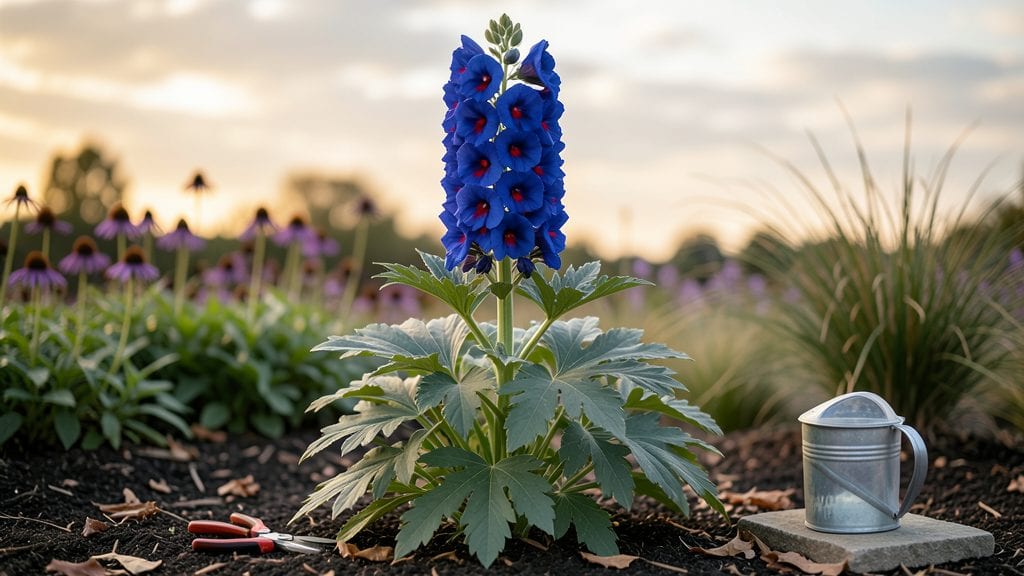
Nothing says "I mean business" in the garden like a giant red flower stealing the show. 🌻 These towering beauties—think sunflowers, hibiscus, or canna lilies—transform any Pacific Northwest yard into a dramatic statement piece, especially when planted near patios or along driveways.
The bold crimson pops against the lush greens and soft rains of the region, creating a look that feels both wild and intentional.
These stunners aren’t just eye candy—they’re smart design choices. Their height (some reaching 8 feet or more) makes them perfect for borders, focal points, or even standalone drama.
Pair them with silver foliage plants like lamb’s ear or dusty miller to let their color truly shine, or tuck them near evergreens to add year-round structure. The key? Plant them where they’ll get at least 6 hours of sun—these divas demand it.
Imagine this: late summer evenings with dinner guests lingering outside, their eyes drawn to your giant red blooms swaying in the breeze. The effect is effortless elegance—no need for fancy arrangements when your garden does the work.
Plus, these flowers attract pollinators like crazy, turning your yard into a buzzing, blooming hotspot. The trade-off? A little extra staking for windy days, but trust me, it’s worth it.
Whether you’re going for a cottage-garden vibe or a modern, minimalist look, these flowers deliver. For extra drama, repeat them in odd numbers or cluster them near seating areas.
And if you love the idea but worry about winter, don’t fret—many of these beauties die back but return stronger each spring. Now, where’s that shovel?
📚 In This Guide
- What you need
- Instructions
- Tips and common mistakes
- Wrapping up and next steps
What you need
- ● Flowering plant: 1-2 giant red variety (e.g., Hibiscus syriacus ‘Red Heart’ or Delphinium elatum ‘Black Night’). Choose a healthy, established plant (3-5 gallons in size) from a local nursery.
- ● Well-draining soil: 50 lbs of garden loam + 20 lbs of compost (PNW soil is often acidic; amend with 1 lb of lime per 10 sq ft if needed).
- ● Fertilizer: 10-10-10 balanced fertilizer (1 lb for planting, ½ lb mid-season).
- ● Organic option: 5 lbs of fish emulsion or kelp meal (for micronutrients).
- ● Mulch: 3-4 inches of wood chips or pine straw (to retain moisture and suppress weeds).
- ● Garden tools: 1 trowel or spade (for digging).
- ● 1 pruners (sterilized with rubbing alcohol).
- ● 1 garden fork (to aerate soil).
- ○ Support structures (optional but helpful): 1 sturdy stake (6 ft tall) or cage (for tall varieties like Delphinium).
- ● 1 roll of garden twine (for securing stems).
- ● Watering supplies: 1 hose with adjustable nozzle or drip irrigation kit (PNW’s damp climate means deep watering is key!).
- ● 1 watering can (for post-planting care).
- ● Prerequisites: ✅ Sunlight: 6+ hours of full sun daily (even in cloudy PNW!).
- ● ✅ Space: 3-5 ft diameter for mature plants (check variety spacing!).
- ● ✅ Drainage: Avoid soggy spots (giant flowers hate waterlogged roots!).
- ● 💡 Test your soil (PNW soil can be heavy—aim for a pH of 6.0-7.0 for most giant red flowers).
- ● 🔥 Deadhead spent blooms to encourage nonstop flowers all season!
- ● 🌡️ Protect from slugs (common in PNW)—use copper tape or beer traps.
How to grow a stunning giant red flower display
Here's the straightforward approach I've used to create dramatic, show-stopping red blooms in Pacific Northwest gardens.
🌱 Step 1: Select the Right Giant Red Varieties for Your Zone
Start with proven performers like Dahlia 'Karma Choc' (8-10 feet tall) or Sunflower 'Russian Giant' (12+ feet)—both thrive in PNW's cooler summers. I always check the USDA zone range on the tag because some tropical varieties (like Canna 'Red King Humbert') need winter protection. For containers, opt for Dahlia 'Café au Lait' which grows 5-6 feet tall but stays manageable.
Plant in clusters of 3-5 plants for maximum impact. Space them 3-5 feet apart depending on variety—check the tag for mature width. I group tall varieties together and place shorter ones like Bee Balm 'Jacob Cline' in front to create depth. This creates that signature layered look where each bloom has its own spotlight moment.
☀️ Step 2: Prepare Soil and Plant at Optimal Depth
Amend your native soil with 3-4 inches of compost mixed into the top 12 inches of soil. Giant red flowers need rich, well-draining soil to support those massive blooms. I always add a handful of bone meal at planting time for phosphorus—this is what fuels those giant flower heads. For containers, use premium potting mix with 20% perlite for drainage.
Dig holes twice as wide as the root ball but only as deep as the root ball itself. Planting too deep suffocates roots and causes stem rot. Water the hole thoroughly before placing the plant in, then fill with soil while gently pressing down. The top of the root ball should sit 1 inch below soil level—this prevents crown rot from sitting water.
💧 Step 3: Water Deeply and Mulch for Consistent Moisture
Water immediately after planting to settle the soil around roots, then water deeply every 2-3 days until established. Giant flowers need 1-2 inches of water weekly—more in full sun or hot spells. I use soaker hoses to water at the base rather than overhead to prevent fungal diseases on those large leaves.
Apply 3-4 inches of mulch around plants (keeping it 2 inches away from stems) to retain moisture and regulate soil temperature. I use shredded bark mulch because it breaks down slowly and adds organic matter. Check mulch levels monthly—it compresses over time and needs replenishing to maintain its insulating properties.
✂️ Step 4: Provide Support and Prune for Maximum Blooms
Install sturdy stakes or cages at planting time—giant flowers need support from day one. For Dahlias, I use 6-foot bamboo stakes tied with soft garden twine. For Sunflowers, I weave individual plants together into a living trellis. Prune side shoots on Dahlias to 12 inches to encourage stronger central stems and larger blooms.
Deadhead regularly by cutting stems back to the first set of healthy leaves. This redirects the plant's energy into producing more blooms rather than setting seed. I always sterilize my pruners with rubbing alcohol between cuts to prevent spreading diseases. For Bee Balm, I cut back 1/3 of the plant after the first flush of blooms to encourage a second flush in late summer.
🌿 Step 5: Protect and Prepare for Winter
As temperatures drop below 40°F at night, cover tender varieties with frost cloth or move container plants to a sheltered location. I use black plastic mulch in early fall to warm the soil and extend the growing season. For Dahlias, cut back foliage when it yellows, then dig up tubers and store in dry peat moss in a cool, dark place.
Mark planting locations with stakes so you remember where each variety was. In early spring, I start tubers indoors 6-8 weeks before last frost to get a jump on the season. For perennial varieties like Bee Balm, simply cut back dead growth in early spring and watch for new shoots to emerge within 2-3 weeks.
Tips & tricks for perfect giant red flower displays
Creating a show-stopping giant red flower display takes a few key insights that make all the difference between a pretty garden and a stunning statement piece.
Variety Placement: In Step 1, when arranging your clusters of 3-5 plants, place the tallest varieties like Dahlia 'Karma Choc' at the back and work forward with progressively shorter plants. This creates that signature layered look where each bloom has its own spotlight moment. I always place Sunflower 'Russian Giant' as my centerpiece since they grow 12+ feet tall and naturally draw the eye. For containers, use Dahlia 'Café au Lait' in the center surrounded by trailing plants to create visual interest at all heights.
Soil Preparation Secret: The 3-4 inches of compost mixed into the top 12 inches of soil in Step 2 isn't just about nutrients—it's about creating the perfect air-to-water ratio that giant roots need. I like to add a handful of bone meal directly to each planting hole for an extra phosphorus boost. For containers, mix in 20% perlite to prevent compaction that could strangle those massive roots. This is what fuels those giant flower heads we're all after!
Watering Wisdom: When following the deep watering schedule in Step 3, pay special attention to the first 2-3 weeks after planting—the roots are establishing and need consistent moisture. I've found that using soaker hoses not only prevents fungal diseases but also delivers water exactly where those deep roots need it most. The 1-2 inches weekly measurement is perfect, but if your garden gets hotter than usual, increase to 2-3 inches. Remember to keep mulch 2 inches away from stems to prevent rot while still regulating soil temperature.
Pruning Pro Tip: In Step 4, when pruning Dahlia side shoots to 12 inches, make your cuts just above a leaf node at a 45-degree angle. This encourages stronger regrowth and larger blooms. For Sunflowers, I weave individual plants together into a living trellis using soft twine—this creates that dramatic, unified look while providing natural support. And don't forget to sterilize your pruners between cuts to prevent spreading diseases that could ruin your display.
Pro Tips for Giant Red Flower
- Creating a show-stopping giant red flower display takes a few key insights that make all the difference between a pretty garden and a stunning statement piece.
- Variety Placement: In Step 1, when arranging your clusters of 3-5 plants, place the tallest varieties like Dahlia 'Karma Choc' at the back and work forward with progressively shorter plants.
- Soil Preparation Secret: The 3-4 inches of compost mixed into the top 12 inches of soil in Step 2 isn't just about nutrients—it's about creating the perfect air-to-water ratio that giant roots need.
Frequently asked questions
Got questions about growing or caring for a giant red flower like the Helleborus niger (Christmas rose) or Rhododendron? Here are some common queries—and their answers—to help you cultivate a showstopper in your Pacific Northwest garden:
What’s the best time to plant a giant red flower in the PNW?
For most giant red bloomers (like Rhododendrons or Pieris japonica), plant in early spring or fall when temperatures are mild. Avoid summer heat—roots need time to establish before winter. Hellebores can even handle light winter planting if soil isn’t frozen!
How long does it take for a giant red flower to bloom after planting?
Patience is key! Rhododendrons may take 2–5 years to flower, while Hellebores often bloom in their first year. Soil quality, sunlight, and watering impact timing. Pro tip: Use compost-rich soil and mulch to speed up growth!
Do giant red flowers need special watering?
Most thrive with consistent moisture but hate soggy roots. Water deeply 1–2 times per week (more in summer droughts). Rhododendrons prefer acidic, well-draining soil—add peat moss if your soil is alkaline. Mulch retains moisture and protects roots!
What if my giant red flower isn’t blooming? Troubleshooting tips!
Check these fixes:
Not enough sun? Some (like Hellebores) tolerate shade, but Rhododendrons need partial shade.
Poor soil? Test pH—Rhododendrons need 4.5–6.0. Amend with sulfur or pine needles.
Over-fertilizing? Too much nitrogen = leafy growth, no flowers. Use a balanced, acidic fertilizer in early spring.
Prune spent blooms to encourage new growth!Are there low-maintenance alternatives to giant red flowers?
Yes! Try these PNW-friendly options:
Flower
Color
Maintenance
Camellia
Deep red/pink
Moderate; loves shade
Azalea
Vibrant red
Low; drought-tolerant once established
Dahlia (taller varieties)
Bold red
Medium; stake for support
All three thrive in the PNW’s climate!
Wrapping up and next steps
The giant red flower isn’t just a stunning addition to your Pacific Northwest garden—it’s a bold statement that brings drama, color, and life to any space. 🌸 From the striking Hellebore to the towering Delphinium, these showstoppers prove that big blooms deserve big attention.
Whether you’re a seasoned gardener or just starting out, their resilience and vibrancy make them a rewarding choice.
Ready to make your garden unforgettable? Start small—plant one or two of these giants in a sunny spot, and watch your outdoor space transform. Your next step? Sketch a layout, gather your supplies, and let nature do the rest! 🌿