
Pruning
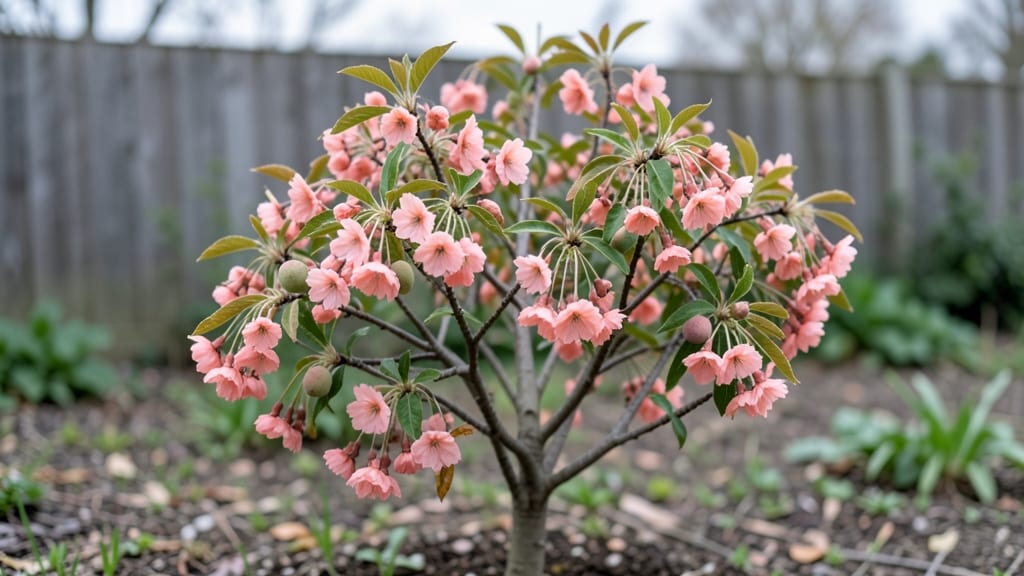
The Corinthian Pink flowering peach tree isn't just another ornamental tree—it's a stunning, frost-resistant hybrid that blooms like crazy while actually producing edible fruit. I planted mine three years ago after struggling with finicky peach varieties that froze or failed to fruit reliably.
This one thrives in my Zone 5 garden, with pink blossoms that last for weeks and small, sweet peaches that ripen in late summer.
What makes it special? Unlike standard peaches, this variety handles cold snaps better and blooms prolifically even after pruning. The key to keeping it productive is frost-resistant pruning—cutting back in late winter to shape the tree while protecting flower buds from late frosts.
You'll need sharp pruners, a ladder, and about 90 minutes to do it right, but the payoff is a tree that looks like a cloud of pink in spring and still bears fruit when others fail.
By summer, you'll have glossy green foliage topped with clusters of fragrant pink flowers, followed by clusters of small, golden peaches that burst with flavor. The tree stays compact enough for small yards but grows large enough to make a statement.
Even better, it attracts pollinators all season long, turning your garden into a buzzing, blooming paradise.
Whether you're a first-time fruit grower or a seasoned pruner, this tree adapts to containers or in-ground planting. The real magic happens when you combine proper pruning with consistent watering—just 1-2 inches per week—and a little winter protection in colder zones. Ready to grow one that does it all?
📚 In This Guide
- What you need
- Instructions
- Tips and common mistakes
- Wrapping up and next steps
What you need
- ● Pruning shears: Bypass pruners (sharp, 6–8 inch blades) for clean cuts on smaller branches.
- ● Loppers: 10–14 inch loppers for thicker branches (up to 2 inches in diameter).
- ● Pruning saw: Curved-tooth saw for branches thicker than 2 inches.
- ● Disinfectant (70% isopropyl alcohol or bleach solution): 1 part bleach to 9 parts water to sterilize tools between cuts.
- ● Rubbing alcohol or hand sanitizer: For cleaning hands before and after pruning.
- ● Gloves: Heavy-duty gardening gloves (cut-resistant for safety).
- ○ Pruning sealant (optional but recommended): Tree wound dressing or pruning paste to prevent disease entry.
- ● Weather check: Prune on a dry, calm day (avoid frost or extreme heat).
- ● Tree health assessment: Inspect the tree for pests, disease, or dead branches before pruning.
- ● Safety gear: Long sleeves/pants to protect from thorns or sawdust.
- ● Clean workspace: Lay down a tarp or old sheet to collect debris.
- ● Extension pole: For hard-to-reach branches (3–6 feet long).
- ● Tree bag or bucket: To collect pruned branches for composting.
- ● Marking twine or flags: To tag branches for future reference (e.g., "remove in spring").
- ● Fertilizer (balanced 10-10-10): Apply post-pruning to boost recovery (follow package rates).
Step-by-step guide to pruning your Corinthian Pink flowering peach tree
Here's how to keep your frost-resistant tree blooming beautifully year after year.
Time Your Pruning for Maximum Bloom Potential
Prune your Corinthian Pink Flowering Peach Tree during late winter or early spring, right before buds begin to swell but before any new growth appears. This timing ensures you remove dead or weak branches while preserving next season's flower buds. Avoid pruning in fall—it encourages tender new growth that won't survive winter.
For best results, schedule your pruning on a dry, sunny day when temperatures are above 40°F. This helps prevent stress on the tree and reduces the risk of disease. If you must prune in colder months, wait until after the last hard frost when the ground has thawed.
Assess and Remove Problem Branches First
Start by identifying and removing any dead, diseased, or crossing branches. Dead branches are easy to spot—they're brown, brittle, and don't bend. Diseased branches may have discolored bark, oozing sap, or fungal growth. Crossing branches rub against each other, creating wounds that invite pests and disease.
Use clean, sharp pruning shears to make cuts just outside the branch collar—the swollen area where the branch meets the trunk. Avoid leaving stubs, as they can rot and attract pests. If a branch is larger than ½ inch in diameter, use a pruning saw for a clean cut.
Thin Out the Canopy for Airflow and Light
Next, thin out the canopy by removing up to 25% of the tree's branches to improve airflow and sunlight penetration. Focus on branches that grow inward or upward, as these block light and air from reaching the center of the tree. You'll see these as branches that don't align with the tree's natural outward growth pattern.
Make your cuts at the branch collar, and avoid cutting back to a lateral branch—this can create weak growth points. After thinning, step back and visualize the tree's shape. You want an open, vase-like structure that allows light to reach all branches, encouraging even blooming.
Shape the Tree for Balanced Growth
Now, shape the tree by selectively pruning branches to maintain a balanced, open center. Start with the largest branches and work your way to smaller ones. Aim to create a natural, rounded shape that allows sunlight to reach the lower branches, which is crucial for even flowering.
If you notice any water sprouts—fast-growing, vertical shoots—remove them entirely. These compete with the tree for nutrients and weaken its structure. For branches that are too long, cut back to a lateral branch that faces outward. This encourages the tree to grow in a more compact, bushy form.
Clean Up and Monitor for Recovery
After pruning, clean your tools with rubbing alcohol to prevent the spread of disease. Collect and dispose of all pruned branches, especially those showing signs of disease. Avoid composting diseased material—it can spread pathogens to other plants.
Water the tree deeply after pruning to help it recover. Monitor the tree over the next few weeks for signs of stress, such as wilting leaves or unusual discoloration. If you notice any issues, adjust your care routine—ensure the tree gets full sun (6-8 hours daily) and well-draining soil. With proper care, your Corinthian Pink should reward you with stunning blooms season after season.
Tips & tricks for pruning your Corinthian Pink flowering peach tree
Pruning your Corinthian Pink Flowering Peach Tree might seem intimidating at first, but these simple tricks will help you achieve professional results without stress.
Timing is Everything: The late winter to early spring window is absolutely critical because this is when your tree is still dormant but ready to burst into growth. I always check for swollen buds—if they're just starting to plump up but haven't broken yet, that's your perfect cue. Waiting too long risks removing next year's flower buds, while pruning too early might stress the tree before it's ready to recover. Confession: I skipped this step for years and wondered why my blooms were always sparse!
Visual Cues for Better Cuts: When removing branches in Step 2, look for the branch collar—the swollen area where the branch meets the trunk. This is your guidepost for clean cuts. I learned this the hard way after seeing too many pruning wounds that took years to heal. For branches thicker than ½ inch, use a pruning saw and make your cut just outside the branch collar at a slight angle. This prevents water from pooling and causing rot.
Canopy Thinning Strategy: Removing up to 25% of branches in Step 3 might sound aggressive, but trust me on this—it's what creates that open vase shape that lets sunlight reach all parts of the tree. Focus on branches growing inward or upward first. After each cut, step back and visualize how light will flow through the tree. The goal is to create an airy structure that prevents disease by allowing airflow, not a dense thicket that blocks sunlight from the center.
Post-Pruning Recovery: Deep watering after pruning is non-negotiable—your tree needs to replenish moisture lost during the stress of cutting. I've seen trees recover beautifully after pruning when given this simple care. Over the next few weeks, keep an eye out for any signs of stress like yellowing leaves or wilting. These are your tree's way of saying, "I need more sun" or "My soil isn't draining well enough." Adjust your care routine accordingly to keep your Corinthian Pink thriving.
Pro Tips for Corinthian Pink Flowering Peach Tree
- Pruning your Corinthian Pink Flowering Peach Tree might seem intimidating at first, but these simple tricks will help you achieve professional results without stress.
- Timing is Everything: The late winter to early spring window is absolutely critical because this is when your tree is still dormant but ready to burst into growth.
- Visual Cues for Better Cuts: When removing branches in Step 2, look for the branch collar—the swollen area where the branch meets the trunk.
Frequently asked questions
Got questions about growing and maintaining your Corinthian Pink Flowering Peach Tree? Here are some common ones—and their answers—to help you keep those stunning blooms coming year after year!
How cold can a Corinthian Pink Flowering Peach Tree handle?
The Corinthian Pink is one of the most frost-resistant flowering peach trees, tolerating temperatures down to 10–15°F (-12 to -9°C). However, young trees (under 3 years old) may need winter protection like burlap wraps or mulch. Established trees thrive in USDA Zones 5–9.
When is the best time to prune for continuous blooms?
Prune your Corinthian Pink twice a year for best results:
- Late winter/early spring (before buds swell) – Remove dead/diseased wood and shape the tree.
- Right after flowering (late spring) – Lightly trim to encourage new growth and next year’s blooms.
What should I do if my tree gets frost damage?
If buds or branches look blackened or mushy after a freeze:
- Wait until spring to prune damaged areas—new growth will reveal healthy wood.
- Apply a dormant oil spray in late winter to protect against pests that exploit weakened branches.
- Water deeply if the ground is dry, but avoid overwatering—wet wood is prone to rot.
Will this tree produce edible peaches, or is it purely ornamental?
While the Corinthian Pink is celebrated for its showstopping pink blooms, it’s a hybrid ornamental and not reliable for fruit production. If you crave peaches and flowers, consider planting a separate ‘Redhaven’ or ‘Elberta’ tree nearby for dual benefits!
How can I encourage more (and bigger) flowers?
Boost blooms with these pro tips:
- Feed in early spring with a balanced 10-10-10 fertilizer (follow label rates).
- Prune strategically—open the center of the tree for airflow and sunlight.
- Water deeply but infrequently (1–1.5 inches per week) to avoid root stress.
- Avoid over-pruning—this tree blooms on old and new wood, so leave some last year’s branches!
Wrapping up and next steps
The Corinthian Pink Flowering Peach Tree is a stunning, frost-resistant beauty that rewards patience with vibrant blooms year after year—as long as you prune it right! By mastering the techniques shared here, you’ll encourage healthy growth, prevent disease, and enjoy its delicate pink flowers for seasons to come. 🌸
Ready to transform your garden? Grab your pruners, mark your calendar for the best pruning times, and start shaping your tree today. Your future blooms will thank you!