
Container Gardens
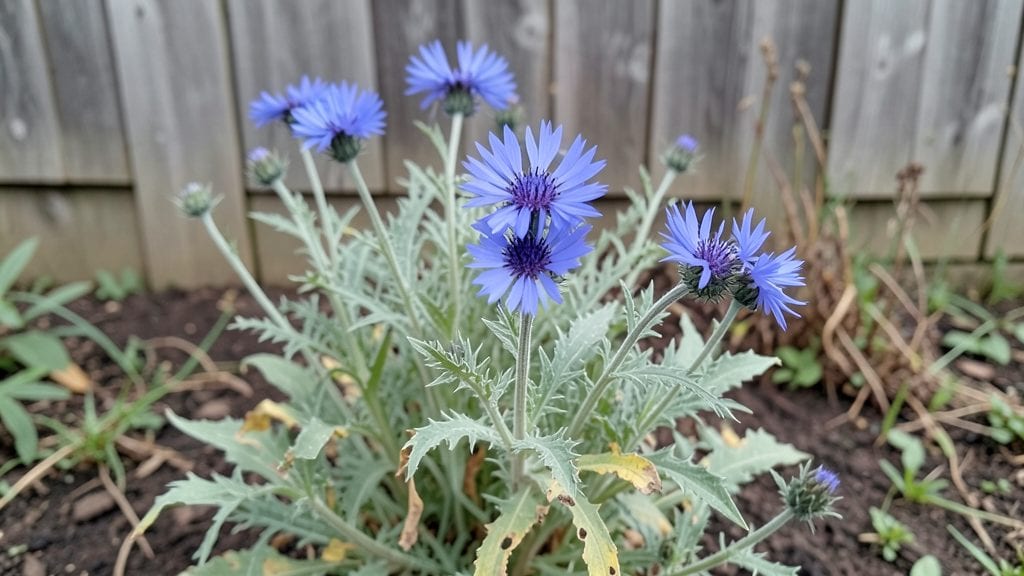
Growing cornflowers in pots lets you enjoy their bold blue blooms anywhere—balcony, patio, or windowsill—with almost no fuss. 🌿 I’ve filled containers with these cheerful flowers for years, and they never fail to bring color to small spaces where in-ground planting isn’t possible.
The secret lies in matching their love of sun, well-draining soil, and a pot just big enough to keep roots happy without overcrowding.
You’ll need 5-7 inch pots for each plant (or larger for multiple stems), a mix of potting soil and perlite for drainage, and a sunny spot getting at least 6 hours of light daily.
Water when the top inch feels dry—cornflowers hate soggy roots but bounce back fast when thirsty. A light feeding with balanced fertilizer every 4-6 weeks keeps blooms coming, though they’re forgiving if you forget.
By late spring, you’ll have stems packed with vibrant blue-purple blooms that last weeks, attracting bees and adding height to containers. The best part? They self-seed easily, so you’ll get free plants next year if you leave spent blooms on the stems.
Even in winter, they tolerate cooler temps better than many annuals, making them a year-round workhorse for small-space gardeners.
Works in everything from classic terracotta to hanging baskets—just avoid plastic pots that trap moisture. Here’s how to keep them thriving all season long.
📚 In This Guide
- What you need
- Instructions
- Tips and common mistakes
- Wrapping up and next steps
What you need
- ● Cornflower seeds: Choose a variety like Centaurea cyanus (annual) or Centaurea montana (perennial). Aim for 5–10 seeds per 6-inch pot or 15–20 seeds per 12-inch pot for fuller blooms.
- ● Well-draining potting mix: A high-quality blend with perlite or sand (e.g., 50% peat moss, 30% compost, 20% perlite). Avoid heavy garden soil—it causes root rot!
- ● Containers: Small pots (6-inch diameter) for single plants.
- ● Medium pots (10–12-inch diameter) for clusters (3–5 plants per pot).
- ● Drainage holes: Non-negotiable! Use a drill if repurposing decorative pots.
- ● Slow-release fertilizer: Granular 10-10-10 or organic options like worm castings (follow package rates).
- ● Watering can or spray bottle: Gentle watering prevents seed displacement.
- ● Grow lights: For indoor setups or early spring starts (12–14 hours/day).
- ● Mulch: Lightweight bark or gravel to retain moisture and suppress weeds.
- ● Decorative stones or pebbles: For a polished look (place on top of soil, not buried).
- ● Plant labels: Mark varieties if growing multiple types.
- ● Pruning shears: For deadheading spent blooms (encourages more flowers!).
Step-by-Step instructions for growing cornflowers in containers
Here's how to cultivate vibrant cornflowers in pots year after year with just a few key techniques.
🪴 Step 1: Choose the Right Containers and Soil Mix
Select pots that are at least 6 inches deep with drainage holes—cornflowers despise soggy roots. I prefer 8-inch diameter pots for each plant, as they provide enough space for strong root development without becoming top-heavy. Terra cotta works best because it breathes and helps regulate moisture.
Fill the pot with a well-draining potting mix—cornflowers thrive in loose, aerated soil. I blend one part perlite into three parts premium potting mix to prevent compaction. Moisten the mix until it feels like a wrung-out sponge: damp but not dripping. This ensures roots establish quickly without waterlogging.
🌱 Step 2: Plant Seeds at the Correct Depth and Spacing
Sow 2-3 seeds per pot at a depth of ¼ inch, which is roughly the diameter of a cornflower seed. Planting too deep delays germination, while planting too shallow risks drying out the seeds. I use my finger to press the soil gently around each seed—just enough to make contact without compacting.
Space seeds 2 inches apart within the pot. If you're growing multiple plants in one container, keep them 4-6 inches apart to allow airflow and prevent disease. Water lightly after planting, using a spray bottle to avoid disturbing the seeds. Keep the soil consistently moist until germination, which typically occurs in 7-14 days depending on temperature.
☀️ Step 3: Provide Full Sun and Consistent Watering
Cornflowers need 6-8 hours of direct sunlight daily to bloom their signature blue flowers. Place pots in a south-facing window or under grow lights if natural light is limited. Without enough light, stems grow leggy and flowers fail to open. You'll know your plants are happy when they develop deep green leaves and compact growth rather than stretching toward the light.
Water when the top inch of soil feels dry to the touch. Cornflowers are drought-tolerant once established, but young seedlings need consistent moisture. I water deeply but infrequently—once a week in warm weather, every 10 days in cooler months. Overwatering is the fastest way to kill these hardy plants, so always check soil moisture before watering.
✂️ Step 4: Deadhead and Fertilize for Continuous Blooms
Once flowers fade, deadhead (remove spent blooms) by pinching them off at the base. This encourages the plant to produce more flowers instead of going to seed. I do this every 2-3 days during peak bloom season to keep the plant looking tidy and productive. Cornflowers are self-cleaning, but regular deadheading extends the blooming period significantly.
Fertilize lightly every 4-6 weeks with a balanced, water-soluble fertilizer diluted to half strength. Too much fertilizer leads to lush foliage but fewer flowers. I use a 10-10-10 mix in spring and summer, then switch to a low-nitrogen formula in fall to support root development. Always water the soil before applying fertilizer to prevent root burn.
🌿 Step 5: Overwintering and Seasonal Care
Cornflowers are annuals, but you can extend their life by saving seeds or replanting each year. In fall, reduce watering as temperatures drop, allowing the soil to dry slightly between waterings. Move pots to a cool, bright location (like a garage with natural light) if winter temperatures dip below 20°F. Most cornflowers won’t survive freezing, but saving seeds ensures you can replant next spring.
In early spring, refresh the soil by adding a 1-inch layer of compost to the top of the pot. This replenishes nutrients without disturbing the roots. Prune back any dead or damaged foliage, and resume regular watering once new growth appears. With proper care, your cornflowers will bloom earlier and more abundantly each season.
Tips & tricks for perfect cornflower containers
A few simple techniques will help you grow vibrant cornflowers in pots that bloom beautifully year after year.
Container Selection: While 8-inch pots work well, consider using hanging baskets for a cascading display—just ensure they have drainage holes. I've found that terra cotta pots regulate moisture better than plastic, especially in humid conditions. If using plastic, water slightly more frequently since it retains moisture longer. The key is preventing soggy roots while maintaining consistent moisture.
Germination Boost: To speed up germination in Step 2, place your planted pots in a warm location (70-75°F) until sprouts appear. I often use a seedling heat mat set to low heat—this can cut germination time from 14 days down to just 7-10 days. Keep the soil consistently moist during this period, but avoid waterlogging which can cause seed rot. A spray bottle works perfectly for gentle watering without disturbing seeds.
Light Optimization: The 6-8 hours of direct sunlight requirement is non-negotiable for vibrant blooms. If your space lacks sufficient natural light, supplement with grow lights on a timer (12-14 hours/day). Position lights 6-12 inches above the plants and adjust height as they grow. You'll notice the difference immediately—plants under grow lights develop deeper green leaves and stronger stems compared to those struggling for light.
Seasonal Transition: In fall, when temperatures drop below 20°F, move pots to a protected location like a garage with natural light. I've had success overwintering cornflowers in unheated greenhouses or even on covered porches. The key is maintaining temperatures above freezing while still providing bright light—this prevents dormancy and keeps plants alive until spring replanting.
Pro Tips for Cornflowers In Pots
- A few simple techniques will help you grow vibrant cornflowers in pots that bloom beautifully year after year.
- Container Selection: While 8-inch pots work well, consider using hanging baskets for a cascading display—just ensure they have drainage holes.
- Germination Boost: To speed up germination in Step 2, place your planted pots in a warm location (70-75°F) until sprouts appear.
Frequently asked questions
Got questions about growing cornflowers in pots?
You’re not alone! Here are answers to the most common queries to help you keep your blue blooms thriving with ease.
Can cornflowers grow in pots year-round?
Cornflowers (Centaurea cyanus) are annuals, meaning they complete their life cycle in one season. While they thrive in pots during their growing season (spring to fall), they won’t survive winter outdoors in most climates. For year-round blue beauty, replant seeds each spring or opt for perennial alternatives like Nepeta (catmint) or Lobelia.
How long does it take for cornflower seeds to sprout in pots?
With proper care, cornflower seeds typically sprout in 10–14 days after planting. Keep the soil consistently moist (not soggy) and place pots in a sunny spot (6+ hours of light daily). If germination takes longer, check for consistent warmth (60–70°F) and avoid overwatering, which can cause rot.
Why are my potted cornflowers wilting or drooping?
Wilting in cornflowers usually signals underwatering or overwatering. Let the top inch of soil dry out between waterings, and ensure pots have drainage holes. If leaves turn yellow, it may be root rot—repot in fresh, well-draining soil. For extra resilience, place pots in morning sun to avoid afternoon heat stress.
Can I grow cornflowers in pots without full sun?
Cornflowers prefer full sun (6+ hours daily), but they can tolerate partial shade (4–6 hours) if you adjust care. In shadier spots, expect smaller blooms and leggier stems. Boost light with a grow light (12–14 hours/day) or choose a sunny balcony or windowsill. For low-light conditions, try blue-flowering alternatives like Myosotis (forget-me-nots).
What’s the best pot size for cornflowers?
Cornflowers have shallow roots, so a pot 6–8 inches wide and deep is ideal for 1–3 plants. Use well-draining soil (add perlite or sand if needed) and space seeds 6–12 inches apart. For larger pots, group 3–5 plants to create a fuller, cottage-garden look. Avoid tiny containers—they dry out too fast!
Are potted cornflowers prone to pests?
Cornflowers are pest-resistant, but watch for aphids or spider mites in dry conditions. Spray plants with neem oil or rinse off pests with water. To prevent issues, deadhead spent blooms and avoid overcrowding. Healthy plants in sunny pots rarely attract pests!
Wrapping up and next steps
Growing cornflowers in pots is a rewarding way to bring vibrant blue beauty to your space with minimal fuss! These hardy blooms thrive in containers, offering year-round color when cared for properly—whether you’re a seasoned gardener or just starting out.
With the right soil, sunlight, and occasional attention, you’ll enjoy long-lasting petals that brighten up patios, balconies, or even windowsills.
Ready to dive in? Start small—pick a sunny spot, grab a pot, and let these cheerful flowers do the work! 🌸 Whether you’re refreshing an old container or trying your hand at container gardening for the first time, your blue oasis is just a few steps away.