
Pruning
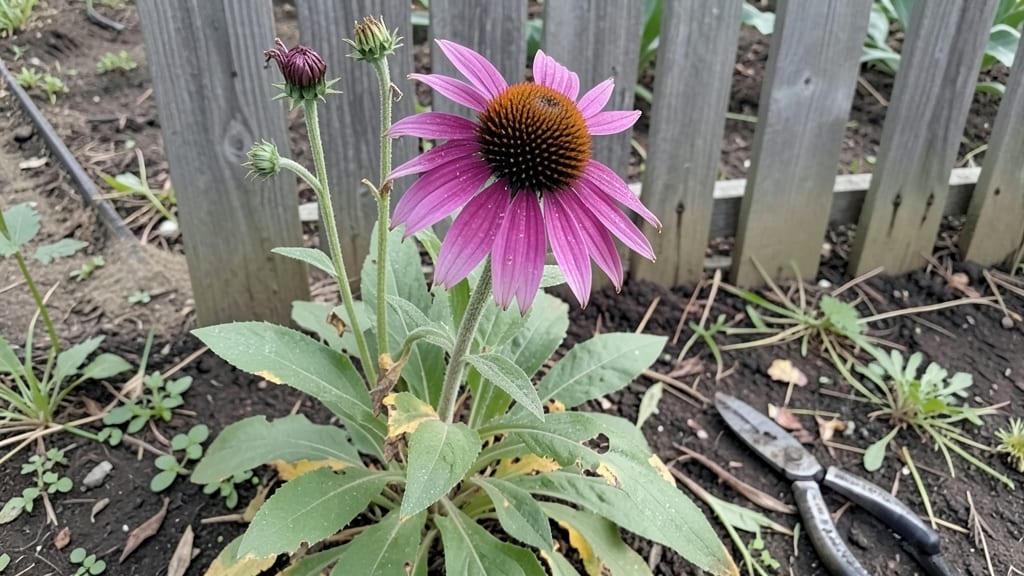
Watch this deadhead coneflowers video to unlock the trick that doubles next year’s blooms—no guesswork, just stronger plants and vibrant purple flowers all season. ✂️ that turns one season’s blooms into two. The key? Timing, tools, and knowing exactly where to cut.
You’ll need just three things: sharp pruners, a sunny afternoon, and a little patience. Grab your tools when the first blooms fade to brown—usually late summer—but before the seeds form. The goal is to remove spent flowers while leaving the plant’s energy for new growth, not seed production.
This method works for both established plants and new ones in your garden.
What you’ll end up with is a bushier plant covered in fresh blooms for weeks longer than usual. The stems stay sturdy, the foliage stays vibrant, and you’ll have fewer floppy, leggy plants by next season.
Plus, you skip the messy seed heads that can spread everywhere—just clean cuts and happy plants.
Whether you’re a first-time gardener or a seasoned pro, this technique scales easily. For larger gardens, deadhead every few days during peak bloom; for small patches, a weekly check keeps things manageable. Let’s get those coneflowers looking their best all season long!
📚 In This Guide
- What you need
- Instructions
- Tips and common mistakes
- Wrapping up and next steps
What you need
- ● Deadhead coneflowers: Mature plants with spent blooms (1+ year old for best results).
- ● Pruning shears or clean, sharp scissors: Bypass pruners (recommended for precision)
- ● OR small garden shears (blade length: 4–6 inches)
- ○ Gloves (optional but handy): Nitrile or leather gloves (to protect from thorns/stems)
- ● Disinfectant (70% isopropyl alcohol or bleach solution): 1 part bleach + 9 parts water (for cleaning tools between cuts)
- ● Garden twine or rubber bands (to bundle cut flowers for compost/arrangements).
- ● Pruning saw (for thick, woody stems—rare but possible in older plants).
- ● Knee pad or stool (if your garden is sprawling or you have back sensitivity).
- ● Camera or phone with a macro lens (to capture close-ups of your pruning process for the video!).
Step-by-Step pruning for longer coneflower blooms
Here's how I keep my coneflowers blooming all season long—no fancy tools required.
✂️ Step 1: Identify the Right Flowers to Deadhead
Wait until 50-70% of the petals have dropped naturally—this signals the seed head is mature but the plant still has energy stored. I look for flowers where the center cone is fully formed but the petals are mostly gone. Grab a pair of clean, sharp pruners or just use your fingers if you're in a hurry.
Never cut healthy blooms still in full color. You'll know you've picked the right ones when the center cone looks plump and the remaining petals are brown or wilted. This ensures the plant redirects its energy to new growth instead of seed production.
✂️ Step 2: Cut at the Right Angle and Spot
Make your cut just above the first set of healthy leaves below the spent bloom. This is where new side shoots will emerge. I angle my cut slightly downward to prevent water from pooling on the stem—this keeps diseases at bay. If you're using pruners, wipe them with rubbing alcohol between cuts to avoid spreading any potential pathogens.
Don't cut too close to the main stem. You want to leave at least ½ inch of stem with leaves attached. This gives the plant a strong base to grow new blooms from. If you accidentally cut too low, don't stress—the plant will still recover, but you might lose that particular bloom cycle.
☀️ Step 3: Encourage New Growth with Proper Timing
Deadhead in the early morning when the plants are still slightly dewy. This reduces stress on the plant and gives it time to recover before the heat of the day. I like to do this every 7-10 days during peak bloom season, which for me is late June through August.
Watch for new buds forming at the base of where you made your cuts. You'll see them as small, tight clusters of green petals. This is your signal that the pruning worked! If you don't see new growth after a couple of weeks, your plant might need more sunlight or water.
🌿 Step 4: Maintain the Plant Through the Season
After deadheading, water the plant at the base to help it recover. I give it a good soak in the evening to prevent evaporation overnight. Coneflowers are drought-tolerant once established, but they'll reward you with more blooms if you keep the soil consistently moist during hot spells.
Remove any spent seed heads that form on side shoots as well. These can drain energy from your main blooms. I do a quick once-over every couple of weeks to keep everything tidy. This isn't just about looks—it's about giving your coneflowers the best chance to keep producing stunning blooms all season.
⏰ Step 5: Prepare for Next Season
In late fall, after the first hard frost, cut back the entire plant to 3-4 inches above the ground. This prevents disease and pests from overwintering in the dead stems. I use clean pruners and dispose of the clippings in the trash, not the compost pile, to avoid spreading any potential issues.
Leave the seed heads on a few plants if you want to collect seeds for next year. The dried flowers make beautiful winter decorations too! Just tie them up and hang them in a dry place. Your coneflowers will come back even stronger next spring with proper winter care.
Tips & tricks for perfect coneflower pruning
Here's what I've learned after years of keeping my coneflowers blooming beautifully—these little tricks make all the difference!
Visual Cues for Perfect Timing: In Step 1, when you're checking for those 50-70% dropped petals, look for the center cone to be fully formed and the remaining petals to look papery or brown. This is your perfect signal—it means the flower has done its job pollinating and is ready to be redirected. I always check a few flowers first to confirm they're all at this stage before starting my pruning session.
Tool Selection Matters: While fingers work in a pinch, I recommend using clean pruners for larger gardens. The key is to keep your tools sharp—dull pruners can crush stems and invite disease. After each cut, wipe your pruners with rubbing alcohol (as mentioned in Step 2) to prevent spreading any potential pathogens between plants. This simple habit has kept my coneflowers healthier for years.
Seasonal Maintenance Strategy: During peak bloom season (late June through August), I set a reminder to deadhead every 7-10 days. But here's the thing—don't stress about being perfect. Even if you miss a week, your plants will still produce new blooms. The important part is maintaining that regular rhythm so your coneflowers know it's safe to keep putting energy into flowers rather than seeds.
Winter Prep Pro Tip: When you're cutting back to 3-4 inches in late fall (Step 5), leave a few plants with seed heads if you want to collect seeds. I always mark these plants with small flags so I remember which ones to leave. The dried seed heads make gorgeous winter decorations too—just tie them up and hang them in a dry place before they release their seeds.
Pro Tips for Deadhead Coneflowers Video
- Here's what I've learned after years of keeping my coneflowers blooming beautifully—these little tricks make all the difference!
- Visual Cues for Perfect Timing: In Step 1, when you're checking for those 50-70% dropped petals, look for the center cone to be fully formed and the remaining petals to look papery or brown.
- Tool Selection Matters: While fingers work in a pinch, I recommend using clean pruners for larger gardens.
Frequently asked questions
Got questions about deadheading coneflowers? Here are some common ones—and their answers—to help you keep those beautiful blooms coming!
Why should I deadhead coneflowers at all?
Deadheading (removing spent blooms) encourages your coneflowers to produce more flowers by redirecting energy from seed production back to new growth. Without it, your plant may focus on making seeds instead of blooming, shortening its flowering season. Think of it as giving your plant a little "push" to keep showing off!
When is the best time to deadhead coneflowers?
The ideal time is right after a bloom wilts or fades—usually in late summer or early fall. Avoid cutting too late in the season, as this can reduce winter hardiness. Pro tip: Wait until the flower head turns brown before snipping to ensure you don’t accidentally cut off new buds.
Can I just pull off dead flowers by hand instead of cutting?
If you prefer a no-tools approach, simply pinch or twist off faded blooms with your fingers. Just be gentle to avoid damaging the stem or leaves. However, for thicker stems or larger blooms, clean pruners make the job easier and more precise.
What if I miss deadheading—will my coneflowers still bloom?
Yes! Coneflowers are hardy and will still bloom even if you skip deadheading. However, you’ll likely see fewer flowers and a shorter flowering season. Think of it like skipping a workout—you’ll still function, but you won’t perform at your best. A little effort goes a long way!
Can I reuse the cut flowers for arrangements?
Deadheaded coneflowers make stunning long-lasting cut flowers. Their unique shape and durability (they last weeks in a vase!) make them a gardener’s dream. Just trim the stems at an angle and place them in water immediately to extend their life. Bonus: Their seed heads add rustic charm to winter arrangements too!
Wrapping up and next steps
Deadheading coneflowers is a simple yet powerful way to keep your garden vibrant and encourage longer, healthier blooms. 🌸 By following these steps—whether you’re using pruners, shears, or even your hands—you’ll not only tidy up your plants but also give them a second chance to flourish.
Now that you’re armed with the know-how, grab your tools and get pruning!
💡 Next Step:
Ready to see the magic happen? Watch our deadheading coneflowers video for a visual guide, or head outside and start pruning today! Your garden will thank you with stunning, extended blooms all season long.