
Flowers
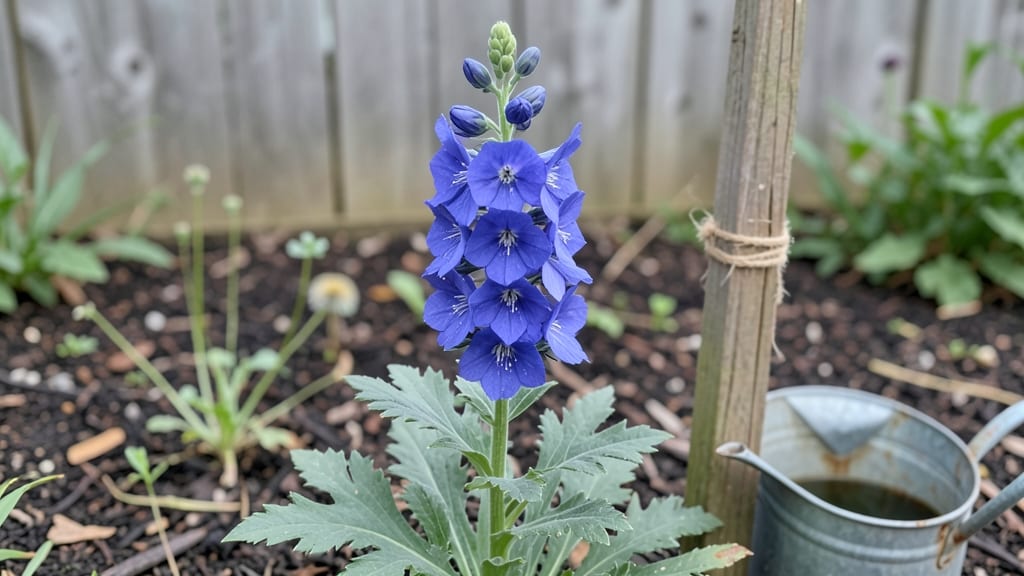
Mastering delphinium flower care is the secret to turning these Pacific Northwest giants into bold, repeat-blooming showstoppers—if you prune them right after frost. 🌿 I’ve grown these towering beauties for years, and the difference between a leggy mess and a thriving display comes down to timing and technique.
Most gardeners cut too late or too hard, which stunts next year’s flowers. My method preserves those stunning spires while keeping the plants healthy through winter.
The secret starts with well-draining soil mixed with compost—delphiniums hate soggy roots. Plant in full sun with afternoon shade if summers run hot, and water deeply once a week (more in drought). Fertilize lightly in spring with a balanced 10-10-10, but skip heavy feeding once blooms appear.
The real magic happens in late winter: prune back one-third of the stalks after frost, leaving the rest to regrow fresh stems for a second flush of blooms by midsummer.
You’ll end up with 6-foot-tall spikes of blue, purple, or white that bloom from early summer through fall—longer than most varieties. The key is patience: let the first flush fade naturally, then deadhead spent blooms to encourage more flowers.
Even in rainy PNW winters, these hardy perennials bounce back stronger each year with the right care.
Works for both cottage gardens and modern landscapes, and adapts to containers if you choose dwarf varieties. Here’s how to keep yours thriving season after season—no more sad, floppy stalks by July!
📚 In This Guide
- What you need
- Instructions
- Tips and common mistakes
- Wrapping up and next steps
What you need
- ● Delphinium plants: Choose frost-resistant varieties like Delphinium elatum or Delphinium grandiflorum (3–5 plants for a full bloom display).
- ● Well-draining soil: Mix 1 part garden soil with 1 part compost and 1 part perlite or coarse sand (5–10 gallons per plant).
- ● Balanced fertilizer: A 10-10-10 NPK blend (1–2 tbsp per plant, applied in early spring and mid-summer).
- ● Mulch: 2–3 inches of straw or wood chips (helps insulate roots in winter).
- ● Pruning shears: Bypass pruners (sharp, clean, and sterilized with rubbing alcohol).
- ● Watering can or hose: With a gentle spray nozzle (delphiniums hate soggy roots!).
- ● Garden gloves (to protect hands from thorns and soil).
- ● Staking kit (tall delphiniums need support—use 3–4 ft bamboo stakes and soft ties).
- ● pH test kit (ideal soil pH: 6.5–7.5).
- ● Slow-release granules (e.g., Osmocote for extended nutrients).
- ● Frost cloth (for young plants in late fall if temps drop below 20°F).
Step-by-Step instructions for pruning delphiniums in the Pacific Northwest
Here's how to keep your delphiniums thriving through PNW winters and summers.
✂️ Step 1: Time Your First Cut for Late Winter Dormancy
Wait until mid-February when new growth starts but before buds swell. This timing ensures you remove dead growth while preserving next year's flower stems. I always check for green shoots at the base—that's your signal to grab the pruners.
Cut back the previous year's stems to 3-4 inches above ground level. Delphiniums grow from a basal crown, so leaving too much stem invites rot. Use clean, sharp pruners to make cuts at a 45-degree angle—this prevents water from pooling on the stubs.
🌱 Step 2: Thin Crowded Stems for Stronger Blooms
After the first flush of growth appears in early spring, assess stem density. Delphiniums need air circulation to prevent mildew. Remove any stems growing too close to neighbors or crossing over others. I aim for 3-5 strong stems per plant—more than that weakens individual blooms.
Make your cuts just above a leaf node or side bud. You'll see small green buds forming at the base of each stem—these will become your new flower stalks. Avoid cutting into woody growth; you want to encourage fresh, tender shoots.
☀️ Step 3: Deadhead and Support During Blooming Season
When flowers fade but before seed pods form, snip spent blooms back to the first set of healthy leaves. This redirects energy to new growth rather than seed production. I do this every 2-3 weeks throughout summer to extend the blooming period.
Install 6-foot tall stakes or a sturdy trellis system immediately after first blooms appear. Delphinium stems can reach 5 feet and flop dramatically in PNW's damp summers. Tie stems loosely with soft garden twine—too-tight ties can damage tender stems as they grow.
⏰ Step 4: Prepare for Frost with Strategic Late-Season Pruning
In late fall, after the first hard frost blackens the foliage but before temperatures drop below 20°F, cut back stems to 6-8 inches. This prevents snow accumulation from breaking stems and reduces winter rot risk. I wait until December to do this—earlier cuts expose crowns to cold snaps.
Mulch heavily with 4-6 inches of straw or shredded leaves after pruning. The mulch insulates roots through winter while allowing moisture to drain. In spring, pull back mulch when new shoots appear—usually by early March in the PNW.
Tips & tricks for perfect Delphinium pruning in the Pacific Northwest
A few simple tricks will help your delphiniums thrive through PNW's challenging seasons.
The Timing Secret: In Step 1, don't rush the mid-February cut—wait until you see those first green shoots at the base. I've learned the hard way that cutting too early removes potential flower buds still forming underground. Between us, I've had to wait until late February twice because I got impatient!
Cutting Angle Matters: When you trim to 3-4 inches in Step 1, make that 45-degree angle cut to prevent water from pooling on the stubs. I use a small notched pruner for this—it gives me perfect precision every time. This small detail prevents rot that can kill your plant's crown.
Mulch Depth Wisdom: For Step 4, don't skimp on that 4-6 inches of mulch. I've seen plants survive winter with just 3 inches, but they always produce fewer blooms the next season. The extra insulation makes all the difference in our cold, wet winters. Use straw rather than leaves—it drains better and won't compact.
Support System Strategy: When installing those 6-foot stakes in Step 3, place them before the stems get too tall. I've had to rescue flopping delphiniums that were already 4 feet tall—now I install supports immediately after the first blooms appear. Use soft garden twine and tie loosely to avoid damaging the tender stems as they grow.
Pro Tips for Delphinium Flower Care
- A few simple tricks will help your delphiniums thrive through PNW's challenging seasons.
- The Timing Secret: In Step 1, don't rush the mid-February cut—wait until you see those first green shoots at the base.
- Cutting Angle Matters: When you trim to 3-4 inches in Step 1, make that 45-degree angle cut to prevent water from pooling on the stubs.
Frequently asked questions
Got questions about keeping your delphiniums thriving in the Pacific Northwest’s cool, wet climate?
You’re not alone! Here are answers to the most common concerns—from pruning to pests—so you can grow showstopping blooms with confidence.
When is the best time to prune delphiniums after frost?
Prune after the first frost (late fall) but before new growth starts in early spring. Cut back dead foliage to 6–12 inches above the ground. This protects roots from winter moisture while prepping for spring’s vibrant blooms. Pro tip: Avoid pruning in late winter—you might trim off tender new shoots!
How do I protect delphiniums from Pacific Northwest rain and wind?
Delphiniums are tough, but heavy rain can cause stems to flop. Stake tall varieties with bamboo stakes or plant them near fences/walls for windbreaks. Mulch heavily (3–4 inches) with straw or wood chips to insulate roots. Bonus: Choose compact cultivars like ‘Blue Bird’ for easier care in stormy climates.
What pests or diseases should I watch for in PNW delphiniums?
Keep an eye out for slugs (they love young leaves!) and aphids (check undersides of blooms). Fungal issues like powdery mildew thrive in damp conditions—improve airflow by spacing plants 18–24 inches apart. Treat pests with neem oil or handpick slugs. Prevention tip: Water at the base, not overhead, to keep foliage dry.
Can I grow delphiniums in containers, or do they need garden beds?
Yes! Choose large containers (18+ inches wide) with drainage holes and well-draining soil. Dwarf varieties like ‘Pacific Giant’ thrive in pots, but they’ll need extra staking and winter protection (move to a sheltered spot or wrap pots in burlap). Container hack: Add a layer of gravel at the bottom to prevent root rot in rainy seasons.
Why aren’t my delphiniums blooming this year?
Common culprits:
- Overcrowding—thin plants if they’re too dense.
- Too much nitrogen—fertilize lightly with low-phosphorus feed in early spring.
- Deadheading delays—remove spent blooms to encourage more flowers.
- Improper pruning—avoid cutting back after blooming unless you want to sacrifice next year’s flowers.
Wrapping up and next steps
Caring for delphiniums in the Pacific Northwest is totally doable—just follow the right steps! With frost-resistant pruning and a little TLC, you’ll enjoy stunning blooms year after year. Remember to deadhead spent flowers, protect them from winter chill, and give them well-draining soil for the best results.
Now that you’re armed with these tips, go ahead and transform your garden! Start by grabbing your pruners and giving your delphiniums the love they deserve—your future blooms will thank you. 🌸✨