
Flowers
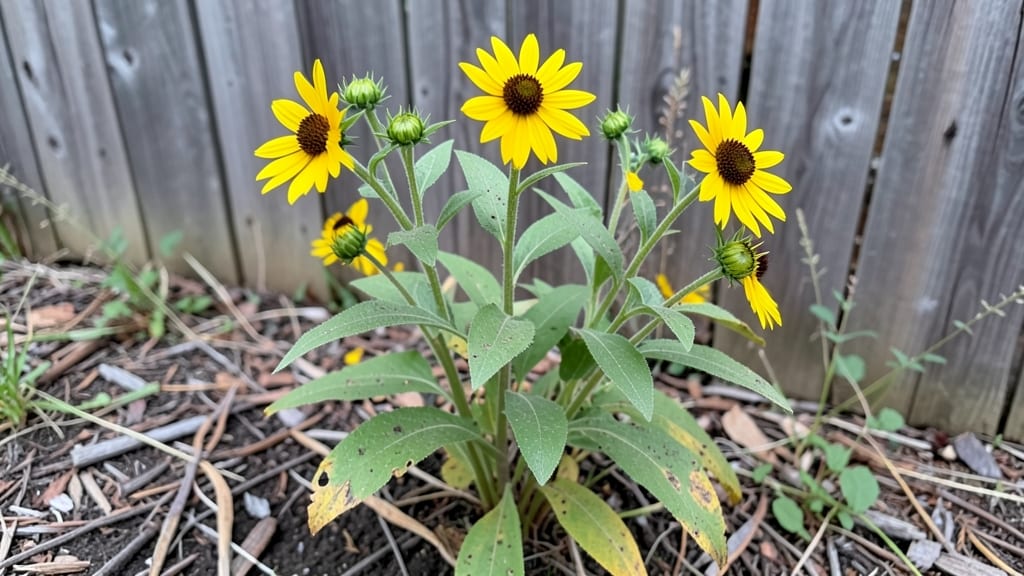
Dinner plate flowers turn ordinary garden beds into jaw-dropping focal points that stop traffic and start conversations. 🌻 I learned this the hard way—my first attempt with sunflowers and dahlias looked like a botanical disaster until I rearranged them by height and color.
The secret isn’t just picking big blooms; it’s placing them where they shine.
Think of your garden as a stage: tall varieties like sunflowers or peonies go at the back, medium-height hydrangeas in the middle, and trailing foliage like hostas or ferns in front to frame them.
Color coordination matters too—pink dahlias paired with lavender catmint create a dreamy, cohesive look, while bold red sunflowers pop against green foliage. Even a small space can feel dramatic with the right placement.
What you’ll end up with is a garden that feels like a living painting—every bloom oversized, every arrangement intentional. Guests won’t just notice your flowers; they’ll ask where you got the inspiration.
The best part? These plants thrive in full sun or partial shade, so you’re not limited by your yard’s conditions.
Ready to transform your garden into a showstopper? Start with one bold variety, then layer in complementary plants. The results will have your neighbors reaching for their cameras—and maybe even swapping seeds with you.
📚 In This Guide
- What you need
- Instructions
- Tips and common mistakes
- Wrapping up and next steps
What you need
- ● Large dinner plates (or shallow bowls): 1–3 (depending on your design). Choose ones with a wide, flat rim for stability.
- ● Floral foam or chicken wire: 1 block (or enough wire to create a base). Floral foam (6"x6"x2") is beginner-friendly!
- ● Fresh flowers: A mix of medium-to-large blooms like ranunculus, dahlias, roses, or hydrangeas (6–12 stems, depending on size).
- ● Greenery or filler flowers: Eucalyptus, ferns, or baby’s breath (3–6 stems) for texture and volume.
- ● Floral tape or twine: 1 roll (to secure stems).
- ● Scissors or floral shears: 1 pair (for clean cuts).
- ● Water and floral preservative: 1 small container (to extend bloom life).
- ○ Optional: Hot glue gun (for extra hold on foam).
- ○ Optional: Decorative elements like lace, ribbons, or spray paint (for a themed look).
- ○ Optional: A spray bottle (to mist blooms for freshness).
How to grow striking dinner plate flowers for showstopping centerpieces
Here's how I grow bold, statement-making blooms that turn any table into a focal point.
🌱 Step 1: Select the Right Varieties for Large Blooms
Start with varieties bred for oversized flowers like Sunflower 'Moulin Rouge' (12-inch blooms), Dahlia 'Café au Lait' (6-inch dinner-plate dahlias), or Ranunculus 'Buttercup' (5-inch ruffled blooms). These grow best in full sun (6-8 hours daily) and need well-draining soil to support their heavy blooms.
I always check the plant tag for mature bloom size—some labeled "dinner plate" only reach 4 inches! For maximum impact, choose varieties with contrasting centers (like black-eyed sunflowers) or layered petals (like ranunculus). Plant seeds 6-8 weeks before last frost indoors or direct-sow after soil warms to 60°F.
☀️ Step 2: Prepare the Planting Site for Heavy Blooms
Amend your soil with 3 inches of compost and a 2-3 inch layer of coarse sand to prevent root rot from waterlogged soil. Dinner plate flowers need deep roots to support their weight—dig planting holes twice as wide as the root ball and 1 inch deeper.
Space plants 18-24 inches apart (check variety spacing requirements). I stake tall varieties like sunflowers immediately after planting to prevent wind damage. For dahlias and ranunculus, add a 6-inch tall support cage at planting time—they'll appreciate it when blooms reach 10+ inches wide.
💧 Step 3: Water Deeply and Fertilize for Giant Blooms
Water deeply 2-3 times weekly until soil is 6-8 inches moist—shallow watering stresses plants and reduces bloom size. I use a soaker hose to deliver water slowly at the base, avoiding wet foliage which spreads disease.
Feed every 2-3 weeks with a balanced 10-10-10 fertilizer until buds form, then switch to low-nitrogen 5-10-10 to encourage larger blooms. For dahlias, I pinch back stems when they reach 12 inches tall to promote bushier growth with more flower stems.
✂️ Step 4: Deadhead and Support for Continuous Display
Remove spent blooms immediately by cutting the stem 1 inch below the flower head. This redirects energy to new blooms and prevents seed formation, which drains the plant. For dahlias, I also cut back any stems that flower before reaching 3 feet tall—these produce smaller blooms.
Add stakes or cages every 4-6 weeks as plants grow taller. I tie stems to supports with soft plant ties to prevent stem damage. The goal is to keep blooms upright and visible—nothing ruins a centerpiece faster than drooping flowers.
🎨 Step 5: Harvest and Arrange for Maximum Impact
Harvest blooms in the early morning when stems are fully hydrated. Cut stems at a 45-degree angle and place immediately in lukewarm water to extend vase life. For arrangements, I use 3-4 stems per variety in a 12-inch diameter vase—the large blooms create instant drama.
Change water every 2 days and trim stems by 1 inch to encourage uptake. Add a flower food packet to prevent bacterial growth. With proper care, your dinner plate flowers will last 7-10 days in arrangements—long enough to wow guests at any gathering.
Tips & tricks for perfect dinner plate flowers
These simple strategies will help you grow showstopping blooms that steal the show at any table.
Variety Verification: Always double-check plant tags for mature bloom sizes—what's labeled "dinner plate" sometimes only reaches 4 inches. I once bought a batch of dahlias labeled "giant" that only produced 5-inch blooms. For true statement flowers, look specifically for varieties like 'Moulin Rouge' sunflowers (12-inch) or 'Café au Lait' dahlias (6-inch). The difference in impact is night and day!
Sunlight Secret: While 6-8 hours of full sun is ideal, I've found that morning sun (6am-12pm) is more valuable than afternoon sun—it prevents wilting before evening gatherings. If your garden gets afternoon shade, position taller varieties like sunflowers where they'll get the most light, and place shorter dahlias or ranunculus in slightly shadier spots.
Soil Science: That 2-3 inch layer of coarse sand isn't just for drainage—it also helps prevent soil compaction around those heavy dinner plate blooms. I mix in perlite instead of sand for containers, and always test soil moisture by sticking my finger 6-8 inches deep. If it's dry at that depth, it's time to water deeply. The goal is to keep roots consistently moist without waterlogging.
Support System: Don't wait until plants are leaning to add stakes! I install 6-inch support cages at planting time for dahlias and ranunculus, and immediately stake sunflowers. The key is to position supports before the plant's natural growth creates leverage that can snap stems. Use soft plant ties that won't cut into stems as they grow—nylon stockings work perfectly for this.
Pro Tips for Dinner Plate Flowers
- These simple strategies will help you grow showstopping blooms that steal the show at any table.
- Variety Verification: Always double-check plant tags for mature bloom sizes—what's labeled "dinner plate" sometimes only reaches 4 inches.
- Sunlight Secret: While 6-8 hours of full sun is ideal, I've found that morning sun (6am-12pm) is more valuable than afternoon sun—it prevents wilting before evening gatherings.
Frequently asked questions
What makes dinner plate flowers different from regular blooms?
Dinner plate flowers are oversized varieties (like giant dahlias, sunflowers, or ranunculus) that command attention as bold centerpieces. Their sheer scale—often 6+ inches wide—makes them ideal for dramatic displays, while standard blooms (like roses or tulips) are smaller and better suited for bouquets or smaller arrangements.
How long do dinner plate flowers last in a vase?
With proper care, most dinner plate blooms last 7–10 days in a vase. Cut stems at an angle, change the water every 2–3 days, and trim foliage touching the water to extend their lifespan. Pro tip: Add a splash of bleach (1 tsp per gallon) or floral preservative to keep them fresh longer!
Are dinner plate flowers more expensive than regular flowers?
Yes! Their rarity and size drive up costs—expect to pay $20–$50 per stem (vs. $5–$15 for standard blooms). To save money, mix them with smaller filler flowers or opt for seasonal varieties (like late-summer dahlias) when prices dip. Budget hack: Buy wholesale from local farms or floral markets.
Can I grow dinner plate flowers at home?
Many varieties (like giant sunflowers or peony blooms) thrive in home gardens with full sun (6+ hours/day) and well-draining soil. Start seeds indoors 6–8 weeks before the last frost for best results. Grower’s tip: Stake tall stems early to prevent flopping—dinner plate blooms can weigh 5+ pounds!
What’s the best way to arrange them without overpowering the table?
Use the “odd-number rule”—group 3 or 5 stems in a tall, narrow vase (like a bud vase) to balance their size. Pair with trailing greens (eucalyptus, ivy) or smaller blooms to soften the look. For rustic vibes, try a wooden slab or galvanized bucket as a base. Design pro tip: Remove lower leaves to avoid waterlogging!
Troubleshooting: Why are my dinner plate flowers wilting fast?
Common culprits:
- Bacterial buildup in the vase—clean with vinegar or replace water daily.
- Ethylene gas from overripe fruit nearby—keep flowers away from bananas or apples.
- Poor stem cuts—recut stems every 2 days at a 45° angle under water.
- Heat stress—move arrangements away from direct sunlight or heating vents.
If stems feel mushy, they’re likely infected—trim above the bad spot and refresh the water.
Wrapping up and next steps
Dinner plate flowers are more than just a stunning addition to your table—they’re a conversation starter, a burst of color, and a way to elevate any gathering with minimal effort.
Whether you’re a seasoned florist or a beginner, these bold blooms bring joy, elegance, and fresh energy to your space. 🌸
Ready to level up your floral game? Start by experimenting with a single statement bloom in a sleek vase, or dive deeper into arranging techniques to create show-stopping centerpieces. Your guests—and your Instagram feed—will thank you! 📸✨