
Picking
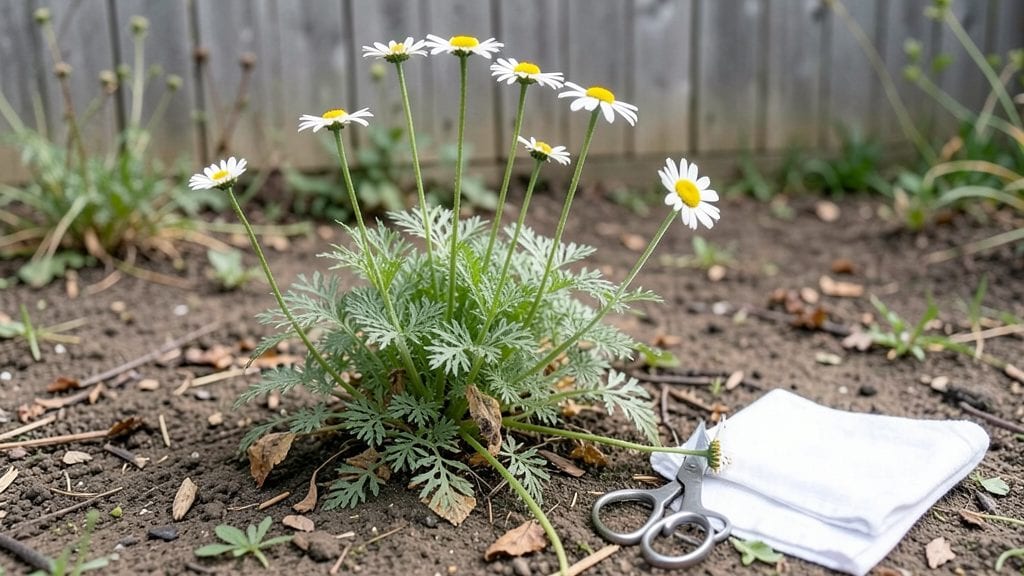
Harvesting chamomile flowers at the perfect moment transforms your garden into a fragrant goldmine for tea and remedies. 🌼 The secret lies in timing—picking just as the buds begin to open ensures the highest concentration of beneficial compounds and the most delicate flavor.
My first harvest taught me that patience pays off: waiting too long means bitter, woody stems instead of sweet, floral blooms.
You’ll need only a few simple tools: sharp scissors or pruning shears (to avoid crushing stems), a clean basket or paper bag (to preserve freshness), and a sunny day with dry conditions (to prevent mold).
The process takes about 20 minutes for a small patch, and you’ll harvest enough for dozens of cups of tea—or even homemade chamomile oil. For best results, harvest in the morning after the dew dries but before the sun peaks.
When you’re ready, snip the stems just above a set of leaves to encourage bushier growth. Shake off any debris and lay the flowers in a single layer on a screen or clean towel to dry in a warm, dark spot for 1-2 weeks.
The dried blooms should crumble easily between your fingers—a sure sign they’re ready for storage in airtight jars. Store them in a cool, dark place to preserve their soothing properties for up to a year.
This method works for both garden beds and container-grown chamomile, and the same principles apply whether you’re drying flowers for tea, infusing oils, or crafting herbal sachets.
The key is consistency: harvest regularly to keep your plants producing, and you’ll enjoy a steady supply of this gentle, versatile herb all season long.
📚 In This Guide
- What you need
- Instructions
- Tips and common mistakes
- Wrapping up and next steps
What you need
- ● Pruning shears or sharp scissors – A pair with clean, sharp blades (4-6 inch blades work best). ✨ Pro tip: Sanitize with rubbing alcohol before use!
- ● Garden gloves – Lightweight, breathable gloves to protect your hands from thorns or rough stems.
- ● A large, shallow basket or breathable cloth bag – Avoid plastic bags to prevent moisture buildup (which speeds up wilting).
- ● A spray bottle with water – For misting flowers if they start to wilt during harvest.
- ● A small notebook & pen – To log harvest dates, weather conditions, or plant health notes.
- ● Harvesting tray or flat surface – For sorting and drying flowers post-harvest.
- ● Drying rack or screen – Elevates flowers for even airflow (aim for 60-70°F and low humidity).
- ● Paper towels or parchment paper – To gently pat dry any dew or moisture.
- ● Labeling tags or jars – If you’re drying for later use (e.g., tea blends).
- ● Sunscreen & hat – Chamomile fields can get sunny—stay protected!
- ● Identify your chamomile plants – Ensure they’re German chamomile (Matricaria chamomilla) or Roman chamomile (Chamaemelum nobile) (avoid double-flowered varieties—they’re sterile!).
- ● Check the weather – Harvest on a dry, sunny morning after dew has evaporated.
- ● Wait for peak bloom – Flowers should be fully open but not yet wilting (usually 2–3 days after budding).
Step-by-Step instructions for harvesting chamomile flowers at peak freshness
Here's how I harvest chamomile so the delicate blooms stay fragrant and potent for tea or drying.
☀️ Step 1: Time Your Harvest for Morning Dew and Closed Buds
Pick chamomile flowers in the early morning, just as the dew dries but before the sun reaches full strength. This preserves their natural oils and prevents wilting. Look for buds that are fully formed but still closed—once they open, the petals start to lose their potency and flavor.
I run my fingers gently over the stems to check for closed buds with tight, rounded centers. Open flowers may still look pretty, but they'll yield bitter tea. The best time is typically between 7-9 AM, when the air is cool and the plants are hydrated from the night.
✂️ Step 2: Cut Stems Cleanly With Sharp Scissors or Pruners
Use clean, sharp pruning shears or garden scissors to snip stems about 2-3 inches below the flower head. This prevents damage to the plant and encourages bushier growth. Avoid pulling flowers by hand—it can tear stems and leave the plant vulnerable to disease.
Make your cuts at a 45-degree angle to increase surface area for water uptake if you're replanting cuttings. I like to harvest a few stems at a time and place them in a breathable container like a mesh bag or paper towel-lined basket to keep them dry and airy.
🌿 Step 3: Process Flowers Immediately for Maximum Potency
Once harvested, lay the flowers out on a clean, dry towel in a single layer. Let them air-dry naturally in a shady, well-ventilated spot for 3-5 days. Avoid direct sunlight—it can bleach the petals and degrade their delicate compounds. A dark, airy closet or a covered porch works perfectly.
Gently stir the flowers once or twice daily to ensure even drying. If you're in a humid climate, drying may take longer—watch for the petals to become crisp and brittle to the touch. Properly dried chamomile will have a sweet, apple-like aroma when rubbed between your fingers.
🪴 Step 4: Store Harvested Flowers Properly for Long-Term Use
Once fully dried, remove the flower heads from the stems and store them in an airtight glass jar away from light and moisture. Label the jar with the harvest date—freshly dried chamomile retains its best flavor for 6-12 months when stored correctly.
For tea blends, crush the dried petals lightly with a mortar and pestle or rolling pin before storing. This releases more of the calming, aromatic oils. I like to keep a small jar on hand for daily tea, and a larger batch in the pantry for seasonal use.
⏰ Step 5: Encourage Continuous Blooming Through Regular Harvesting
Chamomile plants reward consistent care. After harvesting, water the base of the plant deeply to encourage new growth. Pinch back any leggy stems to promote bushier, more productive plants. With regular harvesting, your chamomile should keep producing fresh blooms for 3-4 weeks in ideal conditions.
If you notice the plant slowing down, give it a light feeding with a balanced organic fertilizer. Avoid over-fertilizing—chamomile thrives in lean soil and too much nitrogen can reduce flower production. A little goes a long way with this hardy perennial.
Tips & tricks for perfect chamomile harvesting
These little details make all the difference when harvesting chamomile—trust me, I've learned them the hard way!
Morning Matters: The 7-9 AM window is critical for peak freshness. If you miss morning, wait until late afternoon when temperatures drop again. I've found that harvesting after rain actually enhances the floral notes—just make sure the plants are completely dry before handling. The dew-damp flowers hold their shape better and retain more aromatic oils.
Cutting Technique: That 2-3 inch stem cut below the flower head isn't arbitrary—it's about plant health. A clean cut prevents tearing and encourages new growth from the stem nodes. Pro tip: Use a dedicated pair of pruners for chamomile only. I keep mine in a small bucket of rubbing alcohol between uses to prevent cross-contamination with other herbs.
Drying Wisdom: The 3-5 day drying time can vary dramatically based on humidity. In my experience, a simple kitchen fan aimed at your drying tray can cut drying time by nearly half. Watch for those petals to become crisp and brittle—they should crumble easily between your fingers. If they still feel soft after 5 days, you're likely dealing with high humidity.
Storage Secret: That airtight glass jar isn't just for protection—it's for flavor preservation. I've noticed chamomile stored in plastic containers loses its sweet apple aroma within months. For long-term storage, add a small envelope of silica gel packets to absorb any lingering moisture. The crushed petals in Step 4 release more oils, but don't over-crush—they should still be recognizable as chamomile petals.
Pro Tips for Harvest Chamomile Flowers
- These little details make all the difference when harvesting chamomile—trust me, I've learned them the hard way!
- Morning Matters: The 7-9 AM window is critical for peak freshness.
- Cutting Technique: That 2-3 inch stem cut below the flower head isn't arbitrary—it's about plant health.
Frequently asked questions
Got questions about harvesting chamomile? You’re not alone! Here are answers to the most common queries—from timing to troubleshooting—to help you harvest like a pro.
When is the best time of day to harvest chamomile flowers?
The ideal time is early morning after the dew has dried but before the sun gets too intense (around 8–10 AM). This ensures the flowers are fully open, hydrated, and packed with essential oils. Avoid harvesting after rain—wet petals can mold or lose potency.
How do I know if chamomile flowers are ready to pick?
Look for fully open but not yet wilted flowers with bright yellow centers and white petals that haven’t started curling. If the buds are still tightly closed, wait 1–2 days. Overripe flowers (brown edges or drooping) lose flavor and medicinal properties.
Can I harvest chamomile from my garden if it’s not fully bloomed?
Yes! You can gently snip the tips of stems when the first buds form (just as they begin to open). This encourages more blooms to develop. However, fully open flowers yield the strongest tea and highest essential oil content. For consistent harvests, trim plants back by ⅓ after flowering.
What should I do if my chamomile flowers get rained on before harvesting?
Don’t panic! Let them dry in the shade for 24–48 hours to evaporate moisture. If they’re moldy or slimy, toss them. To prevent future issues, harvest on dry days or use a lightweight cover (like a breathable fabric) to shield plants from light rain.
Is it okay to harvest chamomile leaves, or should I only pick the flowers?
While flowers are the star for tea and remedies, you can use the young, tender leaves (sparingly) for mild herbal infusions. Avoid mature leaves—they’re bitter and less aromatic. For best results, focus on the blooms and let the leaves return to the plant to support future growth.
Why did my dried chamomile turn brown or smell weak?
This usually happens from overheating, improper drying, or harvesting too late. To fix it:
- Dry flowers in a cool, dark, well-ventilated spot (60–70°F is ideal).
- Avoid direct sunlight or heat sources (like radiators).
- Store in airtight containers away from light/moisture.
Wrapping up and next steps
Harvesting chamomile at its peak—just as the buds begin to open—ensures you capture the brightest flavor and highest potency for teas, remedies, or dried bouquets. With the right tools, timing, and care, you’ll transform your garden into a treasure trove of golden blooms ready for culinary or wellness use.
Now that you’re equipped with the know-how, why not share your harvest? Gift a soothing chamomile tea blend to a friend, dry extras for winter comfort, or experiment with infused honey. The possibilities are as endless as the benefits!