
Flowers
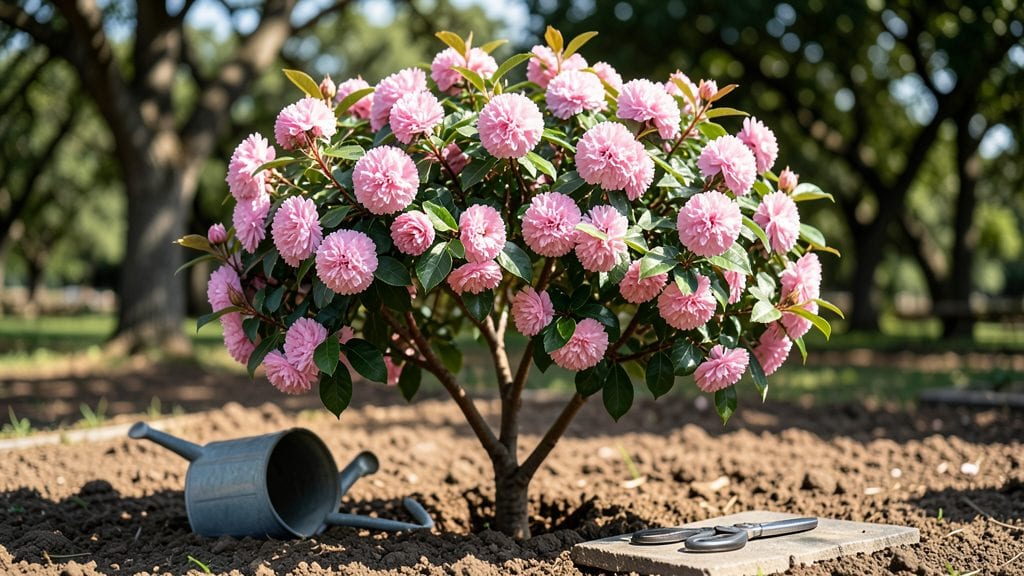
The double pink flowering almond transforms your Pacific Northwest garden into a winter wonderland of frosty pink blooms. 🌸 Unlike fussy ornamentals that struggle with our damp, chilly winters, this hardy tree thrives—its glossy leaves stay vibrant even when snow dusts the branches.
I planted mine last October, and by February, it was already covered in double-layered pink blossoms that lasted through March’s rain.
This tree isn’t picky about soil as long as it drains well—my sandy loam with a little compost works perfectly. Water deeply after planting, then let nature take over; once established, it’s drought-tolerant enough to handle our region’s dry summers.
The real secret to those showstopping blooms? Pruning in late winter to open up the center—it encourages more flowers and prevents crowded branches that block sunlight.
You’ll love how this tree performs year-round: fragrant spring blooms, summer shade, and frost-kissed branches that catch the light in winter. It’s also deer-resistant, which is a bonus in our neighborhood.
Just watch for peach leaf curl (spray with copper fungicide in early spring) and aphids (blast them off with water), and you’ll have a tree that outshines anything at the nursery.
Perfect for small yards, city patios, or as a focal point in mixed borders. Once it’s settled in—usually by its third year—it becomes the neighborhood’s quiet superstar, blooming when most gardens are still gray and bare. Let’s get yours growing!
📚 In This Guide
- What you need
- Instructions
- Tips and common mistakes
- Wrapping up and next steps
What you need
- ● Double Pink Flowering Almond Tree: 1 bare-root or container-grown sapling (ensure it’s labeled Prunus glandulosa ‘Rosea’ or similar for double blooms).
- ● Well-draining soil: 2–3 cubic yards of a mix of 50% native soil, 30% compost, and 20% coarse sand or perlite (critical for preventing root rot!).
- ● Fertilizer: 1 lb of balanced, slow-release fertilizer (10-10-10 NPK ratio) or organic options like fish emulsion or bone meal.
- ● Mulch: 3–4 inches of wood chips or straw to retain moisture and regulate soil temperature.
- ● Watering can or hose with a gentle spray nozzle: For deep, infrequent watering (avoid soggy roots!).
- ○ Stakes (optional but helpful): 2–3 6-foot bamboo or metal stakes + soft garden twine to support young trees in windy PNW climates.
- ● Garden trowel or spade for planting.
- ● Pruning shears (sterilized with rubbing alcohol) for shaping and deadheading.
- ● Gloves (heavy-duty for digging, lightweight for pruning).
- ● Measuring tape to ensure proper spacing (10–15 feet apart for mature trees).
- ○ pH test kit (optional but recommended—ideal pH: 6.0–7.0).
- ● A sunny location with at least 6 hours of direct sunlight daily (partial shade is tolerable but may reduce blooms).
- ● Cold-hardy zone: Plant in USDA Zones 5–8 (the PNW’s frost resistance is perfect for this!).
- ● Wind protection: Avoid exposed areas where gusts could damage delicate blooms.
Step-by-Step guide to planting and cultivating double pink flowering almond
Here’s how to establish this stunning, cold-hardy tree for year-round color in your Pacific Northwest garden.
🌱 Step 1: Select and Prepare the Planting Site
The double pink flowering almond thrives where winter chill meets summer warmth—ideal for the PNW’s climate. Choose a location with full sun exposure (6-8 hours daily) and well-draining soil. This tree tolerates a range of soil types but performs best in loamy soil with a pH between 6.0 and 7.5. If your soil is heavy clay, amend it with 3-4 inches of compost mixed into the top 12 inches of soil.
Dig a hole twice as wide as the root ball but no deeper. The top of the root ball should sit 1-2 inches above ground level—this prevents waterlogging and encourages strong root growth. If planting in a windy area, select a spot where the tree can be sheltered by a fence or larger plants after establishment.
🪴 Step 2: Plant the Tree with Proper Spacing and Support
Gently remove the tree from its container and loosen any circling roots with your fingers. Place the root ball in the hole and backfill with the native soil, tamping lightly every 6 inches to eliminate air pockets. Water deeply to settle the soil around the roots—you’ll know it’s right when water drains freely from the bottom of the hole.
For the first year, stake the tree if needed using 2-3 wooden stakes positioned 6-12 inches from the trunk. Secure the tree with flexible ties, leaving room for trunk growth. Space multiple trees 15-20 feet apart to allow for mature canopy spread and air circulation, which reduces disease risk.
☀️ Step 3: Water and Mulch for Establishment
Water the newly planted tree deeply 2-3 times per week for the first 6-8 weeks, ensuring the soil stays consistently moist but not soggy. After that, water once weekly during dry spells, aiming for 1-1.5 gallons per watering—enough to moisten the soil to a depth of 12 inches. Overwatering can suffocate roots, so always check moisture by inserting your finger 2 inches into the soil.
Apply a 3-inch layer of mulch (such as wood chips or bark) around the base, keeping it 6 inches away from the trunk to prevent rot. Mulch helps retain soil moisture, regulate temperature, and suppress weeds. Replenish mulch annually as it breaks down, but avoid piling it against the trunk—this can trap moisture and attract pests.
✂️ Step 4: Prune for Shape and Health in Early Spring
Prune your double pink flowering almond in early spring, just as buds begin to swell but before new growth starts. Remove any dead, diseased, or crossing branches first, cutting back to the nearest healthy bud or branch collar. Thin out crowded branches to improve airflow—aim for an open, vase-like shape that allows light to penetrate the canopy.
Never remove more than 25% of the tree’s foliage in a single pruning session. Use clean, sharp pruners to make cuts at a 45-degree angle just above an outward-facing bud. Seal larger wounds (over ½ inch thick) with pruning sealant to prevent disease entry. Avoid heavy pruning in late summer or fall, as this can stimulate tender new growth that won’t harden off before winter.
⏰ Step 5: Maintain Year-Round Care for Long-Term Beauty
Feed your tree annually in early spring with a balanced, slow-release fertilizer (10-10-10 ratio) applied according to package instructions. Double pink flowering almonds are relatively low-maintenance but benefit from occasional deep watering during prolonged dry spells. Monitor for signs of stress—yellowing leaves may indicate overwatering, while crispy edges suggest underwatering.
Watch for pests like aphids or scale, which can appear on new growth. Treat infestations early with neem oil or insecticidal soap, applying in the early morning or late evening to avoid harming beneficial insects. With proper care, your tree will reward you with vibrant pink blooms in late winter, followed by fragrant white flowers in spring, and lush foliage throughout the growing season.
Tips & tricks for perfect double pink flowering almond cultivation
These essential insights will help you transform your Pacific Northwest garden into a year-round floral masterpiece with minimal fuss.
Site Selection Secrets: Beyond the required 6-8 hours of daily sun, prioritize locations with afternoon shade if you're in particularly hot inland PNW areas. The double pink flowering almond tolerates some shade, but full sun produces the most vibrant blooms. I've found that planting near evergreen trees provides that perfect balance of sun exposure and wind protection.
Root Ball Preparation: When loosening circling roots in Step 2, don't go overboard—just gently separate them with your fingers. Over-pruning roots can shock the tree. For container-grown trees, soak the root ball in water for 10-15 minutes before planting to reduce transplant shock. This simple step significantly improves establishment rates in our often-dry PNW summers.
Watering Wisdom: The 6-8 week establishment period is critical—don't skip those 2-3 weekly waterings! Use a moisture meter to verify soil moisture at 2 inches depth rather than relying on visual cues. Our region's variable rainfall makes consistent moisture challenging, so consider installing a drip irrigation system for the first season. This ensures the roots develop properly before the tree becomes self-sufficient.
Pruning Precision: In early spring pruning, focus on creating that open vase shape by removing branches that grow inward. The 25% foliage limit is strict—exceeding it stresses the tree. I always prune just after a rain shower when branches are more pliable. For larger cuts, use clean pruning sealant to prevent disease entry points, especially important in our damp PNW climate where fungal issues can develop.
Pro Tips for Double Pink Flowering Almond
- These essential insights will help you transform your Pacific Northwest garden into a year-round floral masterpiece with minimal fuss.
- Site Selection Secrets: Beyond the required 6-8 hours of daily sun, prioritize locations with afternoon shade if you're in particularly hot inland PNW areas.
- Root Ball Preparation: When loosening circling roots in Step 2, don't go overboard—just gently separate them with your fingers.
Frequently asked questions
Is the double pink flowering almond truly frost-resistant?
This variety thrives in the Pacific Northwest’s chilly climate, handling frost down to 10°F (-12°C). Its thick bark and dense foliage shield it from winter damage, making it a low-maintenance star for gardens in zones 5–9. Just avoid late spring frosts when buds are swelling—mulch heavily for extra protection.
When is the best time to plant double pink flowering almonds?
For root establishment, plant in early fall or late winter (before buds break). Spring planting works too, but water deeply weekly for the first 3 months to combat transplant shock. Pro tip: Soak roots in water for 1–2 hours before planting to reduce stress.
Why aren’t my double pink flowering almond blooms as vibrant?
Duller pink hues often signal nutrient deficiencies (especially phosphorus) or overcrowded roots. Feed with a balanced 10-10-10 fertilizer in early spring, and prune competing branches. Sunlight matters too—plant in full sun (6+ hours/day) for the boldest blooms. Yellowing leaves? Check for iron chlorosis (common in alkaline soil).
Can I grow double pink flowering almond in containers?
Yes! Use a 15–20 gallon pot with well-draining soil (mix garden soil with perlite). Choose a dwarf variety like ‘Desert Knight’ for smaller spaces. Container tips:
- Water frequently (containers dry faster).
- Fertilize monthly in growing season.
- Move indoors in winter if temps drop below 20°F (-7°C).
What’s a good companion plant for double pink flowering almond?
Pair it with evergreens (like Picea glauca) for year-round structure, or spring bulbs (daffodils, crocuses) to extend the show. Avoid aggressive spreaders (e.g., mint, bamboo) that compete for nutrients. Herbaceous perennials (e.g., Hellebores) add texture without overshadowing its dramatic blooms.
Wrapping up and next steps
The double pink flowering almond is your Pacific Northwest garden’s secret weapon—dazzling year-round with its vibrant blooms, resilience, and low-maintenance charm. Whether you’re a seasoned gardener or just starting, this frost-hardy beauty proves that stunning results don’t require endless effort.
Ready to transform your outdoor space? Start by planting one today—your future self (and neighborhood!) will thank you. 🌸
Next steps:
- Check your local nursery for double pink flowering almond saplings.
- Join gardening forums to share your progress and tips!