Pruning
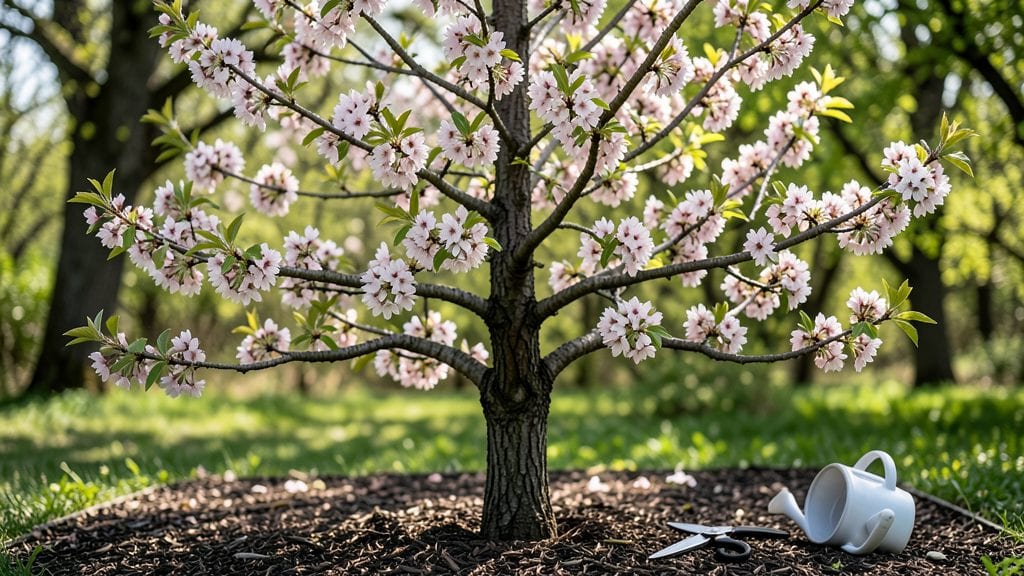
Your flowering pink almond tree could burst into three weeks of fragrant pink clouds this spring—if you prune it right. 🌸 I’ve watched these trees go from sparse, leggy branches to showstopping blooms just by making a few strategic cuts.
The key isn’t just cutting back; it’s shaping the tree to encourage dense growth where the flowers form.
These trees thrive in USDA zones 5-8, where winter chills help set next year’s blooms. They’re not fussy about soil—just well-draining and slightly alkaline—but they hate soggy roots.
Pruning in late winter (before buds swell) gives you the best control over bloom density, while avoiding spring cuts that could remove next season’s flowers.
What you’ll end up with is a tree that looks like a pink waterfall in spring, with clusters so fragrant they’ll draw hummingbirds to your yard. The secret’s in the angles: cuts at 45 degrees just above outward-facing buds create the perfect framework for new growth—and more blossoms.
Even a small tree can fill a space with color if you prune it right.
Works for both young trees and mature specimens, though established trees need heavier pruning to open up their centers. Here’s how to do it without sacrificing next year’s blooms—or your sanity.
📚 In This Guide
- What you need
- Instructions
- Tips and common mistakes
- Wrapping up and next steps
What you need
- ● Pruning shears: Bypass pruners with sharp, sterilized blades (for clean cuts on small branches). Example: Felco F-2 or Corona Tools.
- ● Loppers: For thicker branches (½" to 1.5" diameter). Recommended: 8"–12" reach for comfort.
- ● Pruning saw: For branches thicker than 1.5". Tip: Choose a curved-tooth saw to avoid tearing bark.
- ● Rubbing alcohol (70% isopropyl) or bleach solution: 1 part bleach to 9 parts water (for sterilizing tools between cuts).
- ● Garden gloves: Heavy-duty, cut-resistant (e.g., Mechanix or Wolverine).
- ○ Tree wound dressing (optional but helpful): Pruning sealant (e.g., Tanglefoot Tree Wound Pruning Seal) for large cuts.
- ● Ladder or step stool: Sturdy and tall enough to reach the tree’s canopy safely.
- ● Disposable bags or bucket: For collecting pruned branches and debris.
- ● Hand pruners with a ratchet: For extra leverage on stubborn branches.
- ● Pole pruner: If your tree is tall (10+ feet) and you prefer not to climb.
- ● Spray bottle with water: To dampen saw blades and reduce dust.
- ● Notebook & pencil: To sketch a quick pruning plan before you start.
- ● Safety glasses: Protect your eyes from flying debris.
Precision pruning for longer blooms on your pink almond tree
Here's how to coax your tree into producing fragrant, abundant blooms year after year.
✂️ Step 1: Time Your Pruning for Maximum Bloom Impact
Prune your pink almond tree immediately after flowering—typically in late spring when the petals begin to fall. This timing ensures you remove spent blooms while leaving next year's flower buds intact. Wait until new growth appears to confirm you're not cutting back too aggressively.
I always check for new leaf clusters before making cuts. If you prune too early, you risk removing flower buds that haven't yet formed. If you wait too late, you encourage leggy growth and reduce next season's bloom potential. The goal is to strike that balance between shaping and preserving future flowers.
✂️ Step 2: Remove Dead, Diseased, or Crossing Branches First
Start by identifying and cutting out any branches that are dead, diseased, or rubbing against other branches. Use sharp, clean pruners to make 45-degree cuts just outside the branch collar. The branch collar is that swollen area where the branch meets the trunk—never cut into it.
I make it a habit to sterilize my pruners between cuts with rubbing alcohol. This prevents spreading any potential infections to healthy parts of the tree. Remove any branches that grow inward or cross others, as these compete for energy and reduce airflow, which can lead to fungal issues.
✂️ Step 3: Thin Out Overcrowded Areas for Better Airflow
Look for areas where branches are growing too close together. Your goal is to create an open, vase-like shape that allows sunlight to reach the center of the tree. Remove about one-third of the oldest branches to encourage new growth while maintaining the tree's natural form.
I like to step back every few cuts to visualize the tree's shape. You want to see light filtering through the canopy. If you're unsure whether to keep a branch, ask yourself: "Does this branch contribute to the tree's structure or beauty?" If not, it's time to remove it.
✂️ Step 4: Shape the Tree for Optimal Bloom Display
Next, focus on shaping the tree to highlight its best features. Prune to encourage an open, airy structure that showcases the fragrant pink blooms. Cut back any branches that grow straight up or downward, as these often produce fewer flowers and create a dense, unbalanced look.
For horizontal branches, I make small cuts to encourage them to grow outward rather than inward. This creates a natural, balanced shape that maximizes bloom exposure. Avoid heavy pruning on young trees—focus on removing only the necessary branches to maintain their form.
💧 Step 5: Post-Pruning Care for Strong Recovery
After pruning, water your tree deeply to help it recover. Apply a 2-3 inch layer of mulch around the base, keeping it 3-4 inches away from the trunk to prevent rot. This helps retain moisture and protect the roots during the growing season.
I also recommend applying a balanced, slow-release fertilizer at this time to support new growth. Avoid heavy fertilizing immediately after pruning, as this can stress the tree. Instead, let it focus on healing and producing new leaves and flower buds for next season.
Tips & tricks for perfectly pruned pink almond trees
These simple yet powerful tips will help you transform your pruning session into a bloom-boosting masterpiece.
Timing is Everything: Late spring, when petals begin falling but new leaf clusters appear, is your golden window. I've learned this the hard way—pruning too early risks cutting off next year's flower buds, while waiting too late encourages leggy growth. Look for those fresh leaf clusters as your green light to begin. The goal is to remove spent blooms without sacrificing future flowers.
Branch Collar Know-How: That swollen area where branches meet the trunk is called the branch collar, and it's your pruning guidepost. Never cut into it—always make your 45-degree cuts just outside this critical zone. I've seen too many trees develop infections from improper cuts. Think of it as the tree's natural healing seal. For stubborn branches, use sharp pruners and make clean cuts to minimize damage.
Visual Pruning Technique: Step back every few cuts to visualize your tree's shape. You're aiming for an open, vase-like structure that lets sunlight filter through to the center. I like to imagine light streaming through the canopy—this is how you know you're creating the perfect environment for next year's blooms. If you're unsure about a branch, ask yourself if it contributes to the tree's beauty or structure. If not, it's time to remove it.
Post-Pruning Care: After all those cuts, your tree needs proper recovery. Water deeply to help it heal, then apply a 2-3 inch layer of mulch around the base—just keep it 3-4 inches away from the trunk to prevent rot. I've found that adding a balanced, slow-release fertilizer at this stage gives the tree the nutrients it needs to focus on healing and producing new growth rather than dealing with stress. Avoid heavy fertilizing right after pruning, though—let it recover first.
Pro Tips for Flowering Pink Almond Tree
- These simple yet powerful tips will help you transform your pruning session into a bloom-boosting masterpiece.
- Timing is Everything: Late spring, when petals begin falling but new leaf clusters appear, is your golden window.
- Branch Collar Know-How: That swollen area where branches meet the trunk is called the branch collar, and it's your pruning guidepost.
Frequently asked questions
Got questions about your flowering pink almond tree?
Here are some of the most common ones—plus expert tips to keep your tree thriving and blooming beautifully!
When is the best time to prune my flowering pink almond tree for maximum blooms?
The ideal window is late winter to early spring (just before buds swell but before flowers appear). Pruning too late risks cutting off next year’s blossoms! Avoid heavy pruning in fall—it stresses the tree and attracts pests. Pro tip: A light trim after flowering (summer) can encourage air circulation and reduce disease risk.
How do I protect my pink almond tree from cold weather or frost?
Pink almond trees are moderately cold-hardy (USDA Zones 7-10), but young trees or tender blooms need extra care. Mulch heavily (3-4 inches) around the base in winter, and cover young trees with frost cloth if temps dip below 25°F. Avoid pruning in late fall—it exposes fresh cuts to winter damage. Water deeply before the first freeze to help roots withstand cold.
Can I grow a flowering pink almond tree from seed, or should I buy a grafted tree?
While you can grow from seed, it’s a gamble—seedlings may not flower or could take 10+ years to bloom. For vibrant pink flowers and edible almonds, buy a grafted tree from a reputable nursery. Grafted trees retain parent traits (like color and fragrance) and bloom reliably in 2-3 years.
Why aren’t my pink almond tree’s flowers fragrant this year?
Several factors can dull fragrance: over-fertilizing with nitrogen (prioritizes leaves over blooms), poor air circulation (traps humidity and weakens flowers), or pests/disease (like aphids or fungal spots). Fix it: Prune for airflow, use a balanced fertilizer (low nitrogen), and inspect leaves for pests. Stress (drought or root damage) can also reduce scent—keep soil consistently moist but well-drained.
How do I harvest fragrant pink almond blossoms for bouquets without harming the tree?
Pick flowers early morning when petals are fully open but still dew-kissed. Use clean, sharp scissors and cut stems at a 45° angle just above a leaf node. Never take more than 20-30% of blooms from one branch to avoid stressing the tree. For longer vase life, strip lower leaves and place stems in lukewarm water with a flower preservative.
Wrapping up and next steps
The flowering pink almond tree is a stunning addition to any garden, offering breathtaking blooms and intoxicating fragrance—when cared for with precision.
By mastering the art of pruning, you’ll not only extend its flowering season but also ensure healthier growth and lush, fragrant bundles year after year. Now’s your chance to transform your tree into a vibrant centerpiece!
🌿 Your Next Step:
Grab your pruners, schedule a seasonal pruning session, and watch your pink almond tree thrive. Share your progress or tag us—we’d love to see your fragrant masterpiece!