
Flowers
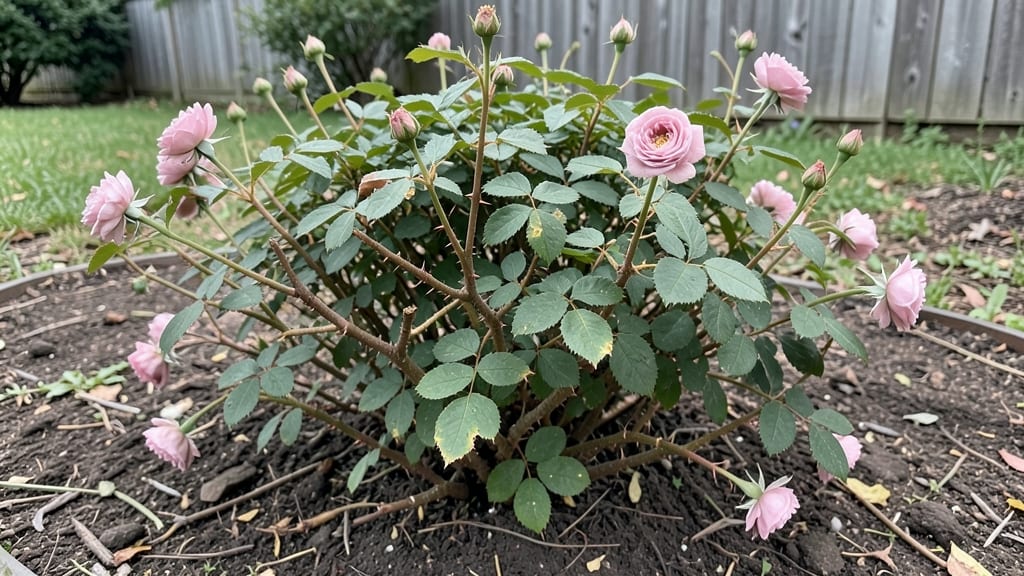
A drift rose flower bed transforms any yard into a fragrant, ever-changing masterpiece—where soft pink clouds spill over mounds of foliage and the air hums with petal-sweet perfume.
I designed mine after realizing how much more alive a garden feels when roses aren’t just an afterthought but the star of a layered, textured scene.
The secret lies in pairing them with the right companions: tall ornamental grasses to sway behind them, low-spreading lavender to frame the edges, and dwarf coneflowers that pop against their velvety blooms.
Start with sunlight—drift roses demand 6+ hours of direct sun daily, but they’ll reward you with blooms from early summer through frost if you plant them in well-draining, slightly acidic soil.
My first mistake was skimping on prep; now I amend the bed with compost and a slow-release rose fertilizer before the first transplant goes in. The payoff? Roses that look effortless, not overworked, and a bed that feels like a living tapestry rather than a row of shrubs.
By late summer, your bed will be a three-tiered show: drift roses cascading in mid-height, taller perennials like black-eyed Susans reaching upward, and trailing sweet alyssum spilling over the edges.
The fragrance alone—honeyed and fresh, not cloying—makes it worth the planning. And when autumn arrives, the roses’ berries add a final burst of color before winter.
This design works for cottage gardens, modern pollinator plots, or even small urban spaces—just scale the companions accordingly. The key is balance: let the roses take center stage while supporting players steal the show in their own way. Ready to create your fragrant living room?
📚 In This Guide
- What you need
- Instructions
- Tips and common mistakes
- Wrapping up and next steps
What you need
- ● Drift Rose Plants: 9–12 plants (spaced 2–3 feet apart for full coverage). Choose a mix of colors (e.g., ‘Meillandecor’, ‘Knock Out® series) for visual appeal.
- ● Soil: 2–3 cubic yards of well-draining, amended garden soil (mix 60% topsoil, 30% compost, 10% perlite/sand).
- ● Mulch: 2–3 bags of pine bark or shredded wood mulch (3–4 inches thick) to retain moisture and suppress weeds.
- ● Fertilizer: Slow-release rose-specific fertilizer (10–10–10 NPK ratio) or organic options like fish emulsion or bone meal.
- ○ Support Stakes: 12–18 6-inch metal or bamboo stakes (optional but helpful for taller varieties).
- ● Garden Tools: Shovel or spade
- ● Garden trowel
- ● Pruning shears (sterilized)
- ● Wheelbarrow (for soil/mulch)
- ● Rake
- ● Gloves & knee pads
- ○ Optional Extras: Edging material (e.g., metal or plastic landscape edging) to define the bed.
- ● Drip irrigation system or soaker hoses for low-maintenance watering.
- ● Companion plants (e.g., lavender, catmint, or daylilies) for texture and pollinator appeal.
- ● Decorative rocks or stepping stones to enhance the aesthetic.
- ● Test your soil (pH 6.0–6.5 is ideal for drift roses). Adjust with lime or sulfur if needed.
- ● Plant on a sunny day (morning is best) to reduce transplant shock.
- ● Choose a well-draining location—drift roses hate soggy roots!
Instructions for designing a fragrant drift rose flower bed
Here's how to create a layered, seasonal display that keeps blooming from spring through fall.
Select and Prepare the Planting Site
Choose a location with 6+ hours of direct sun daily—drift roses thrive in full sun but tolerate 4 hours minimum if your climate is cooler. Test your soil's drainage by digging a 12-inch deep hole and filling it with water; if it drains within 2 hours, the site is suitable. Amend heavy clay soil with 3 inches of compost mixed into the top 6 inches of soil to improve aeration and moisture retention.
Mark the bed's outline with landscape paint or stakes, keeping it 4-6 feet wide for easy maintenance. Drift roses spread aggressively, so leave 3-4 feet between plants if you're using multiple varieties. Clear all weeds and grass within the marked area, then till the soil to a depth of 8-10 inches to break up compaction and encourage root growth.
Choose Complementary Plants for Layered Fragrance
Drift roses bloom best when paired with plants that share their light and water needs. Start with 3-5 rose bushes (one or two varieties for visual interest) and layer in perennials like lavender, catmint, or Russian sage for height and texture. Add low-growing ground covers such as creeping thyme or ajuga to fill gaps and suppress weeds.
Select fragrant companions like dianthus, salvia, or peonies to create a sensory experience. Place taller plants at the back of the bed, medium-height varieties in the middle, and low growers at the front. Space them 18-24 inches apart to allow airflow and prevent disease. Avoid planting anything with similar water needs—drought-tolerant plants near thirsty ones leads to uneven moisture and stress.
Plant Roses and Layer Complementary Species
Dig holes for the roses twice as wide as the root ball and 2 inches deeper than the container's depth. Remove each rose from its pot and loosen the roots gently if they're circling. Place the bush in the hole, ensuring the graft union (the swollen area near the base) sits 2 inches above soil level to prevent rot. Backfill with native soil, tamping lightly to remove air pockets but not compacting too firmly.
Water deeply immediately after planting to settle the soil and eliminate air gaps. Once the roses are planted, add your layered companions, following their spacing guidelines. Mulch the entire bed with 2-3 inches of organic mulch (like shredded bark or pine needles) to retain moisture, regulate soil temperature, and deter weeds. Keep mulch 2 inches away from rose stems to prevent rot.
Establish a Watering and Maintenance Routine
Water deeply once a week during the first growing season to encourage deep root growth. Check soil moisture by sticking your finger 2 inches down—if it feels dry, water again. Drift roses are drought-tolerant once established, but consistent moisture during their first year prevents stress and ensures robust blooms. Use a soaker hose or drip irrigation to deliver water at the base, avoiding overhead sprinklers that promote fungal diseases.
Fertilize roses in early spring with a balanced, slow-release fertilizer (10-10-10) and again after the first bloom cycle. Deadhead spent blooms regularly to encourage continuous flowering. Prune leggy or crossing branches in late winter or early spring before new growth begins, cutting just above an outward-facing bud. Layered plants like lavender and catmint require minimal pruning—just trim back overgrowth in early spring to maintain their shape.
Tips & tricks for perfect drift rose flower bed design
Creating a fragrant drift rose garden that thrives season after season takes thoughtful planning. Here are my most trusted strategies based on years of trial and error with these beautiful, low-maintenance roses.
Soil Preparation is Everything: When testing soil drainage in Step 1, don't just check the 12-inch hole—also dig a second test hole in a different spot. Drift roses can develop root rot if drainage varies across your bed. I've seen gardens where one side drains perfectly while the other stays soggy, leading to uneven growth. If your soil drains slower than 2 hours, consider building raised beds or amending with more compost to improve aeration throughout.
Plant Placement Strategy: In Step 2, when arranging your layered companions, think vertically as well as horizontally. Place taller perennials like Russian sage at the back, but also consider their mature height—what looks perfect now might block sunlight later. I like to sketch a simple layout first, marking where each plant will reach at maturity. The 18-24 inch spacing isn't just about aesthetics; it's crucial for airflow that prevents fungal diseases common in crowded rose beds.
Mulching Technique Matters: The 2-3 inches of organic mulch in Step 3 serves multiple purposes beyond weed suppression. I recommend using pine needles or shredded bark because they acidify slightly over time, which drift roses love. Keep that 2-inch clearance from stems to prevent rot—this is where many gardeners make mistakes. Also, refresh your mulch every spring to maintain its insulating properties and prevent weeds from breaking through.
Watering Wisdom: That weekly deep watering in Step 4 is non-negotiable during the first year, but here's the trick: water in the morning so foliage dries quickly. I've seen many gardens suffer from fungal issues because evening watering kept leaves damp overnight. For established beds, you can reduce to every 10-14 days once roots are deep, but always check that 2-inch soil moisture level before watering again.
Pro Tips for Drift Rose Flower Bed
- Creating a fragrant drift rose garden that thrives season after season takes thoughtful planning.
- Soil Preparation is Everything: When testing soil drainage in Step 1, don't just check the 12-inch hole—also dig a second test hole in a different spot.
- Plant Placement Strategy: In Step 2, when arranging your layered companions, think vertically as well as horizontally.
Frequently asked questions
Got questions about creating a stunning drift rose flower bed? You’re not alone! Here are some of the most common queries—plus expert answers to help you design a fragrant, low-maintenance masterpiece.
How do I prepare the soil for a drift rose flower bed?
Drift roses thrive in well-draining, slightly acidic soil (pH 6.0–6.5). Amend heavy clay with compost or sand, and mix in balanced fertilizer (10-10-10) at planting. Avoid soggy spots—roses hate "wet feet." Pro tip: Test your soil first for pH adjustments!
When is the best time to plant drift roses?
Plant in early spring or fall when temps are mild (50–70°F). Avoid extreme heat or frost, which stress roots. Bare-root roses can go in as soon as soil is workable, while container-grown roses wait until after their last frost date. Patience pays off!
Can I mix drift roses with other plants?
Pair them with perennials like catmint, lavender, or daylilies for texture and color contrast. Avoid aggressive spreaders (e.g., mint) that compete for nutrients. Dwarf varieties work well in borders, while climbing roses can add vertical interest. Bonus: Mulch with pine needles to deter pests naturally!
How often should I water a drift rose flower bed?
Water deeply 1–2 times per week (1–1.5 inches total), ensuring moisture reaches roots (6–12 inches down). New plants need more frequent watering (every 2–3 days) until established. Morning watering reduces fungal risks. Let the top inch of soil dry between waterings to prevent root rot.
What’s the best way to prevent pests in drift roses?
Keep an eye out for aphids, spider mites, and rose slugs. Use neem oil or insecticidal soap for mild infestations. Prune regularly to improve airflow, and remove debris where pests hide. Beneficial nematodes can target soil-dwelling pests like grubs. Preventative tip: Spray foliage with water early in the day to deter mites!
How do I revive a drift rose bed that’s not blooming?
Check for over-fertilizing (too much nitrogen = leafy, no flowers) or under-pruning. Feed with a low-nitrogen, high-phosphorus fertilizer (e.g., 5-10-5) in early spring, and prune in late winter to encourage new growth. Ensure they get 6+ hours of sun daily—shady spots reduce blooms.
Do drift roses need winter protection?
Most modern drift roses are hardy to USDA zones 5–9, but young plants or harsh winters may need help. Mulch heavily (4–6 inches) with straw or shredded bark, and wrap canes loosely with burlap if temps drop below 10°F. Avoid heavy snow buildup—gently brush it off to prevent damage.
Wrapping up and next steps
A drift rose flower bed isn’t just a garden feature—it’s a fragrant, low-maintenance masterpiece that keeps blooming year after year with the right care. Whether you’re drawn to their layered beauty or their effortless charm, these roses reward patience with vibrant colors and intoxicating scents that elevate any outdoor space.
Ready to transform your garden? Start small—plant a few drift roses today, and let their magic unfold. Before you know it, your flower bed will be the envy of the neighborhood! 🌸