
Flowers
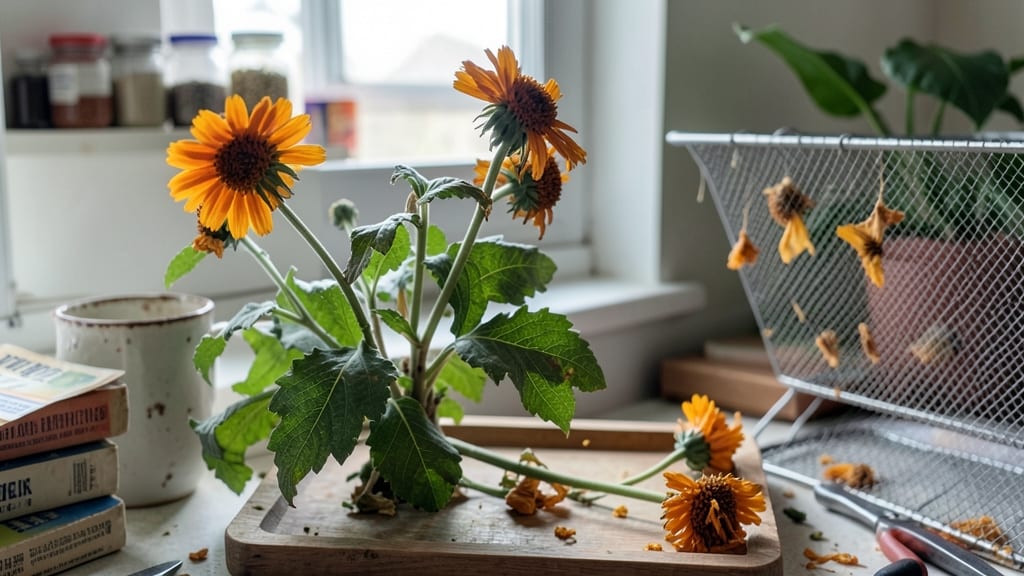
Drying marigold flowers transforms your summer blooms into year-round treasures—from fragrant potpourri to handmade wreaths. 🌼 I’ve dried hundreds of marigolds over the years, and the secret isn’t just patience, but knowing when to harvest and which method works best for your goals.
The right timing keeps petals vibrant, while the wrong approach turns them brittle or dull.
You’ll need just a few simple supplies: fresh marigolds at peak color, scissors or pruners, and your choice of drying method—air-drying with rubber bands, quick silica gel, or even a microwave for emergencies.
My favorite? Air-drying in bundles because it preserves the most natural color and scent, but silica gel is a game-changer when you need fast results.
By the end, you’ll have petals that stay bright for months, perfect for filling sachets, crafting dried flower arrangements, or even making herbal remedies.
The process takes about 2-3 weeks for air-drying, but the payoff is worth it—imagine walking into your kitchen and smelling summer every time you open a drawer.
Works for all marigold varieties, whether you’re growing French marigolds for their deep orange or African marigolds for their bold yellow. Let’s turn those wilting stems into something beautiful that lasts all year.
📚 In This Guide
- What you need
- Instructions
- Tips and common mistakes
- Wrapping up and next steps
What you need
- ● Fresh marigold flowers: Choose fully bloomed, healthy flowers (avoid wilted or damaged ones). Quantity: As many as you plan to dry—typically 10-20 per batch for small projects.
- ● Scissors or pruning shears: Sharp tools to snip stems cleanly (avoid crushing petals!).
- ● Drying method of choice: Air-drying: Brown paper bags, newspaper, or a mesh screen.
- ● Oven-drying: Baking sheets lined with parchment paper.
- ● Microwave-drying (quick method): Microwave-safe plate.
- ● Twine or rubber bands: To bundle stems for hanging (if air-drying).
- ● Silica gel packets: For fast, crisp drying (great for crafts).
- ● Desiccant (rice or cat litter): Fill a jar halfway for even drying.
- ● Glass jars or containers: For storing dried petals long-term.
- ○ Essential oils (optional): Add a drop of lavender or citrus oil to jars for fragrant potpourri.
Step-by-Step instructions for drying marigold flowers
Here’s how to preserve those bright blooms for long-lasting beauty in crafts and potpourri.
🌿 Step 1: Select and Harvest at Peak Freshness
Pick marigolds when petals are fully open but still firm—just before they begin to droop or brown. The best time is on a dry morning after dew has evaporated. Use clean, sharp scissors or pruners to snip stems about 2 inches long. Avoid flowers with spots or signs of pests, as these can spread during drying.
Handle petals gently to prevent bruising. If you’re harvesting multiple blooms, lay them flat on a clean towel to air briefly—this helps remove excess moisture before drying. I like to work in small batches to keep petals vibrant; marigolds dry best when processed within 24 hours of harvesting.
☀️ Step 2: Choose a Drying Method and Prepare Your Setup
Marigolds dry well using air drying, silica gel, or microwave methods—each preserves color differently. For air drying, bundle stems in small groups of 3-5 flowers and tie with twine or rubber bands. Hang upside down in a dark, well-ventilated space (like a closet or attic) with 50-60% humidity and 70-75°F temperatures. Avoid direct sunlight, which can bleach petals.
For silica gel, place individual blooms face-up in a tray of dried silica beads, ensuring petals don’t touch each other. Microwave drying (for quick results) involves wrapping flowers in a paper towel, microwaving on low power for 30-second intervals, and checking for dryness between each burst. Test petals by gently pressing—they’re ready when crisp but not brittle.
⏰ Step 3: Monitor and Complete the Drying Process
Check air-dried marigolds every 2-3 days—they’re fully dry when petals crumble slightly when touched and stems snap cleanly. Silica-dried flowers take 3-5 days, while microwave methods finish in 10-15 minutes total. Remove petals from stems carefully with tweezers, preserving their shape. Store dried petals in paper envelopes or small jars with a silica packet to prevent moisture absorption.
If petals lose color or feel dull, they were exposed to too much light or humidity. For best results, keep dried marigolds in a cool, dark place until ready to use. Once dry, these vibrant blooms will last 1-2 years in crafts, wreaths, or potpourri—just avoid crushing them until you’re ready to mix into projects.
🪴 Step 4: Store and Use Your Dried Marigolds
Organize petals by color or size in small glass jars or labeled envelopes for easy access. Add a dried lavender sprig to jars to repel moths naturally. When using in potpourri, mix 1 part dried marigold petals to 2 parts other dried flowers (like roses or chamomile) for balanced scent and texture.
For crafts, marigolds add rich orange and yellow hues to wreaths, pressed flower art, or homemade soaps. If petals darken over time, they’ve absorbed moisture—return them to a sealed container with a fresh silica packet. With proper storage, your dried marigolds will stay vibrant and ready for creative projects year-round.
Tips & tricks for perfectly preserved marigold petals
Preserving marigold petals beautifully requires attention to detail—here’s how to avoid common pitfalls and elevate your drying process.
Timing Secret: The 24-hour window after harvesting is critical for vibrant results. After cutting stems, lay blooms on a clean towel for just 10-15 minutes to remove surface moisture—this prevents mold during drying. I’ve learned the hard way that damp petals turn grayish, no matter which drying method you use.
Environmental Control: For air drying, maintain that 70-75°F range mentioned in Step 2—any warmer, and petals bleach; any cooler, and drying takes too long. I’ve found that a closet with a small fan (not blowing directly on flowers) creates ideal airflow. Humidity matters too: if your space feels damp, add a small silica packet to the hanging area.
Microwave Technique: When using the microwave method, those 30-second intervals are crucial. I recommend testing one petal after each interval—it should feel dry to the touch but not brittle. Overcooking in the microwave turns petals brown and crispy too quickly. For best results, use a microwave-safe plate and cover loosely with a paper towel.
Storage Wisdom: Once dried, store petals in small glass jars with a silica packet to prevent moisture absorption. I’ve noticed that paper envelopes work too, but glass jars keep petals fresher longer. Label each jar with the drying date—this helps track freshness, especially since marigolds last 1-2 years but gradually lose vibrancy over time.
Pro Tips for Drying Marigold Flowers
- Preserving marigold petals beautifully requires attention to detail—here’s how to avoid common pitfalls and elevate your drying process.
- Timing Secret: The 24-hour window after harvesting is critical for vibrant results.
- Environmental Control: For air drying, maintain that 70-75°F range mentioned in Step 2—any warmer, and petals bleach; any cooler, and drying takes too long.
Frequently asked questions
about drying marigold flowers—because every budding crafter (or potpourri lover!) deserves clarity. Here are answers to the most common queries to ensure your petals stay vibrant and perfect for your projects.How long does it take to dry marigold flowers?
Drying time depends on the method: air-drying takes 1–3 weeks (patience is key!), while oven-drying or microwave-drying speeds it up to 1–3 hours. Test for doneness by gently pressing a petal—it should crumble easily. Humidity and airflow play a big role, so adjust timelines if your space is damp!
Can I dry marigolds in the sun?
Yes, but with caution! Direct sunlight can bleach petals, dulling their color over time. Instead, opt for indirect sunlight (like a shaded porch or windowsill) or a well-ventilated area. If you must use direct sun, harvest flowers in the early morning when UV rays are gentler.
What’s the best way to store dried marigold petals?
Store them in airtight containers (glass jars or resealable bags) with silica gel packets or a drying agent like rice to absorb moisture. Keep containers in a cool, dark place—like a pantry—to prevent mold. Label them with the date to track freshness (they last 6–12 months this way!).
Why are my dried marigolds turning brown or moldy?
Brown spots or mold usually mean excess moisture during drying. To fix it:
- Spread petals in a single layer for better airflow.
- Use a fan or dehumidifier if drying indoors.
- Discard any moldy petals immediately—don’t risk contamination!
Can I use dried marigolds for anything other than crafts?
Beyond potpourri and wreaths, dried marigolds have practical uses:
- Natural dye: Steep petals in hot water for golden-yellow fabric dye.
- Culinary touch: Sprinkle crushed petals into soups or rice dishes (edible varieties only!).
- Pest repellent: Hang dried bunches to deter insects from gardens.
What if I don’t have a screen or mesh for air-drying?
No screen? No problem! Use these DIY alternatives:
- Hang small bouquets upside-down in a paper bag with holes punched in it.
- Lay petals on parchment paper or clean coffee filters in a dry, shaded spot.
- Stuff petals into cardboard egg cartons (remove eggs first!) for even drying.
Wrapping up and next steps
Drying marigold flowers is a simple yet rewarding way to preserve their beauty and fragrance for crafts, potpourri, or even natural remedies. With just a few tools and a little patience, you can transform fresh petals into lasting treasures that brighten up any space.
Whether you’re a seasoned crafter or a beginner, this process opens up endless creative possibilities—so grab those blooms and get started!
Ready to turn your dried marigolds into something magical? Next, experiment with arranging them in homemade wreaths, sachets, or even pressed art! 🌼✨