
Flowers
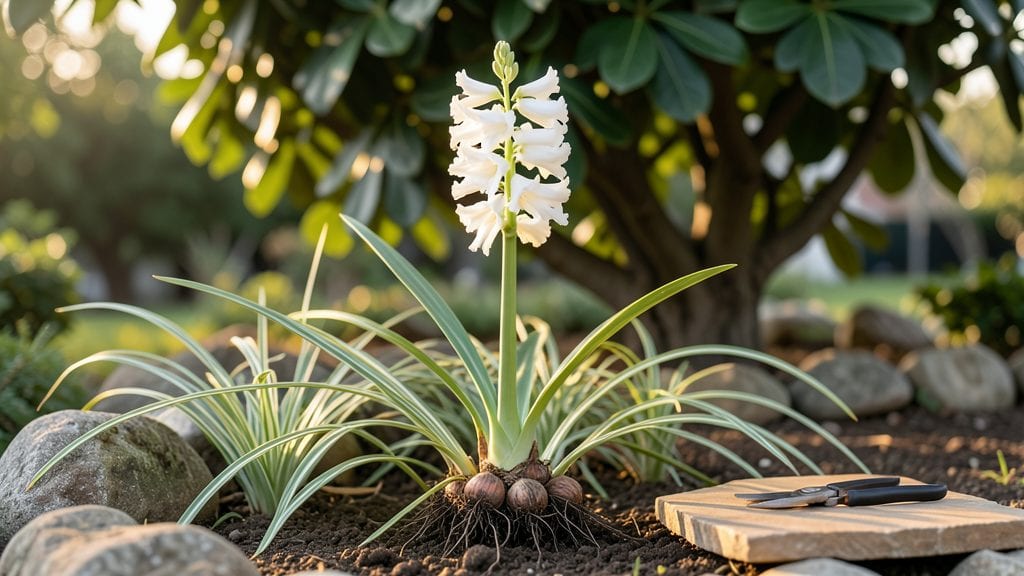
There’s no flower quite like tuberose flower arrangements—that intoxicating, honeyed scent that lingers in the air long after the petals fade. ✨ I still remember the first time I brought a single stem inside; the whole house smelled like a tropical evening, and I knew I’d never look at floral design the same way again.
The secret to capturing tuberose’s magic lies in pairing it just right. Their creamy white blooms play beautifully with deep greens like eucalyptus or bold accents like burgundy dahlias, while their fragrance harmonizes with lavender, jasmine, or even a whisper of citrus.
For events, they’re a wedding staple—but they also shine in simple weekend centerpieces or garden displays where their scent can drift through open windows.
What you’ll end up with is an arrangement that doesn’t just look stunning but feels like an experience—rich, velvety petals that release their perfume at night, when the air is coolest.
The key is working with them fresh (cut stems immediately after picking) and arranging them loosely to let that signature fragrance breathe. A little floral preservative in your water extends their life, too.
Whether you’re crafting a bridal bouquet, a romantic dinner centerpiece, or just brightening your patio, tuberoses elevate any space with their old-world elegance. Here’s how to make them the star of your next floral creation—without losing that intoxicating magic along the way.
📚 In This Guide
- What you need
- Instructions
- Tips and common mistakes
- Wrapping up and next steps
What you need
- ● Tuberose flowers: 12–20 stems (fresh, unopened buds for longevity or blooming flowers for instant elegance). Opt for Polianthes tuberosa with a sweet, intoxicating fragrance.
- ● Floral foam: 1 block (10" x 10" x 4" or similar), or a foam-free alternative like chicken wire + floral tape.
- ● Floral preservative: 1 bottle (e.g., Floralife or homemade sugar + bleach solution).
- ● Scissors: 1 pair of sharp floral shears (to prevent crushing stems).
- ● Vase or container: 1 (glass, ceramic, or metal). Choose a height that complements your arrangement (e.g., tall and narrow for drama, wide for a lush look).
- ● Water: Enough to fill the container halfway (add preservative first!).
- ● Filler flowers: Baby’s breath, roses, or orchids (3–5 stems) to add volume and contrast.
- ● Foliage: Eucalyptus, ferns, or ivy (2–3 sprigs) for texture and freshness.
- ● Ribbon or twine: For wrapping stems or adding a decorative touch.
- ● Dried elements: Pampas grass or dried lavender (sparingly) for a rustic vibe.
- ● Color accents: Gold spray paint or glitter (for a glamorous finish).
- ● 💡 Trim stems: Angle cuts at 45° for better water absorption.
- ● 🌡️ Temperature check: Tuberoses thrive in cooler water (60–70°F).
- ● ✨ Fragrance boost: Add a drop of vanilla extract to the water for extra scent.
Step-by-Step guide to crafting stunning tuberose flower arrangements
Here's how to create arrangements that fill any room with their intoxicating scent and elegant beauty.
🌿 Step 1: Select and Prepare Your Tuberose Stems
Choose fresh tuberose stems with tightly closed buds—they'll stay closed until cut, preserving their fragrance longer. Trim the stems at a 45-degree angle using sharp floral shears about 1 inch from the base. This creates a larger surface area for water absorption, keeping your arrangement fresh for days.
Remove any lower leaves that would sit below the waterline in your vase. These leaves rot quickly and can turn your arrangement murky within hours. I like to strip them off gently by hand, leaving only the top 4-6 inches of foliage intact. This keeps the stems clean and extends vase life.
☀️ Step 2: Choose Your Vase and Arrangement Style
Select a vase that complements your space—tall, slender vases showcase tuberoses' elegant height, while wider bowls create lush, cascading displays. For 4 arrangements, you'll need 4 identical vases (or coordinating styles) to maintain visual harmony. I prefer glass vases because they let you admire the stems and water level.
Consider your arrangement style: romantic bouquets work best with 5-7 stems per vase, while minimalist displays shine with just 3 stems. For maximum fragrance, keep arrangements small—tuberoses release their scent most intensely in tight groupings. Fill each vase with lukewarm water (never cold) to help stems absorb immediately.
💧 Step 3: Create the Foundation Layer
Start by placing the thickest stems at the base of your vase, fanning them out to create a full foundation. These stems will anchor your arrangement and provide structure. I like to arrange them in a triangle shape—this natural form prevents the stems from tipping over as they open.
Add a floral preservative (like floral food powder) to the water to extend vase life. The stems should be submerged at least 2 inches—this prevents air bubbles from blocking water uptake. Gently press the stems against the sides of the vase to secure them without bending. Here's the thing—don't overcrowd the vase. You want stems to stand upright but still have room to breathe.
🌱 Step 4: Build the Mid and Upper Layers
Add medium-length stems next, weaving them between the foundation stems to create depth. These stems should fill in the gaps while maintaining the triangular shape. Tuberoses have a natural upward growth pattern, so let them follow their own direction rather than forcing them into rigid lines. This organic flow makes arrangements look effortlessly beautiful.
For the final touch, add 1-2 shorter stems to cascade over the sides or create a focal point in the center. These stems should be placed last so they don't get buried under heavier stems. Once all stems are in place, trim any remaining leaves that sit above the waterline—this prevents bacterial growth and keeps your arrangement looking pristine.
⏰ Step 5: Maintain and Enjoy Your Arrangement
Place your arrangements in a cool, well-ventilated spot away from direct sunlight or heat sources. Tuberoses release their fragrance most intensely in the evening, so position them where you'll enjoy their scent during quiet moments. Change the water every 2 days and trim stems by ½ inch each time to encourage fresh water uptake.
Watch as the buds begin to open within 24-48 hours—this is the magical moment when your arrangement transforms from simple stems to a fragrant masterpiece. Real talk: tuberoses open faster in warmer environments, so if your home runs cooler, give them an extra day. Once fully open, enjoy their intoxicating scent for 5-7 days before replacing the stems with fresh ones.
Tips & tricks for perfect tuberose flower arrangements
A few simple secrets that'll make your arrangements smell heavenly and last longer than ever.
Stem Selection Matters: Look for stems with tightly closed buds that feel firm to the touch. The buds should have a slight sheen, indicating freshness. Avoid stems with any open buds or yellowing—these will release their fragrance too quickly. I've learned the hard way that even slightly wilted stems can ruin an entire arrangement's scent and longevity.
Angle and Depth for Longevity: When trimming stems at that 45-degree angle in Step 1, make sure to cut just below a leaf node. This hidden detail creates more surface area for water absorption, which is crucial for keeping your arrangements fresh. Also, remember to submerge stems at least 2 inches in water—this prevents those dreaded air bubbles that block water uptake and cause wilting.
Preservative Power: Never skip adding floral preservative to your lukewarm water. This simple step can extend vase life by 2-3 days. I like to add a pinch of bleach (1/8 teaspoon per quart of water) to the preservative mix—it helps prevent bacterial growth that causes murky water. The stems will thank you with days of fragrant beauty instead of just a couple.
Evening Placement Strategy: Tuberoses release their most intense fragrance in the evening, so position your arrangements where you'll enjoy them during quiet moments. I've found that placing them near open windows at night allows the scent to disperse beautifully through the room. During the day, move them to less direct sunlight spots to preserve their delicate petals.
Pro Tips for Tuberose Flower Arrangements
- A few simple secrets that'll make your arrangements smell heavenly and last longer than ever.
- Stem Selection Matters: Look for stems with tightly closed buds that feel firm to the touch.
- Angle and Depth for Longevity: When trimming stems at that 45-degree angle in Step 1, make sure to cut just below a leaf node.
Frequently asked questions
When is the best time to use tuberose flowers in arrangements?
Tuberoses thrive in evening or nighttime arrangements thanks to their intoxicating fragrance—perfect for weddings, dinner parties, or romantic dates. For daytime use, pair them with bold blooms (like roses or dahlias) to balance their heavy scent. Pro tip: If arranging for daytime, place them in low-traffic areas to avoid overwhelming guests.
How do I make tuberose arrangements last longer?
Tuberoses are delicate—trim stems at an angle, change water every 2 days, and avoid direct sunlight. Add a splash of bleach (1 tsp per quart of water) or floral preservative to extend their lifespan. Keep them in a cool spot (like a garage at night) to slow wilting. Bonus: Mist lightly with water to revive drooping blooms!
Can I mix tuberoses with other flowers? If so, which ones?
Absolutely!
Tuberoses pair beautifully with:
- Roses (for a classic, romantic vibe)
- Orchids (elegant and exotic)
- Gardenia (enhances their fragrance)
- Eucalyptus or lavender (adds texture and scent depth)
Are tuberose arrangements expensive? How can I save money?
Fresh tuberoses can be pricier than other flowers, but you can cut costs by:
- Buying in bulk (local flower markets or wholesalers)
- Using dried tuberoses for long-lasting arrangements (less fragrant but budget-friendly)
- Opting for smaller quantities—a few stems go a long way in a vase!
Why are my tuberose flowers wilting quickly? Troubleshooting tips.
Wilting tuberoses often signal stress from:
- Bacterial buildup (cloudy water = replace immediately)
- Ethylene gas (keep away from ripening fruits like apples)
- Overcrowding (trim leaves submerged in water)
- Heat exposure (avoid placing near radiators or direct sun)
Wrapping up and next steps
Tuberose flower arrangements bring a touch of elegance and enchantment to any space, blending luxe fragrance with timeless beauty. Whether you’re crafting a romantic bouquet, a serene centerpiece, or a fragrant wreath, these velvety blooms elevate décor with their intoxicating allure.
Now that you’re equipped with the right techniques and tips, it’s time to let your creativity bloom!
🌸 Next steps:
- Gather your favorite tuberoses (or fresh blooms) and start experimenting with arrangements.
- Share your creations on social media—tag us for a chance to be featured!
- Explore pairing tuberoses with complementary flowers for even more stunning designs.
Your space—and your senses—will thank you! 💐✨