
Shrubs
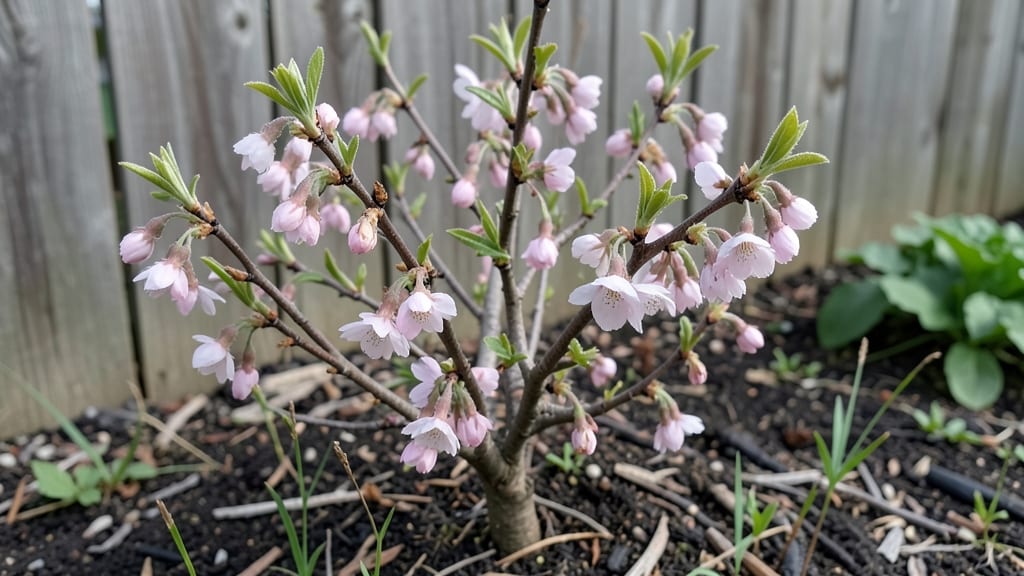
Dwarf flowering almonds create a fragrant pink cloud that transforms any garden corner into a springtime showstopper. 🌸 I planted mine last March, and by April, the scent of almond blossoms filled my patio—something store-bought flowers could never match.
These compact shrubs (just 3-4 feet tall) pack big personality into small spaces, making them perfect for containers, borders, or even as a focal point in tiny yards.
The secret to their success? Cool winters and well-drained soil—no fancy equipment needed. You’ll need a sunny spot (at least 6 hours of light daily), slightly acidic soil, and patience for the first year while roots establish.
Once settled, they’re drought-tolerant and bloom reliably for decades, with minimal care beyond occasional pruning to shape them. Their delicate pink flowers even attract pollinators early in the season.
By late spring, your dwarf almond will be a fragrant, blooming powerhouse, with clusters of blossoms that last weeks. The scent lingers in the air, and the dark green foliage provides year-round structure.
Pair it with lavender for height contrast or boxwood for a neat edge—it’s the kind of plant that makes neighbors stop and ask, "What is that amazing smell?"
Even in containers, they thrive if you choose a pot with drainage and use a well-draining potting mix. Just avoid heavy clay soils that stay soggy—root rot is their only real nemesis.
With the right spot, these almonds will reward you with low-maintenance beauty for years, proving that small shrubs can make a big impact.
📚 In This Guide
- What you need
- Instructions
- Tips and common mistakes
- Wrapping up and next steps
What you need
- ● Dwarf flowering almond plant: Choose a healthy, potted specimen (1–3 gallons) with vibrant pink blossoms. Look for Prunus glandulosa or Prunus tenella varieties.
- ● Well-draining soil: 5–10 bags (2–3 cubic feet each) of a mix like cactus/succulent blend or amend garden soil with 50% perlite/pumice and 20% compost.
- ○ Container (optional but recommended): 1–2 gallon pots with drainage holes (if growing in pots). Terracotta or fabric pots work best!
- ● Slow-release fertilizer: 1–2 lbs of 10-10-10 or 5-10-5 (for acid-loving plants) to kickstart growth.
- ● Trowel or small shovel for planting
- ● Garden gloves (to protect from thorns)
- ● Watering can or hose with a gentle spray nozzle
- ● Pruning shears (for shaping after blooms fade)
- ○ Optional: Mulch (2–3 inches of pine bark or gravel) to retain moisture and deter weeds.
- ● Sunlight: Full sun (6+ hours daily) or partial shade (4–6 hours) in hot climates.
- ● Climate: Hardy in USDA Zones 4–9. Protect from frost if in Zone 4.
- ● Watering: Keep soil consistently moist (not soggy) for the first 2 weeks, then water when top 1–2 inches are dry.
- ● Spacing: 3–5 feet apart if planting multiple shrubs in the ground.
Step-by-Step instructions for planting and caring for dwarf flowering almonds
Here's how to grow these fragrant, low-maintenance beauties that reward you with pink blossoms year after year.
🪴 Step 1: Choose the Right Location and Prepare the Soil
Pick a spot with full sun exposure (6-8 hours daily)—dwarf flowering almonds adore warmth and light. I always test the soil first by digging a small hole and checking the drainage. If water pools after 10 minutes, amend the soil with 1 part sand to 3 parts native soil to improve airflow.
These trees thrive in well-draining, slightly acidic soil with a pH between 6.0 and 7.0. If your soil is heavy clay, mix in 2 inches of organic compost and a handful of perlite to loosen it up. The root ball should never sit in soggy conditions—this is the #1 reason these trees fail.
🌱 Step 2: Plant at the Correct Depth and Spacing
Dig a hole twice as wide as the root ball but only as deep as the container it came in. Gently remove the tree from its pot and loosen any circling roots with your fingers—this helps them establish faster. Place the tree in the hole so the top of the root ball sits ½ inch above ground level.
For 4 dwarf flowering almonds, space them 8-10 feet apart in a row or cluster. If planting in containers, use pots at least 15-gallon size with drainage holes. Backfill the hole with native soil mixed with a slow-release fertilizer, tamping gently to remove air pockets. Water deeply right after planting to settle the soil.
☀️ Step 3: Water and Mulch for Year-Round Success
Water deeply once a week during the first year, letting the soil dry out 2-3 inches below the surface between waterings. You'll know it's time when the top layer feels dry to the touch. Overwatering causes root rot, so I always check by sticking my finger into the soil before watering again.
Spread 2-3 inches of mulch around the base (but not touching the trunk) to retain moisture and regulate soil temperature. I use shredded bark or pine needles—both keep weeds down while allowing rain to penetrate. In winter, add an extra 1 inch of mulch to protect roots from freezing temperatures.
✂️ Step 4: Prune for Shape and Encourage Blooms
Prune in late winter or early spring before new growth begins. Remove any dead, diseased, or crossing branches first—these compete with healthy growth. Then, shape the tree by cutting back 10-15% of the total canopy to improve airflow and sunlight penetration.
For more flowers, trim back any overly long branches by ⅓ of their length. Avoid heavy pruning in fall, as new growth won’t harden off before winter. I always sterilize my pruners with rubbing alcohol between cuts to prevent bacterial spread—this keeps the tree healthy for years.
🌿 Step 5: Feed and Protect for Long-Term Growth
Apply a balanced 10-10-10 fertilizer in early spring and again in mid-summer. Follow the package directions, but I usually halve the dose since these trees are sensitive to over-fertilization. Water the soil thoroughly before and after applying to help nutrients absorb evenly.
Watch for pests like aphids or spider mites—these love tender new growth. If you spot them, spray the tree with a neem oil solution (1 tsp per quart of water) on a calm day. Dwarf flowering almonds are generally pest-resistant, but early intervention keeps them thriving without chemicals.
Tips & tricks for perfect dwarf flowering almond care
These simple yet game-changing tips will help your dwarf flowering almonds thrive and bloom beautifully year after year.
Sunlight Secret: Those 6-8 hours of full sun are non-negotiable for vibrant blooms. If your yard has partial shade, choose the sunniest spot available—even a few hours less sunlight can reduce flowering. I've seen trees in filtered light produce sparse blooms, so don't compromise on this.
Drainage Test: The 10-minute drainage check in Step 1 is crucial—don't skip it! If water pools after this time, your tree will suffer from root rot. I've lost trees because I ignored this step, so always test before planting. For heavy clay soil, mix in perlite or coarse sand to create proper drainage channels.
Planting Depth: That ½ inch above ground level is more important than it seems. Planting too deep can suffocate the roots, while too shallow exposes them to temperature swings. Use a small stick or level to verify depth before backfilling. I mark the container line with a pencil before planting to ensure accuracy.
Mulching Strategy: The 2-3 inches of mulch in Step 3 isn't just decoration—it's insulation. In winter, that extra inch of mulch can mean the difference between frozen roots and happy growth. I use shredded bark because it breaks down slowly, providing long-term benefits without smothering the tree.
Pro Tips for Dwarf Flowering Almond
- These simple yet game-changing tips will help your dwarf flowering almonds thrive and bloom beautifully year after year.
- Sunlight Secret: Those 6-8 hours of full sun are non-negotiable for vibrant blooms.
- Drainage Test: The 10-minute drainage check in Step 1 is crucial—don't skip it!
Frequently asked questions
How fast does a dwarf flowering almond grow?
A dwarf flowering almond typically grows 6–12 inches per year, reaching maturity (3–5 feet tall) in 3–5 years. Its slow, steady growth makes it perfect for containers or small gardens. Pro tip: Prune lightly after blooming to encourage bushier, more abundant flowers next season!
Can dwarf flowering almonds survive winter?
These shrubs are hardy in USDA Zones 7–10, but they do need protection in colder climates. Mulch heavily around the base and wrap the plant in burlap if temperatures drop below 20°F. In containers, move them to a sheltered spot or indoors (like a garage) for the winter. No frost? No problem!
Are there any non-toxic alternatives to flowering almond?
If you’re concerned about toxicity (the seeds contain amygdalin), consider these fragrant, pet-safe options:
- Mock Orange (Philadelphus) – Sweetly scented, deer-resistant blooms.
- Dwarf Lilac (Syringa meyeri) – Compact, low-maintenance, and pollinator-friendly.
- Abelia (Abelia x grandiflora) – Evergreen with fragrant white flowers.
Why aren’t my dwarf flowering almond flowers opening?
Blooms might stay closed due to cold snaps, overwatering, or poor drainage. Here’s how to fix it:
- Check soil moisture: Let the top inch dry between waterings.
- Ensure full sun: At least 6 hours of direct light daily.
- Fertilize lightly: Use a balanced 10-10-10 in early spring.
Can I grow a dwarf flowering almond in a pot?
Absolutely!
Choose a 15–20 gallon container with drainage holes and use well-draining soil (like a cactus/succulent mix). Repot every 2–3 years and fertilize monthly during spring/summer. Just remember: containers dry out faster, so monitor soil moisture closely.
Wrapping up and next steps
The dwarf flowering almond is a stunning, low-maintenance shrub that brings year-round beauty and fragrance to any garden—whether you’re a seasoned green thumb or just starting out. 🌸 With its delicate pink blooms, silvery foliage, and resilience, it’s the perfect way to add charm without the fuss.
Ready to transform your outdoor space? Start by choosing your spot, gathering supplies, and planting with confidence!
- Pro tip: Snap a photo of your progress—you’ll love watching it grow!