
Flowers
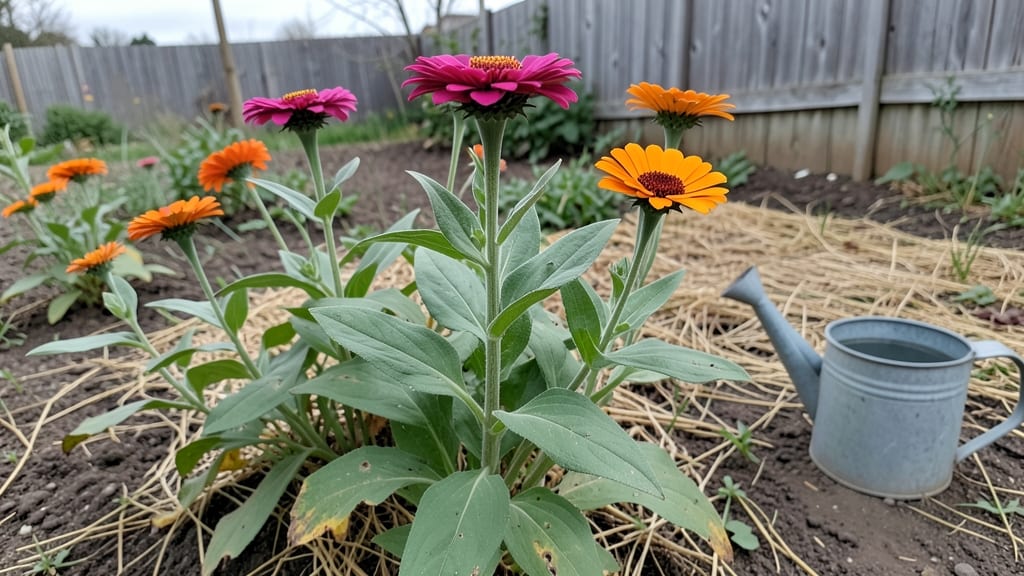
Keeping flowers alive doesn’t have to be a guessing game—especially when you pick the right easy flowers to keep alive. 🌸 I’ve killed more than my fair share of finicky plants, but these tough bloomers bounce back from neglect, drought, and even my occasional "forgetting to water" moments.
The secret isn’t complicated: choose plants that match your lifestyle, not your schedule.
These low-maintenance stars thrive with minimal fuss—think marigolds that repel pests, zinnias that bloom nonstop, and succulents that laugh at dry spells. Most need sunlight, well-draining soil, and water only when the top inch feels dry.
No fancy fertilizers, no constant pruning—just reliable blooms that make gardening feel like a breeze, not a chore.
By summer’s end, you’ll have a garden that stays vibrant without the stress, with flowers that keep coming back year after year. The best part? You’ll spend less time fretting and more time enjoying the results. Let’s pick the perfect survivors for your space.
Whether you’re a balcony gardener or have a full sun patch, these flowers adapt—so you don’t have to. Start with just one or two, and watch your confidence (and your blooms) grow.
📚 In This Guide
- What you need
- Instructions
- Tips and common mistakes
- Wrapping up and next steps
What you need
- ● Flower Varieties: Choose from these easy-care picks (1-5 plants per pot or garden bed): Snake Plant (Sansevieria) – 1 plant
- ● Zebra Plant (Aphelandra squarrosa) – 1-2 plants
- ● Spider Plant (Chlorophytum comosum) – 1-3 plants
- ● African Violet (Saintpaulia) – 1 plant
- ● Peperomia (Peperomia obtusifolia) – 1-2 plants
- ● Containers: 1-2 ceramic or terracotta pots (6-10 inches in diameter) or
- ● 1 hanging basket (for Spider Plants)
- ○ Drainage trays (1 per pot, optional but recommended)
- ● Potting Mix: 1 bag (5-10 quarts) of well-draining cactus/succulent mix or
- ● 1 bag (5-10 quarts) of lightweight peat-based potting soil (mix with perlite for airiness)
- ● Watering Can: 1 gallon-sized can with a rose or fine-spray nozzle
- ● Fertilizer: 1 bottle (8-16 oz) of balanced liquid fertilizer (10-10-10 or 20-20-20)
- ● OR 1 slow-release granular fertilizer (follow package instructions)
- ● Pruning shears (for trimming dead leaves or stems)
- ● Small hand trowel (for repotting or soil adjustments)
- ● Spray bottle (for misting African Violets or humidity-loving plants)
- ● Gloves (to protect hands from soil or prickly leaves)
- ○ Moisture meter (optional, for checking soil dryness)
- ● 📍 Light Source: Bright, indirect sunlight (east or north-facing windows) or
- ● 1-2 grow lights (LED or fluorescent, 12-15 watts per plant)
- ● 💧 Water: Room-temperature, chlorine-free water (let tap water sit for 24 hours if needed)
- ● 🌡️ Temperature: Ideal range: 60–75°F (15–24°C)
- ● Avoid drafts (AC vents, heaters, or cold windowsills)
How to grow low-maintenance flowers that stay alive all season
Here’s the foolproof method I use to keep flowers blooming with minimal effort—no green thumb required.
🌱 Step 1: Pick the Right Flowers for Your Space
Start with self-sufficient annuals like zinnia, marigold, or snapdragon—they rebound from neglect and self-seed easily. Perennials like black-eyed Susan, lavender, or coneflower return year after year with almost no care. Avoid fussy blooms like orchids or roses unless you’re ready to babysit them.
Check your sunlight conditions first: full sun (6+ hours) suits most annuals, while partial shade (3-6 hours) works for impatiens or begonias. I always test a spot for a week before planting—if it’s dry by afternoon, it’s full sun. If it stays damp, it’s shade-friendly.
☀️ Step 2: Plant in Well-Draining Soil with Minimal Fertilizer
Use store-bought potting mix (never garden soil—it compacts and suffocates roots). Amend with 1 part perlite or sand per 3 parts soil to prevent soggy roots, which kill flowers faster than anything. I skip heavy fertilizers—too much nitrogen makes leaves grow wild while flowers fizzle out.
Plant 1-2 inches deeper than the root ball for stability, but never bury stems. Water deeply right after planting until it drains from the bottom. Let the top inch dry out before watering again—overwatering is the #1 killer of easy-care flowers.
💧 Step 3: Water Consistently but Sparingly
Most low-maintenance flowers hate soggy feet. Water deeply 1-2 times per week (more in extreme heat) until water runs out the drainage holes. Check soil moisture by sticking your finger 1 inch down—if it’s dry, water; if damp, wait. I use a drip irrigation system on a timer to automate this step completely.
Morning watering is best—it gives leaves time to dry before evening, reducing fungal diseases. If you forget, don’t stress: zinnia and marigold can survive light drought better than most. Just avoid letting them wilt completely.
✂️ Step 4: Deadhead and Prune for Longer Blooms
Snip off spent blooms with clean pruners (or pinch them off with your fingers) to encourage new flowers. I do this every 2-3 days during peak bloom season—it’s the secret to nonstop color. For perennials like coneflower, cut back brown stems in early spring to make room for fresh growth.
If a plant looks leggy, trim the longest stems by ⅓ to promote bushier growth. Never cut into healthy wood—always prune just above a leaf node where new growth can sprout. This keeps flowers compact and prevents flopping.
🪴 Step 5: Protect from Pests Without Chemicals
Prevent aphids and spider mites by spraying leaves with water weekly—it washes away pests and dust. I also plant marigolds nearby as natural pest repellents. If you spot chewed leaves, handpick caterpillars or use neem oil spray (mix 1 tbsp per quart of water, spray at dusk).
Slugs and snails are the real villains. Place crushed eggshells or copper tape around pots to create a barrier. For severe infestations, set out beer traps (bury a shallow dish filled with beer)—they’ll drown overnight.
Tips & tricks for perfect low-maintenance blooms
A few simple strategies will help your flowers thrive with almost no effort—here's what I've learned from years of growing these resilient beauties.
Sunlight Testing: The 3-6 hour sunlight test in Step 1 is your secret weapon. I mark potential planting spots with small flags for a week before choosing—this helps you visualize how sunlight shifts throughout the day. Morning sun spots can actually be cooler than afternoon ones, so test both if you're unsure. For containers, rotate them weekly to ensure even exposure on all sides.
Soil Mix Mastery: When amending your soil mix in Step 2, I recommend using coarse perlite instead of fine sand—the larger particles prevent compaction better over time. For extra insurance against soggy roots, add a handful of orchid bark to your mix, which improves drainage while retaining moisture. This one tweak has saved my flowers from root rot more times than I can count.
Watering Wisdom: The 1-2 inch soil moisture check in Step 3 works perfectly, but here's the pro tip: use a soil moisture meter if you're really unsure—it takes the guesswork out of watering. For containers, I weigh them before watering and aim for a 10-15% weight loss between waterings. This method is foolproof for consistent moisture without overwatering.
Pruning Pro Tips: When deadheading in Step 4, I always use clean, sharp pruners and make cuts at a 45-degree angle just above a leaf node. For the "trim longest stems by ⅓" advice, I look for stems that are 20% longer than the surrounding foliage—this keeps the plant balanced. And for perennials, I mark brown stems with a permanent marker in early spring so I don't accidentally cut healthy growth.
Pro Tips for Easy Flowers To Keep Alive
- A few simple strategies will help your flowers thrive with almost no effort—here's what I've learned from years of growing these resilient beauties.
- Sunlight Testing: The 3-6 hour sunlight test in Step 1 is your secret weapon.
- Soil Mix Mastery: When amending your soil mix in Step 2, I recommend using coarse perlite instead of fine sand—the larger particles prevent compaction better over time.
Frequently asked questions
about keeping easy flowers alive—because even low-maintenance blooms need a little TLC! Here are answers to the most common queries to help you grow confidently.Which flowers are truly the easiest for beginners?
Start with snake plants, pothos, or spider plants—they thrive in low light and need water only when soil feels dry. For blooms, African violets, peace lilies, or zonal geraniums are forgiving and reward you with vibrant colors with minimal effort.
How often should I water these low-maintenance flowers?
Overwatering kills more plants than underwatering! For most easy flowers, water every 1–2 weeks (or when the top inch of soil is dry). Use well-draining pots and saucers to prevent root rot—never let them sit in standing water.
Can I keep these flowers alive indoors with artificial light?
Yes! Snake plants, pothos, and spider plants adapt well to fluorescent or LED grow lights (12–14 hours/day). For blooming plants like African violets, supplement natural light with a full-spectrum bulb to encourage flowers.
What do I do if my easy flower gets pests like spider mites?
Isolate the plant and wipe leaves with a soapy water (1 tsp mild soap + 1 quart water) or use neem oil spray. For severe infestations, repeat every 5–7 days. Prevention tip: Mist leaves regularly to deter mites!
Are there any flowers that thrive in shady spots?
Peace lilies, cast iron plants, and ferns love shade (under 4 hours of direct sun). Even African violets do well in bright, indirect light. Just avoid drafty windows or cold spots—they’ll thank you with lush, happy growth!
Wrapping up and next steps
You don’t need a green thumb to enjoy vibrant blooms—just a little patience and the right plants! 🌸 From sun-loving succulents to shade-friendly ferns, these easy flowers to keep alive prove that low-maintenance gardening is totally doable.
Whether you’re a beginner or just short on time, these resilient plants will reward you with beauty year-round.
Now that you’re armed with the best picks and care tips, why not take the next step? Start small—grab one of these champions, follow the care guide, and watch your space transform. Happy planting! 🌱