
Flowers
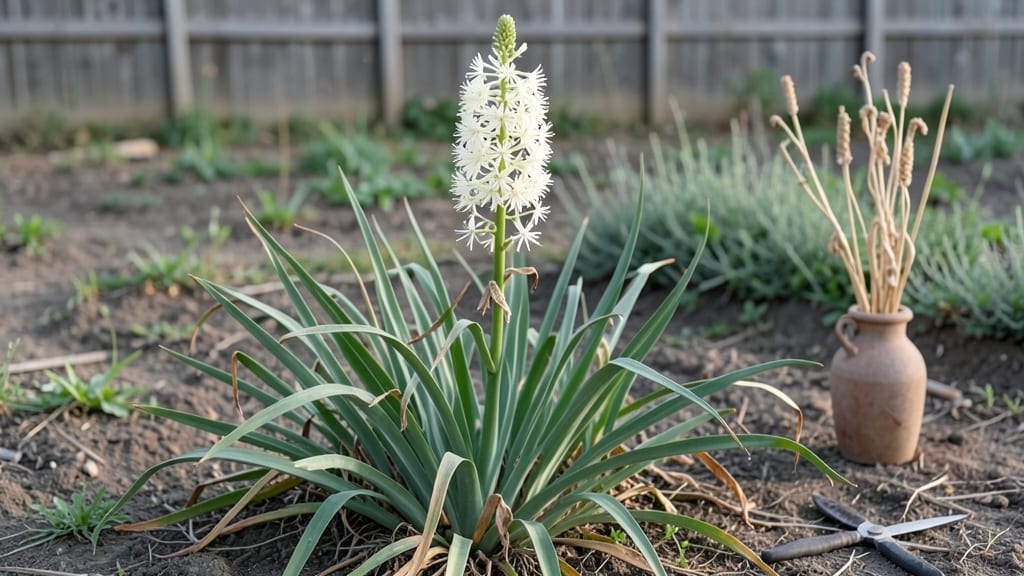
Eremurus flowers bring towering drama to arrangements with just a few stems—imagine 6-foot-tall foxtails swaying like desert grasses in your bouquet. 🌿 I first fell for them when a single stalk shot up in my garden, and suddenly every vase felt too small.
The secret isn’t just their height; it’s how they transform ordinary arrangements into statement pieces with minimal effort.
You only need three key elements: fresh-cut eremurus stems (harvest when buds are just opening), a sturdy container (think tall vases or repurposed bottles), and complementary flowers like roses or dahlias for balance.
The best time to cut them is late spring to early summer, when their color ranges from soft pink to deep magenta. Even a single stalk becomes a focal point—no need for a full armful.
What you’ll end up with is arrangements that feel luxuriously bold without overwhelming the space. The foxtails’ airy texture contrasts beautifully with dense blooms, while their long stems let you create vertical interest in any room.
Plus, with proper care (a clean cut, fresh water, and a bit of floral food), they’ll last 7-10 days—longer than most cut flowers.
Works for weddings, dinner parties, or even your kitchen table. Here’s how to make them the star of your next floral display—without breaking the bank or cluttering your space.
📚 In This Guide
- What you need
- Instructions
- Tips and common mistakes
- Wrapping up and next steps
What you need
- ● Eremurus stems: 3–5 fresh, sturdy stems (each 18–36" tall, depending on your design). Choose blooms with at least 50% open flowers for texture.
- ● Floral preservative: 1 packet (e.g., Chrysal Clear or floral food) to extend vase life (3–5 days).
- ● Container: Vase: Tall, narrow vessel (e.g., glass cylinder, bud vase) with a 3–4" diameter opening to accommodate thick stems.
- ● Alternative: A rustic wooden box, ceramic pot, or even a repurposed bottle for a boho look.
- ● Pruning shears: Sharp, clean pair to trim stems at a 45° angle (avoids air pockets).
- ● Floral tape or wire: 1 roll (for securing stems or adding greenery).
- ● Filler flowers: Delicate blooms like ranunculus, statice, or gypsophila (1–2 stems) to soften height.
- ● Greenery: Eucalyptus, ferns, or asparagus plumosus for contrast (trim to 12–18" lengths).
- ● Decorative elements: Twine, dried citrus slices, or a single feather for whimsy.
- ● Color accents: Gold spray paint (for metallic vases) or handmade paper wraps.
- ● 🌡️ Prep stems: Trim 1–2" off each stem and place in warm water + preservative for 2 hours before arranging to hydrate.
- ● ✨ Odd numbers rule: Use 3 or 5 stems for natural balance—avoid even numbers!
- ● 🎯 Support: For tall arrangements, insert a hidden wire armature (e.g., floral frog) into the vase to prop up stems.
How to create stunning Eremurus flower arrangements
Eremurus delivers vertical drama with minimal stems—here’s how to showcase their towering beauty.
🌱 Step 1: Select and Prepare Your Eremurus Stems
Choose stems that are fully open but not yet fading—look for buds just beginning to unfurl along the spike. Trim each stem at a 45-degree angle about 2 inches below the base with sharp floral shears. This encourages water uptake and prevents bacterial rot. Handle stems gently; their delicate, grass-like foliage bruises easily.
Strip any lower leaves that would sit below the waterline in your vase. These can harbor bacteria and cloud the water faster. Leave the upper foliage intact—it frames the dramatic bloom spikes beautifully. I like to work on a clean cutting board to avoid introducing dirt or debris to the stems.
☀️ Step 2: Condition the Stems for Longevity
Fill a clean bucket with lukewarm water and add 1 teaspoon of floral preservative per quart. Trim stems again under water—this prevents air bubbles from blocking the xylem. Submerge each stem for 30 seconds to fully hydrate the cut ends. Eremurus responds well to this treatment, often lasting 7-10 days in arrangements.
For extra vase life, add a pinch of bleach-free household bleach (1/4 teaspoon per quart) to the water. This prevents bacterial growth that causes premature wilting. Change the water every 2-3 days and recut stems by 1/2 inch each time. The key here is consistency—don’t skip the water changes, even if the stems look fine.
🪴 Step 3: Design Your Arrangement Structure
Use a tall, narrow vase (at least 12 inches deep) to highlight Eremurus’ vertical form. I prefer clear glass so you can monitor water levels without disturbing the stems. Fill the vase 1/3 full with water—too much creates instability, while too little forces stems to bend awkwardly.
Arrange stems in odd numbers for natural balance—3 or 5 spikes work beautifully. Space them evenly around the vase’s circumference, fanning them slightly outward at the base. The goal is to create a full, dramatic silhouette when viewed from the front. For height variation, place taller stems in the center and shorter ones toward the edges.
✂️ Step 4: Secure and Style the Arrangement
Once stems are placed, gently press them into the water at a slight angle—this creates visual interest while keeping them stable. Add 3-4 inches of floral foam (if using) to the base, ensuring it’s fully saturated. This prevents stems from shifting as they drink water.
For a modern look, pair Eremurus with dried grasses or eucalyptus—their textures complement the feathery foliage. Avoid heavy blooms like roses; they’ll weigh down the delicate spikes. Step back frequently to check balance. The arrangement should feel intentional, not crowded. A single Eremurus spike can become a stunning centerpiece on its own.
💧 Step 5: Maintain and Enjoy Your Display
Keep arrangements in bright, indirect light—direct sun accelerates wilting. Avoid drafts, including air conditioning vents, which cause stems to dry out unevenly. Mist the foliage lightly every 2-3 days to maintain humidity, especially in dry climates.
Watch for buds that begin to open—this is your cue to move the arrangement to a cooler spot (around 65°F) to slow further blooming. With proper care, your Eremurus will remain fresh and striking for up to 2 weeks, making it a standout feature in any space. The secret? Treat them like the high-maintenance divas they are—they’ll reward you with breathtaking height and elegance.
Tips & tricks for perfect Eremurus flower arrangements
Here's what nobody tells you about making Eremurus arrangements that look like they came straight from a high-end florist.
Stem Selection Secret: In Step 1, when choosing stems, look for those with buds that are just beginning to unfurl—these will open beautifully over 2-3 days in your arrangement. Avoid stems with fully open buds at the base; they'll wilt faster. I've found that stems with a slight curve naturally create more dynamic arrangements once they open fully. The key is patience—wait for the perfect moment when buds are about 25% open at the base.
Water Chemistry Matters: The 30-second submersion in Step 2 is non-negotiable for longevity. For even better results, add a few drops of lemon juice (about 1 teaspoon per quart) to the conditioning water—this lowers the pH slightly, which helps prevent bacterial growth. I've seen arrangements last nearly 3 weeks using this method. Remember to use lukewarm water—cold water can shock the stems while hot water can cook them.
Vase Design Hack: When arranging in Step 3, create visual height by placing your tallest stems slightly off-center rather than directly in the middle. This makes the arrangement appear more natural and prevents it from looking too symmetrical. For extra drama, add a few stems at varying heights—some fully open, some partially open—to create a cascading effect as they bloom.
Lighting Strategy: The bright, indirect light recommendation in Step 5 is crucial, but here's the pro tip: position your arrangement near a north-facing window if possible. Northern light is the most consistent and won't cause the stems to overheat. If you must use artificial light, LED grow lights work beautifully—just keep them 12-18 inches away from the arrangement to prevent heat damage.
Pro Tips for Eremurus Flower Arrangements
- Here's what nobody tells you about making Eremurus arrangements that look like they came straight from a high-end florist.
- Stem Selection Secret: In Step 1, when choosing stems, look for those with buds that are just beginning to unfurl—these will open beautifully over 2-3 days in your arrangement.
- Water Chemistry Matters: The 30-second submersion in Step 2 is non-negotiable for longevity.
Frequently asked questions
When is the best time to use Eremurus in arrangements?
Eremurus blooms in late spring to early summer (May–June), making it ideal for seasonal arrangements. For year-round use, preserve stems by drying them or using floral preservatives. Pair fresh Eremurus with delicate blooms like ranunculus or peonies for contrast.
How long do Eremurus flower arrangements last?
With proper care, Eremurus arrangements last 7–10 days in a vase. Trim stems at an angle, change water every 2–3 days, and avoid direct sunlight. For longer vase life, add a floral preservative like Chrysal Professional to the water.
Can I mix Eremurus with other flowers?
Eremurus pairs beautifully with soft, rounded blooms like roses, hydrangeas, or tulips. Avoid heavy flowers (e.g., sunflowers) that may weigh down its delicate stems. For a modern look, combine with eucalyptus or dusty miller for texture.
Why are my Eremurus stems wilting quickly?
Wilted Eremurus often signals bacterial growth or poor hydration. Check for slimy water (a sign of bacteria) and recut stems under water. Ensure stems aren’t blocked by air bubbles. If stored overnight, keep them in a cool, dark place with fresh water.
Are there alternatives to fresh Eremurus?
For a similar dramatic height, try dried Eremurus (available year-round) or substitutes like gladiolus or delphinium. Dried Eremurus retains its structure but loses color vibrancy over time. Preserved Eremurus (glycerin-treated) is another long-lasting option.
Wrapping up and next steps
Eremurus flowers bring unmatched elegance and height to any arrangement with just a few stems—proving that less can be more! 🌿 Whether you're crafting a bold centerpiece or a delicate bouquet, their striking plumes and versatility make them a florist’s secret weapon.
Don’t wait to experiment: grab a few stems and let your creativity bloom!
Next step: Try arranging one today—start with this simple guide or dive into mixing Eremurus with other textures for a show-stopping look. Happy designing! ✨