
Flowers
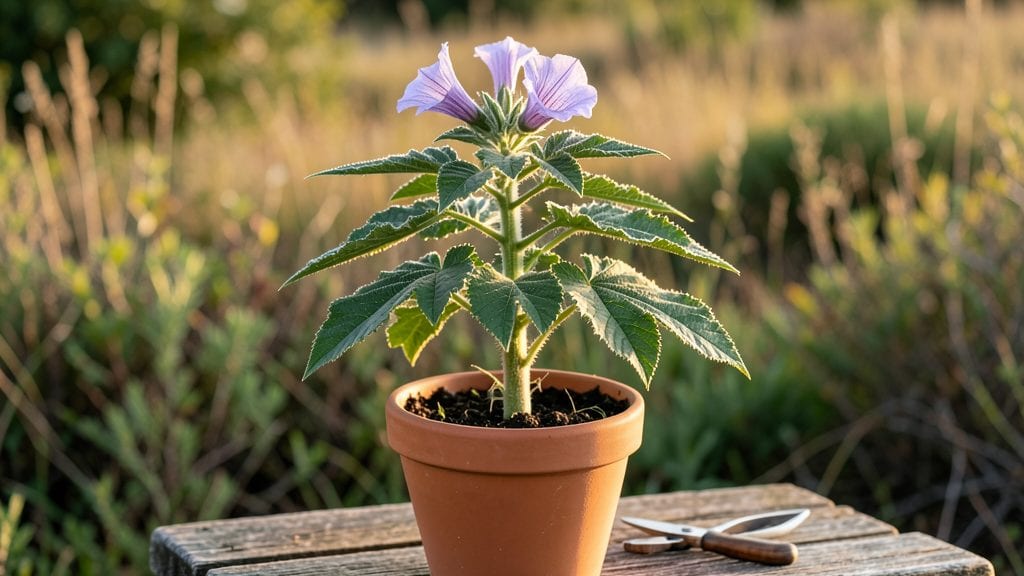
Growing jimson weed flowers means adding moody, moonlit drama to your garden with almost no effort. 🌙 These striking, trumpet-shaped blooms—white, purple, or pink—thrive on neglect, popping up where nothing else will grow.
The catch? They’re toxic if ingested, so keep them away from pets and kids while enjoying their wild, otherworldly charm.
Jimson weed loves full sun and poor, sandy soil—it practically begs you to ignore it. Plant seeds directly in the ground after your last frost, and they’ll self-sow like crazy, creating a low-maintenance, long-blooming spectacle that lasts from summer into fall.
Water only when the soil is bone-dry, and watch as they shoot up to 4-5 feet tall with minimal fuss.
What you’ll love most is how effortlessly they transform a garden corner into a hauntingly beautiful focal point. The fragrant, star-shaped flowers close at night and reopen in the morning, adding a magical touch. Just be prepared for volunteer plants popping up everywhere—this is one plant that grows itself.
For experienced gardeners, their toxicity means they’re best suited to wildflower meadows or cottage gardens where kids and pets don’t wander. Beginners will appreciate how forgiving they are—just don’t expect them to play nicely with other plants. Ready to let nature take over?
📚 In This Guide
- What you need
- Instructions
- Tips and common mistakes
- Wrapping up and next steps
What you need
- ● Seeds: 5–10 jimson weed seeds (ensure they’re fresh for best germination). Pro tip: 💡 Store seeds in a cool, dry place if not planting immediately.
- ● Growing Containers or Garden Bed: For containers: 1–2 large pots (10+ inches deep) with drainage holes.
- ● For garden beds: Full sun exposure (6+ hours daily) and well-draining soil.
- ● Potting Soil: 1–2 bags of high-quality, well-draining potting mix (add perlite or sand for extra aeration if needed).
- ● Watering Can or Hose: With a gentle spray nozzle for even moisture.
- ● Gloves: Heavy-duty gardening gloves (jimson weed has thorny stems!).
- ● Trowel: For transplanting seedlings or loosening soil.
- ○ Pruning Shears: Optional, for shaping mature plants or removing spent blooms.
- ● Fertilizer: Balanced, low-nitrogen fertilizer (e.g., 10-10-10) or compost—apply sparingly (this plant prefers lean soil!).
- ○ Mulch: Optional: Straw or shredded leaves to retain moisture and suppress weeds.
Step-by-Step instructions for cultivating jimson weed flowers
Here's how I grow these striking, low-maintenance blooms—just follow these simple steps for dramatic results.
🌱 Step 1: Choose the Perfect Planting Location
Jimson weed thrives in full sun—at least 6-8 hours daily—and tolerates poor soil better than most plants. I always pick a spot with well-draining soil (even sandy or rocky areas work) and space at least 3 feet apart since mature plants reach 5-10 feet tall. The key is avoiding competition; these plants grow fast and need room to establish their deep taproots.
If your soil is heavy clay, mix in 2-3 inches of compost before planting to improve drainage. I test the pH first—jimson weed prefers slightly acidic to neutral (6.0-7.0). If your soil runs alkaline, add sulfur or peat moss to adjust it. This plant is drought-tolerant once established, but young seedlings need consistent moisture to prevent transplant shock.
☀️ Step 2: Plant Seeds at the Right Time and Depth
Sow seeds outdoors after the last frost when soil temperatures reach at least 60°F. I plant mine in late spring (May-June) in most climates. Jimson weed seeds germinate best at 70-80°F, so don't rush—waiting for warm soil speeds up sprouting. Drop seeds ½ inch deep in the soil and space them 12-18 inches apart to allow for future growth.
Cover lightly with soil and water gently to settle the seeds. Don't overwater—these seeds need moisture but hate soggy conditions. Germination takes 10-21 days, so be patient. I mark each seed's location with a small stake to avoid disturbing them while waiting. Once seedlings appear, thin to the strongest plant per spot, giving them 2-3 feet of space to prevent overcrowding.
💧 Step 3: Water and Fertilize Strategically
Young jimson weed plants need 1 inch of water weekly, but once they reach 1-2 feet tall, reduce watering to every 10-14 days unless your area experiences extreme heat. Overwatering causes root rot, and these plants are surprisingly drought-resistant. I water deeply at the base in the morning to encourage strong root development and prevent fungal issues.
Fertilize lightly—too much nitrogen makes plants leggy and weak. I use a balanced 10-10-10 fertilizer at half-strength once when seedlings emerge and again when flowers start to form. Avoid high-phosphorus fertilizers; they encourage too many leaves at the expense of blooms. Mulch around the base with 2-3 inches of straw to retain moisture and suppress weeds without smothering the plant.
✂️ Step 4: Prune for Health and Encourage Blooms
Jimson weed rarely needs pruning, but I remove dead or diseased leaves regularly to keep the plant healthy. If stems grow too leggy, I trim back one-third of the top growth in early summer to encourage bushier growth. The plant rebounds quickly, and you'll see new side shoots forming within 2-3 weeks. Never prune after mid-summer—this can delay or prevent flowering.
Watch for trumpet-shaped flowers forming in late summer (August-September). These blooms are stunning but heavy—if stems sag under the weight, I tie them to stakes or a small trellis for support. Deadhead spent blooms to redirect the plant's energy into new flowers rather than seed production. The more you encourage blooming, the taller and more dramatic the plant becomes.
🌿 Step 5: Harvest and Prepare for Winter
Jimson weed flowers are best harvested in the morning after dew has dried for maximum longevity. Use clean pruners to cut stems 2-3 inches below the bloom. Store them in a cool, dry place (like a vase with water) for up to 7-10 days. The flowers are stunning in dried arrangements too—hang them upside down in a dark, well-ventilated space for 1-2 weeks until fully dried.
In fall, once the first frost blackens the foliage, cut the plant back to 6 inches tall. Jimson weed is perennial in zones 8-11 but often dies back in colder climates. If you're in a frost-prone area, pull the plant entirely to prevent self-seeding (it spreads aggressively). In warmer zones, the roots may resprout next year—just trim back and mulch heavily to protect them through winter.
Tips & tricks for perfect jimson weed flower cultivation
These simple yet game-changing tips will help you grow jimson weed flowers that rival the most dramatic garden displays—with minimal effort.
Soil Temperature Secret: The 60°F soil temperature threshold in Step 2 is non-negotiable for germination. I use a soil thermometer to confirm this before planting—cold soil delays sprouting by weeks. Pro tip: Lay black plastic sheeting over the planting area a few days before sowing to warm the soil faster. This works especially well in cooler climates where spring arrives late.
Germination Timing: The 10-21 day germination window can feel like an eternity, but don't disturb the seeds! Mark their locations with biodegradable plant stakes or even colored toothpicks. I've found that gently pressing a small rock on top of each seed (just enough to cover it) helps maintain consistent moisture without disturbing the soil structure when checking for sprouts.
Pruning Strategy: When trimming back one-third of leggy growth in Step 4, focus on removing the topmost leaves rather than just the stems. This encourages bushier growth from lower buds. The 2-3 week recovery time is crucial—resist the urge to prune again until you see new side shoots emerging. This method transforms what could be a lanky plant into a full, dramatic specimen.
Winter Protection: For perennial zones 8-11, don't cut back too aggressively in fall. Leave the stems standing until after the first hard frost, then trim to 6 inches. The remaining foliage provides natural insulation for the roots. I also add an extra 4 inches of straw mulch around the base—this prevents frost heave and protects against temperature fluctuations that can damage emerging shoots in spring.
Pro Tips for Jimson Weed Flower
- These simple yet game-changing tips will help you grow jimson weed flowers that rival the most dramatic garden displays—with minimal effort.
- Soil Temperature Secret: The 60°F soil temperature threshold in Step 2 is non-negotiable for germination.
- Germination Timing: The 10-21 day germination window can feel like an eternity, but don't disturb the seeds!
Frequently asked questions
Got questions about growing jimson weed flowers? You’re not alone! This striking plant is easy to cultivate but has a few quirks. Here are answers to the most common queries to help you grow with confidence.
Is jimson weed legal to grow where I live?
Legality varies—Datura stramonium is restricted or banned in some states/countries due to its psychoactive compounds. Always check local laws before planting. If unsure, opt for non-psychoactive varieties like Datura wrightii (legal in many areas). When in doubt, consult your USDA or local agricultural office.
How long does it take for jimson weed flowers to bloom?
From seed, expect blooms in 60–90 days under ideal conditions (warm soil, full sun). Fast-growing, jimson weed can shoot up 3–5 feet in a season! Early blooms appear in late summer, with peak flowering in fall. Pro tip: Deadhead spent flowers to encourage more blooms .
Why aren’t my jimson weed flowers opening?
Several factors can delay blooms:
- Insufficient sunlight: Needs 6+ hours of direct sun daily.
- Cool temperatures: Thrives in 70–90°F; chilly nights can stall growth.
- Overcrowding: Space plants 18–24 inches apart for airflow.
- Nutrient deficiency: Amend soil with phosphate-rich fertilizer (e.g., 5-10-10).
Can I grow jimson weed in containers?
Yes! Use a 5-gallon pot minimum with drainage holes. Fill with well-draining soil (e.g., cactus/succulent mix). Containers dry faster, so water deeply 2–3 times weekly during hot spells. Warning: Avoid placing near pets/kids—this plant is highly toxic if ingested.
What are some jimson weed alternatives for easy, low-maintenance blooms?
If jimson weed’s toxicity or quirks deter you, try these hardy, fast-growing flowers:
- Moonflower (Ipomoea alba): Night-blooming vines with fragrant white flowers.
- Datura wrightii: Similar look, non-psychoactive (but still toxic).
- Evening Primrose (Oenothera spp.): Drought-tolerant, bioluminescent blooms.
- Black Nightshade (Solanum nigrum): Edible berries (cooked), striking foliage.
What should I do if someone or a pet ingests jimson weed?
Seek emergency medical help immediately. Symptoms include hallucinations, rapid heartbeat, and seizures. Keep plants out of reach of children/pets. Store seeds in a locked container. Poison Control (1-800-222-1222) can provide guidance.
Wrapping up and next steps
Growing jimson weed flowers is a rewarding journey that brings bold beauty to your garden with surprisingly little effort! These striking plants thrive in diverse conditions, making them perfect for both experienced gardeners and beginners.
Whether you’re drawn to their Datura charm or their hardy nature, your efforts will soon be rewarded with vibrant, moonlit blooms that captivate the eye.
Ready to take the next step? Start small—plant a few seeds or seedlings in a sunny spot, and let nature do the rest. With patience and minimal care, you’ll soon have a stunning display that turns heads (and maybe even attracts hummingbirds!). Happy gardening! 🌸🌿