
Fertilization
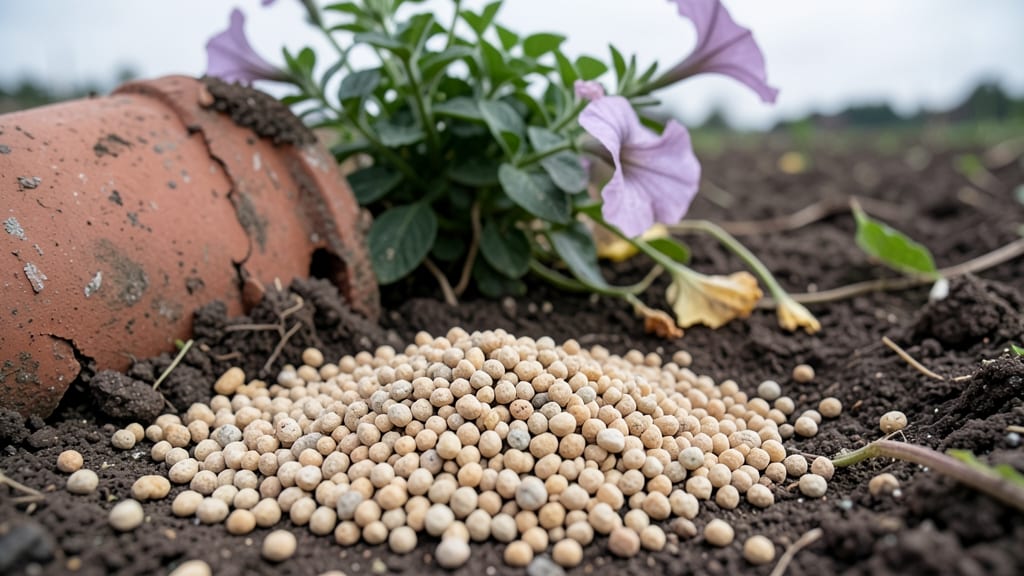
The right fertilizer for flowering plants isn’t just about feeding roots—it’s about unlocking the boldest colors and longest bloom seasons. 🌸 I learned this the hard way when my hydrangeas turned green instead of blue, and my roses produced leaves instead of flowers.
The secret lies in understanding NPK ratios and timing, not just throwing down any old fertilizer.
Flowering plants need different nutrition at different stages: high phosphorus to encourage blooms, balanced nitrogen to support foliage, and potassium to strengthen stems. Organic options like compost tea or bone meal work slowly but steadily, while synthetic blooming formulas deliver quick results.
My go-to? A 10-30-20 blend during bud formation, followed by a 5-10-10 once flowers appear.
You’ll see the difference in just a few weeks—vibrant petunias, fuller hydrangeas, and roses that keep blooming until frost. The key is consistency: feed lightly every 4-6 weeks during the growing season, and cut back in fall to let plants rest.
Over-fertilizing is the fastest way to kill blooms, so less is often more.
Whether you’re growing annuals, perennials, or shrubs, this approach works for everything from impatiens to peonies. Let’s get those blooms popping like they should!
📚 In This Guide
- What you need
- Instructions
- Tips and common mistakes
- Wrapping up and next steps
What you need
- ● Balanced fertilizer (N-P-K ratio): Store-bought: 5-10-5 or 10-10-10 granular or liquid fertilizer (e.g., Miracle-Gro All-Purpose, Dr. Earth Organic Bloom Booster). Aim for 1–2 lbs per 100 sq ft for granular or 1 tbsp per gallon of water for liquid.
- ● DIY option: Mix 1 part bone meal (P-rich), 1 part compost, and ½ part potassium sulfate (K-rich).
- ○ Slow-release fertilizer (optional but ideal): Examples: Osmocote Smart-Release or Espoma Flower-Tone (apply ½ cup per plant at planting time).
- ● Watering can or hose with a spray nozzle (for liquid fertilizers).
- ● Gloves and dust mask (if handling granular or organic fertilizers).
- ● Measuring scoop or scale (for precise application).
- ● Garden trowel or fork (for mixing DIY fertilizer into soil).
- ○ pH test kit (optional but helpful—ideal range: 6.0–7.0 for most flowers).
- ● Label or marker (to track fertilizer types/dates if testing multiple blends).
- ● Sunny, well-draining spot (ensure your plants are already established before fertilizing).
- ● 🌡️ Timing matters: Fertilize when plants are actively growing (spring/summer) and not during dormancy or extreme heat.
- ● ✨ Hydrate first: Water plants 24 hours before applying fertilizer to prevent root burn.
- ● 🎯 Avoid overdoing it: More fertilizer ≠ more flowers! Follow label instructions to prevent nutrient buildup.
Step-by-Step guide to fertilizing flowering plants for maximum blooms
Precision matters when feeding flowering plants—too much nitrogen makes them leafy, not bloomy. Here's how to balance nutrients for vibrant, long-lasting flowers.
🌿 Step 1: Understand Your Plant's Nutrient Needs
Flowering plants thrive on a higher phosphorus (P) and potassium (K) ratio than nitrogen (N). Look for a balanced fertilizer labeled 5-10-5 or 10-20-10—this means phosphorus and potassium outnumber nitrogen, which encourages blooms over foliage. I always check the label first; a low-nitrogen formula (like 2-4-2) works best for established plants.
Phosphorus promotes root growth and flower development, while potassium strengthens stems and improves disease resistance. Too much nitrogen (the first number) results in lush green leaves but few blooms. Test your soil first if possible—this tells you if your plants need phosphorus or potassium more than nitrogen.
🌱 Step 2: Apply Fertilizer at the Right Time
Timing is everything. Start fertilizing when new growth begins in early spring, just as buds form. I use a slow-release granular fertilizer for steady feeding, spreading it evenly around the base of the plant and 1-2 inches away from the stem to avoid root burn. Water the soil deeply after application to help nutrients penetrate.
For container plants, dissolve half the recommended dose of water-soluble fertilizer in water and apply every 2-4 weeks during the growing season. Over-fertilizing in pots leads to salt buildup, which damages roots. Always follow the package instructions—more isn’t better when it comes to blooms.
💧 Step 3: Feed During Active Blooming Periods
Flowering plants need extra nutrients when they're in full bloom. Switch to a bloom-boosting fertilizer (like 7-9-5 or 10-30-20) during this phase. I apply it every 4-6 weeks until flowers fade, then taper off in late summer to encourage root strengthening for next season.
Watch for signs of deficiency: purple stems mean phosphorus is low, while yellowing leaves with weak stems signal potassium deficiency. Adjust your fertilizer blend accordingly. Avoid fertilizing in extreme heat or drought—plants can’t absorb nutrients efficiently when stressed.
✂️ Step 4: Adjust Techniques for Different Plant Types
Annuals and perennials have different needs. Annuals like petunias and marigolds benefit from weekly liquid fertilizer during their short growing season, while perennials like roses and daylilies do better with monthly slow-release granules. I always match the fertilizer type to the plant’s life cycle.
For houseplants with flowers (like African violets or orchids), use a diluted, balanced fertilizer every 4-6 weeks and flush the soil with water monthly to prevent salt buildup. These plants are sensitive to over-fertilization, so less is always better. Observe their response—healthy blooms mean you’re on the right track.
☀️ Step 5: Monitor and Maintain for Long-Term Success
After fertilizing, keep soil consistently moist but not soggy. Dry soil locks out nutrients, while waterlogged soil causes root rot. I check soil moisture by sticking my finger 1 inch deep—if it feels dry, it’s time to water. Mulch around plants to retain moisture and regulate soil temperature.
Watch for signs of over-fertilization: brown leaf tips, stunted growth, or white crust on soil mean you’ve overdone it. Flush the soil with water immediately if you see these symptoms. For best results, fertilize in the morning so plants have time to absorb nutrients before evening heat sets in.
Tips & tricks for perfect flowering plant fertilization
Here's what nobody tells you about getting those vibrant blooms—these precision tips will help you avoid common pitfalls and maximize your plants' potential.
Label Reading Matters: In Step 1, when you're choosing a 5-10-5 or 10-20-10 fertilizer, pay special attention to the third number—potassium (K). This is what strengthens stems and improves disease resistance, which is critical during the blooming phase. I always double-check that the potassium number is at least twice the nitrogen number for flowering plants.
Timing is Everything: The early spring timing in Step 2 is crucial because that's when plants transition from dormancy. If you're in a warmer climate, you might need to start fertilizing in late winter. For container plants, I've found that sticking to the 2-4 week schedule during active growth prevents salt buildup—just remember to use only half the recommended dose for water-soluble fertilizers.
Visual Cues for Deficiencies: When you see purple stems in Step 3, that's your plant's way of telling you it needs more phosphorus. For potassium deficiency, look for yellowing leaves with weak stems—these are clear signals to adjust your fertilizer blend. I keep a small notebook by my plants to track these visual cues and adjust my feeding schedule accordingly.
Morning Application Strategy: The morning fertilization recommendation in Step 5 is more than just a suggestion—it's about giving your plants the full day to absorb nutrients. I've noticed that plants fertilized in the morning show better bloom development and fewer signs of stress. Plus, it prevents the fertilizer from sitting on leaves overnight, which can cause leaf burn.
Pro Tips for Fertilizer For Flowering Plants
- Here's what nobody tells you about getting those vibrant blooms—these precision tips will help you avoid common pitfalls and maximize your plants' potential.
- Label Reading Matters: In Step 1, when you're choosing a 5-10-5 or 10-20-10 fertilizer, pay special attention to the third number—potassium (K).
- Timing is Everything: The early spring timing in Step 2 is crucial because that's when plants transition from dormancy.
Frequently asked questions
Got questions about keeping your flowering plants in full, vibrant bloom? You’re not alone! Here are answers to the most common queries about fertilizing flowering plants—so you can grow with confidence.
What’s the best N-P-K ratio for flowering plants?
Look for a fertilizer with a balanced or phosphorus-heavy ratio, like 10-20-10 or 5-10-5. Phosphorus (the middle number) fuels blooms, but don’t overdo nitrogen (first number)—it’ll make leaves grow at the expense of flowers. Adjust based on your plant’s stage: more P during budding, less during maintenance.
How often should I fertilize flowering plants?
Feed every 2–4 weeks during active growth and flowering, then taper off in fall/winter. Over-fertilizing burns roots! Start with half-strength fertilizer, then increase as needed. Pro tip: Water plants before applying fertilizer to prevent root damage.
Can I use organic fertilizers for flowering plants?
Organic options like fish emulsion, compost tea, or bone meal work wonders. They release nutrients slowly, reducing burn risk. For quick blooms, mix organic granules (e.g., worm castings) into soil or use liquid feeds like seaweed extract. Just monitor soil moisture—organics break down faster when wet!
Why aren’t my flowering plants blooming even after fertilizing?
Blooms may stall due to light deprivation, stress, or wrong fertilizer. Check these fixes:
- Light: Most flowering plants need 6+ hours of sunlight daily.
- Over-fertilizing: Too much nitrogen = leafy growth, no flowers. Switch to a low-N, high-P formula.
- Stress: Over/under-watering or pests can halt blooming. Inspect leaves and adjust care.
What’s the difference between liquid and slow-release fertilizers?
| Liquid Fertilizer | Slow-Release Fertilizer |
|---|---|
| Fast-acting; nutrients absorb quickly. Great for immediate blooms or correcting deficiencies. | Releases nutrients over weeks/months. Ideal for low-maintenance care and steady growth. |
| Apply every 1–2 weeks during blooming season. | Apply 2–4 times per season (follow package instructions). |
Best of both worlds? Use liquid for active blooming and slow-release as a base feed.
Wrapping up and next steps
Choosing the right fertilizer for flowering plants is all about balance—understanding your plants’ needs and matching them with the perfect N-P-K ratio. Whether you’re a seasoned gardener or just starting, the key is to experiment, observe, and adjust. Your blooms will thank you with vibrant colors and lush growth!
Ready to level up your garden? Start by testing your soil, then pick a fertilizer tailored to your flowering favorites. Happy growing! 🌸🌿