
Flowers
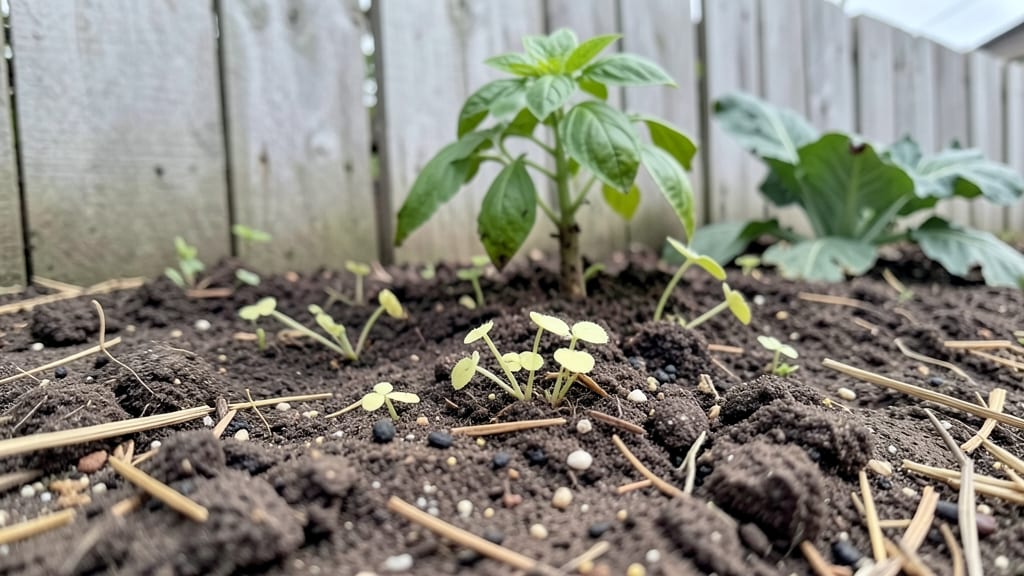
Your flower bed dirt isn’t just dirt—it’s the foundation for vibrant blooms that turn heads in the neighborhood. I’ve spent years testing mixes, and the secret lies in balancing texture, nutrients, and drainage to create a medium that flowers crave rather than endure.
The right blend transforms compacted clay or sandy soil into loose, crumbly perfection where roots spread freely and nutrients stay available.
Start with your existing soil as the base—no need to dig up the whole bed. For heavy clay, mix in 2-3 inches of compost and coarse sand to improve drainage. Sandy soil? Add peanut hulls or coconut coir to retain moisture and nutrients.
A handful of aged manure or worm castings boosts fertility, while a sprinkle of bone meal ensures strong root development. The goal is 60% soil, 30% organic matter, and 10% sand or perlite for ideal structure.
Once mixed, your flower bed dirt should feel like a soft loaf of bread—light enough to crumble but sturdy enough to hold moisture. Amend the pH if needed (most flowers thrive at 6.0-7.0), and top-dress with mulch to preserve moisture and suppress weeds.
Within weeks, you’ll notice deeper green foliage and buds forming earlier than ever before. The difference between struggling plants and showstopping blooms? Soil this good.
This recipe works for perennials, annuals, and even shrubs—just adjust the organic matter ratio based on your plants’ needs. For example, hydrangeas love acidic soil, while roses prefer slightly alkaline.
The key is testing and observing: if leaves yellow, add iron; if growth stalls, boost nitrogen. Your flower beds will thank you with season-long color that rivals the pros.
📚 In This Guide
- What you need
- Instructions
- Tips and common mistakes
- Wrapping up and next steps
What you need
- ● Topsoil (50%): 2 parts (by volume) – Use high-quality, well-draining topsoil (e.g., Miracle-Gro Garden Soil or local compost-rich soil).
- ● Compost (30%): 1.5 parts – Look for aged compost (not fresh manure) to avoid burning plants. A 5-gallon bucket per square foot of bed works well.
- ● Perlite or Vermiculite (10%): 0.5 parts – Improves aeration and drainage. A 5-pound bag covers ~10 sq ft.
- ● Peat Moss or Coconut Coir (10%): 0.5 parts – Retains moisture without compacting. Use 1 cubic foot per 4 sq ft of bed.
- ● Garden Gloves: Heavy-duty (e.g., Wet & Forget or Gloves USA) to protect hands.
- ● Shovel or Spade: For mixing and moving soil (e.g., Fiskars Steel).
- ● Wheelbarrow or Large Container: To blend materials (e.g., 5-cubic-foot capacity).
- ● Garden Rake: For leveling and breaking up clumps.
- ○ Soil pH Test Kit (Optional): Ensures your mix is ideal (pH 6.0–7.0 for most flowers).
- ○ Mulch (Optional): 2–3 inches of shredded bark or straw to retain moisture.
Step-by-Step guide to building a perfect flower bed soil mix
Here's how I create a light, airy blend that flowers can't resist—no store-bought shortcuts needed.
Gather Your Base Materials
Start with one part garden soil (the foundation) and one part compost (the nutrient powerhouse). I always use finished compost—not fresh manure—because raw organic matter can burn roots. Sift both materials through a ¼-inch mesh screen to remove rocks and clumps, which creates a finer texture that roots can penetrate easily.
For 4 flower beds, you'll need about 8 cubic feet of garden soil and 8 cubic feet of compost. Spread both piles on a tarp to work with them more easily. This ratio ensures good drainage while retaining enough moisture for delicate blooms.
Add Bulking Agents for Looseness
Mix in one part perlite or coarse sand to improve drainage and prevent compaction. I prefer perlite because it stays loose longer, but coarse sand works in a pinch. For 4 flower beds, that's another 8 cubic feet total. Distribute it evenly over the soil and compost mixture.
Next, add one part peat moss or coconut coir—this holds moisture without becoming soggy. Peat moss is traditional, but coconut coir is more sustainable. Again, 8 cubic feet for our project. Turn the entire pile with a shovel to distribute these amendments uniformly.
Incorporate Fertility Boosters
Stir in one cup of balanced organic fertilizer (like 5-5-5) per 4 cubic feet of mix. This provides slow-release nutrients that flowers can access all season. I also add one tablespoon of bone meal per 4 cubic feet for extra phosphorus, which encourages strong root development and abundant blooms.
For 4 flower beds, that's 2 cups of organic fertilizer and ½ cup of bone meal. Work these into the center of the pile first, then fold in the outer layers to ensure even distribution. Avoid overmixing—just until the color looks uniform throughout.
Test and Adjust the Texture
Grab a handful of the finished mix and squeeze it gently. It should hold its shape but crumble easily when you poke it with your finger—this indicates the perfect balance of moisture retention and drainage. If it feels too dense, add another 2-3 cubic feet of perlite. If it's too loose, incorporate 1-2 cubic feet more compost.
For a final check, fill a small container with the mix and water it thoroughly. After 30 minutes, the top inch should feel slightly damp but not wet. This confirms your blend won't suffocate roots while still providing enough moisture for thirsty blooms.
Apply to Flower Beds
Remove any existing weeds or grass from the flower bed area, then loosen the top 6-8 inches of native soil with a garden fork. Spread your custom mix over the prepared bed to a depth of 3-4 inches. For 4 flower beds, you'll need about 24 cubic feet total.
Gently rake the surface to create a smooth, even layer. Avoid compacting it—just enough to level it out. This depth gives roots plenty of room to establish while keeping the soil workable for planting. Water lightly after spreading to help the mix settle into place.
Tips & tricks for perfect flower bed soil mix
Between us, the difference between a thriving flower bed and one that struggles is often in the soil prep. Here's what I've learned after years of trial and error to create the ideal foundation for blooms.
Quality Matters: Don't skimp on the finished compost—it's the nutrient powerhouse of your mix. I've found that using a blend of well-aged cow manure compost and leaf mold creates the perfect balance of nutrients and organic matter. For Step 1, if you're using garden soil, choose a loamy soil type rather than heavy clay, which can compact easily and restrict root growth. The 1:1 ratio of soil to compost is critical—this ensures proper aeration while providing essential nutrients.
Texture is Everything: When testing your mix in Step 4, pay attention to the crumble test. The ideal soil should hold its shape when squeezed but break apart easily with gentle pressure—this indicates good structure. If your mix feels too dense after adding perlite, try incorporating more coconut coir instead of additional perlite, as it helps maintain that airy texture while improving moisture retention. Remember, the goal is to mimic the natural loamy soil that most flowers thrive in.
Seasonal Considerations: For spring planting, you can prepare this mix up to 3 months ahead and store it in a covered bin. However, if you're creating it in late summer for fall planting, I recommend adding an extra ½ cup of bone meal per 4 cubic feet to give the soil a nutrient boost before winter. The 30-minute water test in Step 4 becomes especially important in drier climates—you may need to adjust the peat moss to coconut coir ratio to retain more moisture.
Equipment Shortcut: Instead of sifting all your materials through a ¼-inch mesh screen, which can be time-consuming, I've found that using a large garden sieve or even a sturdy colander with small holes works just as well. For larger projects, consider renting a soil screener from your local garden center—it saves time and ensures more consistent particle size throughout your mix.
Pro Tips for Flower Bed Dirt
- Between us, the difference between a thriving flower bed and one that struggles is often in the soil prep.
- Quality Matters: Don't skimp on the finished compost—it's the nutrient powerhouse of your mix.
- Texture is Everything: When testing your mix in Step 4, pay attention to the crumble test.
Frequently asked questions
Got questions about crafting the perfect flower bed dirt? You’re not alone! Here are answers to the most common queries—because great gardens start with the right foundation.
What’s the best ratio of topsoil to compost for flower beds?
A balanced mix is key! Aim for 60% topsoil (for structure) and 40% compost (for nutrients). For heavy clay soil, bump compost to 50% to improve drainage. Test your soil first—amend based on its texture and pH. Pro tip: Add perlite or sand if your mix feels too dense!
How long before planting should I prepare the flower bed dirt?
Ideally, prep your soil 2–4 weeks before planting. This gives microbes time to break down compost and stabilize the mix. For perennials or bulbs, extend it to 6 weeks—they thrive in well-seasoned soil. Troubleshooting: If rushing, cover the bed with mulch to speed up decomposition!
Can I use regular garden soil instead of buying specialty flower bed dirt?
Yes! Regular garden soil works, but amend it with compost, perlite, and a slow-release fertilizer (like 10-10-10) to boost nutrients. Avoid pure topsoil—it lacks organic matter. For containers, blend 1 part potting mix with 1 part compost for lighter, airier soil. Budget hack: Save coffee grounds or eggshells to enrich homemade mixes!
How do I keep pests out of my newly amended flower bed dirt?
Prevention starts with healthy soil! Add 1–2 inches of mulch (straw or wood chips) to deter burrowing pests. Avoid overwatering—soggy soil attracts slugs and grubs. For stubborn critters, sprinkle diatomaceous earth (food-grade) or plant pest-repelling flowers like marigolds. Quick fix: Handpick pests early in the morning!
Does the weather affect when I should mix flower bed dirt?
Timing matters! Avoid working soil when it’s frozen, waterlogged, or baking hot—ideal temps are 50–70°F. In rainy climates, prep beds in dry spells; in drought areas, water the soil lightly before amending. Seasonal tip: Spring or early fall are perfect—cool temps help soil settle without stressing plants.
Wrapping up and next steps
Creating the perfect flower bed dirt is all about balancing simplicity and care—your garden will thank you! With the right mix of organic matter, drainage, and nutrients, you’ll set the stage for vibrant blooms that keep coming back year after year. 🌸
Ready to roll up your sleeves? Grab your tools, gather your supplies, and start digging—your future flower paradise awaits! For extra flair, consider adding a mulch layer or testing your soil’s pH to fine-tune results. Happy gardening! 🌱