
Companion Plants
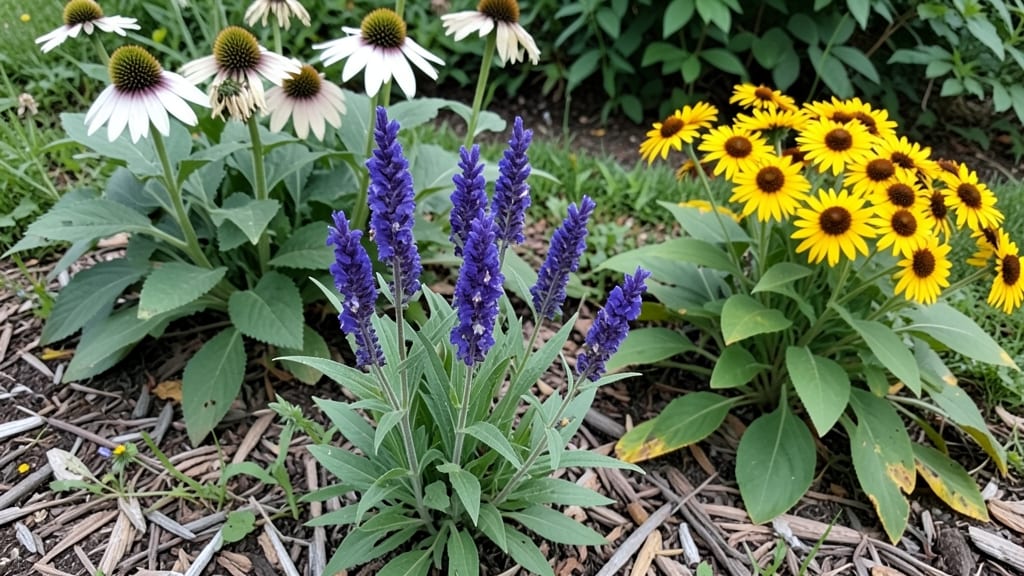
Creating a flower bed that thrives in the Pacific Northwest’s damp, mild climate while luring hummingbirds is easier than you think—and it starts with the right plant mix.
I’ve designed beds here that bloom from spring to fall with almost no fuss, using perennials that spread naturally and annuals that self-seed. The key? Layering plants that love moisture but hate soggy roots, with a few sun-lovers tucked into the driest spots.
Think purple coneflowers and bee balm for bold color, salmonberry and red twig dogwood for structure, and fuchsias or penstemons to keep hummingbirds hovering all summer. These plants handle the rain, the shade, and the occasional deer—plus, they come back year after year with minimal deadheading.
Even my black thumb can’t kill this combo.
You’ll end up with a bed that looks like a postcard in June, stays lively through September, and still has color when frost hits. The hummingbirds will treat it like their personal buffet, and your neighbors will ask for your secret.
Best of all? Once established, these plants need just one mulch and a watering every couple of weeks—no fancy fertilizers or weekly pruning.
Works for sunny borders, shady woodland edges, or even container groupings on patios. Let’s build a bed that’s as tough as it is beautiful—and keeps the pollinators buzzing all season.
📚 In This Guide
- What you need
- Instructions
- Tips and common mistakes
- Wrapping up and next steps
What you need
- ● Flower bed plants: 10–15 hummingbird favorites (e.g., Penstemon, Salvia, Lupine, Columbine, or Bee Balm). Aim for 3–5 varieties for color/texture diversity.
- ● Native soil amendments: 2–3 bags of compost or peat moss (to improve drainage in PNW’s damp climate).
- ● Mulch: 1–2 cubic yards of cedar chips or pine straw (retains moisture, deters weeds).
- ● Slow-release fertilizer: 1 bag of balanced organic fertilizer (10-10-10 or similar).
- ● Drip irrigation system: 50–100 ft of soaker hose or micro-sprayers (low-maintenance watering!).
- ● Garden tools: 1 garden trowel (for transplanting small plants).
- ● 1 garden fork (to loosen soil).
- ● 1 pruners (sterilized, for shaping plants).
- ● 1 wheelbarrow (for hauling soil/amendments).
- ● Measuring tools: 1 measuring tape (to plan spacing).
- ○ 1 pH testing kit (optional but helpful—PNW soil is often acidic!).
- ● Location: A sunny to partially shaded spot (6+ hours of sun/day for most PNW-friendly flowers).
- ● Soil test: Check drainage (avoid soggy areas—hummingbirds hate muddy landing spots!).
- ● Timing: Plant in early spring (March–April) or early fall (September) for best root establishment.
- ● 1 hummingbird feeder (for backup nectar—place it 10+ feet from plants to avoid competition).
- ● 1–2 perennial ground covers (e.g., Creeping Thyme or Heuchera) to fill gaps and deter weeds.
- ● 1 birdbath (shallow, with pebbles for grip—hummingbirds love to bathe!).
- ● 1 plant marker set (to track varieties and care notes).
Step-by-Step guide to designing a Pacific Northwest pollinator flower bed
Here’s how to create a thriving, low-maintenance garden that hummingbirds and bees will adore—without the fuss.
Select the Right Plant Palette for Hummingbirds and Local Pollinators
Focus on native species like Pacific Coast Iris, Oregon Sunshine (Lupinus), and Red Columbine. These thrive in the region’s mild summers and wet winters while providing nectar from early spring through fall. Avoid non-native invasives—they often lack the pollen and nectar that support local ecosystems.
I like to mix three types of plants: tall bloomers (like Penstemon or Giant Fescue Grass for vertical interest), mid-height pollinator magnets (such as Bee Balm or Yarrow), and ground covers (like Creeping Thyme or Salal) to fill gaps. This layered approach ensures continuous blooms and shelter for pollinators.
Prepare the Soil for Moisture-Retentive, Well-Draining Conditions
Test your soil’s pH—most Pacific Northwest natives prefer 5.0–6.5. Amend heavy clay with 2–3 inches of compost and a 1-inch layer of coarse sand to improve drainage. Overwatering is the biggest mistake here; these plants hate soggy roots but still need consistent moisture.
I dig in a 5-gallon bucket of compost per 4-square-foot section and rake it smooth. For sandy soil, add a 1-inch layer of peat moss to retain moisture. The goal is a crumbly, slightly acidic mix that mimics the forest understory where many of these plants evolved.
Plant in Clusters for Pollinator Efficiency
Group 5–7 plants of the same variety together to create visual impact and make it easier for hummingbirds to find nectar. Space them 12–18 inches apart, depending on mature size. For example, Oregon Sunshine Lupines need 18 inches of space, while Red Columbine can sit 12 inches apart.
Dig holes twice as wide as the root ball but only as deep. This prevents burying the stem, which can cause rot. Water each plant deeply before backfilling to settle the soil around roots. Mulch with 2 inches of wood chips to suppress weeds and retain moisture—critical in the region’s dry summers.
Water Deeply and Establish a Drought-Tolerant Routine
Water once a week for the first month, then taper to every 10–14 days once established. The key is deep soakings—1 inch of water per session—to encourage deep root growth. Native plants hate frequent shallow watering; it keeps roots near the surface where they dry out faster.
Check soil moisture by sticking your finger 2 inches down. If it’s dry, water; if damp, wait. Overwatering in the PNW’s cool summers is just as damaging as underwatering. Once plants are established (after 6–8 weeks), they’ll handle rainfall naturally.
Maintain with Minimal Intervention
Deadhead spent blooms on Bee Balm and Yarrow to encourage more flowers, but leave others like Columbine alone—their seed heads provide winter food for birds. Fertilize lightly in spring with ½ cup of 10-10-10 per 4-square-foot area, but skip it after the first year; these plants thrive in lean soil.
Watch for vine weevils or aphids—common pests in the PNW. A strong spray of neem oil usually clears them up. The real secret? Let nature do the work. A well-planted bed here needs almost no upkeep once established—just occasional weeding and the occasional prune to shape stragglers.
Tips & tricks for Pacific Northwest pollinator flower beds
Creating a thriving pollinator garden in the Pacific Northwest doesn't have to be complicated—these insider tips will help you avoid common pitfalls and maximize your garden's impact.
Native Plant Pairing: In Step 1, when selecting your plant palette, consider pairing Pacific Coast Iris with Red Columbine for a perfect early-season combination. These plants bloom at similar times, creating a continuous nectar source for pollinators. I've found that adding Giant Fescue Grass to the mix provides essential vertical structure that hummingbirds love to perch on while feeding.
Soil Amendment Strategy: For Step 2, when amending your soil, I recommend testing your pH first using a simple kit from your local garden center. The 5.0–6.5 range is ideal, but if your soil tests higher, you can lower it by adding sulfur or peat moss. Remember that the 5-gallon bucket of compost per 4-square-foot section should be well-aged—fresh compost can burn young roots. I like to mix in a handful of mycorrhizal fungi to help establish beneficial root relationships.
Planting Layout Secret: When implementing Step 3's cluster planting, think about creating "pollinator highways." Arrange your 5–7 plant clusters in a way that guides bees and hummingbirds through your garden. Place taller plants like Penstemon at the back, mid-height plants like Bee Balm in the middle, and ground covers like Creeping Thyme in the front. This creates visual interest while making it easier for pollinators to navigate your garden efficiently.
Watering Wisdom: For Step 4's watering routine, consider investing in a soaker hose or drip irrigation system to deliver that 1 inch of water per session directly to the roots. This method prevents water waste and reduces the risk of fungal diseases that can occur with overhead watering. I've noticed that watering in the early morning gives plants time to dry out before evening, which helps prevent many common plant diseases in our damp climate.
Pro Tips for Flower Bed Plants
- Creating a thriving pollinator garden in the Pacific Northwest doesn't have to be complicated—these insider tips will help you avoid common pitfalls and maximize your garden's impact.
- Native Plant Pairing: In Step 1, when selecting your plant palette, consider pairing Pacific Coast Iris with Red Columbine for a perfect early-season combination.
- Soil Amendment Strategy: For Step 2, when amending your soil, I recommend testing your pH first using a simple kit from your local garden center.
Frequently asked questions
What are the best low-maintenance flower bed plants for the Pacific Northwest?
The PNW’s mild, wet climate thrives with perennials like bee balm, salvia, and penstemon—they return yearly with minimal care. For pollinators, coneflowers, lavender, and huckleberry are drought-tolerant and hummingbird magnets. Start with these 10 top picks for effortless beauty!
When is the best time to plant flower beds in the Pacific Northwest?
For spring blooms, plant in early fall (September–October) so roots establish before winter. For summer color, try March–April after the last frost. Bulbs (like daffodils) go in fall, while annuals (e.g., petunias) can wait until May for warmer soil.
How do I attract hummingbirds to my flower bed?
Plant red, tubular flowers like fuchsia, columbine, or cardinal flower—hummingbirds love them! Add a sugar water feeder (1:4 sugar-to-water ratio) and keep it clean. Avoid pesticides, and include native shrubs (e.g., Oregon grape) for year-round nectar.
How often should I water a new flower bed in the PNW?
Water deeply 2–3 times per week for the first month to encourage root growth. Once established, most PNW natives need 1 inch of water weekly (more in summer). Mulch (2–3 inches) retains moisture and reduces weeds. Drip irrigation is ideal—it’s efficient and keeps leaves dry.
What can I plant if my soil is too acidic for traditional flowers?
The PNW’s acidic soil (pH 5.0–6.5) is perfect for azaleas, rhododendrons, and heather! For pollinators, try blueberry bushes (edible + bee-friendly) or vine maple. Amend beds with compost or lime if planting non-acid-loving plants like lavender or catmint.
How do I keep pests away from my flower bed naturally?
Prevent pests with healthy soil (compost + balanced fertilizer) and diverse plantings (pests hate monocultures!). Use neem oil for aphids or row covers for cabbage moths. Ladybugs and lacewings are natural predators—invite them with dill or marigolds!
Do I need to winterize my flower bed in the Pacific Northwest?
Most perennials and shrubs survive PNW winters, but tender annuals (like geraniums) may need mulch or frost cloth. Cut back dead foliage in late winter, but leave seed heads for birds. Evergreens (e.g., holly) benefit from a light mulch to protect roots.
Wrapping up and next steps
Creating a stunning, low-maintenance flower bed in the Pacific Northwest that hummingbirds adore is easier than you think! By choosing the right flower bed plants—like penstemon, bee balm, and salal—you’ll attract pollinators while keeping upkeep simple.
These resilient blooms thrive in your region’s climate, offering year-round beauty with minimal effort.
Ready to transform your garden? Start small—pick one or two plants to test your new bed, then expand as you gain confidence. Happy planting! 🌸🐝