Flowers
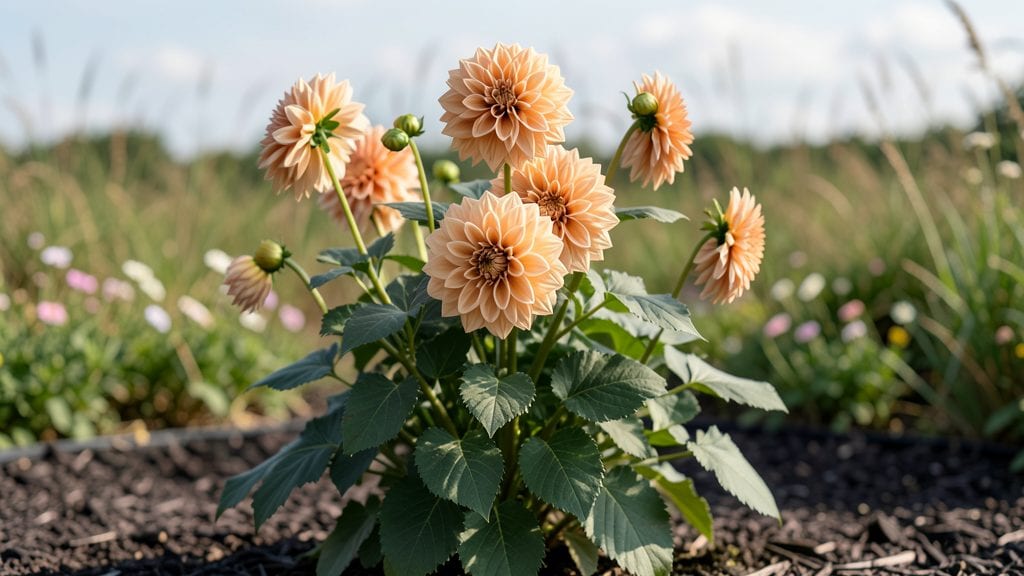
Visiting a flower farm in Virginia isn’t just a trip—it’s a sensory adventure where every season brings something new. 🌼 I still remember the first time I wandered through rows of lavender and cosmos in full bloom, bees humming like a chorus, and the air thick with the scent of sun-warmed petals.
These farms aren’t just pretty; they’re working ecosystems that keep pollinators thriving year-round, even in Virginia’s mild winters.
The best part? You don’t need a green thumb to enjoy them. Many farms offer self-guided tours, farm-to-table events, or even workshops on arranging your own bouquets.
Whether you’re there for the Instagram-worthy backdrops or the chance to pick fresh-cut flowers for your kitchen table, the experience is effortless yet unforgettable. Plus, supporting local growers means your bouquets last longer and taste better too.
You’ll leave with more than just photos—think armfuls of seasonal blooms, handmade soaps infused with farm-grown herbs, and a deeper appreciation for how flowers grow from seed to vase.
Some farms even let you take home cuttings to root your own plants, so the magic continues long after you’ve said goodbye to the fields.
Perfect for weekend getaways, school field trips, or even a solo day of inspiration. Just pack your camera, comfortable shoes, and an empty basket—you’ll want to bring home something special. Here’s how to make the most of your visit!
📚 In This Guide
- What you need
- Instructions
- Tips and common mistakes
- Wrapping up and next steps
What you need
- ● Land & Soil: 1–5+ acres of land (depending on scale; Virginia’s climate suits diverse flowers)
- ● Soil test kit ($20–$50) to check pH and nutrient levels (ideal: 6.0–7.0)
- ● Organic compost (5–10 cubic yards, $15–$30/yd³) for enriching soil
- ● Seeds & Plants: Native Virginia seeds (e.g., black-eyed Susans, coneflowers, milkweed) – 5–10 lbs per acre
- ● Perennial bulbs (daffodils, tulips, daylilies) – 50–200 bulbs per variety
- ● Pollinator-friendly annuals (e.g., zinnias, cosmos) – 100–500 plants per type
- ● Irrigation: Drip irrigation system ($500–$2,000) or soaker hoses ($10–$30 each)
- ● Water timer ($20–$50) for automated scheduling
- ● Fencing & Protection: Deer-resistant fencing (8 ft tall, $15–$30/ft) for high-risk areas
- ● Row covers ($20–$50 each) to protect young plants
- ● Tools & Equipment: Garden tractor or ATV ($3,000–$8,000) for large-scale prep
- ● Hand tools: pruners ($15–$40), trowels ($10–$25), gloves ($5–$15)
- ● Wheelbarrow ($50–$100) for transporting soil/planting supplies
- ● Enhancements: Pollinator hotel ($30–$100) for bees and butterflies
- ● Wildflower meadow seed mix ($20–$50/lb) for naturalized areas
- ● Solar-powered lights ($50–$200) for evening ambiance
- ● Storage & Sales: Greenhouse or cold frames ($1,000–$5,000) for year-round growing
- ● Cutting shed with worktables ($500–$2,000) for bouquet prep
- ● Online ordering system ($50–$300/year) for direct sales
How to design a pollinator-friendly flower farm in Virginia
Here’s how to create a thriving, rustic flower farm that keeps pollinators buzzing year-round—Virginia’s climate is perfect for it.
🌱 Step 1: Plan Your Planting Zones for Seasonal Bloom
Virginia’s varied climate means you can stagger blooms from early spring to late fall. Start by dividing your farm into three key zones: early spring (March–May), summer (June–August), and late season (September–November). Early bloomers like Virginia bluebells and black-eyed Susans anchor the season, while coneflowers and goldenrod extend the show into autumn.
I like to sketch a simple map first, marking sun exposure and soil types. For example, full sun areas (6+ hours daily) are ideal for black-eyed Susans and bee balm, while partial shade works for astilbes and foxgloves. Use native Virginia species—they thrive with minimal intervention and attract local pollinators instantly.
🌿 Step 2: Layer Plants for Continuous Pollinator Support
Pollinators need nonstop resources, so layer plants by height and bloom time. Start with ground covers like creeping thyme (spring) and wild bergamot (summer), then add mid-height perennials such as coneflowers and shasta daisies, and top with tall grasses like switchgrass or little bluestem for late-season structure.
I space plants 12–18 inches apart for easy access and airflow—crowding invites disease and deters bees. For example, bee balm (a pollinator magnet) gets 18 inches of space, while Virginia strawberry (a spring ground cover) thrives in 12-inch clusters. Mulch with straw or wood chips to retain moisture and suppress weeds without chemicals.
☀️ Step 3: Optimize for Virginia’s Microclimates
Virginia’s humid summers and mild winters create microclimates—use them to your advantage. In cooler mountain regions, focus on hardy perennials like purple coneflower and butterfly weed, which tolerate 20°F winters. In coastal plains, where humidity lingers, opt for drought-tolerant natives such as coreopsis and black-eyed Susans to prevent fungal issues.
I test soil pH in each zone—most Virginia natives prefer slightly acidic to neutral (6.0–7.0). Amend heavy clay with compost (2–3 inches mixed in) to improve drainage. Avoid synthetic fertilizers; they harm pollinators. Instead, top-dress with aged compost in early spring and fall for slow-release nutrients.
💧 Step 4: Install Water Sources and Shelter
Pollinators need water, so add shallow dishes filled with pebbles and water (bees drown in deep containers). Place them near sunny, sheltered spots—like under arborvitae or serviceberry trees—to shield from wind and predators. I also install small birdbaths on stakes for butterflies and hummingbirds.
Leave some "wild" areas with fallen logs and leaf litter—these provide shelter for solitary bees and beneficial insects. Avoid pesticides entirely; even "organic" sprays can harm pollinators. If pests appear, handpick them or use neem oil as a last resort, applying only at dusk when bees are inactive.
⏰ Step 5: Maintain with Seasonal Tasks
Start in early spring by dividing perennials (like daylilies or hostas) every 3–4 years to keep them vigorous. In summer, deadhead spent blooms (except coneflowers—their seed heads feed birds) to encourage reblooming. By fall, cut back annuals but leave perennials standing for winter interest and seed dispersal.
I schedule monthly inspections for pests or diseases—powdery mildew on phlox or aphids on roses are common in Virginia’s humidity. Prune dead or diseased branches immediately to prevent spread. In late fall, add a 2-inch layer of mulch to insulate roots and retain moisture for next year’s growth.
Tips & tricks for perfect pollinator-friendly flower farm design in Virginia
Creating a thriving pollinator haven requires strategic planning—here are my hard-won insights to maximize impact and minimize common pitfalls.
Native Species Selection: Stick with Virginia-native plants like Virginia bluebells and purple coneflower—they've evolved alongside local pollinators and require minimal care. I've found that bee balm and wild bergamot are particularly effective at attracting bees and butterflies. These species also handle Virginia's humidity better than many non-native alternatives.
Microclimate Mastery: The 20°F winter hardiness mentioned for mountain regions is crucial—test your soil's winter resilience before selecting plants. In coastal areas, prioritize drought-tolerant species like coreopsis to combat humidity-related fungal issues. I recommend testing soil pH in each zone using a simple kit—most Virginia natives thrive in 6.0-7.0 range.
Water Source Strategy: For pollinator water stations, use shallow dishes with pebbles (never deep containers—bees drown easily). Place these near sunny, sheltered spots like under arborvitae trees. I've had great success with small birdbaths on stakes for butterflies—they provide safe landing spots while drinking.
Pest Management: The key to avoiding pesticides is prevention. I've found that neem oil applied at dusk is the safest option when pests appear—it's bee-friendly and breaks down quickly. For aphids on roses, I simply spray with water in the morning, which often dislodges them completely. Monthly inspections during humid summers help catch issues before they spread.
Pro Tips for Flower Farm Virginia
- Creating a thriving pollinator haven requires strategic planning—here are my hard-won insights to maximize impact and minimize common pitfalls.
- Native Species Selection: Stick with Virginia-native plants like Virginia bluebells and purple coneflower—they've evolved alongside local pollinators and require minimal care.
- Microclimate Mastery: The 20°F winter hardiness mentioned for mountain regions is crucial—test your soil's winter resilience before selecting plants.
Frequently asked questions
Got questions about visiting or supporting a flower farm in Virginia? Here are some answers to help you plan your visit or grow your own blooms!
When is the best time to visit a Virginia flower farm?
A Virginia flower farm offers year-round beauty, but peak seasons are spring (March–May) for tulips, daffodils, and wildflowers, and summer (June–August) for sunflowers, zinnias, and roses. Fall brings chrysanthemums and pumpkins, while winter farms often feature evergreens, dried arrangements, and holiday-themed blooms. Check individual farm calendars for seasonal events like weddings, cut-your-own fields, and farm-to-table dinners!
Can I pick my own flowers at a Virginia flower farm?
Many Virginia flower farms offer cut-your-own fields, where you pay per stem or bouquet. Popular farms like Farm Fresh Flowers (Loudoun County) and Bloomsbury Farm (Charlottesville) welcome visitors to harvest their own blooms. Always call ahead to confirm availability, as some farms require reservations or have seasonal pick-your-own windows. Pro tip: Bring scissors, a bucket of water, and wear comfortable shoes for wandering through fields!
Are Virginia flower farms good for pollinators like bees and butterflies?
Many Virginia flower farms prioritize pollinator-friendly planting, using native species like black-eyed Susans, milkweed, and coneflowers to support bees, butterflies, and hummingbirds. Look for farms certified by programs like Bee & Butterfly Habitat or Wild Ones. Some even host pollinator workshops or sell seed mixes to take home. Your visit helps sustain local ecosystems—just avoid pesticides and enjoy the buzzing beauty!
How do I find a flower farm near me in Virginia?
Use the Virginia Farm Bureau’s “PickYourOwn.org” directory or search “flower farms near me” on Google Maps for curated listings. Popular regions include the Shenandoah Valley, Blue Ridge Mountains, and Northern Virginia. For a curated experience, check out Virginia’s Flower & Garden Festival (Richmond) or Bloomsbury Flower Farm’s seasonal pop-ups. Don’t forget to filter by dog-friendly or ADA-accessible options if needed!
What should I do if a flower farm’s website doesn’t list prices?
If a farm’s pricing isn’t clear online, call or email ahead—most are happy to share details! Prices vary by farm: bouquets often range from $15–$50, while cut-your-own fields may charge $5–$15 per stem. Some farms offer memberships or subscriptions for weekly bouquets. Ask about bulk discounts for weddings or events too. A little communication goes a long way in avoiding surprises!
Wrapping up and next steps
Visiting a flower farm in Virginia isn’t just about admiring blooms—it’s an immersive experience that connects you to nature’s beauty and the hardworking hands behind it.
Whether you’re dreaming of a rustic wedding backdrop, a serene picnic spot, or simply a day surrounded by vibrant colors, these farms offer something magical for every season. 🌸
Ready to dive in? Start by planning your visit—check opening hours, book a tour, or even volunteer for a hands-on experience. The world of Virginia’s flower farms is waiting, and your next adventure in petals could be just around the corner!