
Flowers
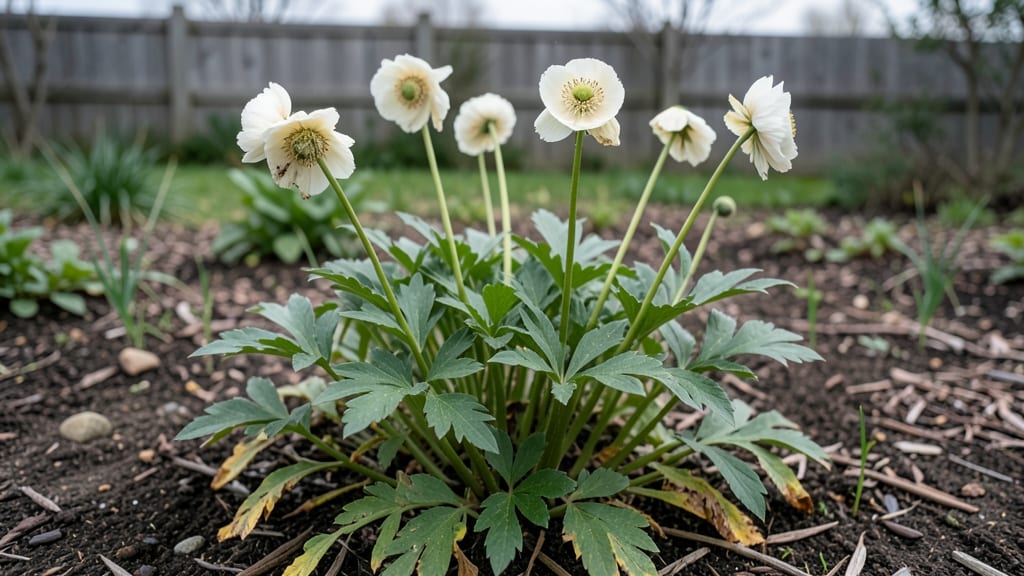
The Japanese anemone (Anemone × hybrida) thrives where many flowers fail—cool, damp Pacific Northwest summers. 🌿 I’ve grown them for years, and their late-season blooms always steal the show when other perennials fade. The secret lies in mimicking their native woodland conditions: dappled shade, rich soil, and patience.
You’ll need well-draining soil (amend with compost), a spot with morning sun and afternoon shade, and consistent moisture—these plants hate drying out. Varieties like ‘Honorine Jobert’ and ‘September Charm’ reward you with rosy-pink blooms from August through frost, even in Zone 7’s chill.
The key? Plant tubers in early spring or fall, water deeply after planting, and avoid heavy fertilizers—they prefer humus over nitrogen.
By late summer, you’ll see those delicate, cup-shaped flowers nodding on wiry stems, drawing in pollinators while your garden’s other stars take a break. Prune back spent foliage in spring to keep the crowns tidy, and divide clumps every 3-4 years to prevent overcrowding.
The payoff? A garden that stays vibrant when others go dormant.
Works beautifully alongside hostas, ferns, and asters—try them under trees or along shady borders. Even beginners nail this: just don’t rush the process. These anemones take 2-3 years to reach their full glory, but once they do, they’ll bloom reliably for decades with minimal fuss.
📚 In This Guide
- What you need
- Instructions
- Tips and common mistakes
- Wrapping up and next steps
What you need
- ● Japanese Anemone Tubers: 2–5 tubers (depending on desired coverage; varies by variety like ‘Honorine Jobert’ or ‘Prinz Heinrich’)
- ● Organic, disease-free (check for firm, plump tubers with no soft spots)
- ● Well-Draining Soil Mix: 50% garden soil (rich in organic matter)
- ● 30% compost or aged manure (boosts fertility)
- ● 20% perlite or coarse sand (prevents waterlogging)
- ● Garden Tools: 1 trowel (for planting)
- ● 1 hand fork (for loosening soil)
- ● 1 pair of pruning shears (for cleanup)
- ● Mulch: 2–3 inches of wood chips or straw (retains moisture, regulates temperature)
- ● Watering Can or Hose: With a gentle spray nozzle (avoids disturbing tubers)
- ● Slow-release balanced fertilizer (10-10-10 or similar; apply in early spring)
- ● Epsom salt (1 tbsp per gallon of water; boosts magnesium for vibrant blooms)
- ● Stakes or supports (for tall varieties like ‘Whirlwind’)
- ● Shade cloth (if planting in hotter microclimates)
- ● Garden gloves (to protect hands from thorns on some varieties)
How to grow Japanese anemones in the Pacific Northwest
These elegant blooms thrive in our cool, wet climate—here’s how to coax their late-summer magic into your garden.
🌱 Step 1: Select the Right Variety and Planting Site
Japanese anemones (Anemone × hybrida) come in two main types: herbaceous (like ‘Honorine Jobert’) and woody (like Anemone hupehensis). For the Pacific Northwest, I recommend herbaceous varieties—they handle our damp winters better. Choose a spot with partial to full shade, especially in hotter inland areas where afternoon sun can scorch leaves.
Soil is critical—these plants despise soggy roots but also won’t tolerate dry conditions. Amend heavy clay with 2-3 inches of compost and a handful of perlite to improve drainage. I test soil pH first; Japanese anemones prefer 6.0-7.0. If your soil runs acidic, add crushed limestone to raise the pH gradually over planting season.
🪴 Step 2: Plant Bare-Root Crowns at the Right Depth
Plant in early spring or fall when soil temperatures are 50-60°F. Dig a hole twice as wide as the root ball but only 1 inch deeper than the crown sits naturally. Pressing the crown too deep smothers it, while planting too shallow exposes it to winter heaving. I make a small mound of soil in the center of the hole, place the root ball on top, then backfill gently to settle roots without compacting.
Space plants 18-24 inches apart—they’ll spread slowly but form dense clumps over time. Water deeply after planting to eliminate air pockets, then mulch with 2-3 inches of shredded bark to retain moisture and protect roots in winter. Avoid fresh wood chips; they rob nitrogen as they decompose.
☀️ Step 3: Provide Consistent Moisture and Prune for Next Year’s Blooms
Water 1-2 times per week during the first growing season, keeping soil evenly moist but not soggy. Once established, these plants are drought-tolerant, but they’ll reward you with bigger blooms if you maintain consistent moisture. I check soil depth with my finger—if the top 2 inches feel dry, it’s time to water.
Deadhead spent blooms by cutting stems back to the first set of healthy leaves. This redirects energy to root growth for next year’s flowers. In late fall, cut back foliage to 6 inches tall and cover with 4-6 inches of mulch if your winters drop below 15°F. The mulch acts like a blanket, insulating roots while still allowing water penetration.
⏰ Step 4: Divide Established Clumps Every 3-4 Years
Japanese anemones form dense clumps that benefit from division in early spring before new growth emerges. Dig up the entire plant and separate it into sections with a sharp spade, ensuring each piece has 3-5 eyes (buds) and a good root system. I replant the largest divisions immediately and keep smaller ones in a shaded, moist area until I can transplant them.
Dividing rejuvenates old plants and gives you free material to share or expand your garden. The key is timing—wait until the plant has established a strong root system before dividing, or you’ll stress both the parent and new divisions. After replanting, water deeply and mulch to help roots recover quickly.
Tips & tricks for perfect Japanese Anemone growth in the Pacific Northwest
Here's what I've learned after years of growing these stunning perennials in our region's unique climate.
Soil Preparation: The 2-3 inches of compost and perlite mixture is your secret weapon against our heavy clay soils. I like to mix in a handful of worm castings too—it adds beneficial microbes that help roots establish faster. For acidic soils, crushed limestone isn't just about pH; it also improves soil structure over time, which is crucial for these plants that hate soggy conditions. Test your soil first, because even a slightly off pH can stress the roots.
Planting Depth: That 1-inch deeper rule is non-negotiable. I've seen too many gardeners bury the crown too deep, which leads to rot, and others plant too shallow, which causes winter heaving. Create that little mound first—it gives you a visual reference for proper depth. Also, make sure the hole is twice as wide as the root ball; this prevents root circling, which can stunt growth for years.
Watering Wisdom: The 1-2 times per week guideline works for most of our region, but I adjust based on microclimates. In hot inland valleys, I water every other day during summer heatwaves, while coastal areas might only need weekly watering once established. Always check that top 2 inches—this is the zone where roots actively grow. A moisture meter is worth the investment if you're serious about these plants.
Winter Protection: When our winters dip below 15°F, that 4-6 inches of mulch becomes your plant's life jacket. I use a mix of shredded bark and straw—it insulates while still allowing water penetration. Pro tip: Add a layer of bubble wrap or cardboard under the mulch in extreme cold snaps. It's an extra barrier that prevents temperature fluctuations which can damage roots.
Pro Tips for Flower Japanese Anemone
- Here's what I've learned after years of growing these stunning perennials in our region's unique climate.
- Soil Preparation: The 2-3 inches of compost and perlite mixture is your secret weapon against our heavy clay soils.
- Planting Depth: That 1-inch deeper rule is non-negotiable.
Frequently asked questions
Got questions about growing and caring for Japanese anemone flowers? You’re not alone! Here are some of the most common queries—and their answers—to help you cultivate these stunning blooms like a pro.
How do I know when Japanese anemones are ready to bloom?
Japanese anemones typically bloom late summer to fall (August through October), though timing depends on your climate. Look for buds forming in early summer—once they swell and show color, blooms are just weeks away! In cooler Pacific Northwest regions, expect slightly later blooming (September–October).
Do Japanese anemones need full sun, or can they handle shade?
While they tolerate partial shade, Japanese anemones thrive in morning sun + afternoon shade. In hotter climates, too much direct sun can scorch leaves. In the PNW’s mild summers, they’ll do well with 4–6 hours of sunlight daily. Test your spot: if leaves wilt by midday, they need more shade.
Why aren’t my Japanese anemones blooming?
Common culprits include over-fertilizing (too much nitrogen = leafy growth, no flowers), poor drainage, or planting too deep. Try this: Cut back faded blooms to encourage reblooming, and ensure they’re in well-draining soil. If they’re young, patience is key—they often take 2–3 years to establish.
Can I grow Japanese anemones in containers?
Yes! Use a large container (at least 12–15 inches wide) with drainage holes and rich, moist (but not soggy) potting mix. Choose compact varieties like ‘Honorine Jobert’ for pots. Divide roots every 3–4 years to prevent overcrowding. Bonus: Container-grown anemones are easier to move if winter temps dip below 10°F.
Are Japanese anemones deer- or rabbit-resistant?
Not quite! While they’re less appealing than hostas or tulips, deer and rabbits may nibble on leaves or flowers. Try these deterrents:
- Plant near deer-resistant companions like Russian sage or lavender.
- Use physical barriers (chicken wire) for young plants.
- Apply organic repellents like garlic spray.
How do I divide Japanese anemones to propagate them?
Divide in early spring or fall when plants are dormant. Dig up the clump, separate roots gently (each section should have 2–3 eyes), and replant divisions 2–3 inches deep. Water well and avoid fertilizing for 4–6 weeks to reduce stress. Pro tip: Wear gloves—roots can be tough!
Wrapping up and next steps
Japanese anemones are a fantastic choice for Pacific Northwest gardeners, offering stunning blooms and resilience against frost—plus, they’re easier to grow than you might think! 🌸 Whether you’re a seasoned gardener or just starting, these hardy flowers bring beauty and low-maintenance charm to any landscape. Ready to transform your garden?
Your next step? Pick your favorite variety, gather your supplies, and dive in! Plant a few this season, and you’ll soon be rewarded with a breathtaking display of color and grace. Happy gardening! 🌿