Flowers
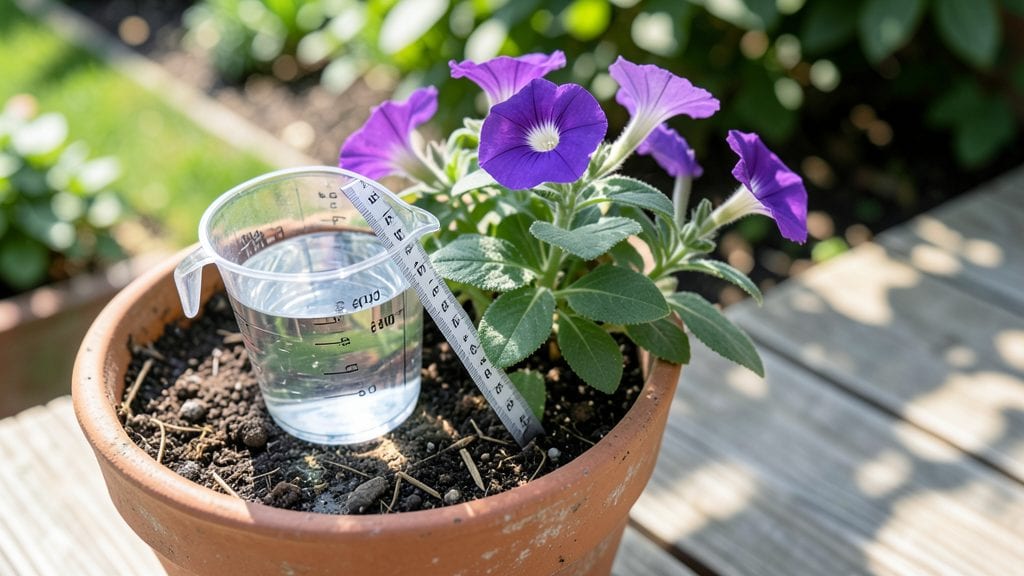
A flower pot volume calculator saved my orchids—because perfect root space isn’t guesswork, it’s math, and my plants proved it when their roots exploded like tangled fishing line in six months.
The secret isn't just choosing a pot that looks pretty; it's calculating volume based on mature plant size, root spread, and drainage needs.
Here's the game-changer: most plants need 1 gallon of soil per 12 inches of mature height for flowers, but succulents and bulbs play by different rules.
A 6-inch geranium thrives in a 1-gallon pot, while a 3-foot hydrangea demands 15+ gallons—that's a container twice as wide as you might think. Drainage holes aren't optional; they're non-negotiable for root health.
When you nail the volume, you get lush, long-lasting blooms instead of sad, root-bound plants. Imagine your patio filled with vibrant petunias that flower all summer because their roots aren't cramped. The calculator makes it foolproof—no more "I'll just eyeball it" disasters. Let's turn your containers into thriving mini-ecosystems.
This works for everything from window-box violas to patio-sized roses. The same principles apply whether you're arranging a single statement piece or a crowded urban garden. Ready to stop guessing and start growing with confidence?
📚 In This Guide
- What you need
- Instructions
- Tips and common mistakes
- Wrapping up and next steps
What you need
- ● Measuring tape or ruler – A flexible tape (at least 6 feet) or a rigid ruler (12+ inches) for accuracy.
- ● Calculator or smartphone – For quick volume calculations (or use our built-in calculator!).
- ● Notebook or digital notes app – To jot down measurements and dimensions.
- ● Pencil or pen – For sketching pot shapes or marking dimensions.
- ● Existing flower pot (or blueprint) – If calculating for a real pot, have its dimensions handy. For hypothetical pots, sketch or note the desired shape (round, square, rectangular, etc.).
- ● Pot volume lookup table – Pre-made charts for common pot sizes (e.g., 6-inch, 10-inch, hanging baskets).
- ● Digital calipers – For ultra-precise measurements of irregularly shaped pots.
- ● Plant care guide – To cross-reference pot volume with your plant’s root space needs.
- ● Water displacement kit – A bucket of water and a measuring cup for physical volume testing (fun for DIYers!).
Step-by-Step instructions for calculating flower pot volume
Here's how I determine the ideal pot size for every plant—no guesswork, just precision.
Measure the Plant’s Current Root Ball
Start by assessing the plant you’re transplanting. For container-grown plants, gently remove it from its current pot and examine the root ball—the dense network of roots at the base. Measure the diameter of this root ball with a tape measure. If the plant is still in the ground, dig a small test hole around the base and measure the spread of roots before disturbing them further.
For mature plants, the rule of thumb is to allow at least 1 inch of extra root space in all directions. This means if your root ball measures 6 inches in diameter, you’ll need a pot that’s at least 8 inches wide to accommodate growth. This extra space prevents root binding, which stunts development and leads to poor nutrient uptake.
Calculate Volume Using the Pot’s Dimensions
Once you’ve determined the required pot diameter, calculate the volume using the formula for a cylinder: Volume = π × radius² × height. First, convert the diameter to radius by dividing by 2. For example, an 8-inch diameter pot has a 4-inch radius. Square the radius (4 × 4 = 16 square inches), then multiply by the pot’s height (let’s assume 10 inches for this example). Finally, multiply by π (approximately 3.14159).
Here’s the math for our example: 3.14159 × 16 × 10 = 502.65 cubic inches. Convert this to gallons by dividing by 231 (the number of cubic inches in a gallon), giving you roughly 2.17 gallons. This means an 8-inch diameter × 10-inch tall pot holds about 2.17 gallons of soil, which is ideal for most medium-sized flowering plants.
Adjust for Plant Type and Growth Habits
Not all plants have the same space requirements. For example, shallow-rooted plants like succulents and herbs need wider but shallower pots, while deep-rooted plants like roses or lavender require taller containers. If your plant is a top-heavy shrub, prioritize a wider pot to stabilize it. For vining plants, ensure the pot is deep enough to support their root systems while allowing room for the stems to sprawl.
Refer to the plant’s care guidelines for specific recommendations. Most flowering plants thrive in pots that hold 1-3 gallons of soil, but larger specimens may need 5+ gallons. If you’re unsure, err on the side of a slightly larger pot—roots will fill the available space over time, and excess soil won’t harm the plant as long as it’s well-draining.
Verify Drainage and Soil Requirements
After calculating the volume, ensure the pot has adequate drainage holes—at least one per square foot of surface area. For example, an 8-inch diameter pot (which covers about 0.3 square feet) should have at least one drainage hole, but adding a second prevents clogging. If your pot lacks holes, drill them yourself using a ½-inch drill bit to avoid cracking the material.
Fill the pot with well-draining potting mix rather than garden soil, which compacts and suffocates roots. For flowering plants, a mix of 50% potting soil, 30% perlite or vermiculite, and 20% compost works well. This blend ensures proper aeration and moisture retention without waterlogging. Always moisten the soil before planting to encourage root expansion into the new space.
Test Fit and Monitor Growth
Once planted, observe the plant’s growth over the first 2-4 weeks. If leaves yellow or growth stalls, the pot may be too small or the drainage insufficient. Conversely, if the plant outgrows the pot within a season, it’s time to upgrade to a larger container. For long-term planting, choose a pot that’s 20-30% larger in volume than your initial calculation to delay the need for repotting.
Real talk: I’ve learned that even the most precise calculations can go wrong if the soil quality is poor. Always use fresh potting mix and avoid overwatering, which can lead to root rot in confined spaces. With the right pot volume, your plants will thrive—and you’ll avoid the heartbreak of stunted blooms.
Tips & tricks for perfect flower pot volume calculations
Precision planting starts with the right pot size—and these pro tips will help you avoid common mistakes that lead to stunted growth or wasted space.
Root Ball Measurement Matters: When measuring your plant's root ball in Step 1, don't just eyeball it—use a tape measure for accuracy. The extra 1 inch of space we add around the root ball accounts for future growth, but only if your initial measurement is precise. I've seen gardeners skip this step and end up with pots that either crowd the roots or leave too much empty space. For plants with irregular root shapes, measure the widest points and average them.
Cylinder Math Shortcut: While the formula Volume = π × radius² × height works perfectly, you can simplify calculations for common pot sizes. For example, remember that a 12-inch diameter × 12-inch tall pot holds about 5 gallons—this covers most large flowering plants. For quick estimates, use the rule of thumb that a 1-inch increase in diameter adds roughly 0.5 gallons of volume when height remains constant. This mental math helps when shopping for pots without a calculator.
Plant-Specific Adjustments: In Step 3, remember that shallow-rooted plants like succulents and herbs need pots that are wider than they are tall. For these, prioritize diameter over height—aim for pots that are 20-30% wider than the root ball diameter. Deep-rooted plants like lavender, on the other hand, need pots that are 30% taller than the root ball's depth. I keep a reference chart of common plants and their ideal pot dimensions to avoid guesswork during repotting season.
Drainage Hole Strategy: The ½-inch drill bit recommendation in Step 4 is non-negotiable for terracotta pots, but for plastic or ceramic pots without pre-drilled holes, use a ⅜-inch bit instead. This smaller size prevents cracking while still providing adequate drainage. For extra-large pots (over 18 inches in diameter), add drainage holes in a staggered pattern—this prevents water from pooling in one corner, which can lead to root rot. Always cover the holes with landscape fabric before adding soil to keep out pests while allowing water to drain.
Pro Tips for Flower Pot Volume Calculator
- Precision planting starts with the right pot size—and these pro tips will help you avoid common mistakes that lead to stunted growth or wasted space.
- Root Ball Measurement Matters: When measuring your plant's root ball in Step 1, don't just eyeball it—use a tape measure for accuracy.
- Cylinder Math Shortcut: While the formula Volume = π × radius² × height works perfectly, you can simplify calculations for common pot sizes.
Frequently asked questions
Got questions about calculating flower pot volume? You're not alone! Here are some common queries—and their easy answers—to help you plant with confidence.
Why does pot volume matter for my plants?
A flower pot volume calculator ensures your plants have enough root space to thrive. Too small? Roots get cramped, stunting growth. Too big? Moisture stays trapped, risking rot. The right size balances aeration, drainage, and nutrient access—keeping your plants happy and healthy!
How do I measure my pot’s dimensions accurately?
Use a tape measure for the pot’s diameter (width) and height. For irregular shapes (like oval pots), measure the average width and depth. Pro tip: If your pot has a flared top, measure the narrowest part at the base for consistency.
Can I reuse old pots? How does volume change over time?
Reusing pots is great for sustainability! However, check for cracks or wear that might alter volume. Over time, soil compaction can reduce usable space by 10-20%. To compensate, add perlite or compost to fluff up the soil and restore root room.
What if my plant outgrows its pot faster than expected?
Fast growth? Time for an upgrade! Choose a pot 2-3 inches larger in diameter (not height) for most flowering plants. For tropicals or vining species, opt for wider, shallower pots to encourage sprawl. Always repot during the plant’s active growing season (spring/summer) for minimal stress.
Are there alternatives to calculating volume manually?
Use a digital caliper or smartphone app (like MeasureKit) for precise measurements. For quick estimates, fill the pot with water, then pour it into a marked container to gauge volume. Prefer a no-fuss option? Many nurseries label pots with recommended plant sizes—just match your plant’s maturity stage!
Wrapping up and next steps
Mastering the art of flower pot volume calculation ensures your plants thrive with the perfect root space—no guesswork, just lush growth! 🌱 Whether you're a seasoned gardener or a newbie, understanding this simple formula unlocks healthier blooms and happier plants. Ready to take your gardening game to the next level?
Your next step? Grab a tape measure, jot down your pot dimensions, and calculate with confidence! Try it out today—your plants (and future green thumbs) will thank you. Happy planting! 🌸