
Flowers
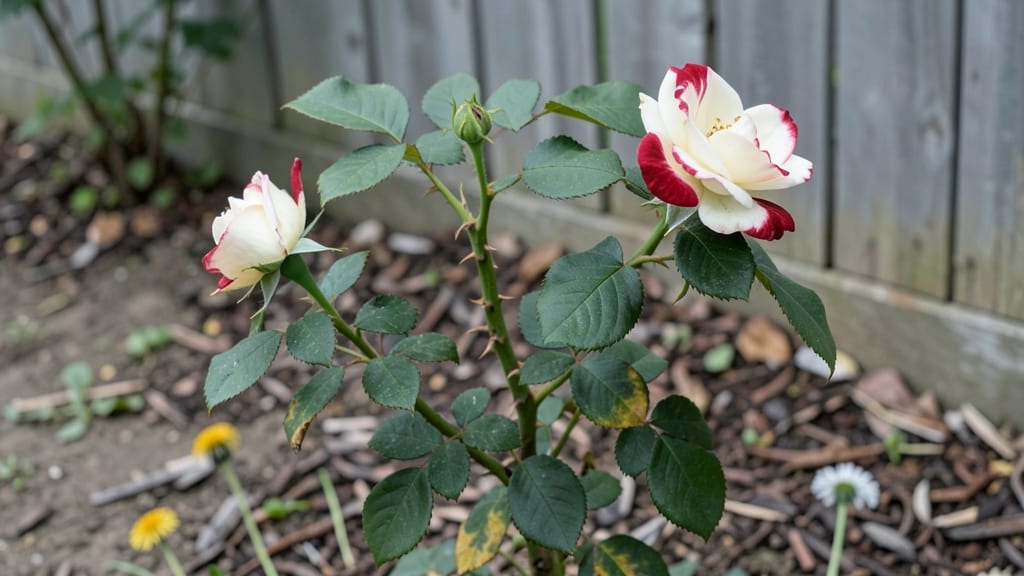
The flower rose—a dazzling mix of white and red—transforms any garden into a breathtaking focal point that draws admirers and pollinators alike. 🌹 I’ve designed countless gardens where this color combo steals the show, and the secret lies in balancing textures, heights, and seasonal blooms.
Start with dwarf red roses along borders and climbing white roses on trellises to create depth. Pair them with silver foliage like lamb’s ear or dusty miller to make the colors pop even more.
For a pollinator paradise, add coneflowers in pink or purple—they’ll complement the roses while keeping bees and butterflies visiting all season.
By summer, your garden will be a riot of velvety red blooms against crisp white petals, with foliage in shades of green and silver tying it all together. The contrast isn’t just pretty—it’s functional too, making each plant stand out and draw the eye to every corner of the bed.
This design works in small city gardens or sprawling backyards, and the same principles apply whether you’re planting in formal beds or wild, naturalized drifts. The key is layering: tall roses in back, medium-height perennials in the middle, and low ground covers up front to keep the drama flowing.
📚 In This Guide
- What you need
- Instructions
- Tips and common mistakes
- Wrapping up and next steps
What you need
- ● Roses: 3–5 white rose bushes (e.g., ‘Iceberg’, ‘White Knockout’, or ‘Double Delight’ for variety)
- ● 3–5 red rose bushes (e.g., ‘Black Baccara’, ‘Double Delight’, or ‘Mister Lincoln’ for deep color)
- ○ Optional: 1–2 pink or blush roses (e.g., ‘Julia Child’) for soft contrast.
- ● Soil Amendments: 50 lbs compost (for nutrient-rich soil)
- ● 20 lbs rose-specific fertilizer (or balanced 10-10-10)
- ● 1–2 lbs mycorrhizal fungi (boosts root health)
- ● Mulch: 3–5 bags organic mulch (pine bark or shredded wood chips)
- ● Digging & Planting: 1 garden shovel (for transplanting)
- ● 1 garden trowel (for precision planting)
- ● 1 pruning shears (sterilized, for trimming)
- ● 1 wheelbarrow (for hauling soil/mulch)
- ● Safety & Extras: Gloves (heavy-duty for thorns)
- ● Knee pads (for comfort)
- ● Watering can or hose (with adjustable nozzle)
- ○ Optional: Drip irrigation kit (for low-maintenance watering)
- ● Location: Full sun (6+ hours/day) 💡Tip: Avoid shaded spots—roses thrive in bright light!
- ● Well-draining soil (amend clay soil with sand if needed)
- ● Spacing: Plant roses 3–4 feet apart (allows airflow and reduces disease).
- ○ Pollinator-Friendly Additions (Optional but Recommended!): Seeds for lavender, bee balm, or coneflowers (plant in clusters near roses)
- ● Small birdbath or shallow dish (for pollinators)
How to design a striking white-and-red rose garden for pollinators
Here’s how to create a high-impact rose garden that thrives with bold color while attracting bees, butterflies, and hummingbirds.
🌱 Step 1: Select Complementary Rose Varieties and Companion Plants
Choose disease-resistant roses with contrasting blooms—look for white floribundas like 'Iceberg' for volume and deep red hybrid teas like 'Double Delight' for drama. I pair them with salvia, lavender, and catmint to extend the color palette naturally while supporting pollinators. These perennials thrive in the same conditions as roses and provide nectar when roses aren’t in bloom.
Space roses 3-4 feet apart in full sun (6+ hours daily) to ensure airflow and reduce fungal risks. Group white roses together and reds in clusters—this creates visual impact while preventing color bleed. If your space is small, opt for climbing roses like 'Blaze' (red) and 'White Dawn' (white) to train along trellises and save ground space.
☀️ Step 2: Prepare Soil for Optimal Rose Growth and Pollinator Appeal
Test your soil’s pH—roses prefer 6.0-6.5. Amend heavy clay with 2 inches of compost and 1 inch of coarse sand to improve drainage, which is critical for preventing root rot. I mix in 1 cup of bone meal per plant at planting time to boost phosphorus for strong root development and blooms.
Add a 2-inch layer of mulch (pine bark or shredded leaves) around the base, keeping it 3 inches away from stems to prevent moisture buildup. This retains soil moisture for pollinators like butterflies that rely on consistent hydration. Water deeply once a week (or daily in extreme heat) until the soil is 6 inches damp—roses wilt quickly when thirsty, and pollinators avoid stressed plants.
🪴 Step 3: Plant Roses and Layer in Pollinator-Friendly Fillers
Dig holes twice as wide as the root ball but no deeper—planting too deep suffocates roots. Loosen the roots gently if they’re circling, then place the rose so the graft union is 2 inches above soil level. Backfill with amended soil, firming it lightly to eliminate air pockets.
Interplant bee balm, coneflowers, and Russian sage between roses. These perennials bloom in pink, purple, and gold hues, which contrast beautifully with white and red while providing continuous nectar sources for pollinators. Space fillers 12-18 inches apart—close enough to create a lush tapestry but far enough to avoid competition for water.
✂️ Step 4: Prune and Maintain for Year-Round Pollinator Support
Prune roses in early spring (before buds swell) to remove dead wood and crossing branches. Cut back one-third of the plant’s height to encourage bushier growth and more blooms. Leave 5-7 strong canes per plant—they’ll produce more flowers, which means more nectar for bees and butterflies.
Deadhead spent blooms weekly to prolong flowering. I also fertilize monthly with a balanced rose food (10-10-10) during the growing season, but reduce applications in fall to harden off plants for winter. This ensures roses stay vigorous while providing sustained nectar for late-season pollinators like monarchs migrating south.
💧 Step 5: Create Water Features and Shelter for Pollinators
Add a small birdbath or shallow dish filled with pebbles and water near the garden. Pollinators like bees and butterflies need hydration, and the pebbles give them purchase to drink safely. Place it in partial shade to prevent evaporation and algae growth.
Include native grasses like switchgrass or little bluestem along the garden’s edges. These provide winter shelter for beneficial insects and seed heads that feed birds, creating a self-sustaining ecosystem. Avoid pesticides entirely—roses are tough enough to handle occasional pests, and pollinators are far more valuable to your garden’s health than a few chewed leaves.
Tips & tricks for perfect white-and-red rose garden design
Here's what I've learned after years of designing pollinator-friendly rose gardens that pop with color.
Color Blocking for Visual Impact: When planting your white floribundas and red hybrid teas, create distinct "color blocks" rather than scattering them randomly. Plant all white roses together in one section and all red roses in another—this creates striking visual contrast while making maintenance easier. I like to add a 2-foot buffer of low-growing lavender between color blocks to define the transitions naturally.
Root Zone Strategy for Pollinators: The 2-inch layer of mulch around your roses isn't just for aesthetics—it creates a microclimate that retains moisture for pollinators. I recommend using pine bark mulch because it breaks down slowly and improves soil structure over time. Keep mulch 3 inches away from stems to prevent fungal issues, and top up annually to maintain the 2-inch depth—this ensures consistent hydration for both your roses and visiting butterflies.
Companion Plant Placement: When interplanting bee balm, coneflowers, and Russian sage, place them strategically between your roses. I position taller perennials like Russian sage behind roses to add height and depth, while shorter bee balm goes in front to frame the blooms. This creates visual layers while ensuring pollinators have continuous nectar sources throughout the growing season. The 12-18 inch spacing between fillers gives your roses room to breathe while still creating that lush, layered look.
Seasonal Layering Technique: For year-round interest, I recommend adding spring-blooming bulbs like daffodils and tulips in early spring, summer-blooming perennials like black-eyed Susans, and fall-blooming asters. These create a continuous bloom cycle that supports pollinators throughout all seasons. The key is to choose varieties that thrive in your same sun exposure and soil conditions as your roses.
Pro Tips for Flower Rose White And Red
- Here's what I've learned after years of designing pollinator-friendly rose gardens that pop with color.
- Color Blocking for Visual Impact: When planting your white floribundas and red hybrid teas, create distinct "color blocks" rather than scattering them randomly.
- Root Zone Strategy for Pollinators: The 2-inch layer of mulch around your roses isn't just for aesthetics—it creates a microclimate that retains moisture for pollinators.
Frequently asked questions
What’s the best spacing for white and red roses in a garden bed?
Space climbing roses 4–6 feet apart and bush roses 2–3 feet apart to ensure airflow and sunlight. Overcrowding invites pests and fungal diseases—like black spot—so give them room to thrive! For hedges, plant roses 18–24 inches apart and prune regularly for a neat look.
When is the ideal time to plant white and red roses?
Plant bare-root roses in early spring (after the last frost) or fall (6–8 weeks before the first frost). Container-grown roses can go in anytime the soil isn’t frozen. Avoid summer planting—the heat stresses roots! If you’re in a warm climate, fall is your best bet.
How do I attract more pollinators to my white and red rose garden?
Pair roses with native pollinator-friendly plants like lavender, coneflowers, or bee balm. Avoid pesticides—opt for neem oil or insecticidal soap instead. Leave some "wild" areas with leaf litter or bare soil; bees and butterflies love them! Plant in clusters (3+ of each type) to boost visibility for pollinators.
Can I mix white and red roses with other flowers for a fuller look?
Try pairing them with salvia, peonies, or hydrangeas for texture and color contrast. For a cottage-garden vibe, add delphiniums or hollyhocks. Just avoid overpowering roses—keep supporting plants half their height so roses stay the star. Mulch with wood chips to retain moisture and suppress weeds.
Why are my red roses turning yellow, but the white ones look fine?
Yellowing red roses often signal iron deficiency (chlorosis) or pH imbalance (soil too alkaline). Test your soil—aim for pH 6.0–6.5. Amend with chelated iron or composted leaves. White roses may resist better because their pigment masks early stress. Check for overwatering too—root rot can cause yellowing in both colors.
Wrapping up and next steps
Creating a garden with white and red roses isn’t just about beauty—it’s about crafting a thriving pollinator paradise that delights the senses and supports local ecosystems. 🌸 The bold contrast of these colors draws in bees, butterflies, and hummingbirds while adding timeless elegance to your outdoor space.
Whether you’re a seasoned gardener or just starting, this design offers endless creativity and rewards.
Ready to bloom with confidence? Start small—plant a single white and red rose duo as a centerpiece, then expand as inspiration strikes. Grab your gloves, sketch your vision, and let nature’s palette guide you to a garden that’s as functional as it is stunning!