
Flowers
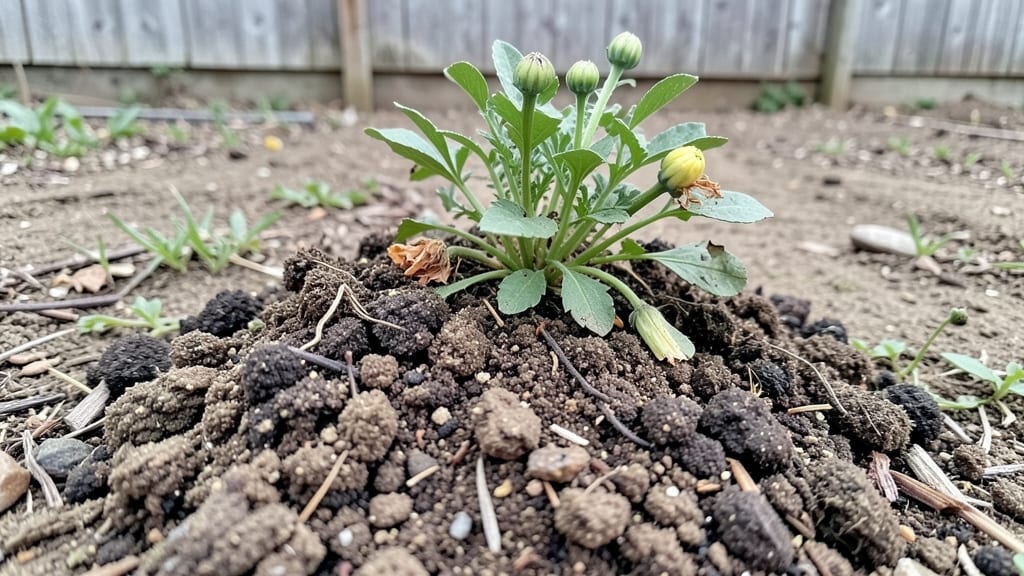
The right flower soil mix makes the difference between wilting petals and blooms that last all season. I learned that the hard way after my first garden—too much clay soil left my roses struggling to breathe, and my annuals bolted before they even opened.
The secret lies in balancing texture, drainage, and nutrients to match the plant's needs.
Your mix should include compost for nutrients, perlite or sand for aeration, and peat moss or coconut coir to hold moisture without suffocating roots. For heavy clay soil, I add 3 parts compost, 2 parts perlite, and 1 part peat moss—this creates a fluffy, crumbly texture that roots love.
Store-bought blends work too, but they often lack the customization needed for delicate bulbs or thirsty annuals.
Once you get the mix right, you’ll see stronger stems, deeper colors, and blooms that last weeks longer. My impatiens now thrive in containers where they’d once wilt by noon, and my peonies push through the soil with ease.
The key is testing your mix: squeeze a handful—it should hold shape but crumble when touched, like a damp sponge.
For different flowers, tweak the ratios: bulbs need extra sand for drainage, while perennials benefit from a higher compost ratio. And if your soil is already poor, don’t despair—amending it with 1-2 inches of finished compost before planting can work wonders. Let’s get your flowers the perfect foundation!
📚 In This Guide
- What you need
- Instructions
- Tips and common mistakes
- Wrapping up and next steps
What you need
- ● Peat moss or coconut coir (2 parts): Holds moisture while preventing compaction (4-6 cups for a 5-gallon mix).
- ● Perlite or vermiculite (1 part): Adds aeration and prevents root rot (2-3 cups). Perlite is best for lightweight mixes; vermiculite retains more moisture.
- ● Compost or well-aged manure (1 part): Boosts nutrients without overwhelming roots (2-3 cups). Avoid fresh manure—it can burn delicate roots!
- ○ Sand (optional but recommended for drainage): Use coarse horticultural sand (½ part, ~1.5 cups). Skip if your mix already drains well.
- ○ Slow-release fertilizer (optional): Mix in 1-2 tbsp per 5 gallons for a nutrient kick.
- ● A large mixing container (wheelbarrow, bucket, or clean trash can).
- ● Garden gloves (to protect your hands from peat and sand).
- ● Measuring cups or a scale (for precision—especially if you’re scaling up!).
- ● Watering can or hose (to moisten ingredients before mixing).
- ○ pH testing kit (optional but helpful): Aim for a slightly acidic range (6.0–6.5) for most flowers.
- ● 🌡️ Moisten ingredients first: Dampen peat moss, compost, and perlite before mixing to ensure even distribution.
- ● ✨ Adjust ratios for your flowers: Succulents? Reduce peat moss by 1 part. Heavy bloomers (like roses) may need 1 extra part compost.
- ● 🔄 Sterilize tools: Rinse containers and tools with a 10% bleach solution (or boiling water) to kill pests or fungi.
Step-by-Step guide to creating a lightweight flower soil mix
Here's how to blend a perfect foundation for vibrant blooms and strong root growth.
Combine Base Ingredients for Aeration and Drainage
Start with 50% peat moss or coconut coir—this holds moisture while allowing roots to breathe. I measure out exactly 2 gallons for this mix, spreading it evenly in a wheelbarrow or large container. The peat gives that light, fluffy texture flowers love, preventing compaction that can suffocate roots.
Next, add 30% perlite or vermiculite—this is your secret weapon for drainage. For 2 gallons total, that's 12 ounces by volume. Sift it in slowly while mixing to distribute it evenly. You'll notice the blend lightens instantly, creating those tiny air pockets roots need to thrive. Don't skip this—waterlogged soil will rot delicate flower roots overnight.
Add Organic Matter for Nutrient Retention
Now blend in 20% compost or well-rotted manure. For 2 gallons, that's 8 ounces—just enough to enrich without overwhelming the mix. I use a garden fork to gently fold it through, breaking up any clumps. This step feeds your flowers gradually, preventing the nutrient spikes that cause rapid but weak growth.
For extra insurance, sprinkle in 1 tablespoon of balanced 10-10-10 fertilizer and mix thoroughly. You'll see the blend darken slightly—this means nutrients are now available to roots as soon as planting begins. The fertilizer won't burn plants because the peat and perlite buffer its concentration.
Adjust Texture for Perfect Root Environment
Test your mix by filling a small container and pressing gently with your finger. It should hold its shape but still feel light—like a damp sponge. If it feels dense, add 1-2 ounces more perlite and remix. For flowers, you want roots to spread easily without fighting compacted soil.
For extra fluffiness, work in 1 handful of shredded sphagnum moss—this adds moisture retention without heaviness. You'll notice the mix now looks almost silky between your fingers. This texture is perfect for annuals like petunias or geraniums that need both drainage and consistent moisture.
Store for Future Use with Proper Moisture Balance
Keep your mix in a sealed container for up to 6 months, but don't store it wet—moisture encourages mold. Instead, add 1 cup of water per 2 gallons just before use. You'll know it's ready when it feels evenly damp like a wrung-out sponge.
For long-term storage, add 1 tablespoon of food-grade diatomaceous earth per gallon to deter pests. This prevents fungal issues while maintaining the light, airy structure. When you're ready to plant, simply refresh the moisture and your mix will be perfect for healthy root development.
Tips & tricks for perfect flower soil mix
A few simple tricks will help you create a soil blend that promotes healthy root development and vibrant blooms every time.
Ingredient Selection: When choosing your 50% peat moss or coconut coir, opt for high-quality, fresh materials. Peat moss should be dark brown and crumbly, while coconut coir should have a slightly fibrous texture. Avoid compressed bricks of peat moss—they often contain mold and won't break down properly. If you're using coconut coir, make sure it's pre-moistened for easier handling. The right base ingredient makes all the difference in your mix's performance.
Mixing Technique: In Step 1, when combining your 2 gallons of base ingredients with 12 ounces of perlite or vermiculite, use a garden fork or your hands to work the perlite into the peat moss thoroughly. This isn't just about distribution—it's about creating those crucial air pockets. I like to think of it as "fluffing" the mix, similar to how you'd aerate cake batter. The more evenly distributed the perlite, the better your flowers will thrive.
Texture Test: The finger-press test in Step 3 is your secret weapon for perfect texture. When you press your mix in a small container, it should hold its shape but still feel light—like a damp sponge. If it feels too dense, add that extra 1-2 ounces of perlite and remix. This test ensures your flowers won't struggle with compacted soil, which can lead to poor root growth and stunted blooms.
Storage Wisdom: For long-term storage, divide your mix into smaller containers—this prevents moisture buildup in the center of large bags. When you're ready to use it, add just 1 cup of water per 2 gallons and mix well. The key is to refresh the moisture rather than soak the mix. This approach maintains the perfect balance between moisture retention and aeration that your flowers need to flourish.
Pro Tips for Flower Soil Mix
- A few simple tricks will help you create a soil blend that promotes healthy root development and vibrant blooms every time.
- Ingredient Selection: When choosing your 50% peat moss or coconut coir, opt for high-quality, fresh materials.
- Mixing Technique: In Step 1, when combining your 2 gallons of base ingredients with 12 ounces of perlite or vermiculite, use a garden fork or your hands to work the perlite into the peat moss thoroughly.
Frequently asked questions
Got questions about creating the perfect flower soil mix? You’re not alone! Here are some common concerns—and straightforward answers—to help you grow with confidence.
What’s the best ratio of ingredients for a flower soil mix?
A balanced mix typically uses 60% organic matter (like peat moss or coconut coir), 20% perlite or vermiculite for aeration, and 20% compost or worm castings for nutrients. Adjust based on your plants—succulents need more grit, while heavy feeders (like roses) benefit from extra compost.
How often should I refresh or replace my flower soil mix?
Most flowers thrive with a fresh mix every 1–2 years, especially if you notice compaction, slow drainage, or pests. Top-dress with 1–2 inches of compost annually to replenish nutrients without a full swap. Overwatering or poor drainage may require earlier refreshes.
Can I use garden soil instead of a special flower mix?
While garden soil works in a pinch, it’s often too dense and nutrient-poor for flowers. Amend it with 50% perlite/sand and 20% compost to improve drainage and fertility. For container plants, a pre-mixed flower soil is always the safer bet!
Why is my flower soil mix smelling bad or moldy?
Foul odors or mold usually mean overwatering, poor drainage, or old compost. Fix it by:
- Fluffing the soil to improve aeration.
- Adding coarse sand or perlite to break up clumps.
- Letting the top layer dry slightly between waterings.
What’s a quick DIY flower soil mix for beginners?
Mix these in equal parts for a budget-friendly, effective blend:
Ingredient
Purpose
Peat moss or coconut coir
Holds moisture, lightweight
Perlite or vermiculite
Prevents compaction, aids drainage
Compost or aged manure
Adds nutrients
Wrapping up and next steps
Creating the perfect flower soil mix is all about balance—lightweight yet nutrient-rich, well-draining yet moisture-retentive. With the right blend, your plants will thrive, boasting vibrant blooms and strong roots. Whether you’re a seasoned gardener or just starting, this lightweight mix is your secret to healthier, happier flowers!
Ready to level up your garden? Grab your materials, follow the steps, and watch your plants flourish. Happy gardening! 🌸