Shrubs
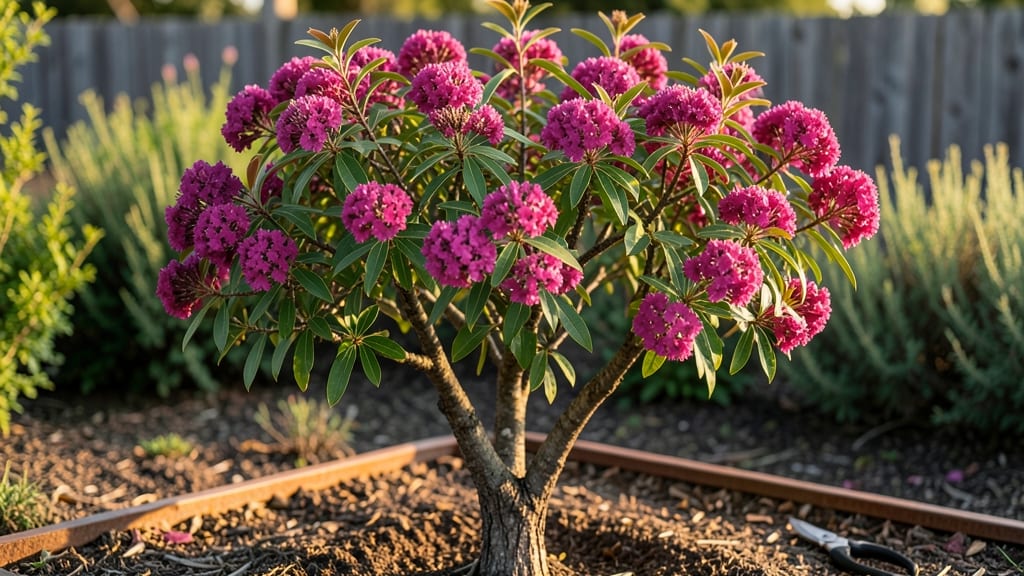
Flowering bushes in Zone 9 don’t just survive—they explode with color all year long. 🌸 I’ve learned that the right plants, planted in the right spot, need almost no summer fussing to stay vibrant through our hot, dry seasons.
The key is choosing varieties that match our climate’s heat and occasional drought, then giving them just enough water and shade to thrive without babying them.
My favorite low-maintenance picks—like bougainvillea, Texas ranger, and firebush—handle our 90-degree summers with ease once established. They bloom nonstop from spring through fall with minimal pruning, and some even flower in winter.
The trick is amending heavy clay soil with compost and mulching heavily to keep roots cool. Most need full sun, but a few hours of afternoon shade helps in the hottest months.
By mid-spring, you’ll see lush new growth and flowers that attract hummingbirds all season. The bushes stay compact, resist pests, and rarely need fertilizing beyond what you add at planting.
Winter care is simple: just trim back dead growth and water occasionally unless we get a rare freeze. These plants practically take care of themselves once you get them settled.
Whether you’re starting from nursery plants or seeds, the process is straightforward. Pick a sunny spot, prep the soil, and plant in late fall or early spring.
Within a year, you’ll have a thriving, colorful hedge that needs almost no attention. Let’s get you started with the right varieties for your yard’s conditions.
📚 In This Guide
- What you need
- Instructions
- Tips and common mistakes
- Wrapping up and next steps
What you need
- ● Flowering bushes: Choose Zone 9-hardy varieties like Lantana, Butterfly Bush (Buddleia), or Plumbago (1-3 plants, depending on desired coverage).
- ● High-quality potting soil: 2-3 bags (50 lbs each) of well-draining, organic soil (e.g., Miracle-Gro Garden Soil).
- ● Compost or fertilizer: 1 bag of balanced, slow-release fertilizer (10-10-10) or organic options like fish emulsion.
- ● Mulch: 1 bag of wood chips or pine straw (for moisture retention and weed control).
- ● Garden trowel or spade: For digging holes (1 per plant).
- ● Pruning shears: Sharp, bypass-style (e.g., Fiskars) for shaping.
- ● Gloves: Heavy-duty gardening gloves (1 pair).
- ● Watering can or hose: With a gentle spray nozzle for hydration.
- ● Measuring tape: To ensure proper spacing (12–18 inches from other plants).
- ● Plant food spikes: For extra nutrients (e.g., Osmocote).
- ● Drip irrigation system: For low-maintenance watering.
- ● Sunlight meter: To check light exposure (most flowering bushes need 6+ hours of sun/day).
- ● Pest control: Neem oil or insecticidal soap (for aphids/mealybugs).
How to select and maintain flowering bushes in Zone 9
Zone 9’s mild winters and long growing season make it perfect for vibrant flowering shrubs—but choosing the right ones matters most.
🌱 Step 1: Choose Bushes That Thrive in Zone 9’s Climate
Skip frost-sensitive varieties like lilacs or hydrangeas (they need colder winters to bloom well). Instead, opt for native or heat-tolerant shrubs like Texas sage (Leucophyllum frutescens), firebush (Hamelia patens), or abutilon (Florist’s Friend)—they bloom reliably year-round with minimal fuss.
Check the plant tag for full sun to partial shade needs (most Zone 9 bloomers want 6+ hours of sun). I always cross-reference with the USDA database to confirm hardiness—no one wants a bush that wilts in summer heat or freezes in rare cold snaps.
☀️ Step 2: Plant in Well-Draining Soil and the Right Spot
Dig a hole twice as wide as the root ball but no deeper—burying stems too deep suffocates roots. Amend heavy clay soil with 2-3 inches of compost to improve drainage. Zone 9’s heat means soggy soil kills more shrubs than drought.
Plant in late winter or early spring when temps are mild. Water deeply right after planting to settle soil, then let it dry slightly before watering again. Mulch with 2-3 inches of wood chips to retain moisture and regulate soil temp—just keep mulch 6 inches away from stems to prevent rot.
💧 Step 3: Water Deeply but Infrequently
Newly planted bushes need 1-2 gallons of water weekly during the first year, but established shrubs thrive with deep waterings every 10-14 days. Check soil moisture by sticking your finger 2 inches down—if it’s dry, water; if damp, wait.
Overwatering is the #1 mistake in Zone 9. I’ve seen firebush roots rot from weekly shallow waterings. Instead, water slowly at the base until soil is moist 6 inches down, then let it dry out. Most flowering shrubs here are drought-tolerant once established.
✂️ Step 4: Prune for Health and More Blooms
Prune right after flowering (spring for summer-bloomers, late winter for spring-bloomers) to encourage fresh growth. Cut back 1/3 of the oldest stems each year to keep the bush compact and flowering. Never prune into old wood—you’ll sacrifice next season’s blooms.
Shape lightly with clean, sharp shears. Deadhead spent blooms on annuals like abutilon to redirect energy to new flowers. I always sanitize my shears with rubbing alcohol between cuts to prevent disease—Zone 9’s humidity loves fungal spores.
🌿 Step 5: Fertilize Lightly and Protect from Pests
Use a balanced 10-10-10 fertilizer in early spring, then switch to a low-nitrogen, high-phosphorus (like 5-10-10) when buds form. Too much nitrogen = leafy growth, fewer flowers. I fertilize only twice a year—overdoing it burns roots in our heat.
Watch for aphids or whiteflies on new growth. Spray with neem oil at dusk if you spot sticky residue (honeydew). Most Zone 9 shrubs handle pests well, but firebush occasionally attracts butterflies—consider it a bonus for pollinators!
Tips & tricks for perfect flowering bushes in Zone 9
A few simple tricks will help your Zone 9 flowering bushes thrive without the guesswork. Here's what I've learned after years of trial and error in the heat.
Selection Tip: When choosing plants, look for those labeled as "drought-tolerant" or "heat-tolerant" on the tag. These varieties handle Zone 9's summer heat better than standard nursery plants. I always check the USDA hardiness zone on the tag—aim for Zone 9 or 10. For example, Texas sage and firebush are my go-to picks because they bloom year-round with almost no care.
Planting Strategy: In Step 2, when amending your hole with compost, mix in a handful of perlite or coarse sand if your soil is particularly heavy clay. This improves drainage dramatically, which is critical in Zone 9 where soggy soil kills more shrubs than drought. I've seen firebush roots rot from poor drainage, so don't skip this step if your soil feels compact.
Watering Wisdom: The 10-14 day watering schedule for established bushes might seem long, but it works because Zone 9 shrubs are naturally drought-tolerant once established. Here's my trick: water deeply in the morning so the soil has all day to dry out. This prevents fungal diseases that thrive in damp conditions. I use a moisture meter to check soil moisture—if it's dry 6 inches down, that's your cue to water.
Pruning Pro Tip: For Step 4, when pruning, I always make cuts just above a leaf node or bud. This encourages new growth from exactly where you want it. And here's a secret: if you're pruning firebush, you can use those cuttings to propagate new plants! Just dip them in rooting hormone and plant in moist soil.
Pro Tips for Flowering Bushes Zone 9
- A few simple tricks will help your Zone 9 flowering bushes thrive without the guesswork. Here's what I've learned aft...
- Selection Tip: When choosing plants, look for those labeled as "drought-tolerant" or "heat-tolerant" on the tag. Thes...
- Planting Strategy: In Step 2, when amending your hole with compost, mix in a handful of perlite or coarse sand if you...
Frequently asked questions
Got questions about keeping your flowering bushes thriving in Zone 9? You’re not alone! Here are answers to the most common concerns—from planting tips to troubleshooting—so you can enjoy lush blooms with confidence.
What are the best low-maintenance flowering bushes for Zone 9?
Top picks include Abelia, Lantana, Texas Sage, and Firebush. These bushes tolerate heat, drought, and humidity with minimal fuss. Look for varieties labeled "drought-tolerant" or "native" for extra resilience. Pro tip: Mulch around the base to retain moisture and reduce weeds!
When is the ideal time to plant flowering bushes in Zone 9?
Zone 9’s mild winters mean you can plant year-round, but fall (September–November) or early spring (February–March) are best. Avoid peak summer heat (June–August), which stresses new plants. Pro tip: Water deeply after planting and keep soil moist for the first 2–3 weeks!
How do I protect flowering bushes from Zone 9’s extreme heat?
Choose heat-tolerant varieties like Bougainvillea or Plumbago. Provide afternoon shade for delicate blooms (e.g., Hydrangeas) and water deeply 2–3 times per week instead of daily shallow watering. Pro tip: Trim leggy growth in early spring to encourage bushier, heat-resistant foliage!
What pests should I watch for in Zone 9 flowering bushes?
Common culprits include aphids, whiteflies, and scale insects. Check undersides of leaves weekly. Spray with neem oil or insecticidal soap for mild infestations. For severe cases, introduce ladybugs or consult a local nursery for organic solutions. Pro tip: Healthy plants repel pests—fertilize lightly in spring and prune for airflow!
Can I grow flowering bushes in containers in Zone 9?
Opt for compact varieties like Dwarf Gardenia or Miniature Roses. Use well-draining pots (at least 12 inches deep) and a cactus/succulent mix amended with compost. Move containers to partial shade during summer afternoons to prevent wilting. Pro tip: Elevate pots to improve drainage and reduce root rot!
Wrapping up and next steps
Growing flowering bushes in Zone 9 is a rewarding way to bring color and life to your garden with minimal fuss! 🌸 From drought-resistant varieties like Lantana to fragrant favorites such as Gardenia, these plants thrive in your climate when given the right care.
Remember, the key is choosing the right species, providing adequate sunlight, and keeping soil well-draining—your garden will thank you with vibrant blooms year after year.
Ready to transform your outdoor space? Start small—pick one or two bushes to test your newfound knowledge, then expand as you gain confidence. Happy planting! 🌱