Shrubs
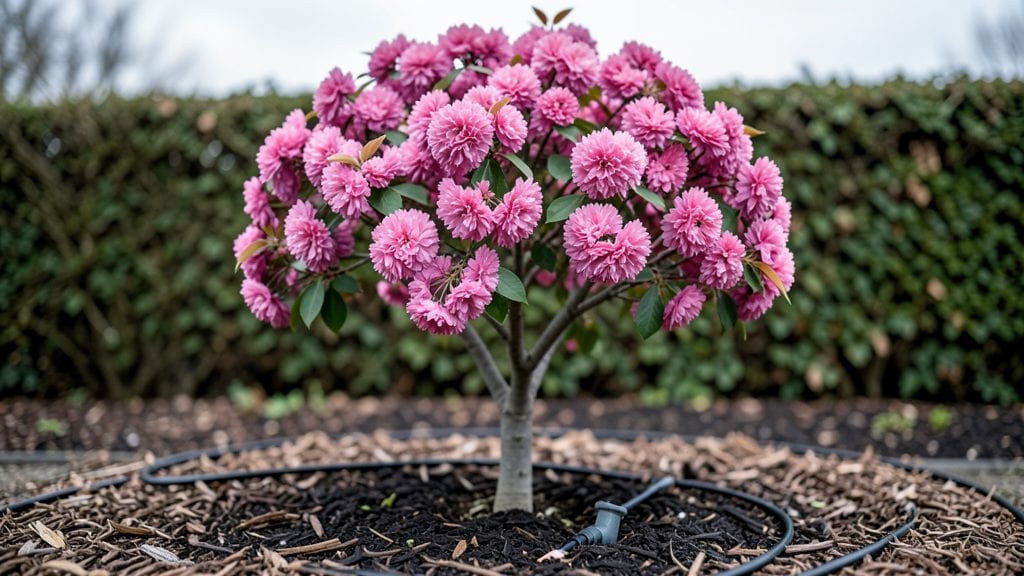
That flowering cherry snow fountain transforms any garden into a dreamy pink paradise—its cascading blooms look like a cloud of confetti spilling over stone. 🌸 I planted mine last spring, and now it’s the star of my backyard, drawing neighbors to pause and admire the way the petals drift in the breeze.
The secret lies in its placement: tucked near a seating area or along a pathway, it becomes both a conversation starter and a living centerpiece.
This shrub thrives in full sun to partial shade, making it versatile for different garden zones. Pair it with deep greens like hostas or boxwood to let the pink pop, or contrast it with white blooms like hydrangeas for a soft, ethereal look.
In fall, its foliage turns a warm bronze, and even in winter, the silhouette adds structure to the landscape. It’s a year-round performer that never disappoints.
You’ll love how effortlessly it softens hard edges—whether framing a patio, spilling over a retaining wall, or anchoring a perennial border. Prune lightly after blooming to encourage fuller growth, and watch as it fills in beautifully over time. The fragrance? Lightly sweet, like cherry blossoms on a spring morning.
Perfect for small gardens or as a dramatic focal point in larger spaces. Whether you’re designing a cottage-style retreat or a modern minimalist yard, this shrub brings effortless elegance with minimal fuss. Ready to make your garden the talk of the neighborhood?
📚 In This Guide
- What you need
- Instructions
- Tips and common mistakes
- Wrapping up and next steps
What you need
- ● Flowering cherry tree (Prunus serrulata 'Snow Fountain' or similar): 1 mature tree (5–10 ft tall, 3–5 ft wide) for a striking focal point
- ● OR 3–5 smaller trees (3–5 ft tall) for a layered, cascading effect
- ● Well-draining soil: 50% native soil + 50% compost or peat moss (improves aeration)
- ○ Optional: 1 lb of slow-release fertilizer (10-10-10 ratio) for initial planting
- ● Mulch: 2–3 inches of wood chips or pine straw (preserves moisture, suppresses weeds)
- ● Shovel or spade (for digging)
- ● Garden trowel (for transplanting smaller trees)
- ● Wheelbarrow (for mixing soil amendments)
- ● Watering can or hose with soaker nozzle (gentle watering is key!)
- ● Pruning shears (for shaping and maintenance)
- ○ Optional but helpful: Soil pH test kit (ideal range: 6.0–7.0)
- ● Tree stakes + ties (if planting in windy areas)
- ● Drip irrigation system (for low-maintenance watering)
- ● Sunlight: Full sun (6+ hours daily) for optimal blooms and health.
- ● Space: Minimum 10 ft diameter per tree (or 15 ft for layered plantings).
- ● Climate: Hardy in USDA Zones 5–8 (check local frost dates!)
- ● Water access: Regular watering (deep soak 2–3x/week for the first year).
Step-by-Step guide to creating a flowering cherry snow fountain display
Transform your landscape into a dreamy pink cascade with this elegant, low-maintenance technique.
🌱 Step 1: Select and Prepare Your Prunus 'Snow Fountain' Trees
Choose 4 mature Prunus 'Snow Fountain' trees with established canopies and cascading branches. This variety thrives in USDA Zones 5-8 and blooms prolifically in spring, with occasional summer reblooming. Prune any dead or crossing branches in late winter using clean, sharp pruners—I always sterilize my tools with rubbing alcohol first to prevent disease spread.
For optimal display, space trees 10-15 feet apart in a location receiving full sun to partial shade. The cascading branches need room to spread naturally without crowding. If planting in containers, select 15-gallon pots with drainage holes and use a well-draining soil mix (I blend equal parts native soil, compost, and perlite).
☀️ Step 2: Position for Maximum Visual Impact
Arrange your trees in a staggered formation to create depth—place one tree slightly forward, then step the others back in a gentle arc. This mimics natural woodland edges and makes the pink blooms appear as if they're spilling over a hillside. For a formal look, align trees along a fence or trellis, training branches to cascade downward with soft ties.
Consider the seasonal progression: In spring, the pink blossoms will dominate, while summer foliage provides lush green contrast. I like to plant low-growing perennials like heuchera or ajuga at the base to fill gaps and extend the display year-round. Mulch with 3 inches of shredded bark to retain moisture and suppress weeds.
💧 Step 3: Water and Fertilize for Optimal Growth
Water deeply 2-3 times per week for the first month after planting, then taper to once weekly once established—adjust based on rainfall. The key is keeping the root zone consistently moist but never soggy. I test soil moisture by sticking my finger 2 inches deep; if it feels dry, it's time to water. Overwatering causes root rot, which is fatal for these delicate trees.
Fertilize in early spring with a balanced 10-10-10 formula applied at ½ the recommended rate. Too much nitrogen promotes leafy growth at the expense of blooms. I also add 1 cup of bone meal around the root zone in late winter to encourage strong flowering stems. Avoid fertilizing after mid-summer to allow trees to harden off for winter.
✂️ Step 4: Prune and Maintain for Year-Round Beauty
Prune immediately after flowering to shape the tree and encourage next year's blooms. Remove 1/3 of the oldest wood to maintain an open, airy structure—this prevents branch congestion and improves airflow. I always prune on a dry day to minimize disease risk, and I never cut into old wood unless absolutely necessary, as flowering cherries bloom on last year's growth.
In late winter, remove any dead or damaged branches and thin out crowded areas. The goal is to create a natural, layered effect where sunlight reaches all branches. For container-grown trees, prune roots every 2-3 years by trimming the outer 1/3 of the root ball to encourage new growth. This keeps trees compact and flowering vigorously.
🪴 Step 5: Extend the Season with Complementary Plants
Plant spring bulbs like daffodils or tulips beneath the trees to create a layered display that blooms before the cherry blossoms. In summer, add shade-tolerant perennials like foxglove or coral bells to fill the understory. These companions enhance the cascading effect while providing year-round interest.
For winter drama, incorporate evergreen shrubs like inkberry holly or dwarf boxwood around the base. Their dark foliage contrasts beautifully with the tree's winter bark and provides structure when the cherry is dormant. I also add ornamental grasses like Karl Foerster feather reed grass to sway gently in the breeze and catch the light.
Tips & tricks for perfect flowering cherry snow fountain displays
Creating a stunning cascading cherry display takes thoughtful planning—here's how to elevate your design beyond the basics.
Tree Selection Strategy: When choosing your 4 mature Prunus 'Snow Fountain' trees, prioritize ones with uniform branch density and similar heights. I've learned that trees with slightly uneven canopies create a more natural, organic spillover effect when arranged in a staggered formation. Also, verify that all trees have healthy, flexible branches capable of supporting their own weight—this ensures the cascading effect remains intact during spring rains and winds.
Seasonal Layering Technique: The secret to year-round beauty lies in strategic layering. In Step 2, when you're planting heuchera or ajuga at the base, choose varieties with foliage colors that complement the pink blossoms—deep burgundy heuchera creates a stunning contrast. For winter interest, select evergreen companions like inkberry holly with dark green leaves that won't yellow in cold weather. This creates a cohesive color palette throughout all seasons.
Pruning Precision: In Step 4, when removing 1/3 of the oldest wood, focus on branches that are thicker than a pencil—these are the ones that can support new growth. I make my cuts just above a bud facing outward from the branch, which encourages the tree to grow in a more open, cascading habit. After pruning, I always apply a wound dressing to larger cuts to prevent disease entry points.
Container Care Tips: If you're working with 15-gallon pots, elevate them slightly on pot feet to improve drainage and prevent root rot. I also recommend installing a drip irrigation system connected to a timer for consistent watering—this ensures the 2-3 times per week watering schedule stays on track even during busy periods. Remember to flush the soil with water every 3 months to prevent salt buildup from fertilizers.
Pro Tips for Flowering Cherry Snow Fountain
- Creating a stunning cascading cherry display takes thoughtful planning—here's how to elevate your design beyond the basics.
- Tree Selection Strategy: When choosing your 4 mature Prunus 'Snow Fountain' trees, prioritize ones with uniform branch density and similar heights.
- Seasonal Layering Technique: The secret to year-round beauty lies in strategic layering.
Frequently asked questions
Got questions about creating your own flowering cherry snow fountain? You’re not alone! Here are some of the most common inquiries—and their answers—to help you bring this dreamy display to life.
When is the best time to plant a flowering cherry snow fountain?
The ideal time to plant is early spring or fall, when temperatures are mild and the plant can establish roots without stress. Avoid extreme heat or frost—both can shock delicate roots. If you’re in a warmer climate, fall planting is best to let the plant settle before summer droughts hit.
How do I keep the snow effect looking fresh all year?
For that fluffy, everlasting snow look, use polyester or polypropylene snow (it won’t melt or mold). Store it in a cool, dry place when not in use, and fluff it gently with a fork or broom to restore volume. If it gets dirty, a soft brush or vacuum works best—never soak it!
Can I grow a flowering cherry snow fountain in a pot instead of the ground?
Use a large, sturdy pot (at least 18–24 inches wide) with drainage holes and well-draining soil. Opt for dwarf varieties like ‘Snowgoose’ or ‘Royal Burgundy’, which thrive in containers. Just remember: water regularly and fertilize every 4–6 weeks during growing season.
Why aren’t my cherry blossoms blooming as expected?
Blooming issues often stem from sunlight, pruning, or age. Ensure your tree gets 6+ hours of sun daily—partial shade can reduce flowers. Prune in late winter to encourage new growth, and avoid heavy pruning after blooms appear. Young trees (under 3 years) may need patience—some varieties bloom best after 5+ years!
What are some creative ways to style a snow fountain display?
Get artistic! Pair your pink cherry blooms with white pebbles, driftwood, or solar-powered fairy lights for a whimsical vibe. For contrast, add evergreen shrubs or black bark trees like ‘Royal Purple’ smoke tree. Don’t forget seasonal touches: spring bulbs or fall mums can extend the magic year-round!
Wrapping up and next steps
The flowering cherry snow fountain isn’t just a plant—it’s a masterpiece of nature that brings joy, color, and tranquility to any garden. With its cascading pink blooms and year-round appeal, it’s the perfect way to transform your outdoor space into a serene retreat.
Whether you’re a seasoned gardener or just starting, this shrub offers beauty with minimal fuss, making it a rewarding addition to your landscape.
Ready to bring this dreamy display to life? Start by gathering your supplies and sketching a plan. Then, roll up your sleeves—your garden’s next highlight is waiting! 🌸✨