
Pruning
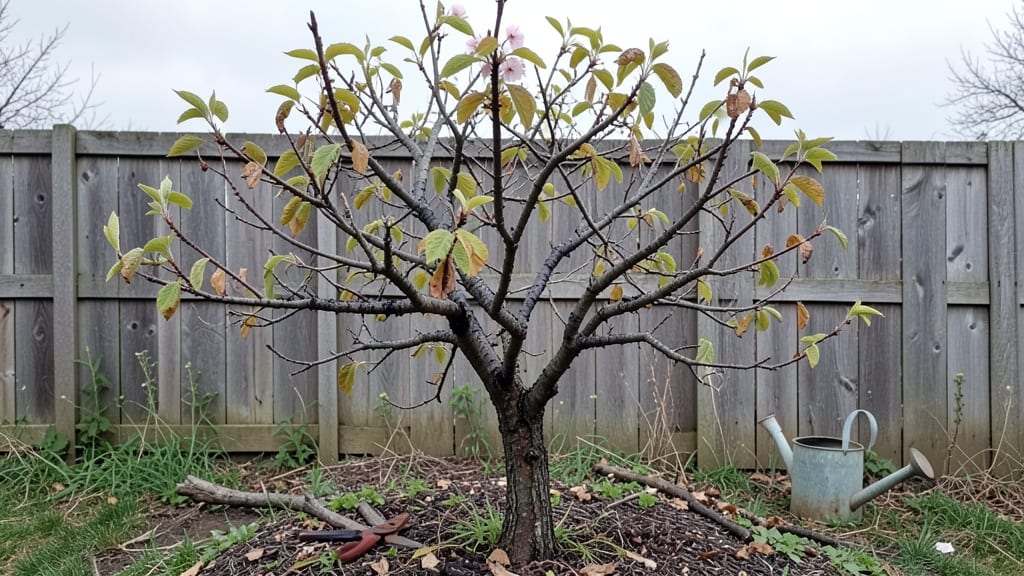
Flowering cherry trees turn neighborhoods into springtime dreamlands—but those delicate blooms come with a warning label. 🌸 I’ve seen them go from showstopper to sad sapling in a single season, usually because the problem was easy to fix if you caught it early.
The key is knowing what to look for: blackened leaves, sticky branches, or buds that refuse to open.
Most issues boil down to three culprits: fungal infections (like powdery mildew), pests (borers or scale), or environmental stress (drought or poor drainage). The good news? You don’t need a degree in arboriculture to turn things around.
A few targeted sprays, some mulch, or adjusting watering habits can make all the difference—often within weeks.
By the time you finish this, you’ll spot trouble before it spreads, treat it without harsh chemicals, and keep your tree blooming for years. Think of it as a springtime insurance policy for your yard’s most stunning star. Let’s get those branches healthy again.
Whether you’ve got a young sapling or a mature tree, the fixes scale with your plant. We’ll cover organic solutions first (because prevention is always easier than cleanup), plus when to call in reinforcements. Your tree’s next spring could be its best yet.
📚 In This Guide
- What you need
- Instructions
- Tips and common mistakes
- Wrapping up and next steps
What you need
- ● Pruning shears – Bypass pruners (sharp, clean, and sterilized with rubbing alcohol or bleach solution to prevent disease spread).
- ● Loppers – For thicker branches (1.5"–2" diameter).
- ● Garden gloves – Heavy-duty to protect against thorns and sap.
- ● Disposable pruning bags – For collecting and disposing of infected leaves or branches.
- ● Fungicide – Copper-based or neem oil solution (for fungal issues like powdery mildew or leaf spot).
- ● Insecticidal soap – For pests like aphids, spider mites, or scale.
- ○ Tree wound paint – Optional but helpful for sealing larger cuts (follow label instructions!).
- ● Measuring tape – To assess branch thickness and pruning cuts.
- ● Hand lens/magnifier – To inspect leaves, buds, or bark for pests/diseases.
- ● pH testing kit – Soil pH should ideally be 5.5–6.5 for cherry trees.
- ○ Moisture meter – Optional but useful for checking root-zone hydration.
- ● Timing matters! Prune after flowering (late spring/early summer) to avoid cutting off next year’s blooms. ⏳
- ● Sterilize tools between trees to prevent cross-contamination. 🧼
- ● Check local regulations—some areas restrict pruning during certain seasons.
How to diagnose and fix flowering cherry tree problems
Flowering cherry trees are stunning but need vigilance—here’s how to spot issues early and restore their health.
🌿 Step 1: Identify Leaf Discoloration and Spotting
Yellowing leaves or dark spots often signal stress. Check for powdery white residue (fungal infection) or blackened veins (bacterial canker). I’ve seen cherry trees with yellow leaves that just needed more iron—test soil pH first (ideal: 6.0-7.0). If leaves curl or drop prematurely, it could be aphids or mites hiding on undersides.
Don’t panic if leaves yellow in spring—they’re just making way for new growth. But if more than 25% of foliage looks off, act fast. Prune affected branches 6 inches below the damage to prevent spread. Sterilize pruners with 70% rubbing alcohol between cuts.
☀️ Step 2: Assess Light and Watering Issues
Flowering cherries need full sun (6+ hours daily)—shady spots cause weak blooms and leggy growth. If your tree’s leaves are pale or stems stretch toward light, move it or trim nearby obstructions. I once had a cherry tree in partial shade that barely flowered until I relocated it.
Overwatering is just as harmful as underwatering. Check soil moisture by sticking your finger 2 inches deep—if damp, wait. If dry, water deeply until it drains from the bottom. Mulch with 2-3 inches of organic matter (like wood chips) to retain moisture and regulate temperature. Avoid piling mulch against the trunk.
✂️ Step 3: Prune for Airflow and Disease Prevention
Poor airflow invites fungal diseases like powdery mildew or anthracnose. Prune to open the canopy—remove dead, crossing, or inward-growing branches first. Use sharp, clean pruners to make cuts at a 45-degree angle just outside the branch collar. Thin out crowded branches to let light and air circulate.
Timing matters: Prune in late winter or early spring (before buds swell) to avoid stressing the tree. Never prune during wet weather—open wounds invite infections. After pruning, apply a copper fungicide spray if your area has a history of fungal issues.
💧 Step 4: Address Pest Infestations Early
Look for tiny webs (spider mites), sticky residue (aphids), or chewed leaves (caterpillars). I treat mild infestations with a soapy water spray (1 tsp mild dish soap per quart of water). For severe cases, use neem oil (follow label rates) and reapply every 7-10 days until pests vanish.
Birds and squirrels love cherry blossoms but can damage fruit. Install netting over the tree during flowering if wildlife is a problem. Avoid chemical pesticides—they can harm pollinators and leave residues on edible (if any) parts of the tree.
🌱 Step 5: Fertilize and Mulch for Long-Term Health
Flowering cherries benefit from balanced fertilizer (10-10-10) in early spring. Spread ½ cup per inch of trunk diameter around the drip line, then water deeply. Avoid high-nitrogen fertilizers—they promote leafy growth at the expense of blooms. I top-dress with compost in fall to improve soil structure.
Replenish mulch annually in late winter. A 3-inch layer keeps roots cool in summer and warm in winter. Just keep it 6 inches away from the trunk to prevent rot. If your tree’s growth slows or flowers fade, it might need a soil test—cherries often suffer from zinc or magnesium deficiencies.
Tips & tricks for perfect flowering cherry tree care
These practical tips will help you keep your flowering cherry tree thriving and beautiful year after year.
Soil Testing Tip: In Step 1, when you notice yellowing leaves, don't just guess about soil pH—actually test it! Many garden centers offer affordable soil test kits. I've seen cherry trees with yellow leaves that just needed a boost of iron or a pH adjustment. The ideal range of 6.0-7.0 is crucial for nutrient uptake, especially for micronutrients like zinc and magnesium that cherry trees often lack.
Pruning Technique: When following Step 3's pruning instructions, remember that the 45-degree angle cut is critical for proper wound healing. Make sure your pruners are sharp—dull blades can crush branches and invite infections. Also, when pruning to remove more than 25% of foliage, consider doing it in stages over 2-3 years to avoid shocking the tree.
Pest Prevention: For Step 4's pest control, I've found that the soapy water spray works best in the early morning when pests are most active. If you notice tiny webs on the undersides of leaves, don't wait for severe infestation—act immediately. A weekly preventive spray during growing season can save you from dealing with full-blown pest problems later.
Fertilizer Strategy: When applying the 10-10-10 balanced fertilizer in Step 5, remember that less is often more. Spread it evenly around the drip line, but don't overdo it—too much fertilizer can burn roots. I like to split my applications into two doses: half in early spring and half in early summer, just as the tree begins its second growth flush.
Pro Tips for Flowering Cherry Tree Problems
- These practical tips will help you keep your flowering cherry tree thriving and beautiful year after year.
- Soil Testing Tip: In Step 1, when you notice yellowing leaves, don't just guess about soil pH—actually test it!
- Pruning Technique: When following Step 3's pruning instructions, remember that the 45-degree angle cut is critical for proper wound healing.
Frequently asked questions
Got questions about keeping your flowering cherry tree healthy and blooming? Here are some of the most common concerns—and their solutions!
Why isn’t my flowering cherry tree blooming this year?
Flowering cherry trees often need adequate sunlight (6+ hours/day) and proper winter chilling (300–900 hours below 45°F). If your tree isn’t blooming, check for over-fertilizing (too much nitrogen = fewer flowers) or poor pruning habits. Young trees may also need 3–5 years to mature before producing abundant blooms.
What pests commonly attack flowering cherry trees, and how do I treat them?
Watch for aphids, scale insects, or borers—they love tender cherry leaves! For mild infestations, spray with neem oil or insecticidal soap. Severe cases may require systemic insecticides (like imidacloprid), but act fast to prevent damage. Prune affected branches and dispose of them in sealed bags to stop the spread.
Can a flowering cherry tree survive extreme cold or drought?
Most flowering cherries are hardy to USDA Zones 5–8, but young trees or shallow-rooted varieties may struggle in prolonged drought or sub-zero temps. Water deeply once a week during dry spells, and mulch 2–3 inches deep around the base (but keep mulch away from the trunk). For winter prep, wrap the trunk with burlap if your area gets harsh winds.
When and how should I prune a flowering cherry tree to encourage more blooms?
Prune right after flowering (late spring) to avoid cutting off next year’s buds. Remove dead, diseased, or crossing branches first, then thin out 10–20% of the canopy for airflow. Avoid heavy pruning—cherry trees bloom on old wood, so over-pruning can reduce flowers. Use sterilized tools to prevent disease spread!
Are there disease-resistant flowering cherry tree alternatives?
Yes! If your tree keeps getting sick, try ‘Kanzan’ or ‘Royal Burgundy’ varieties—they’re more resistant to bacterial canker (a common issue). Another great pick is the ‘Okame’ cherry, which handles heat and humidity better than some hybrids. Always buy from reputable nurseries to ensure healthy stock.
Wrapping up and next steps
Caring for a flowering cherry tree is rewarding, but even the most beautiful blooms can face challenges. By recognizing early signs of stress—whether it’s pests, disease, or improper pruning—and taking action with the right tools and techniques, you can restore your tree’s health and vibrancy.
Don’t let setbacks discourage you: a little patience and the right approach go a long way! 🌸
Ready to give your cherry tree the TLC it deserves? Start by inspecting it regularly and addressing issues as they arise. If you’re unsure, consult a local arborist for expert advice—your tree (and future blossoms!) will thank you.