Tools
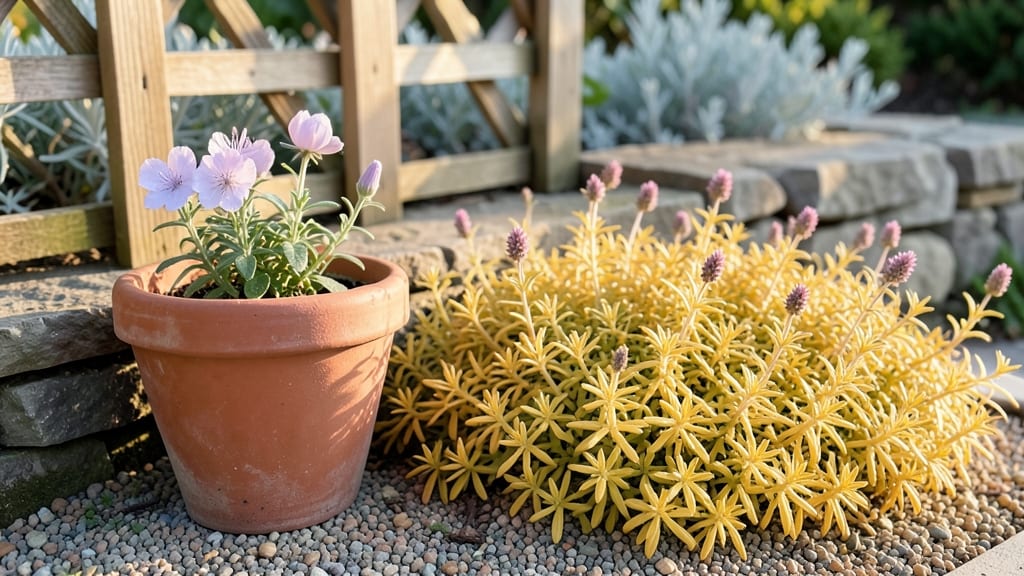
A flowering herb garden transforms your kitchen into a pollinator paradise. 🌿 I designed mine after realizing how many bees and butterflies my herbs attracted—and how much more vibrant they became with just a few companion flowers.
The secret lies in pairing fragrant herbs like thyme and oregano with pollinator magnets like lavender and marigolds.
You don’t need a big yard or fancy tools—just containers, a sunny spot, and a few hours to arrange plants. My setup uses 5-gallon pots for herbs and 1-gallon containers for flowers, arranged in a spiral pattern to maximize fragrance and visual appeal.
The key is matching bloom times: early-season alyssum with basil, summer marigolds with rosemary, and late-blooming asters with sage.
By summer’s end, you’ll have a garden that smells like a Mediterranean hillside, hums with pollinators, and produces herbs so flavorful you’ll forget store-bought. The flowers also act as natural pest deterrents, keeping aphids off your basil while adding color.
Plus, harvesting becomes a sensory experience—snipping thyme as bees buzz past lavender is pure magic.
Works in urban balconies or rural plots, and adapts to any season. Start small, then expand as you discover which pairings thrive in your climate. The best part? Every sniff of rosemary or sip of mint tea reminds you why gardening matters.
📚 In This Guide
- What you need
- Instructions
- Tips and common mistakes
- Wrapping up and next steps
What you need
- ● Herb & Flower Seeds or Seedlings: 6–10 fragrant herbs (e.g., lavender, rosemary, thyme, mint, basil, or borage). 4–6 pollinator-friendly flowers (e.g., marigolds, nasturtiums, calendula, or coneflowers).
- ● Soil: 1–2 bags (10–15 lbs each) of well-draining potting mix or organic garden soil (amended with compost).
- ● Containers or Garden Bed: Containers: 5–10 pots (6–12" diameter) with drainage holes. Garden bed: 4’x4’ minimum space (or raised bed for better drainage).
- ● Tools: 1 trowel or hand shovel. 1 pair of gardening gloves. 1 watering can or hose with a gentle spray nozzle.
- ● Fertilizer: 1 bag of balanced organic fertilizer (10-10-10 or compost tea).
- ● Mulch: 1 bag of organic mulch (straw, wood chips, or shredded leaves).
Step-by-Step instructions for designing a pollinator-friendly flowering herb garden
Here's how to blend fragrant herbs with pollinator magnets for a garden that thrives all season.
🌱 Step 1: Select and Source Your Pollinator-Friendly Herb Varieties
Choose herbs that produce flowers—lavender, borage, bee balm, and anise hyssop are top performers. I always opt for organic, disease-resistant varieties from reputable nurseries to ensure strong starts. These herbs not only attract bees and butterflies but also repel pests naturally, creating a balanced ecosystem.
Look for plants with long bloom times—like Russian sage or catmint—that provide continuous nectar. Avoid heavily hybridized varieties bred only for foliage, as they often sacrifice flowers. The key is selecting plants that serve both culinary and ecological purposes, ensuring your garden remains productive and vibrant.
🪴 Step 2: Plan Your Layout for Optimal Sun and Companion Pairings
Design your garden with full sun exposure (6+ hours daily) as the foundation, since most flowering herbs thrive under intense light. I arrange taller varieties like lavender and rosemary at the back, with shorter bloomers like thyme and oregano in the front. This creates visual depth while ensuring all plants receive adequate sunlight.
Group herbs with similar water needs together—drought-tolerant lavender near catmint, and moisture-loving bee balm near borage. I also incorporate native wildflowers like coneflowers or black-eyed Susans at the edges to extend the pollinator buffet. The goal is a seamless transition between cultivated herbs and wild attractants.
☀️ Step 3: Prepare the Soil and Plant with Proper Spacing
Amend your soil with 2-3 inches of compost and a balanced organic fertilizer (like 5-5-5) to provide essential nutrients without burning tender roots. I till the compost into the top 6 inches of soil, ensuring it blends thoroughly. Flowering herbs prefer well-draining soil, so if your garden retains moisture, add perlite or coarse sand to improve aeration.
Plant herbs 12-24 inches apart, depending on mature size—lavender needs 24 inches for airflow, while thyme thrives in tight clusters. Dig holes just deep enough to accommodate the root ball, then water deeply to settle the soil. Mulch with 2-3 inches of straw or wood chips, keeping it 2 inches away from stems to prevent rot while suppressing weeds.
💧 Step 4: Establish a Watering and Maintenance Routine
Water newly planted herbs deeply every 2-3 days until established, ensuring the soil stays moist but not soggy. I use drip irrigation or soaker hoses to deliver water at the base, avoiding wetting foliage—this prevents fungal diseases like powdery mildew. Once roots establish (after 4-6 weeks), reduce watering to once weekly, adjusting for rainfall.
Deadhead spent blooms regularly to encourage continuous flowering and prevent self-seeding where you don’t want it. I also prune herbs like lavender lightly after blooming to maintain shape and stimulate new growth. Fertilize lightly in spring with a fish emulsion, but avoid heavy feeding—flowering herbs often perform best in leaner soil.
✂️ Step 5: Monitor for Pests and Enhance Pollinator Appeal
Inspect plants weekly for aphids or spider mites, common pests that thrive on tender new growth. I spray affected areas with neem oil or introduce beneficial insects like ladybugs to keep populations in check. Avoid broad-spectrum pesticides—they harm pollinators and disrupt your garden’s balance.
To maximize pollinator visits, add a shallow water source like a birdbath with pebbles for insects to drink. Plant native grasses or clover at the garden’s edges to provide additional forage. I also avoid chemical treatments entirely, relying instead on the herbs’ natural pest-repellent properties—like rosemary’s strong scent—to keep the garden thriving without intervention.
Tips & tricks for perfect flowering herb garden design
A few strategic choices will transform your garden from ordinary to extraordinary—here's what I've learned from years of trial and error.
Seasonal Planting Strategy: In Step 1, when selecting varieties, I always include a mix of early, mid, and late-season bloomers like lavender (summer-fall), borage (spring-summer), and bee balm (summer-fall). This creates a continuous nectar supply for pollinators from spring through frost. The key is overlapping bloom times—when one variety finishes, another should be just starting. For example, plant Russian sage alongside catmint so there's never a gap in the floral buffet.
Soil Preparation Secret: During Step 3's soil amendment, I go beyond the basic 2-3 inches of compost by adding a handful of mycorrhizal fungi to each planting hole. These beneficial fungi form symbiotic relationships with herb roots, dramatically improving nutrient uptake and drought resistance. You can find them in powder form at garden centers—just mix with water and pour into the hole before planting. This single step makes all the difference in establishing healthy, resilient plants.
Watering Technique: When establishing your watering routine in Step 4, I recommend using the "finger test" method: stick your finger 2 inches into the soil. If it feels dry, it's time to water. This prevents overwatering while ensuring roots develop properly. For container herbs, I use self-watering pots with moisture meters—they automatically regulate water delivery based on soil moisture levels, which is perfect for busy gardeners.
Pollinator Enhancement: In Step 5, while you're adding the birdbath for pollinators, consider placing it near the center of your herb garden where bees and butterflies will naturally congregate. I also add small flat rocks around the edges of the water source—this gives insects a place to rest and dry their wings. The combination of water, flowers, and resting spots creates an irresistible pollinator oasis that will keep them visiting all season.
Pro Tips for Flowering Herb Garden
- A few strategic choices will transform your garden from ordinary to extraordinary—here's what I've learned from years...
- Seasonal Planting Strategy: In Step 1, when selecting varieties, I always include a mix of early, mid, and late-seaso...
- Soil Preparation Secret: During Step 3's soil amendment, I go beyond the basic 2-3 inches of compost by adding a hand...
Frequently asked questions
Got questions about creating your own fragrant, pollinator-friendly flowering herb garden?
Here are answers to the most common ones—so you can dive in with confidence!
What’s the best time of year to plant a flowering herb garden?
For most flowering herbs like lavender, borage, or chamomile, spring (after the last frost) is ideal—give them time to establish roots before summer heat. If you’re in a mild climate, early fall also works! Herbs like calendula or marigold can even handle light frosts, so check your local USDA zone for specifics.
Which flowering herbs attract the most pollinators?
Top picks for buzzing visitors include lavender (bees adore it!), borage (draws bees + hummingbirds), chamomile, and bee balm. For butterflies, try anise hyssop or catmint. Plant in clusters—pollinators love dense blooms for easy foraging!
How often should I water a flowering herb garden?
Most flowering herbs are drought-tolerant once established (think rosemary, thyme, or oregano), but young plants need 1 inch of water weekly. Mulch with straw or wood chips to retain moisture. Overwatering is the real enemy—let soil dry slightly between waterings to prevent root rot.
Can I grow flowering herbs in containers?
Herbs like basil, mint, or nasturtiums thrive in pots (just ensure drainage holes). For larger varieties (e.g., lavender or Russian sage), choose wide, deep containers (12"+ diameter). Use a well-draining potting mix and place in full sun—containers heat up faster, so monitor moisture closely.
What’s the best way to keep pests away from my flowering herbs?
Prevention is key! Neem oil or insecticidal soap tackle aphids/whiteflies gently. Companion planting helps too—pair basil with tomatoes or marigolds with herbs to repel pests naturally. For slugs, set out beer traps or use copper barriers. Healthy soil = resilient plants!
How long until my flowering herbs bloom?
Timing varies! Fast bloomers like nasturtiums or calendula may flower in 6–8 weeks, while lavender or chamomile take 3–4 months. Deadhead spent blooms to encourage continuous flowering. Patience pays off—once established, many herbs reward you with months of color!
Wrapping up and next steps
A flowering herb garden isn’t just a feast for the senses—it’s a thriving ecosystem that supports pollinators, enhances your space, and brings joy with every fragrant bloom! 🌸 With the right herbs like lavender, borage, or chamomile, you’ve got a beautiful, functional garden that’s low-maintenance and packed with benefits.
Whether you’re a seasoned gardener or just starting out, this setup makes it easy to grow, harvest, and enjoy.
Ready to bloom with confidence? Start small—pick one or two herbs to plant this week, and watch your garden (and pollinator friends!) thank you. Happy gardening! 🌿