
Shrubs
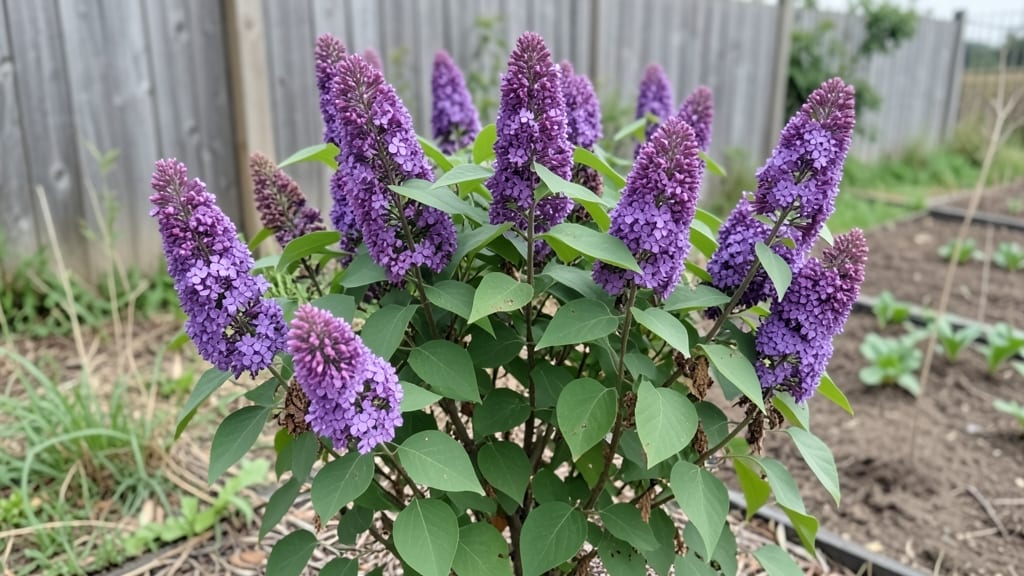
The flowering lilac bush is the Pacific Northwest’s unsung hero—its fragrant purple spikes transform spring into a sensory explosion. 🌸 I’ve grown mine for years, and the secret to those showstopping blooms isn’t just luck: it’s frost-hardy pruning that keeps them thriving through damp winters and rainy springs.
Most people overlook the timing, but I’ll show you exactly when to cut (and when to leave it alone) for the biggest, healthiest blooms.
Lilacs love full sun and well-draining soil, but they’re tough enough to handle the region’s cooler climate. Plant them in late fall or early spring, give them room to sprawl (they can reach 10–15 feet wide), and water deeply but infrequently—once a week in summer, less in winter.
The varieties like ‘Dwarf Korean’ and ‘Sensation’ are perfect for smaller spaces, while ‘Katherine Havemeyer’ brings drama with its massive clusters. The key? Pruning after blooming, never before.
By summer’s end, you’ll have a bush covered in fragrant blossoms that last for weeks. The scent alone makes it worth the effort—imagine walking past and being hit with that sweet, intoxicating perfume. Plus, lilacs attract bees and butterflies, turning your yard into a pollinator paradise.
The pruning itself takes just 15–20 minutes once you know the tricks, and the payoff is blooms that outshine anything from a nursery.
Works for urban yards, cottage gardens, or even large landscapes. Whether you’re starting fresh or reviving an old bush, these steps will give you vibrant blooms year after year. Let’s get those shears ready!
📚 In This Guide
- What you need
- Instructions
- Tips and common mistakes
- Wrapping up and next steps
What you need
- ● Flowering lilac bush: Choose a Syringa variety (e.g., 'Tinkerbell,' 'Dwarf Korean,' or 'Sensation')—ensure it’s hardy in USDA Zones 3-7.
- ● Well-draining soil: 2-3 cubic yards of a mix of topsoil (60%), compost (30%), and sand or perlite (10%) for optimal drainage.
- ● Organic mulch: 2-3 inches of wood chips, pine straw, or shredded bark to retain moisture and regulate soil temp.
- ● Slow-release fertilizer: 10-10-10 or 5-10-10 (1 lb per bush) for balanced nutrients.
- ● Watering can or hose: With a soaker hose attachment for deep root hydration.
- ● Pruning shears: Bypass pruners (for clean cuts) and loppers (for thicker branches).
- ● Gloves: Heavy-duty gardening gloves to protect from thorns.
- ● Shovel & trowel: For digging holes (1.5x wider than the root ball) and transplanting.
- ● Measuring tape: To ensure proper spacing (6-10 ft apart for mature bushes).
- ● Wheelbarrow: For mixing soil amendments.
- ● Epsom salt: 1 tbsp per bush annually for magnesium boost.
- ● Plant support: Stakes or cages for young lilacs in windy areas.
- ● Drip irrigation kit: For automated watering in dry spells.
- ● Fungicide: Copper-based spray (preventative for powdery mildew).
- ● Pruning saw: For removing large, stubborn branches.
Step-by-Step guide for planting and pruning lilac bushes in the Pacific Northwest
Here’s how to establish your lilacs for years of fragrant blooms—starting with the right planting and pruning routine.
🌱 Step 1: Plant Lilacs in Well-Draining Soil and Sun
Choose a location with full sun (6-8 hours daily) and well-draining soil—lilacs hate soggy roots. Dig a hole twice as wide as the root ball but no deeper, then loosen the soil around the edges to encourage root spread. I always mix in a handful of compost to give the roots a nutrient boost without overwhelming them.
Place the bush so the top of the root ball sits 1-2 inches above ground level. This prevents stem rot from sitting water. Backfill with native soil, tamping gently to eliminate air pockets. Water deeply right after planting—1 gallon per plant—to settle the soil and encourage root contact.
✂️ Step 2: Prune Immediately After Planting for Strong Structure
Newly planted lilacs need a light pruning to remove any damaged or crossing branches. I cut back any stems that look brown or mushy at the base—these won’t recover. Also, trim back any branches that are growing inward or rubbing against others. This opens the center for airflow and reduces disease risk.
Skip heavy pruning now—wait until next spring. The goal is to establish the plant’s root system first. Water again after pruning to help the cuts heal faster. Mulch around the base with 2-3 inches of wood chips, keeping it 6 inches away from the stem to prevent rot.
🌿 Step 3: Maintain Spring Pruning for Next Year’s Blooms
Prune lilacs right after flowering (late May to early June in the PNW) to shape the bush and encourage strong blooms next season. I cut back last year’s flower stalks to the first set of strong buds below the bloom cluster. This ensures new growth emerges from the base, not just the tips.
Remove any dead, weak, or crossing branches first. Then, thin out crowded stems to improve airflow. Never prune more than one-third of the plant at a time—lilacs bloom on old wood, so aggressive cuts reduce flowers. Water deeply after pruning to help the plant recover.
⏰ Step 4: Winter Pruning for Frost Hardiness
In late winter (February), give your lilacs a light cleanup before new growth starts. Remove any dead or diseased branches first—these are easy to spot as they’re brown and brittle. Then, trim back any suckers or water sprouts that appear at the base. These weak growths drain energy from the main plant.
Shape the bush lightly if needed, but avoid heavy cuts. Lilacs are tough and can handle cold, but they need time to harden off. Water the base in late fall (before freezing) to help roots establish before winter. In the PNW, where frosts are common, this step keeps your lilacs healthy and blooming for decades.
Tips & tricks for perfect lilac bush pruning in the Pacific Northwest
Here's what I learned after years of growing lilacs in our PNW climate—these tricks will help your bushes thrive and bloom beautifully.
Sunlight Secret: The 6-8 hours of daily sun in Step 1 is non-negotiable for PNW lilacs. If your yard has partial shade, plant them where they get the most sun possible—even an hour less can reduce flowering. I've seen lilacs in shadier spots struggle to bloom after just a few years.
Pruning Precision: When you're cutting back last year's flower stalks in Step 3, look for the first set of strong buds below the bloom cluster—this is where next year's flowers will form. I always make my cuts at a 45-degree angle just above a leaf node to prevent water from pooling on the cut. This simple technique reduces disease risk dramatically.
Winter Watering Wisdom: That late fall watering in Step 4 is crucial for frost hardiness. Water deeply when the ground is still unfrozen but before hard frosts arrive. I aim for about 1 gallon per plant—this helps roots establish before winter dormancy. In our wet PNW climate, this step often gets overlooked, but it makes a huge difference in spring recovery.
Pro Tips for Flowering Lilac Bush
- Here's what I learned after years of growing lilacs in our PNW climate—these tricks will help your bushes thrive and bloom beautifully.
- Sunlight Secret: The 6-8 hours of daily sun in Step 1 is non-negotiable for PNW lilacs.
- Pruning Precision: When you're cutting back last year's flower stalks in Step 3, look for the first set of strong buds below the bloom cluster—this is where next year's flowers will form.
Frequently asked questions
When is the best time to prune a lilac bush?
Prune your lilac right after flowering (late spring to early summer) to encourage next year’s blooms. Avoid heavy pruning in fall or winter, as lilacs bloom on old wood. For PNW climates, aim for mid-June to early July—just as the flowers fade but before new buds form.
How cold-hardy are lilacs, and do they need winter protection?
Most lilacs (like Syringa vulgaris) are zones 3-7 hardy, thriving in PNW winters. However, young plants or tender varieties may need mulch (2-3 inches of wood chips) around the base to insulate roots. Avoid heavy mulch piles—keep it loose for airflow.
What pests or diseases should I watch for on lilac bushes?
Common issues include:
- Lilac borers: Tiny holes in stems or sawdust-like frass. Treat with neem oil or prune infested branches.
- Powdery mildew: White fungal coating on leaves. Improve airflow and spray with baking soda solution (1 tsp + 1 quart water + soap).
- Aphids: Sticky residue on leaves. Blast off with water or use insecticidal soap.
Prevent problems with regular pruning and well-draining soil.
Can I grow lilacs from cuttings, or should I buy a potted plant?
Both work! Cuttings (softwood in summer or hardwood in winter) root well with rooting hormone. For beginners, potted lilacs (1-2 years old) are easier—they’re already established and adapt faster. Choose disease-resistant varieties like ‘Tana’ or ‘Miss Kim’ for PNW success.
Why isn’t my lilac blooming this year?
Lilacs need 3-5 years to mature before big blooms. Check these fixes:
- Pruning timing: Did you cut back after flowering?
- Sunlight: Lilacs need 6+ hours of sun daily.
- Soil: Amend heavy clay with compost for drainage.
- Fertilizer: Use low-nitrogen, high-phosphorus fertilizer in early spring.
If it’s been years and still no flowers, it may need rejuvenation pruning (cut back ⅓ of old stems to encourage new growth).
Do lilacs attract bees or other pollinators?
Absolutely! Lilacs are a pollinator magnet, especially for bees and butterflies. Their fragrant blooms provide early-season nectar. For extra buzz, plant near lavender, catmint, or native PNW wildflowers to create a pollinator paradise.
Wrapping up and next steps
Growing a flowering lilac bush in the Pacific Northwest is a rewarding journey that brings fragrant blooms and lasting beauty to your garden. With the right soil, pruning techniques, and a little patience, you’ll enjoy vibrant purple, pink, or white flowers year after year—even through frost! 🌸
Now that you’re armed with the knowledge, roll up your sleeves and get planting. Start by selecting a healthy lilac bush from a local nursery, then follow the care tips shared here.
Before you know it, your garden will be bursting with color—and you’ll be the envy of the neighborhood! 🌿
Ready to take the next step? Mark your calendar for spring pruning and watch your lilac thrive!