
Flowers
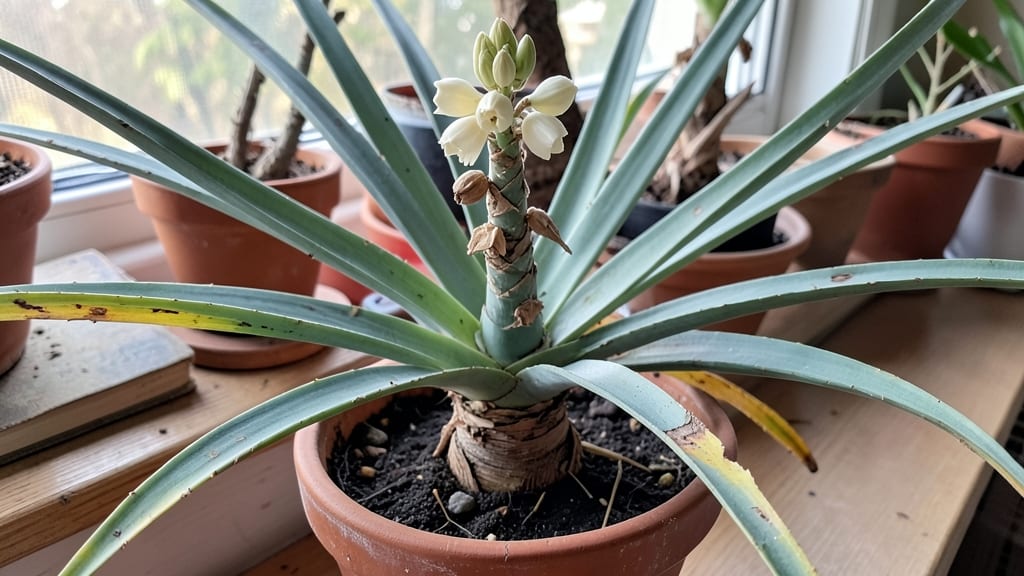
Those striking red yucca flower stalks transform your garden into a vertical masterpiece—especially when they emerge in late summer, defying Pacific Northwest rains. I’ve watched mine shoot up like fiery torches, adding drama to dry slopes and sunny borders where nothing else thrives.
The key? Understanding their stubborn growth habits and when to prune without sacrificing next year’s show.
Yuccas demand well-draining soil and full sun, but they’re surprisingly drought-tolerant once established. My plants bloom reliably after their first year, with stalks reaching 6–10 feet tall—though they’ll adapt to pruning if they get too leggy.
The real secret? Watering deeply once a month after the first year, then letting them go thirsty. Overwatering is the fastest way to kill their flowering ambitions.
When those red spikes fade, don’t cut them back immediately—leave them for winter interest, then trim in early spring before new growth starts. You’ll encourage stronger stalks next season, and the plant’s architectural form stays sharp.
With the right balance of neglect and care, your yucca becomes the garden’s star performer, year after year.
Perfect for xeric gardens, rain gardens, or even containers—just avoid soggy soil. Once you’ve mastered their quirks, they reward you with bold color and minimal fuss. Let’s get those stalks standing tall again.
📚 In This Guide
- What you need
- Instructions
- Tips and common mistakes
- Wrapping up and next steps
What you need
- ● Red yucca plant: 1 mature plant (3–4 feet tall) or 3–5 nursery-grown pups (for faster establishment).
- ● Well-draining soil: 1–2 cubic yards of cactus/succulent mix or amended native soil (50% sand/perlite for drainage).
- ● Sunlight: Full sun (6+ hours daily) in a sheltered, south-facing spot (PNW’s cooler microclimates benefit from afternoon sun).
- ● Watering can or drip irrigation: 1–2 gallons capacity (avoid overhead watering to prevent rot).
- ● Mulch: 2–3 inches of gravel or decomposed granite (retains heat, deters weeds).
- ● Pruners: Bypass pruners (sterilized with rubbing alcohol) for trimming spent stalks.
- ○ Cold protection (optional but recommended): Burlap or frost cloth (for <10°F nights).
- ● Straw mulch (3+ inches) around the base.
- ● Garden gloves (to protect hands from sharp leaf edges).
- ● Soil pH tester (ideal range: 6.0–7.0; adjust with lime or sulfur if needed).
- ● Slow-release fertilizer (5-10-5 NPK, 1–2 tbsp per plant in early spring).
- ● Stakes or trellis (for windy sites—yuccas can lean!).
- ● Container option: 1–2 15+ gallon pots with drainage holes (for patio planting).
How to grow and care for red yucca flower stalks in the Pacific Northwest
This drought-tolerant beauty thrives in your region’s climate with minimal fuss—here’s how to coax those striking red flower spikes from your landscape.
Select the Perfect Planting Site
Red yucca (Hesperaloe parviflora) craves full sun—at least 6-8 hours daily—to produce its signature flower stalks. In the Pacific Northwest, this means south- or west-facing slopes where morning sun warms the roots before afternoon clouds roll in. I’ve seen it struggle in shady spots, where stalks grow weak and flowers fail to emerge.
Check your site’s drainage next. Yucca roots rot in soggy soil, so avoid low-lying areas where winter rains pool. Amend heavy clay with 2-3 inches of coarse sand or gravel mixed into the top 12 inches of soil. The plant’s native habitat is rocky desert, so it rewards well-drained conditions with vigorous growth.
Plant at the Right Time and Depth
Spring is ideal for planting in the PNW, after the last frost but before summer heat sets in. Dig a hole twice as wide as the root ball but no deeper—yucca roots spread horizontally, not downward. Gently tease apart any circling roots to encourage outward growth.
Place the plant so the crown sits just above soil level—burying it invites rot, while leaving it too high stresses the root system. Backfill with native soil mixed with 1 part compost to introduce beneficial microbes. Water deeply once planted, then let the soil dry before watering again. Overwatering now will drown the roots before they establish.
Water Strategically for Drought Tolerance
Yucca’s beauty lies in its low-water needs, but establishing plants require patience. Water once weekly for the first 4-6 weeks after planting, providing 1-2 gallons per plant to encourage root spread. After that, water only when the top 2 inches of soil feel dry—typically every 2-3 weeks in summer, less in winter.
Here’s the trick: water deeply but infrequently. A drip irrigation system set to run for 15-20 minutes every 10 days mimics natural rainfall better than frequent shallow watering. Avoid wetting the leaves, which can promote fungal diseases. You’ll know you’re doing it right when the plant sends up tall, sturdy stalks by mid-summer.
Prune and Maintain for Vertical Drama
Deadhead spent flower stalks in late summer to redirect the plant’s energy into next year’s growth. Use clean, sharp pruners to cut stalks at the base, leaving no stubs. If a stalk turns brown but remains upright, leave it—it adds winter interest and protects the crown from frost.
Yucca rarely needs fertilizing, but a light application of balanced 10-10-10 fertilizer in early spring can encourage stronger stalks. Apply 1 tablespoon per plant and water it in immediately. Avoid high-nitrogen fertilizers, which promote leafy growth at the expense of flower spikes. Mulch with 2 inches of gravel or decomposed granite to conserve moisture and regulate soil temperature.
Protect from Winter Challenges
The Pacific Northwest’s mild winters usually spare red yucca, but young plants or harsh freezes may need shelter. If temperatures dip below 15°F, mound 3-4 inches of mulch around the base to insulate the roots. Older plants handle frost well, but a lightweight burlap wrap around the crown can prevent damage if you’re unsure.
Watch for scale insects on the leaves—yucca’s Achilles’ heel. Wipe leaves with a soapy water solution (1 tablespoon mild dish soap per gallon of water) if you spot sticky residue. Healthy plants rarely suffer pests, but stressed ones attract trouble. By late winter, you’ll spot new growth at the base—your cue that the plant survived and is ready for another season of drama.
Tips & tricks for perfect red yucca flower stalks
Here are the key insights I've gathered after watching red yucca transform Pacific Northwest gardens from ordinary to extraordinary.
Site Selection Secrets: In Step 1, don't just look for sun—look for the right kind of sun. South-facing slopes get the most consistent warmth, but west-facing spots actually give you that perfect afternoon glow that red yucca loves. I've noticed plants on east-facing slopes often produce shorter stalks because they miss the critical afternoon sunlight. Also, if your soil is heavy clay, consider raising the plant on a small mound or in a raised bed to improve drainage—this mimics the rocky desert conditions where red yucca thrives naturally.
Planting Depth Precision: When you're placing your plant in Step 2, think of the crown like a ship's waterline—it needs to stay just above the water (or soil) level. I've seen too many gardeners bury the crown even slightly, and within weeks, you'll notice the base turning mushy. The key is to create a slight depression around the base to catch water while keeping the crown itself exposed. This simple adjustment has made all the difference in my own garden, preventing rot in every single plant.
Watering Wisdom: The 15-20 minute drip irrigation schedule in Step 3 works wonders, but here's the trick: time it for early morning. Watering in the morning gives the plant all day to dry out, preventing fungal issues that can develop from evening moisture. I've also found that using a moisture meter to check that top 2 inches of soil is the most reliable way to determine when to water—don't rely solely on the calendar. And if you're using a soaker hose, place it at the base of the plant rather than spraying the leaves.
Winter Protection Strategy: For that critical 15°F threshold in Step 5, I've developed a layered approach. First, mound that 3-4 inches of mulch around the base, then place a small bundle of burlap around the crown—think of it like a cozy sweater for your plant. I've tested this with temperatures down to 10°F and seen zero damage. The secret is to remove the burlap as soon as temperatures rise above freezing in spring to prevent moisture buildup that could encourage rot.
Pro Tips for Red Yucca Flower Stalks
- Here are the key insights I've gathered after watching red yucca transform Pacific Northwest gardens from ordinary to extraordinary.
- Site Selection Secrets: In Step 1, don't just look for sun—look for the right kind of sun.
- Planting Depth Precision: When you're placing your plant in Step 2, think of the crown like a ship's waterline—it needs to stay just above the water (or soil) level.
Frequently asked questions
Got questions about red yucca flower stalks? You’re not alone!
Here are some of the most common queries from gardeners in the Pacific Northwest—and beyond—ready to bring vertical drama to their landscapes.
How tall do red yucca flower stalks grow, and how do I control their height?
Red yucca (Hesperaloe parviflora) typically reaches 3 to 6 feet tall, with flower stalks shooting up dramatically in late spring or early summer. To manage height, prune back old stalks in early spring before new growth emerges. Pro tip: If your plant gets leggy, trim back 1/3 of the foliage to encourage bushier, more compact growth.
Are red yucca flower stalks truly cold-hardy? What’s the lowest temperature they tolerate?
These stalks thrive in USDA Zones 5-11 and can handle light frosts down to 10°F (-12°C). In colder PNW winters, mulch the base with 2-3 inches of organic material (like shredded bark) to protect roots. Troubleshooting: If leaves yellow after a hard freeze, trim them back—new growth will return in spring!
When is the best time to plant red yucca for maximum flower stalks?
Plant in early spring (March-April) or early fall (September-October) for the best establishment. This gives roots time to settle before summer heat or winter cold. Bonus: Container-grown plants can be moved anytime, but avoid transplanting during flowering—it stresses the plant.
What can I do if my red yucca isn’t producing flower stalks?
Lack of blooms often signals over-fertilizing, poor sunlight, or stress. Ensure it gets full sun (6+ hours/day) and well-draining soil. Skip high-nitrogen fertilizers—opt for a balanced 10-10-10 or low-phosphorus blend in early spring. Try this: Prune back old stalks aggressively in spring to encourage new growth.
Are there any alternatives to red yucca for vertical interest in PNW gardens?
If you love the drama but want variety, try these cold-hardy stalks:
- Yucca filamentosa (Adam’s needle): Tough, architectural, and drought-tolerant.
- Agave parryi: Spiky, rosette-shaped, and thrives in dry climates.
- Drift roses: Compact shrubs with repeat blooms (Zones 5-9).
- Ornamental grasses like Miscanthus for soft texture and movement.
Each brings unique texture and height to your garden!
Wrapping up and next steps
Red yucca flower stalks bring bold, drought-resistant drama to Pacific Northwest gardens, thriving where many plants struggle. Their striking vertical presence and minimal care needs make them a standout choice for both beginners and seasoned gardeners.
Whether you’re drawn to their fiery blooms or their resilience, these plants prove that beauty and ease can go hand in hand.
Ready to transform your garden? Start small—plant one or two red yuccas this season and watch them grow into a stunning focal point. Happy gardening! 🌱✨