
Flowers
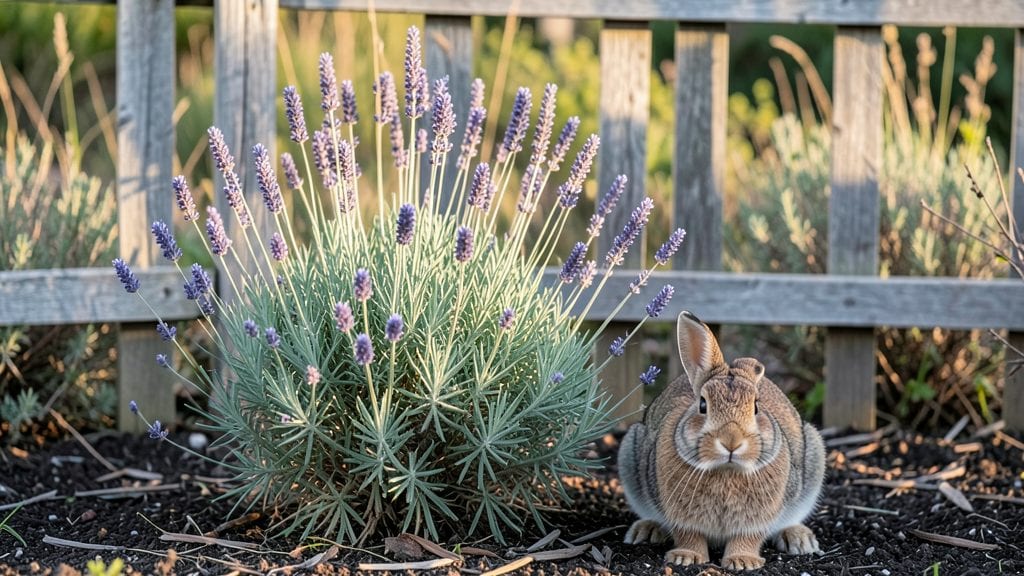
The flowers bunnies don’t eat are my garden’s secret weapon—no more chewed stems or vanished blooms overnight. 🌿 Last spring, I lost half my tulips to a neighborhood bunny brigade, but these plants have stayed untouched for three seasons running.
The key isn't just picking the right flowers; it's understanding why rabbits skip them—bitter flavors, fuzzy textures, or even mild toxicity that makes them think twice.
My top picks include lavender (bunnies hate its strong scent), snapdragons (their fuzzy leaves are unappealing), and marigolds (bitter taste deters them). Planting them in clusters near vulnerable plants creates a natural barrier, and a little mulch around the base adds extra protection.
The best part? These flowers still bring color and fragrance without needing fancy repellents or fences.
You'll end up with a garden that thrives without constant battles—no more sad, half-eaten blooms or the frustration of replanting every spring. The flowers stay lush, the rabbits stay away, and you get to enjoy the beauty without the stress. Here's how to make it work in your own space.
Whether you're dealing with a single curious bunny or a whole colony, these plants adapt to different garden sizes and climates. The solution is simpler than you think—just the right flowers in the right places. Let's get your garden back to its full, pest-free potential.
📚 In This Guide
- What you need
- Instructions
- Tips and common mistakes
- Wrapping up and next steps
What you need
- ● Non-toxic flowers: 5–10 plants of rabbit-resistant varieties like marigolds, snapdragons, or lavender (avoid lilies, tulips, or daffodils).
- ● Organic mulch: 2–3 bags of straw, wood chips, or pine needles (helps deter burrowing).
- ● Compost: 1–2 cubic feet of well-aged, nutrient-rich compost (boosts soil health naturally).
- ● Chicken wire or hardware cloth: A 2-foot-tall mesh fence (10–15 ft long) to block hoppers.
- ● Garden gloves (1 pair) – for handling soil and plants.
- ● Trowel or shovel – for planting and mulching.
- ● Watering can or hose – with a gentle spray nozzle.
- ○ Optional: Essential oil spray (e.g., peppermint or citronella) – 10–15 drops per gallon of water (deters pests naturally).
- ● Decorative rocks or pebbles (1–2 bags) – for a polished, bunny-proof border.
How to create a bunny-safe flower garden
Here's how to design a stunning, toxin-free garden that bunnies will ignore.
🌱 Step 1: Select Rabbit-Resistant Flower Varieties
Focus on flowers bunnies avoid due to tough textures, strong scents, or bitter flavors. My go-to choices include larkspur (spiky blooms deter nibbling), snapdragons (woody stems repel chewing), and foxglove (toxic to rabbits). Other reliable picks are agastache, salvia, and shasta daisies—all with fibrous roots or fuzzy foliage that rabbits find unappealing.
Check plant tags for "rabbit-resistant" labels, but verify with your local extension office. Some varieties like dahlias are often listed as safe, but young shoots are still tempting. I always plant extra marigolds as a sacrificial border—their strong scent confuses rabbits.
☀️ Step 2: Design with Height and Texture Layers
Create visual interest while making flowers harder to reach. Start with tall backdrops like black-eyed Susans or bee balm (both rabbit-resistant and pollinator-friendly). Add medium-height plants such as coreopsis or Russian sage in the middle, then fill gaps with low-growing ground covers like creeping thyme or ajuga.
Rabbits typically browse at 12-18 inches high, so stagger plant heights to break their line of sight. I also weave ornamental grasses like Miscanthus through beds—their sharp edges discourage nibbling. Mulch with gravel or pine straw (not wood chips, which rabbits dig up) to create a barrier.
💧 Step 3: Water Strategically to Deter Browsing
Rabbits avoid areas with consistent moisture, so water deeply twice weekly during dry spells. Use drip irrigation or soaker hoses to keep soil evenly damp without creating muddy patches. The goal is 1-2 inches of water per week, delivered slowly at the base of plants.
I install a small solar-powered fountain near my flower beds—the moving water and sound keep rabbits moving. Place water sources at least 10 feet from garden edges to prevent them from becoming rabbit gathering spots. If you notice fresh tracks near your garden, add a motion-activated sprinkler on a timer for 10-minute bursts at dawn and dusk.
✂️ Step 4: Prune and Maintain for Long-Term Resistance
Deadhead spent blooms regularly to encourage continuous flowering—rabbits are less likely to nibble on healthy, productive plants. Use clean, sharp shears to cut back 1/3 of the stem just above a set of leaves. For woody plants like butterfly bush, prune in early spring before new growth appears.
I also fertilize lightly with compost tea every 4-6 weeks to boost plant vigor. Strong, healthy flowers are far less appealing to rabbits than stressed or weak specimens. If you spot any chewed leaves, immediately trim the affected area and treat with a neem oil spray (1 tablespoon per gallon of water) to deter further interest.
🪴 Step 5: Add Physical Barriers for High-Risk Areas
For young plants or prized specimens, install chicken wire cages (12 inches tall) around individual plants. Bury the wire 4 inches deep to prevent rabbits from tunneling underneath. Alternatively, wrap plastic tree guards around stems—rabbits can't chew through the smooth plastic.
I also plant rabbit-repellent herbs like rosemary and lavender along garden edges. The strong scent masks flower fragrances that might attract rabbits. For larger areas, install a permanent 2-foot-tall hardware cloth fence (not chicken wire—rabbits can chew through it). The key is making your garden feel like a no-go zone without resorting to chemicals.
Tips & tricks for perfect bunny-resistant flower gardens
Here's what I've learned after years of battling rabbits—these tricks will help your garden thrive while keeping those furry nibblers away.
Plant Placement Matters: In Step 1, when selecting your flowers, place the most tempting varieties like dahlias at the center of your beds where rabbits can't easily reach. Surround them with spiky larkspur or woody snapdragons along the edges—rabbits will avoid the prickly textures. I've found that creating a "don't touch" perimeter with rosemary or lavender works wonders too. The strong scents create a natural barrier that confuses their senses.
Layering is Key: When designing your height layers in Step 2, remember that rabbits browse at 12-18 inches high. I like to create a "skyline" effect by planting tall bee balm at the back, medium coreopsis in the middle, and low ajuga in the front. This breaks their line of sight and makes your garden feel like a fortress. Don't forget to weave in Miscanthus grasses—their sharp edges are like tiny swords that deter nibbling.
Watering Strategy: The twice weekly watering schedule in Step 3 is crucial, but timing matters too. Water in the early morning so plants have time to dry before evening—rabbits prefer damp areas where they can hide. I've also noticed that adding a small solar-powered fountain near the garden edges creates enough movement and sound to keep rabbits moving along. It's like a natural rabbit repellent that doubles as a decorative feature.
Pruning Pro Tip: When deadheading in Step 4, don't just cut off the spent blooms—cut back 1/3 of the stem just above a leaf node. This encourages bushier growth that rabbits find less appealing. I also recommend using neem oil spray (just 1 tablespoon per gallon) on any chewed leaves—it's a natural deterrent that won't harm your plants or pollinators. The key is to keep your plants looking healthy and thriving, because rabbits target stressed or weak specimens.
Pro Tips for Flowers Bunnies Don'T Eat
- Here's what I've learned after years of battling rabbits—these tricks will help your garden thrive while keeping those furry nibblers away.
- Plant Placement Matters: In Step 1, when selecting your flowers, place the most tempting varieties like dahlias at the center of your beds where rabbits can't easily reach.
- Layering is Key: When designing your height layers in Step 2, remember that rabbits browse at 12-18 inches high.
Frequently asked questions
Got questions about keeping your garden safe for bunnies while still enjoying stunning blooms? Here are some common concerns—and their answers!
Why can’t bunnies eat certain flowers?
Many flowers contain toxic compounds like alkaloids or saponins that can cause digestive upset, lethargy, or worse in bunnies. Even non-toxic flowers may lack the fiber and nutrients they need, leading to obesity or GI stasis. Always opt for bunny-safe greens (like cilantro or parsley) as treats!
What are the most common toxic flowers for bunnies?
Avoid these high-risk blooms in your garden:
- Lilies (especially true lilies—deadly even in small amounts!)
- Tulips (bulbs are toxic; flowers may cause drooling/vomiting)
- Daffodils (all parts are poisonous)
- Azaleas/Rhododendrons (can cause heart issues)
- Foxglove (contains digitalis, dangerous for pets)
When in doubt, check the ASPCA’s toxic plant list!
How long does it take for toxic flowers to affect a bunny?
Symptoms vary by plant and bunny size but often appear within 6–24 hours. Mild cases may cause drooling, loss of appetite, or lethargy, while severe poisoning (e.g., lilies) can lead to kidney failure in 36–72 hours. Act fast: Contact your vet or a pet poison hotline immediately if ingestion occurs.
Are there any flowers bunnies can nibble safely?
Yes! Stick to edible, non-toxic flowers like:
- Nasturtiums (peppery taste deters over-eating)
- Calendula (mild, anti-inflammatory)
- Violet flowers (in moderation)
- Rose petals (remove thorns first!)
Pro tip: Introduce new flowers one at a time and watch for digestive changes.
What should I do if my bunny eats a toxic flower?
Stay calm and act quickly:
- Remove any remaining plant material from their reach.
- Call your vet or the Pet Poison Helpline (fees may apply).
- Bring the plant (or a photo) for ID—time is critical!
- Avoid inducing vomiting unless instructed by a professional.
Prevention is key: fence off garden beds or use raised planters to keep curious bunnies safe!
Wrapping up and next steps
Creating a toxic-free garden filled with bunny-safe flowers isn’t just possible—it’s a joyful way to nurture beauty and peace! 🌸 By choosing plants like marigolds, sunflowers, and lavender, you’re not only avoiding harmful chemicals but also crafting a space where your furry friends can hop freely.
These blooms are resilient, pest-resistant, and pet-friendly, proving that nature’s best solutions are often the simplest.
Ready to transform your garden? Start small—swap just one toxic plant for a bunny-approved alternative, and watch your outdoor oasis flourish without the worry. Your garden (and your bunnies) will thank you! 🐰💚