
Flowers
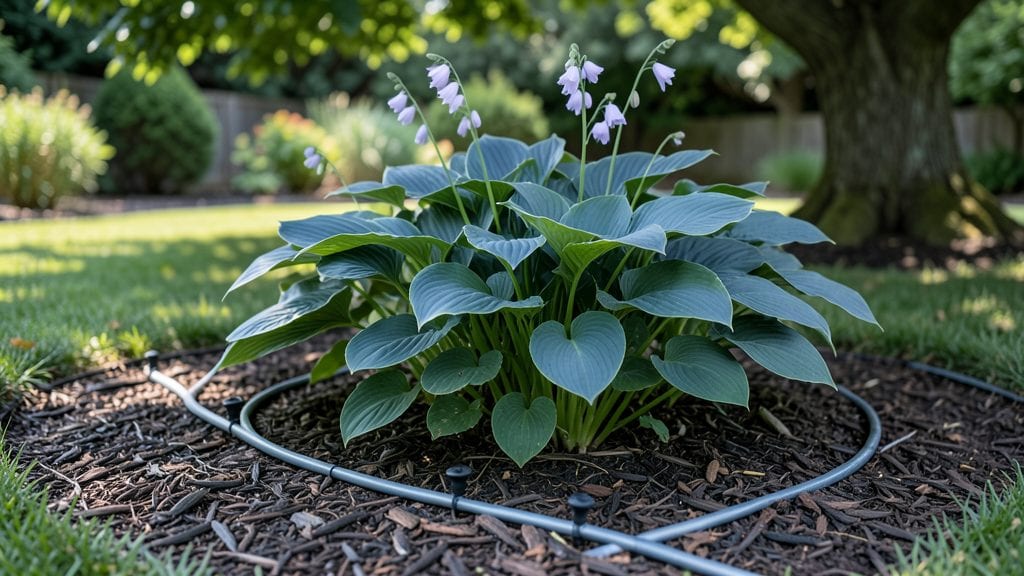
Your darkest garden corners can bloom with flowers in shaded areas that defy the "no sun, no flowers" rule. ✨ I’ve turned my shady patio into a lush retreat using plants that thrive where others fail—think velvety hostas, delicate impatiens, and bold astilbes that drink in the dappled light.
The secret isn’t forcing sun-loving blooms to struggle—it’s choosing plants that love shade, like ferns, bleeding hearts, and Japanese anemones. These thrive with 3–6 hours of filtered light and reward you with vibrant blooms from spring to fall.
Layering taller plants at the back with shorter ones in front creates depth, while evergreens like hellebores add winter interest.
You’ll end up with a garden that feels alive year-round, where every season brings new colors—spring’s pale pinks, summer’s deep purples, and autumn’s fiery reds. The best part?
These plants ask for little beyond occasional watering and the occasional deadheading to keep them blooming. Let’s bring light to those forgotten spots!
Works for everything from woodland gardens to city balconies with north-facing walls. The same principles apply whether you’re working with deep shade under trees or just a patch of afternoon shadow. Here’s how to make it happen without the guesswork.
📚 In This Guide
- What you need
- Instructions
- Tips and common mistakes
- Wrapping up and next steps
What you need
- ● Flowers for shade: Choose from hostas, impatiens, ferns, astilbes, or heucheras (3–5 plants, depending on area size). Opt for tuberous begonias or caladiums for vibrant pops of color.
- ● Quality potting soil: 1–2 bags of moisture-retentive, well-draining soil (e.g., Miracle-Gro Shade Mix or a 50/50 blend of garden soil and compost).
- ● Containers or garden beds: Containers: 5–10 pots (8–12" diameter) with drainage holes. Materials: terra cotta, ceramic, or fabric grow bags.
- ● Garden beds: A pre-dug or prepped area (12" deep) with organic mulch (e.g., pine straw or shredded bark for moisture retention).
- ● Slow-release fertilizer: 1–2 packets of balanced, shade-tolerant fertilizer (e.g., Osmocote Smart-Release Plant Food, 10-10-10 ratio).
- ● Garden tools: Trowel or hand shovel
- ● Pruners (for trimming dead foliage)
- ● Garden gloves (to protect your hands)
- ● Watering supplies: Watering can or hose with a gentle spray nozzle (shade plants prefer consistent moisture but hate soggy roots).
- ○ Drip irrigation kit (optional, for automated care).
- ○ Optional but helpful: Mulch spreader (for even coverage)
- ● pH testing kit (to ensure soil is slightly acidic to neutral (6.0–7.0))
- ● Decorative stones or pebbles (for a polished look)
How to select and plant flowers that thrive in shaded areas
Dark corners don’t have to stay dull—these shade-loving beauties will bring life to your garden’s quietest spots.
🌱 Step 1: Choose the Right Flowers for Your Shade Level
Not all shade is equal, so pick plants that match your light conditions. For deep shade (less than 2 hours of light), opt for hostas, astilbes, or bleeding hearts—they’ll flourish where others fade. In partial shade (3-6 hours of light), impatiens, ferns, and caladiums shine with bold foliage and delicate blooms.
Check your spot’s moisture too. Shady areas often stay damp longer, so avoid moisture-sensitive plants like coleus unless your soil drains well. I always test by digging a small hole—if water pools after 15 minutes, you’ve got a wet shade situation. Adjust by amending soil with compost or planting in raised beds if needed.
🪴 Step 2: Prepare the Soil for Shade-Loving Plants
Shade plants need rich, well-draining soil to prevent root rot. Mix 3 inches of compost into the top 6 inches of soil to improve fertility and aeration. If your soil is heavy clay, add sand or perlite to loosen it—shade plants hate soggy roots.
Test your soil’s pH too. Most shade flowers prefer slightly acidic to neutral (6.0-7.0). If your soil runs alkaline, work in peat moss or sulfur to adjust it gradually. A simple pH test kit from the garden center makes this easy. I like to spread the compost evenly, then scratch it into the soil with a rake—this ensures even moisture and nutrient distribution.
☀️ Step 3: Plant with Proper Spacing and Light Considerations
Shade plants grow slowly, so give them room to spread. Dig holes twice as wide as the root ball but no deeper—this encourages roots to spread outward. Space hostas 18-24 inches apart, impatiens 6-12 inches apart, and astilbes 18-24 inches apart to prevent overcrowding.
Place taller plants (like foxgloves or lungwort) at the back of the bed and shorter ones (like ajuga or sweet woodruff) in front. Watch how light filters through the canopy—if your shade shifts with trees, rotate plants seasonally to keep them balanced. Mulch with 2-3 inches of shredded bark to retain moisture and suppress weeds, which thrive in shady, damp soil.
💧 Step 4: Water and Maintain for Long-Term Success
Shade plants need consistent moisture but hate soggy soil. Water deeply once a week (or more in extreme heat) until the top 2 inches of soil feel moist. Use a soaker hose to deliver water slowly at the base—this prevents fungal issues from overhead watering.
Fertilize lightly in spring with a balanced, slow-release fertilizer (10-10-10). Too much nitrogen makes foliage lush but blooms sparse. Deadhead spent blooms (like on impatiens) to encourage more flowers. In fall, add a layer of mulch to protect roots from freezing temperatures—shade plants often stay active later into the season.
✂️ Step 5: Prune and Divide for Healthy Growth
Most shade flowers need minimal pruning, but hostas and astilbes benefit from a mid-season cleanup. Snip back any yellow or damaged leaves in early spring to make room for new growth. If a plant looks crowded after 3-4 years (like hostas), divide it in early spring—dig up the clump, separate the roots, and replant the strongest sections.
Watch for pests like slugs or snails, which love tender shade plants. Set out beer traps (a shallow dish of beer) or use copper barriers for organic control. I’ve found that caladiums and heucheras rarely suffer from pests, making them low-maintenance stars in shady spots. With the right care, your dark corners will bloom brighter than ever.
Tips & tricks for perfect shade-loving flowers
Transforming shady spots into vibrant gardens takes a few strategic moves—here’s how to maximize your success with shade-loving plants.
Light Level Insight: The 2-hour deep shade guideline is a starting point, but don’t assume all shade is equal. Observe your spot’s light patterns throughout the day—morning sun might reach areas that seem permanently shaded. For example, impatiens can handle 3-6 hours of light but will wilt if exposed to direct afternoon sun. Position them where they’ll get dappled light rather than harsh rays.
Soil Science: That 15-minute water test reveals more than just moisture—it shows how well your soil drains. If water pools, your plants are at risk of root rot. For heavy clay soils, mix in 3 inches of compost into the top 6 inches of soil to create air pockets. I’ve seen hostas thrive in amended clay that would otherwise suffocate their roots. Pro tip: Add a handful of perlite to the planting hole for extra drainage when needed.
Seasonal Rotation Strategy: Since shade patterns change with tree foliage, plan your layout with adaptability in mind. Place foxgloves (which prefer partial shade) behind sweet woodruff (which tolerates deep shade) so they’ll naturally shift positions as light conditions evolve. This creates a self-balancing garden that requires minimal annual adjustments.
Pest Prevention: Slugs and snails adore tender shade plants like caladiums, but copper barriers work better than beer traps for long-term protection. The copper creates a mild electric shock that deters pests—no mess, no smell, and it lasts the entire growing season. I’ve found that placing barriers around new plantings during their most vulnerable early growth stages prevents 90% of damage.
Pro Tips for Flowers In Shaded Area
- Transforming shady spots into vibrant gardens takes a few strategic moves—here’s how to maximize your success with shade-loving plants.
- Light Level Insight: The 2-hour deep shade guideline is a starting point, but don’t assume all shade is equal.
- Soil Science: That 15-minute water test reveals more than just moisture—it shows how well your soil drains.
Frequently asked questions
Got questions about growing flowers in shady spots?
You’re not alone! Here are some of the most common concerns—and their practical solutions—to help you turn those dim corners into blooming havens.
What are the best flowers for deep shade (less than 3 hours of sunlight)?
Look for hostas, heucheras, bleeding hearts, astilbes, and Japanese painted ferns. These thrive in partial to full shade and add texture and color without much fuss. For dappled light, try impatiens or foxgloves—they’re forgiving and cheerful!
How long does it take for flowers to grow in shaded areas?
Patience is key! Most shade-loving perennials (like hostas) take 1–2 years to establish and bloom, while annuals (e.g., impatiens) may flower in 6–8 weeks if planted in spring. Soil prep (like adding compost) can speed up growth by improving drainage and nutrients.
Do shaded flowers need more or less water than sun-loving ones?
Shaded areas often stay moist longer, so most flowers need less frequent watering—but check soil moisture! Mulch (like shredded bark) helps retain moisture and keeps roots cool. Overwatering is riskier in shade, so aim for 1 inch of water per week unless your area stays soggy.
Can I grow flowers in a north-facing yard with no direct sunlight?
Opt for full-shade specialists like lungwort, foamflower, or Christmas fern. If your yard is extremely dark, consider artificial grow lights (12–14 hours/day) for delicate blooms like African violets. Even a few hours of indirect light (e.g., near a window) can help!
Why aren’t my shade flowers blooming, even though they look healthy?
Common culprits: too much shade (some need at least 3 hours of filtered light), poor soil (amend with compost), or over-fertilizing (use low-phosphorus fertilizer for blooms). Try deadheading spent blooms or relocating plants to a slightly brighter spot—sometimes a few extra rays make all the difference!
Wrapping up and next steps
Transforming shaded areas into vibrant, lush spaces is easier than you think! With the right low-light-loving flowers, you can turn dim corners into a serene, colorful retreat—no direct sunlight required.
From impatiens and foxgloves to hostas and bleeding hearts, these plants thrive where others struggle, proving that beauty doesn’t need bright light to bloom.
Ready to get growing? Start small—pick one or two plants, test your soil, and watch your shaded garden flourish. Next, explore our guide on maintaining low-light gardens or dive into curated plant recommendations to find your perfect match!