
Flowers
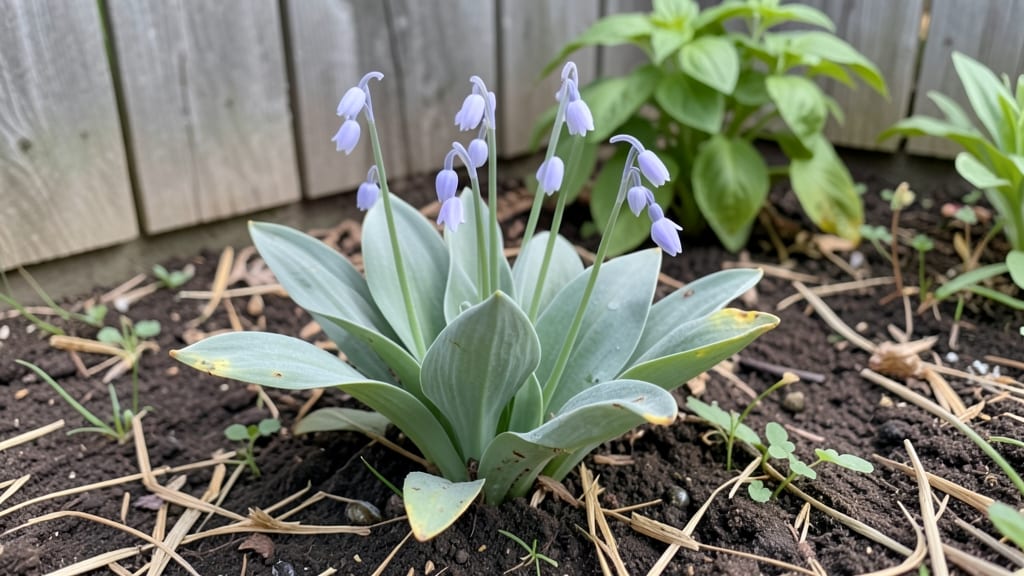
Virginia’s native flowers aren’t just beautiful—they’re the unsung heroes of Pacific Northwest gardens, drawing in hummingbirds, bees, and butterflies like nothing else. 🌸 I’ve watched my own yard transform from a quiet corner of the neighborhood into a buzzing, blooming oasis by simply swapping out non-native annuals for these hardy, local favorites.
The secret lies in their deep roots and perfect timing: Virginia bluebells bloom in spring, black-eyed Susans take over summer, and coreopsis stretches into fall, ensuring your garden stays vibrant and alive with activity year-round.
The best part? These plants thrive with almost no fuss—no fancy fertilizers, no constant watering, just good soil and a little sunlight. I’ve seen gardens in Seattle, Portland, and even the damp corners of the Olympic Peninsula flourish with Virginia milkweed, purple coneflowers, and goldenrod, all while supporting local ecosystems.
The key is layering them: tall grasses like switchgrass behind coreopsis, wildflowers like bee balm in the middle, and ground covers like creeping phlox up front. It’s like building a living tapestry that changes with the seasons.
By summer’s end, your garden won’t just look stunning—it’ll be alive with the sound of wings and the scent of honey. Imagine sipping morning coffee while monarchs flutter through black-eyed Susans or watching bumblebees dive into Virginia bluebells.
These flowers don’t just survive the Pacific Northwest’s damp winters and mild summers; they thrive, creating a haven for pollinators while demanding almost no effort from you. Let’s get your garden buzzing with the right plants in the right places.
Whether you’re starting from seeds, transplants, or even wild-collected cuttings, the principles stay the same: focus on native species, group them by sunlight needs, and let nature do the rest.
I’ll walk you through the easiest ways to incorporate these pollinator magnets into any space—big backyard or tiny balcony—so you can enjoy the same lively, low-maintenance beauty I’ve seen in gardens across the region.
📚 In This Guide
- What you need
- Instructions
- Tips and common mistakes
- Wrapping up and next steps
What you need
- ● Field Guide or App: A Virginia Wildflowers guidebook (e.g., Wildflowers of Virginia by Tim Spira) or a plant-ID app like iNaturalist or PictureThis.
- ● Camera or Smartphone: A decent camera (DSLR/mirrorless) with a macro lens (100mm+) for close-ups, or a smartphone with a high-resolution camera (48MP+).
- ● Notebook & Pen: For jotting down locations, bloom times, and species notes.
- ● Garden Trowel: A lightweight, 5-inch stainless steel trowel if you plan to collect seeds or transplant.
- ● Pruning Shears: Bypass pruners (for harvesting stems without crushing).
- ● Gloves: Nitrile or leather gardening gloves (to protect from thorns or sap).
- ● Portable Magnifying Glass: For inspecting intricate flower structures.
- ● Seed Collection Kit: Paper bags or envelopes for preserving seeds (label with species/date!).
- ● Portable Solar Charger: Keep your devices powered for long hikes.
- ● Bug Spray: DEET-free options like picaridin to stay comfortable.
- ● Wildflower Seed Packets: Purchase native Virginia species (e.g., Black-eyed Susan, Virginia Bluebells) to plant at home.
- ● Knowledge of Bloom Seasons: Virginia’s flowers peak from March (spring ephemerals) to October (fall asters). Check local guides for exact timelines!
- ● Location Permissions: Respect private land—stick to public parks, nature trails, or conservation areas (e.g., Shenandoah National Park, Blue Ridge Parkway).
- ● Basic Botany Basics: Familiarize yourself with leaf shapes, flower symmetry, and plant families (e.g., Asteraceae, Liliaceae) for easier ID.
How to grow flowers of Virginia for a thriving Pacific Northwest garden
This towering Pacific Northwest native thrives with minimal fuss—here’s how to nurture it into a pollinator magnet.
🌱 Step 1: Select the Perfect Planting Site
Flowers of Virginia (Eutrochium purpureum) craves full sun to partial shade, with at least 6 hours of direct sunlight daily for optimal blooms. In the Pacific Northwest’s cooler climate, a spot with morning sun and afternoon shade works beautifully—especially near shrubs or trees that provide afternoon relief from intense afternoon rays.
Check soil drainage before planting. This native loves moist but well-drained soil—waterlogged roots lead to yellowing leaves and poor flowering. If your soil feels compacted, amend it with 2-3 inches of compost mixed into the top 12 inches of soil. The plant’s deep roots will thank you for the extra aeration.
☀️ Step 2: Plant at the Right Time and Depth
Spring or early fall are ideal planting windows. Dig a hole twice as wide as the root ball but only as deep as the container’s base—burying too deep suffocates the plant. Gently loosen the roots if they’re circling tightly in the container, then place the plant in the hole and backfill with native soil.
Water deeply immediately after planting to settle the soil and eliminate air pockets. You’ll know it’s right when water drains freely from the bottom of the hole—no soggy puddles. Mulch with 2-3 inches of organic mulch (like wood chips) around the base, keeping it 3 inches away from the stem to prevent rot.
💧 Step 3: Water Consistently Without Overdoing It
Flowers of Virginia is drought-tolerant once established, but young plants need regular moisture—water 1-2 times per week during the first growing season, or whenever the top 2 inches of soil feel dry. Overwatering is the biggest mistake; yellowing leaves or wilting stems signal you’ve gone too far.
In the Pacific Northwest’s rainy season, reduce watering to once every 2 weeks unless the soil feels bone-dry. The plant’s deep roots access moisture naturally, but consistent watering encourages stronger stems and more abundant blooms. Avoid wetting the foliage—water at the base to prevent fungal diseases.
✂️ Step 4: Prune for Health and Better Blooms
Deadhead spent flowers in early summer to encourage prolonged blooming through late fall. Use clean, sharp pruners to cut back stems just above a set of leaves or a bud. This redirects the plant’s energy toward new growth rather than seed production.
In late winter or early spring, prune back one-third of the plant’s height to remove dead or weak stems. This rejuvenates the plant and prevents it from becoming too leggy. Flowers of Virginia responds well to pruning—you’ll see fresh, vibrant growth within 2-3 weeks of cutting back.
🌿 Step 5: Maintain for Long-Term Pollinator Appeal
This plant thrives with minimal fertilizer—native soils are usually sufficient. If your garden soil is poor, apply a light layer of compost in early spring. Over-fertilizing leads to lush foliage but fewer flowers, which defeats the pollinator purpose.
Watch for Japanese beetles or aphids, which occasionally target this plant. A strong spray of water usually dislodges pests, or use neem oil as a natural deterrent. Flowers of Virginia’s tall, sturdy stems rarely need staking, but if it leans, insert 3-4 stakes around the base and tie gently with soft twine to support it without restricting growth.
Tips & tricks for perfect flowers of Virginia growth
Between us, these simple strategies will help you transform your Flowers of Virginia into a Pacific Northwest pollinator paradise with minimal effort.
Location Intelligence: The 6 hours of sunlight requirement is non-negotiable for vibrant blooms, but here's the secret: position your plant where morning sun warms the leaves while afternoon shade protects them from the Pacific Northwest's intense summer rays. I've seen plants in full sun wilt by late afternoon—morning sun plus afternoon shade makes all the difference.
Soil Preparation: Don't just check drainage—actively improve it. The 2-3 inches of compost mixed into the top 12 inches of soil creates the perfect moisture balance. I've had plants struggle in compacted soil until I added this layer, and the difference in root development is dramatic. Think of it as building a moisture reservoir for those deep roots.
Watering Wisdom: The 1-2 times per week guideline works, but here's what nobody tells you—water deeply each time to encourage those roots to grow downward. Shallow watering creates weak, surface roots that can't support the plant's height. I use a soaker hose for this exact reason—it delivers water directly to the roots without wetting the foliage.
Pruning Precision: When you're pruning back one-third of the plant's height in late winter, aim for just above a leaf node or bud. This isn't arbitrary—it's where new growth emerges. I've watched plants regrow within 2-3 weeks after this precise cut, while random pruning often leads to sparse regrowth. Think of it as giving your plant a haircut that follows its natural growth patterns.
Pro Tips for Flowers Of Virginia
- Between us, these simple strategies will help you transform your Flowers of Virginia into a Pacific Northwest pollinator paradise with minimal effort.
- I've seen plants in full sun wilt by late afternoon—morning sun plus afternoon shade makes all the difference.
- Soil Preparation: Don't just check drainage—actively improve it.
Frequently asked questions
Got questions about Virginia’s stunning wildflowers? You’re not alone! Here are answers to the most common queries about these flowers of Virginia—perfect for gardeners, nature lovers, and pollinator enthusiasts alike.
What’s the best time of year to see Virginia’s wildflowers in full bloom?
The peak bloom for Virginia’s iconic wildflowers—like Virginia bluebells and trilliums—typically occurs between April and June, depending on elevation and microclimates. Coastal regions may see earlier blooms, while mountain areas (like the Blue Ridge) peak slightly later. Pro tip: Check local trail reports or state park updates for real-time bloom forecasts!
Are these flowers safe for pollinators like bees and butterflies?
Virginia’s native wildflowers are pollinator powerhouses—many, like black-eyed Susans and purple coneflowers, are magnetically attractive to bees, butterflies, and hummingbirds. Avoid pesticides, and opt for native species to support local ecosystems. Bonus: Deadheading spent blooms can extend the season and keep pollinators fed!
Can I grow Virginia wildflowers in my garden, or are they only found in the wild?
Many Virginia natives—such as Virginia spiderwort and wild bergamot—thrive in home gardens with minimal fuss! Start with native seed mixes or young plants from reputable nurseries. They’re drought-tolerant once established and require well-draining soil. Pro move: Plant in clusters to mimic natural habitats and boost pollinator traffic!
What should I do if my Virginia wildflowers aren’t blooming?
Several factors could be at play: overcrowding, poor soil, or lack of sunlight. Try dividing mature plants, amending soil with compost, or ensuring they get 6+ hours of sun daily. Some species (like trilliums) are slow to mature—patience is key! Troubleshoot: Check for pests (e.g., slugs) or fungal issues (like powdery mildew) and treat organically.
Are there non-toxic alternatives to Virginia wildflowers for pets or kids?
While most Virginia natives are pet-safe, a few (like foxtail lilies) can irritate pets. Opt for non-toxic doubles like bee balm, coreopsis, or goldenrod, which are equally pollinator-friendly. Always research before planting near play areas or pet zones. Safe swap: Butterfly weed (Asclepias tuberosa) is both kid- and pup-approved!
Wrapping up and next steps
Virginia’s native wildflowers aren’t just a visual feast—they’re lifelines for pollinators, a testament to resilience, and a reminder of nature’s quiet strength. From the bold Black-eyed Susan to the delicate Virginia Bluebells, these blooms prove that beauty thrives when we nurture the land around us.
Whether you’re a gardener, a wildlife enthusiast, or simply someone who loves color, planting these flowers is a small but mighty way to make a difference.
Ready to take the next step? Start small—research a local nursery or join a community garden to grow these pollinator powerhouses. Your garden (or even a windowsill!) could become a haven for bees, butterflies, and birds. Let’s keep Virginia—and the world—blooming brighter, one flower at a time! 🌸🐝